Blog
Filter categoryWhen plotter printheads need replacing

Technical Printing
|5 Jan 2023
Whether you're creating prints for personal or business use, poor print quality is frustrating. When images are faded or discoloured, it's easy to assume lack of ink is the culprit. However, this often isn't the case. Each large format plotter printhead has a significant impact on print quality.
One of the most important parts of a plotter is the printhead. However, to understand its significance, you need to know:
- Exactly what a plotter printhead is
- How it differs from an ink cartridge
- How to know when printheads need to be replaced
Being able to replace a printhead is essential, but knowing when the printhead needs to be changed is the most important skill. Here are some tips and tricks to help you know when to change your plotter printhead.
How Often Should Printheads Be Replaced?
A plotter printhead is a component in a printer or plotter that helps transfer ink onto the page. It does this by firing tiny droplets of ink through various printer nozzles to develop a pattern that creates your desired print. There are two different types of printheads, and the type you have will depend on what kind of printer or plotter you own. One type of printhead is built into the printer cartridge (the container that holds the ink cartridge). The other is built into the printer.
While printheads and ink cartridges are both parts of the system that distributes ink onto the page, they are different parts with distinct jobs.
An ink cartridge contains the ink. Some printers contain ink cartridges that combine three colours into one cartridge. Other printers contain each colour in its own cartridge. Black is typically separate in either case. In some printers, if a cartridge is out of ink, the printer will not print. Some printers will still print, but the image will be discoloured.
A printhead transfers ink from the cartridge onto the print medium. Some printers contain two printheads, one for colour and one for black ink. Others contain a separate printhead for each colour of ink. Printheads must be in good working order for the printer to print properly.
How Do You Know When to Replace Plotter Printheads?
How to Care For and Know When to Change Your Printhead

Printheads and the contacts they meet sometimes gather foreign materials like lint and dust that can cause continuity problems. The nozzles of a printhead can also become blocked with dried ink. For this reason, printheads must be occasionally cleaned. How often you clean your printheads will vary depending on your printer use. While you might think that using the printer occasionally will mean fewer cleanings, the opposite is more likely to be true. A printer or plotter that sits for long periods of time is more likely to gather dust or allow ink to dry in the nozzles.
Automated Cleaning
Manual Cleaning
Replacing Instead of Cleaning
How Often Do You Replace the Printhead on an HP Large Format Plotter?
A printhead can become dirty after it has been sitting idle for a period of time. You should print at least a few pages each month to maintain print quality and avoid dried ink. If you haven't printed in some time and experienced poor print quality, it's time for a clean. But if you continue to have problems after cleaning the printheads multiple times, it's a good idea to replace the cartridges, even if they're not out of ink.
If there are still problems with your printer, you may need to replace the printhead. Since there are many variables in the way printheads are used and maintained, there isn't a specific number of prints or timeline for how often printheads must be replaced. The most important indicator of your plotter's health is your print quality.
A wide-format printer or plotter is a valuable investment that you shouldn't have to plan to replace frequently. While it's cheaper to replace some home printers than to have them repaired by a professional, this is unlikely to be true in the case of a large format plotter. If you are having issues with print quality or you're seeking a new printer or plotter for your business, the professionals at HP can help. Contact us today to discuss your printing needs.
Download our eBook now and discover how innovation is streamlining workflows, producing prints of unmatched quality and increasing IT efficiency like never before.
Download eBook nowExplore plotter printers for your needs

HP DesignJet T850 36-in Multifunction Printer + HP Installation Service for DesignJet Series Entry Level (APJ)
A0 Color HP DesignJet Large Format Printer, Perfect for Business Print, copy, scan Dynamic security enabled printer 25 sec/page on A1 Ethernet, Wi-Fi Touchscreen, Automatic document feeder, Front USB flash drive port, Scan to PDF
MYR 18365.00MYR 17480.00Buy Now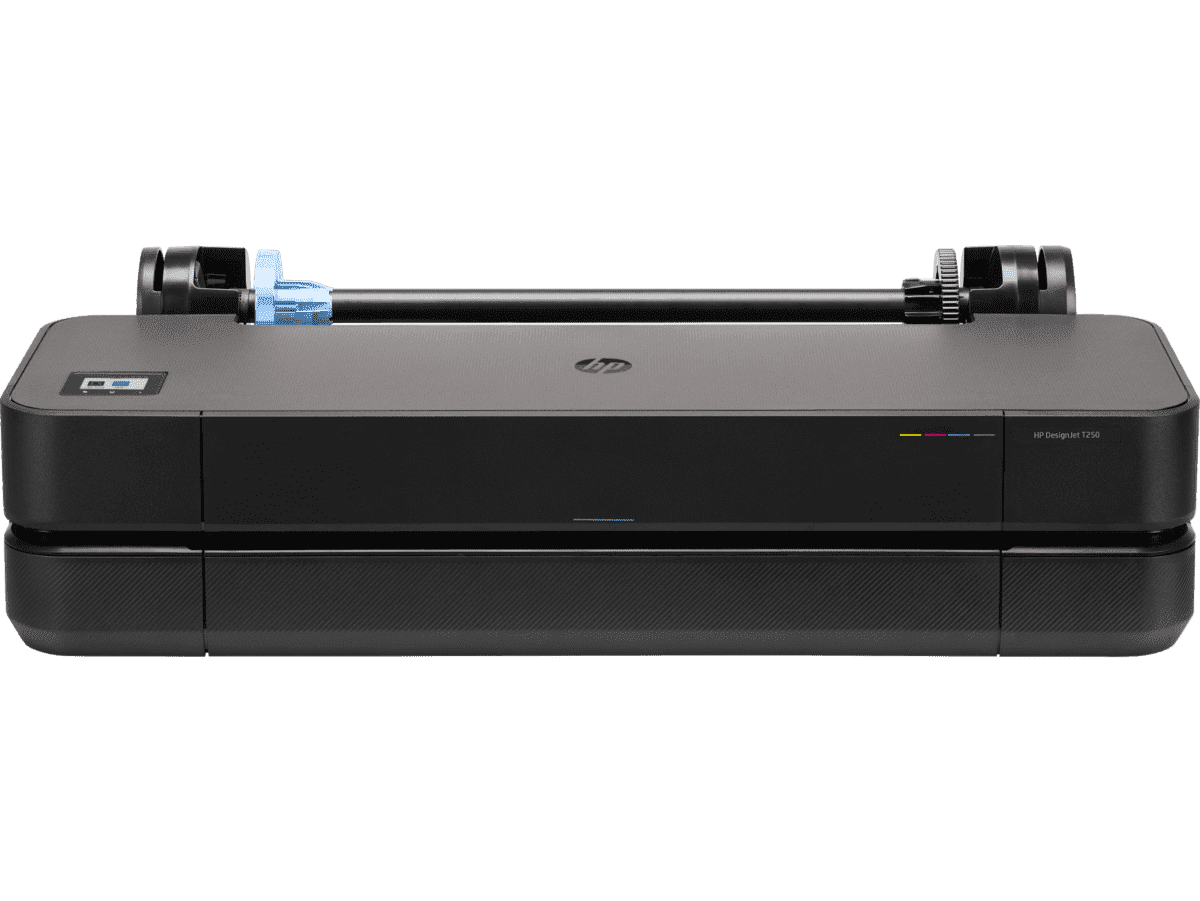
HP DesignJet T250 24-inch Compact Large Format A1 Plotter Printer + HP DesignJet T200/T600 Automatic Sheet Feeder + HP Installation Service for Design
A1 Colour HP DesignJet Large Format Printer, Perfect for Small Offices & Business Print 30 sec/page on A1; 76 A1 prints per hour USB, Ethernet, Wi-Fi Touchscreen; Automatic document feeder; Front USB flash drive port
MYR 5860.00MYR 4980.00Buy Now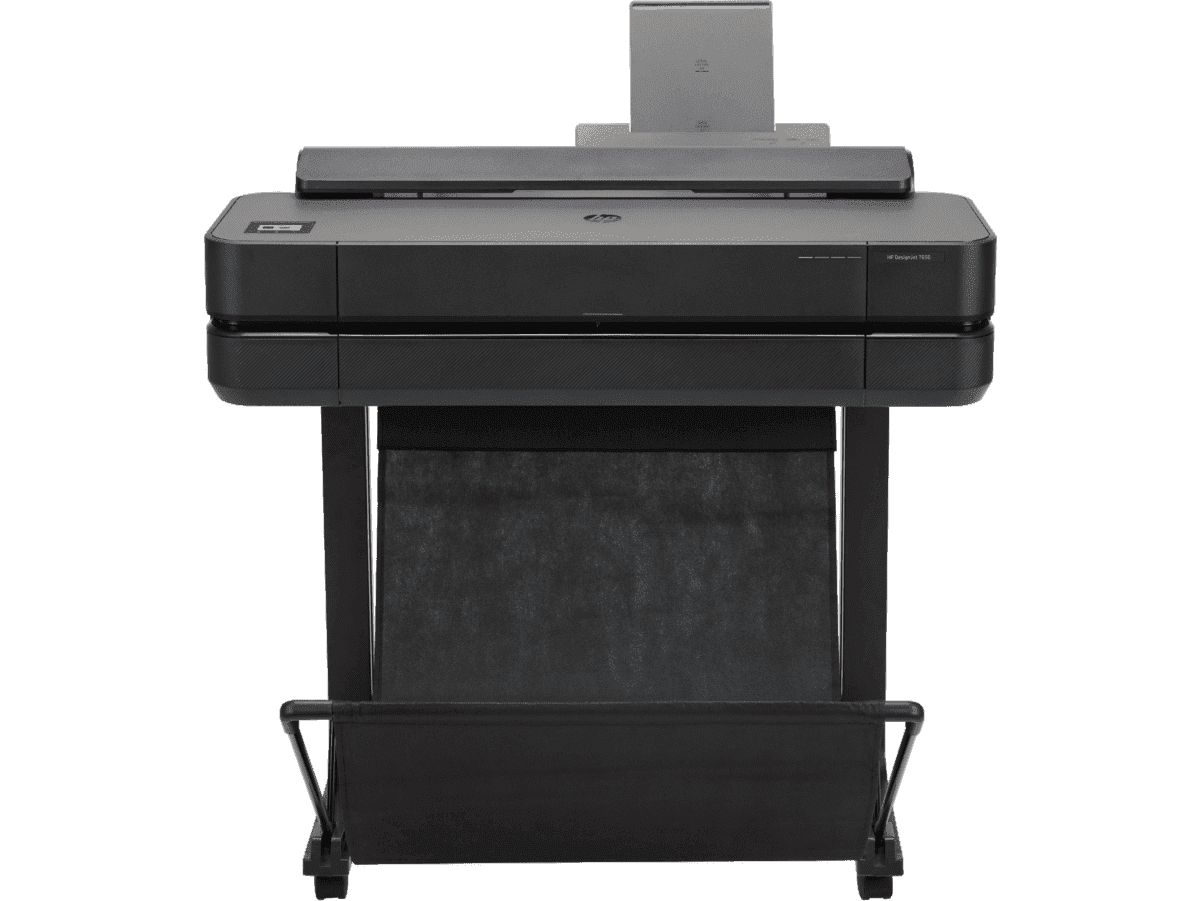
HP DesignJet T650 24-in Printer + HP Installation Service for DesignJet Series Entry Level (APJ)
A1 Colour HP DesignJet Large Format Printer, Perfect for Small Offices, Business & Enterprise Print 26 sec/page on A1; 81 A1 prints per hour Sheet feed, Roll feed, Automatic Sheet Feeder, Media Bin, Automatic Horizontal Cutter USB, Ethernet, Wi-Fi HP Click, HP Smartapp, HP Wolf Essential Security
MYR 8570.00MYR 6880.00Buy Now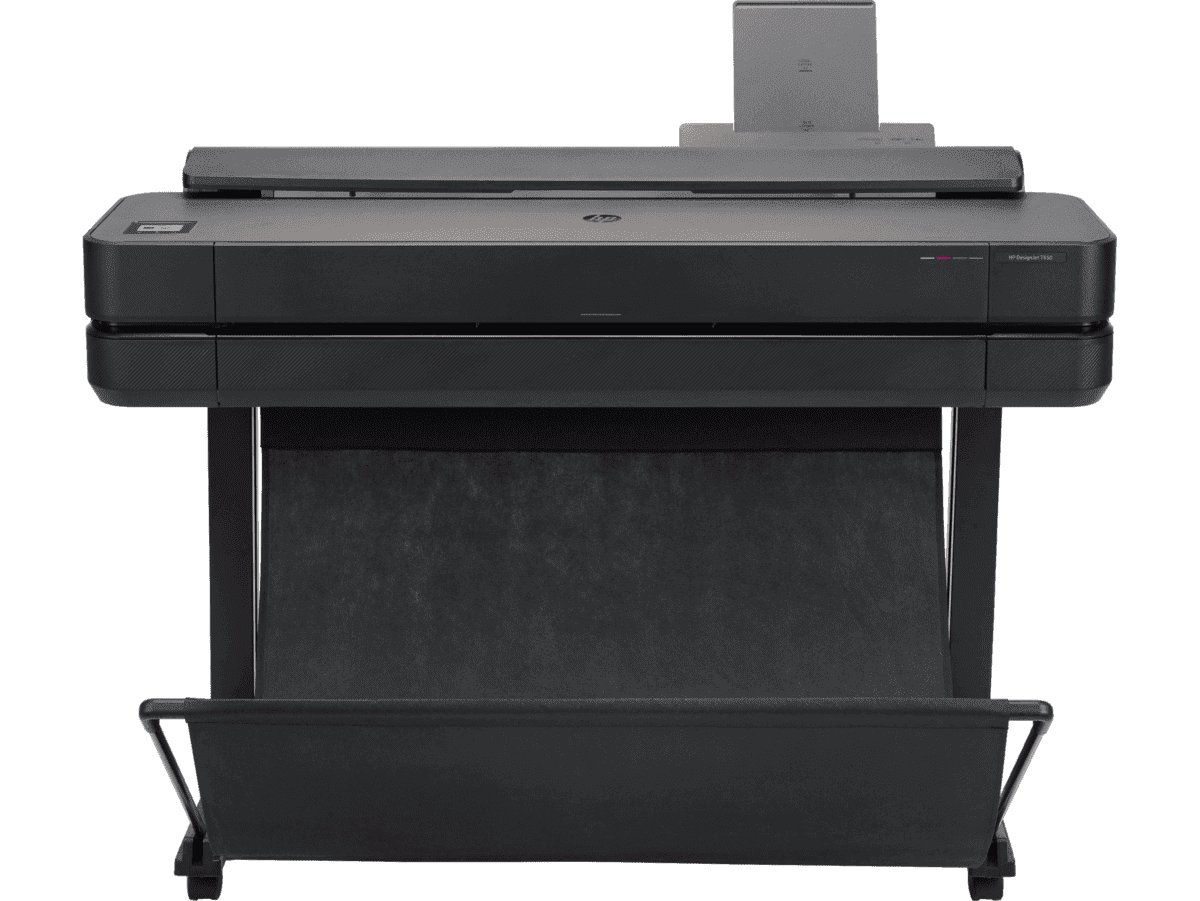
HP DesignJet T650 36-in Printer + HP Installation Service for DesignJet Series Entry Level (APJ)
A0 Colour HP DesignJet Large Format Printer, Perfect for Small Offices, Business & Enterprise Print Sheet feed, Roll feed, Automatic Sheet Feeder, Media Bin, Automatic Horizontal Cutter USB, Ethernet, Wi-Fi HP Click, HP Smartapp
MYR 11640.00MYR 9880.00Buy Now


