Blog
Filter categoryAEC businesses and the case for multifunction CAD printers

Technical Printing
|14 Dec 2022
Businesses in the architecture, engineering, and construction industries need accurate prints for their projects. That is why the advanced capabilities of computer-aided design (CAD) software are critical. The advantages of CAD make it necessary for AEC companies to have a reliable CAD printer, of not just any kind. Specifically, these companies need a multifunction printer to get the results they want.
The AEC world continues to evolve, which is why companies must remain on the cutting edge of the industry's technology. Having state-of-the-art printing technology is a requirement, not a luxury.
Here are some of the key reasons for implementing a multifunction CAD printer.
What Can a Multifunction Plotter Printer Do For CAD?
Companies in the AEC industries and others need a large format multifunction printer to optimise their workflows. The more a wide format printer can do, the more you can accomplish with increased efficiency.
There are multiple reasons why companies need a large format multifunction printer for CAD. Some of these reasons include the following:
Improved Collaboration
Reduced Space Requirements
Boosted Productivity
What Are the Benefits and Limitations of CAD?

Computer-aided manufacturing and design are critical for many applications, including those in the AEC industries. CAD offers a number of benefits that make it suitable for printing many types of documents, although it does come with certain limitations to keep in mind.
Benefits
Limitations
What Is the Future of CAD?
There are a few main developments that will shape the future of computer-aided design and CAD software.
One major development is artificial intelligence (AI), which will help streamline design processes and workflows by increasing the efficiency of normally repetitive and mundane tasks. Predictive design through machine learning will help streamline design processes and allow for generative design. It will also be able to continually reduce the risk of errors as it optimises workflows. Additionally, AI will facilitate even more rapid prototyping.
Cloud-based software is another critical development that will simplify processes for the AEC industries. CAD technology using the cloud will enable different teams to access the software and designs on nearly any device from any location. This will enable more efficient collaboration and keep all teams connected.
These are simply a couple of changes we can expect to see with 2D and 3D CAD software and CAD systems. These developments will also make it even easier for professionals to learn CAD.
Which Large Format Multifunction Printer Is Used for CAD?
Applications using CAD software will require a specific type of printer. The type of printer you use will depend on the specific materials you want to print. For example, you might print CAD drawings on a CAD plotter printer, while 3D modelling will entail the use of a 3D printer.
When looking for the ideal CAD plotter printer for 2D or 3D designs, you'll want to find a reliable model and remember that the cheapest option likely isn't the best. Search for a printer with higher image quality and the specific features you need, including compatibility with your current operating systems, IT features, and sufficient storage space for STL files and other data.
In addition to the right printer, you'll want to find the right CAD software based on your individual needs. Together, high-quality printing equipment and software will improve the design and manufacturing processes across the AEC industries.
Find the Ideal Printing Solutions at HP
Trying to find the best CAD printer for your application? AEC companies can benefit from some of the most dependable equipment available when they turn to HP.
Contact us today to discuss your printing needs with our experts.
Download our eBook now and discover how innovation is streamlining workflows, producing prints of unmatched quality and increasing IT efficiency like never before.
Download eBook nowExplore plotter printers for your needs

HP DesignJet T850 36-in Multifunction Printer + HP Installation Service for DesignJet Series Entry Level (APJ)
A0 Color HP DesignJet Large Format Printer, Perfect for Business Print, copy, scan Dynamic security enabled printer 25 sec/page on A1 Ethernet, Wi-Fi Touchscreen, Automatic document feeder, Front USB flash drive port, Scan to PDF
MYR 18365.00MYR 17480.00Buy Now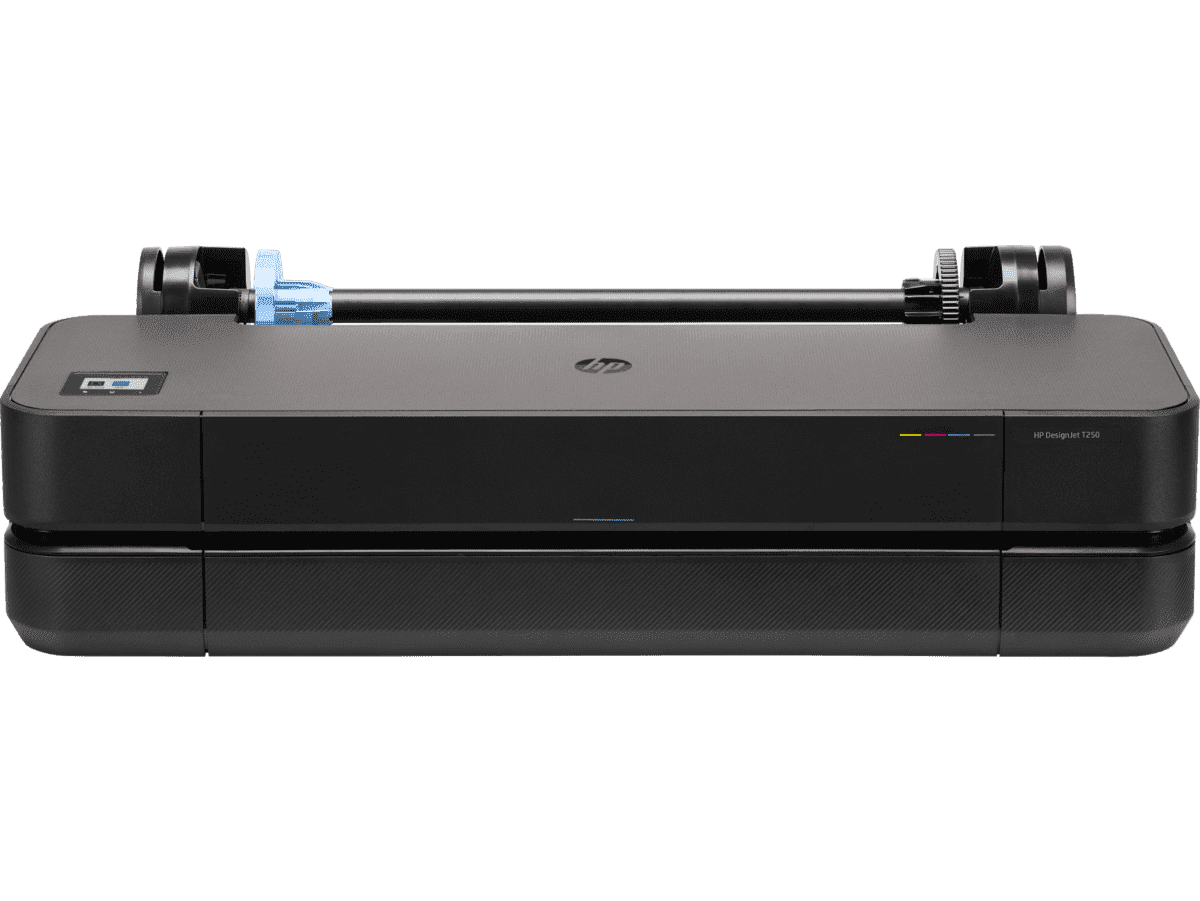
HP DesignJet T250 24-inch Compact Large Format A1 Plotter Printer + HP DesignJet T200/T600 Automatic Sheet Feeder + HP Installation Service for Design
A1 Colour HP DesignJet Large Format Printer, Perfect for Small Offices & Business Print 30 sec/page on A1; 76 A1 prints per hour USB, Ethernet, Wi-Fi Touchscreen; Automatic document feeder; Front USB flash drive port
MYR 5860.00MYR 4980.00Buy Now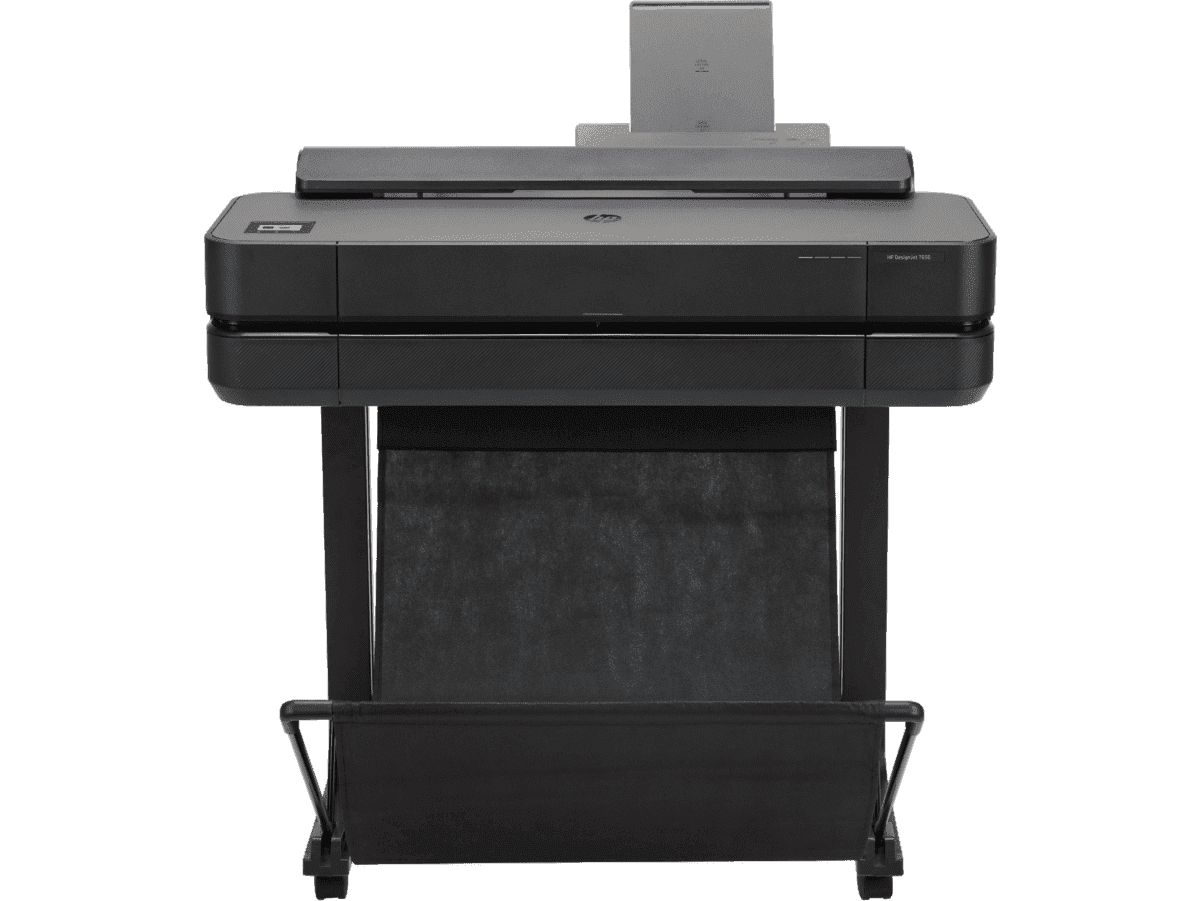
HP DesignJet T650 24-in Printer + HP Installation Service for DesignJet Series Entry Level (APJ)
A1 Colour HP DesignJet Large Format Printer, Perfect for Small Offices, Business & Enterprise Print 26 sec/page on A1; 81 A1 prints per hour Sheet feed, Roll feed, Automatic Sheet Feeder, Media Bin, Automatic Horizontal Cutter USB, Ethernet, Wi-Fi HP Click, HP Smartapp, HP Wolf Essential Security
MYR 8570.00MYR 6880.00Buy Now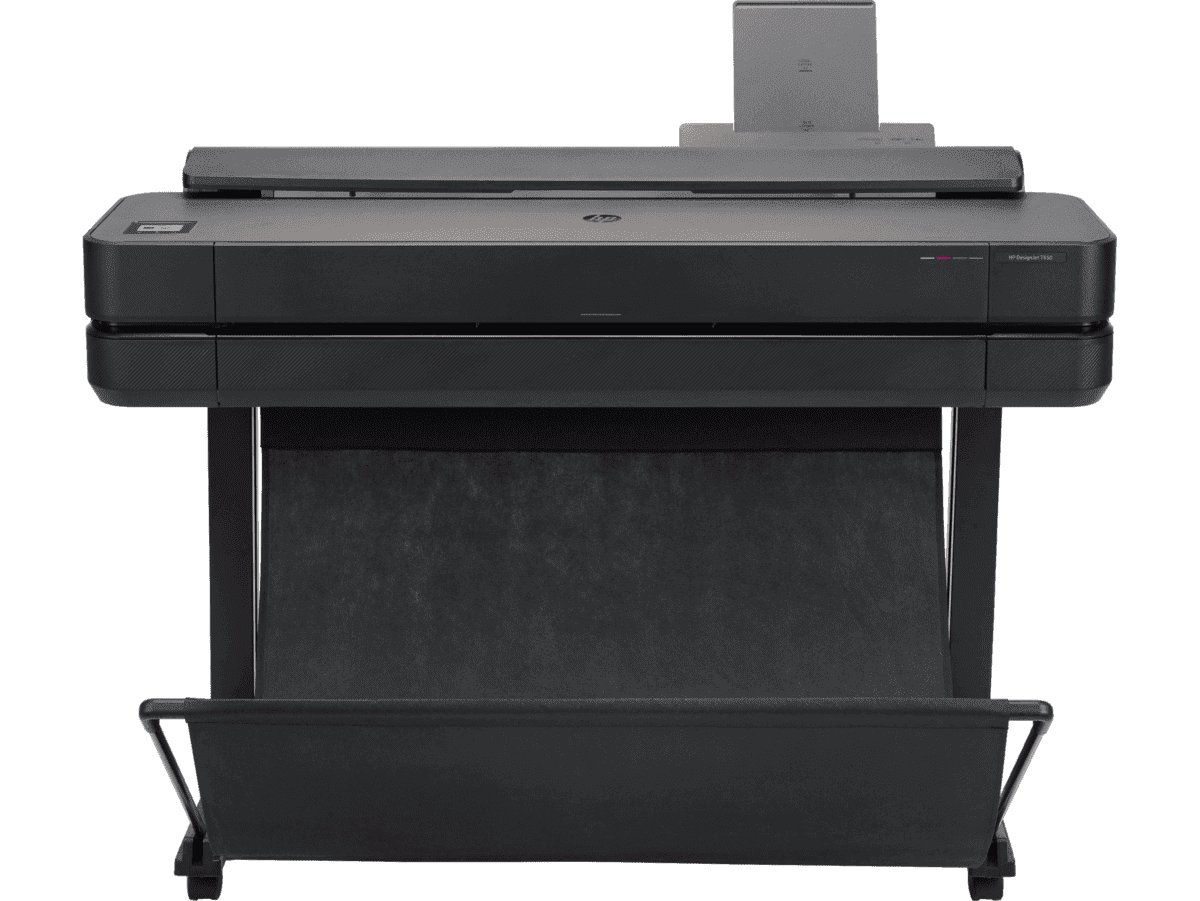
HP DesignJet T650 36-in Printer + HP Installation Service for DesignJet Series Entry Level (APJ)
A0 Colour HP DesignJet Large Format Printer, Perfect for Small Offices, Business & Enterprise Print Sheet feed, Roll feed, Automatic Sheet Feeder, Media Bin, Automatic Horizontal Cutter USB, Ethernet, Wi-Fi HP Click, HP Smartapp
MYR 11640.00MYR 9880.00Buy Now


