Blog
Filter categoryAEC portfolio printing tips to win more business
Technical Printing
|19 Nov 2025
Experienced industry professionals and those just beginning their career as an architect both need a high-quality, professional printed portfolio. However, creating a portfolio that stands out enough to capture the attention of potential clients can be challenging, especially considering the technical and aesthetic requirements of the AEC field. This article presents five ways AEC professionals can manage the process, resulting in design portfolio printing that showcases their work optimally and leaves a lasting impression.
Tip #1: Choose the Right Printing Equipment
Tip #2: Optimise Your Design for Print
Even the best printer can only work with what you put into it. Poorly optimised files will result in poor print quality, regardless of what machine you use for printing them. To get professional results out of professional equipment, you need to understand the technical requirements of print production. The first step is ensuring that all of your images and graphics are at least 300 DPI, as anything lower will appear blurry or pixelated when printed.
A common trap for professionals managing design portfolio printing for the first time is not understanding colour space. While digital screens use RGB (Red, Green, Blue) colour mode, professional printing uses the CMYK (Cyan, Magenta, Yellow, Black) format. Colours sometimes look very different when converted to CMYK. Using digital proofing tools to simulate that conversion will prevent any unwanted shifts in colour in the final product.
When you create layouts, use generous white space to avoid overcrowding pages with too much information. This will allow each project to breathe and give viewers a better chance to appreciate the details of your work. Similarly, use high-quality typography for text that remains legible at various sizes.
Finally, be sure that important information is contained within the safe margins; otherwise, it might be cut off during the printing or trimming process. In the opposite direction, make sure that colours extend outside of those margins to ensure that they bleed over the edges. Otherwise, unwanted white borders can appear in the print. In general, build in at least 3mm of bleed and 12-13mm of margin.
Tip #3: Select High-Quality Materials
You can have high-quality work printed on a professional printer and still give the appearance of low quality if you choose the wrong materials to print your portfolio pieces on. Paper selection alone offers a wealth of options. The most common choices for AEC professionals are smooth coat stocks for enhanced colour vibrancy and uncoated papers for increased authenticity and tactile quality in black and white drawings. For an architecture portfolio, a heavier paper weight, such as 100lb cover stock, will project substance and durability while giving your work a premium feel.
There are also several binding options to choose from. Saddle-stitching is simple and elegant for thinner portfolios, while perfect binding, spiral binding, or case binding are more suitable for larger ones. Each of those three offers different advantages. Spiral binding allows portfolios to be laid flat when opened, making it easier to view the contents. Perfect and case binding provide a more formal, book-like presentation that's suitable for high-stakes client meetings or award submissions, with case binding being the high-quality but more expensive of the two.
Tip #4: Proofread and Test Your Prints
At some point in our lives, I think we've all caught a typo after we've hit publish or print on something. The same goes for outdated information or colour inconsistencies. While these errors happen, you don't want them to happen in your portfolio piece, or any piece you'll be sending off as a final product, for that matter. Have multiple team members review the portfolio to ensure these types of errors don't make it to the final print. It's helpful to have someone unfamiliar with the project look it over because fresh eyes often catch mistakes that people who work closely with the project might overlook.
As part of the process, use any digital proofing options available that allow you to simulate how your final prints will look. These will help you catch errors before you spend any money on material costs to print the project. It's also often worth it to print a lower-quality test print. Although you'll consume some materials, you might catch errors and inconsistencies that didn't show up in proofing, saving you from having to make multiple high-quality prints during each iteration of design portfolio printing.
Tip #5: Organise and Present Your Portfolio Effectively
Clients want to hire AEC professionals who are well-organised and have a keen eye for design. A sloppily thrown together portfolio sends the exact opposite message. Start by picking the projects that best represent the full range of your expertise and your highest quality work. Avoid including everything you've ever done, as effective curation demonstrates discernment and respect for the audience's time.
The portfolio should flow in a logical way that guides viewers through your work strategically. This could be chronological ordering to demonstrate your growth as an architect or thematically to highlight expertise in specific project types. You might organise it by scale to demonstrate your versatility. Whichever method you choose, maintain consistency throughout and provide clear transitions between sections.
Tip #6: Maintain and Update Your Portfolio Regularly
The AEC industry evolves rapidly, and, hopefully, so do your skills. Regularly update your portfolio to include your current capabilities and recent accomplishments. Remove any older pieces that no longer match your current standards. It's a good practice to set aside a schedule for portfolio reviews. This could be quarterly, biannually, or whatever time frame you feel matches the speed of your output.
Updating your portfolio can't be an afterthought. Throughout your work on projects, keep an organised archive of your work, including high-resolution images, project descriptions, and relevant statistics. This design portfolio printing preparation will make the work easy to sort through and apply to any future portfolio updates.
Produce Higher-Quality Portfolios With HP DesignJet
To produce the highest-quality portfolio possible, take advantage of the HP DesignJet promo to get yourself a great deal on a professional-quality printer for on-site design portfolio printing. This will allow you to ensure that your printer isn't the reason potential clients choose a competitor over you.
Explore plotter printers for your needs

HP DesignJet T850 36-in Multifunction Printer + HP Installation Service for DesignJet Series Entry Level (APJ)
A0 Color HP DesignJet Large Format Printer, Perfect for Business Print, copy, scan Dynamic security enabled printer 25 sec/page on A1 Ethernet, Wi-Fi Touchscreen, Automatic document feeder, Front USB flash drive port, Scan to PDF
MYR 18365.00MYR 17480.00Buy Now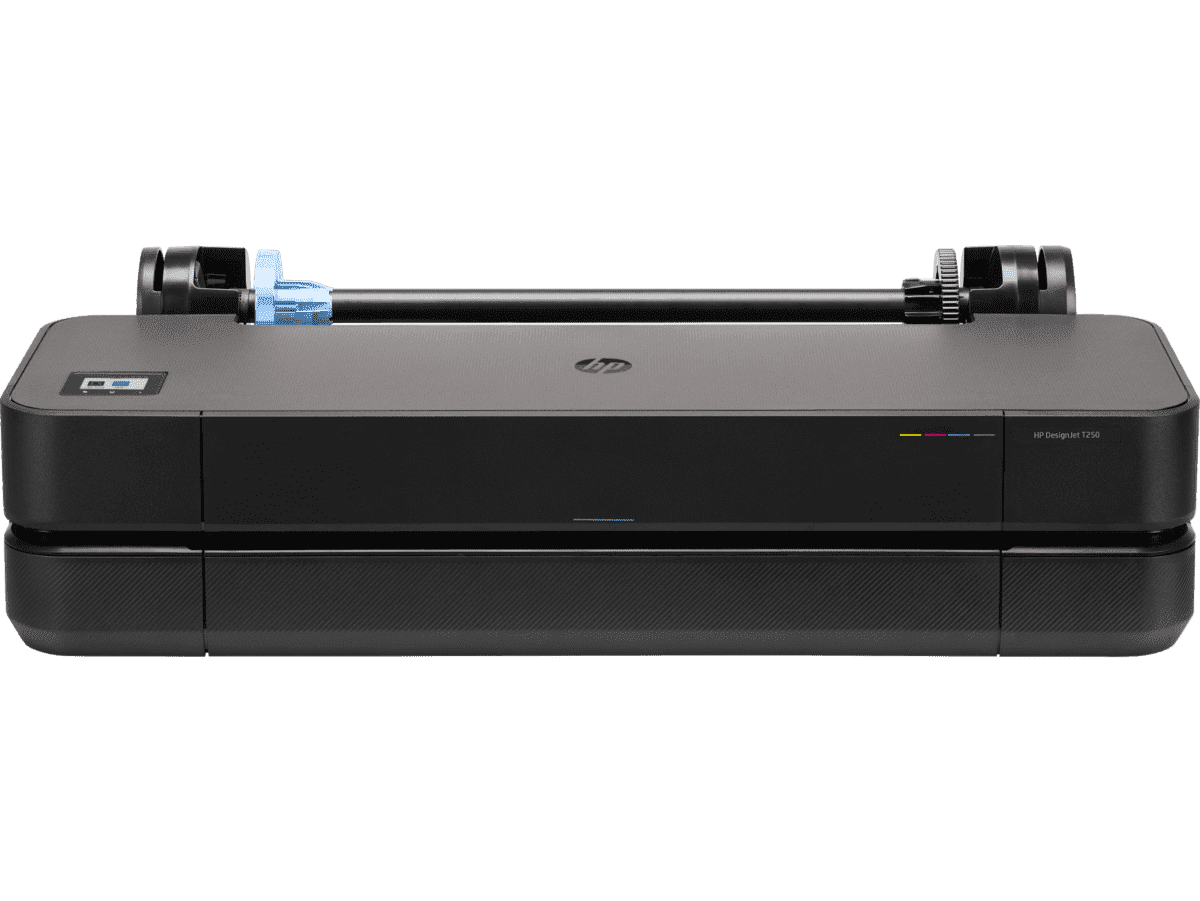
HP DesignJet T250 24-inch Compact Large Format A1 Plotter Printer + HP DesignJet T200/T600 Automatic Sheet Feeder + HP Installation Service for Design
A1 Colour HP DesignJet Large Format Printer, Perfect for Small Offices & Business Print 30 sec/page on A1; 76 A1 prints per hour USB, Ethernet, Wi-Fi Touchscreen; Automatic document feeder; Front USB flash drive port
MYR 5860.00MYR 4980.00Buy Now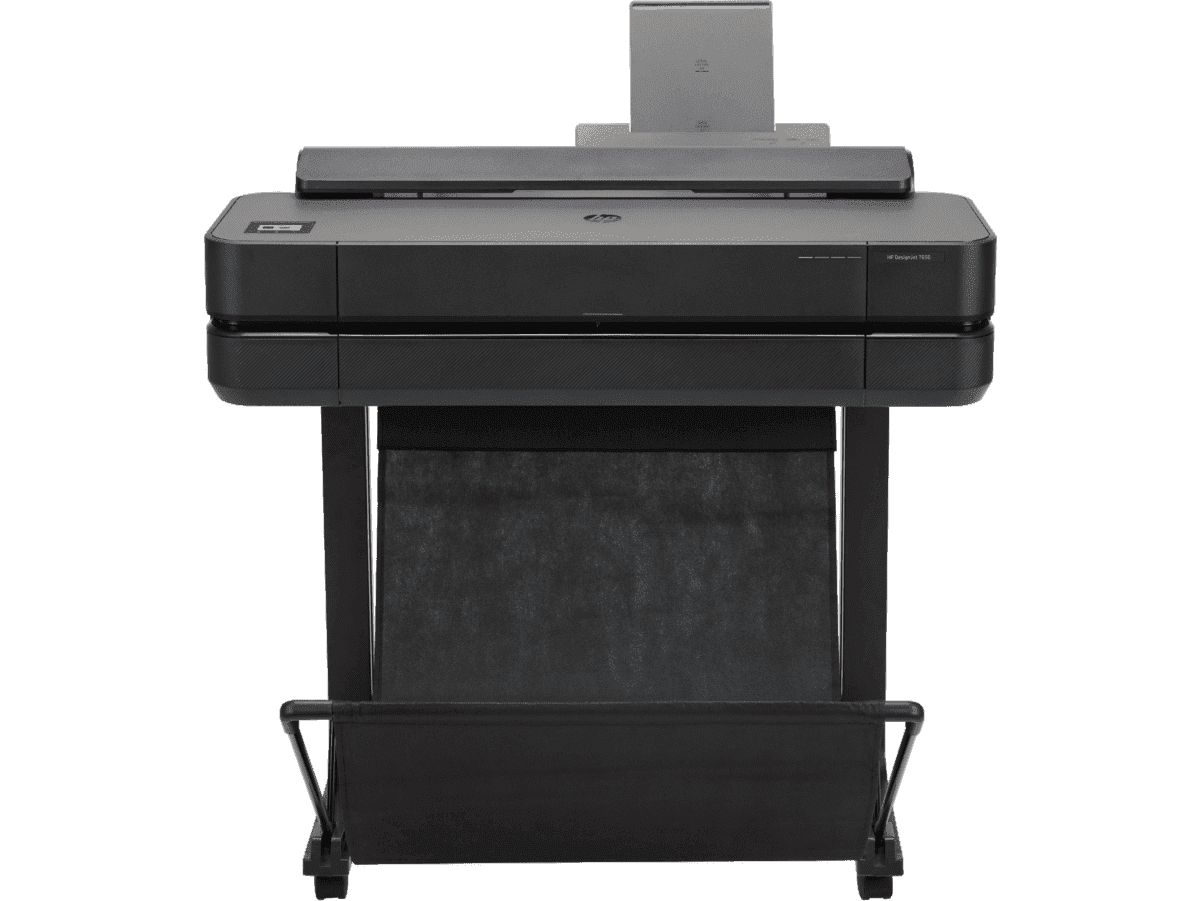
HP DesignJet T650 24-in Printer + HP Installation Service for DesignJet Series Entry Level (APJ)
A1 Colour HP DesignJet Large Format Printer, Perfect for Small Offices, Business & Enterprise Print 26 sec/page on A1; 81 A1 prints per hour Sheet feed, Roll feed, Automatic Sheet Feeder, Media Bin, Automatic Horizontal Cutter USB, Ethernet, Wi-Fi HP Click, HP Smartapp, HP Wolf Essential Security
MYR 8570.00MYR 6880.00Buy Now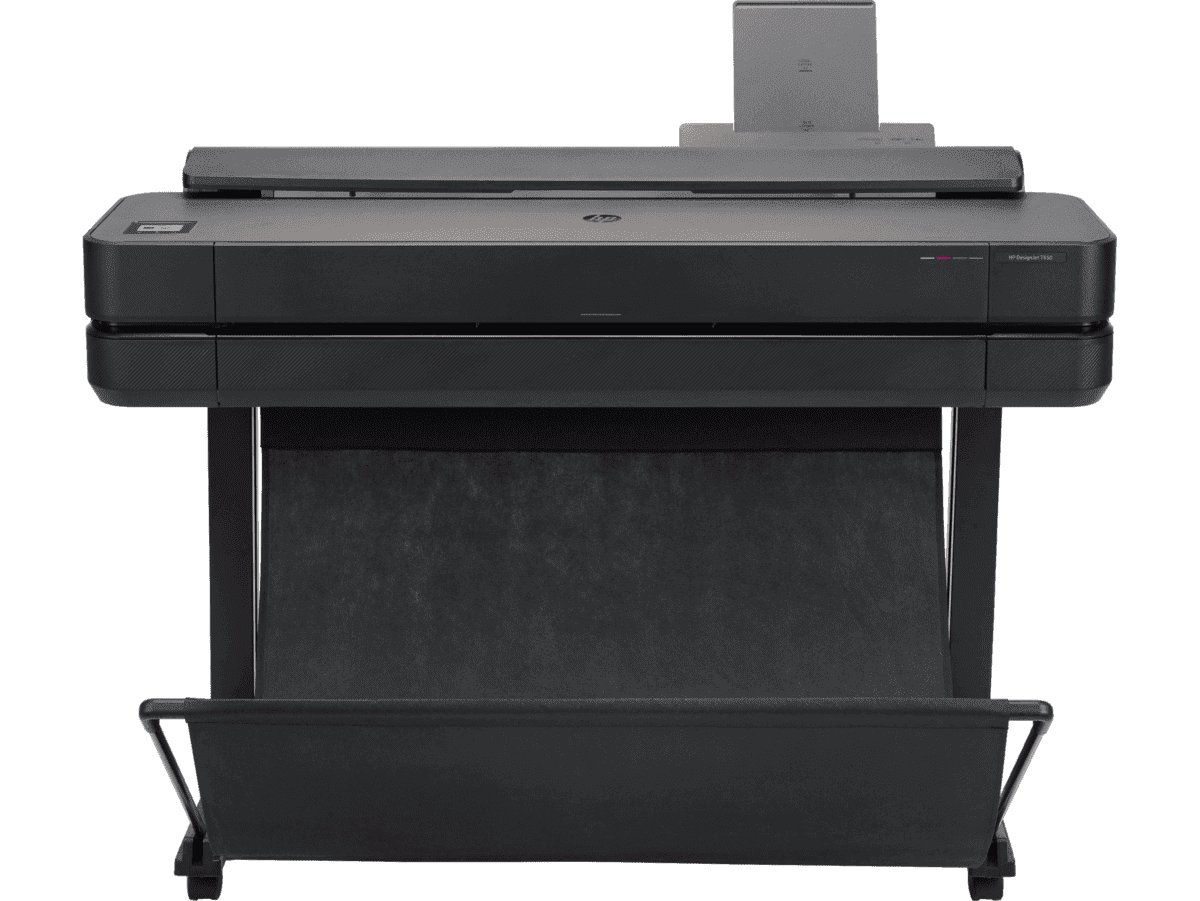
HP DesignJet T650 36-in Printer + HP Installation Service for DesignJet Series Entry Level (APJ)
A0 Colour HP DesignJet Large Format Printer, Perfect for Small Offices, Business & Enterprise Print Sheet feed, Roll feed, Automatic Sheet Feeder, Media Bin, Automatic Horizontal Cutter USB, Ethernet, Wi-Fi HP Click, HP Smartapp
MYR 11640.00MYR 9880.00Buy Now


