Blog
Filter categoryBlueprint Notes That Stay Sharp in Print

Technical Printing
|23 sep 2025
Annotations are a vital element of construction drawings, providing instructions, highlighting design intent, and supporting coordination between trades. Ensuring these symbols and markups print clearly is crucial for all stakeholders to understand the project's requirements, and every organisation benefits from implementing a blueprint annotation guide or process document. Annotations that are too small, improperly scaled, or blurry can lead to confusion and errors during the build. Achieving the clarity necessary for precise and consistent annotations in large format construction prints depends on the printer you choose and your printing practices.
This blueprint annotation guide shares practical tips for adding construction drawing notes, dimensions, and callouts that remain sharp and readable when printed. You'll also learn the importance of annotations, best practices for using annotations and file preparation, and the value of HP DesignJet for ensuring clarity. Whether you’re preparing architectural markups or technical revisions, you'll learn to optimise your annotation practices and print settings for professional results.
Why Annotations Matter in Construction Drawings
Annotations play a vital role in enhancing communication between project stakeholders. Notes, symbols, and other visual indicators in technical drawings provide information about design intent, the materials, dimensions, and other specifications.
Communicating Instructions and Design Revisions
Comments and notes added to blueprints allow architects to:
- Clarify building instructions
- Draw attention to safety hazards
- Offer suggestions to improve the design
- Communicate ideas more clearly
- Provide instructions that may not be immediately apparent in the design
Avoiding Misinterpretation on the Job Site
Annotations display critical information, including dimensions, materials, scale, and specific details about the project. These details are crucial for building a project as intended. When used for design revisions, annotations help architects document changes and approvals to maintain accurate and up-to-date project records.
Best Practices for Annotating Blueprints
Best practices for marking up and revising architectural plans address readability and proper use of different annotation types. The right architectural markup printing approach from this blueprint annotation guide can help you manage layers and improve clarity to avoid errors.
Recommended Font Types and Sizes for Readability
Technical drawings generally adhere to certain standards to improve clarity. Using one font and using no more than three text sizes throughout a single drawing will minimise confusion. The most common fonts in technical drawing are Arial, Tahoma, Simplex, Roman, ISOCP, ISOCPEUR, and Comic Sans. Different text sizes work best for specific applications as follows:
- 2.5 mm: For most text, including notes, distances, and elevations
- 5 mm: For drawing title, axis numbering, and lettering, and section letters
- 7.5 mm: For drawing title, axis numbering, and lettering, and for section letters
Proper Use of Callouts, Tags, and Dimensions
Technical drawings follow a standardised format to make them easily readable by various industry stakeholders. Understanding how specific annotations are used will ensure clarity in design and improve communication among teams.
- Callouts give specific views of interior or exterior spaces, using a larger scale and providing space for extra notes.
- Tags help identify elements in a drawing. When users create a tag, it adds a label to display relevant information about the tagged element.
- Dimensions show measurements in a project. They should be applied to layers for clarity and adjusted according to the annotation scale.
Managing Annotation Layers for Print Clarity
Multiple layers in construction drawings are used to illustrate different systems throughout a structure (such as mechanical, electrical, plumbing, and structural layers). When annotations are applied to the proper layer, teams can avoid clutter and access the information they need.
Preparing Annotated Files for Large Format Printing
Having a blueprint annotation guide to best practices is just the start. Preparation is key to achieving the results you expect upon printing large format construction drawings.
Ensuring Vector Output for Text and Line Work
Check to make sure all lines, shapes, and text in the blueprint are vector-based rather than rasterised. This can be achieved using software designed for vector graphics or by changing text to outlines. Vector elements maintain clarity in large format prints, while raster images can become pixelated.
Choosing the Right DPI and Plot Settings
Exporting files at a resolution of 300 DPI will ensure prints are clear and detailed, and prevent pixelation of details in larger formats. Before printing, ensure scale, layers, line weights, and margins are accurate.
Using Print Preview to Catch Common Errors
Use a print preview tool to see how blueprints will look when printed. When previewing, check the following details:
- Create accurate margins with no missing details.
- Ensure no lines or images overlap.
- Check for accurate and properly labelled scaling.
- Ensure all annotations are present and legible.
How HP DesignJet Ensures Sharp Annotations

HP DesignJet large format printers are designed with an array of features that optimise print clarity in technical drawings and blueprints for the AEC industry. High-resolution printing and compatibility with top AEC software ensure consistent quality in every print.
High-Resolution Printing for Text and Line Detail
HP DesignJet plotters are equipped with high-density printheads that can achieve resolutions of up to 2400 x 1200 dpi. Higher resolutions enable construction professionals to enlarge drawings without sacrificing the detail in annotations.
Compatibility With CAD and BIM Annotation Tools
Commonly used CAD and BIM software solutions have presets for specific annotation types. HP DesignJet plotters are compatible with the most commonly used software types, allowing users to print seamlessly using their existing operating systems.
Reliable Output for Field-Ready Drawings
HP DesignJet printers are designed to provide stable output quality to reproduce fine details and colour accuracy, print after print, regardless of volume demands. AEC firms can count on the clarity they need for field-ready drawings in any environment.
Improve Communication With Clear, Sharp Annotations
Professionals use annotations in blueprints and technical drawings to enhance communication among teams and other stakeholders by providing clear instructions, design intent, and detailed build information. Ensuring these details are clear and easily legible is vital to avoiding miscommunications and building errors. By choosing the right printer and optimising your annotation practices, you can ensure crisp, clear prints with easily readable annotations.
When you've finished reading this blueprint annotation guide, it's time to focus on your equipment. HP DesignJet Printers are designed with the AEC industry in mind and packed with features that improve annotation clarity. Ready to learn more about how HP can help you optimise your annotation practices? Contact us today to learn more or schedule a demo.
Explore plotter printers for your needs
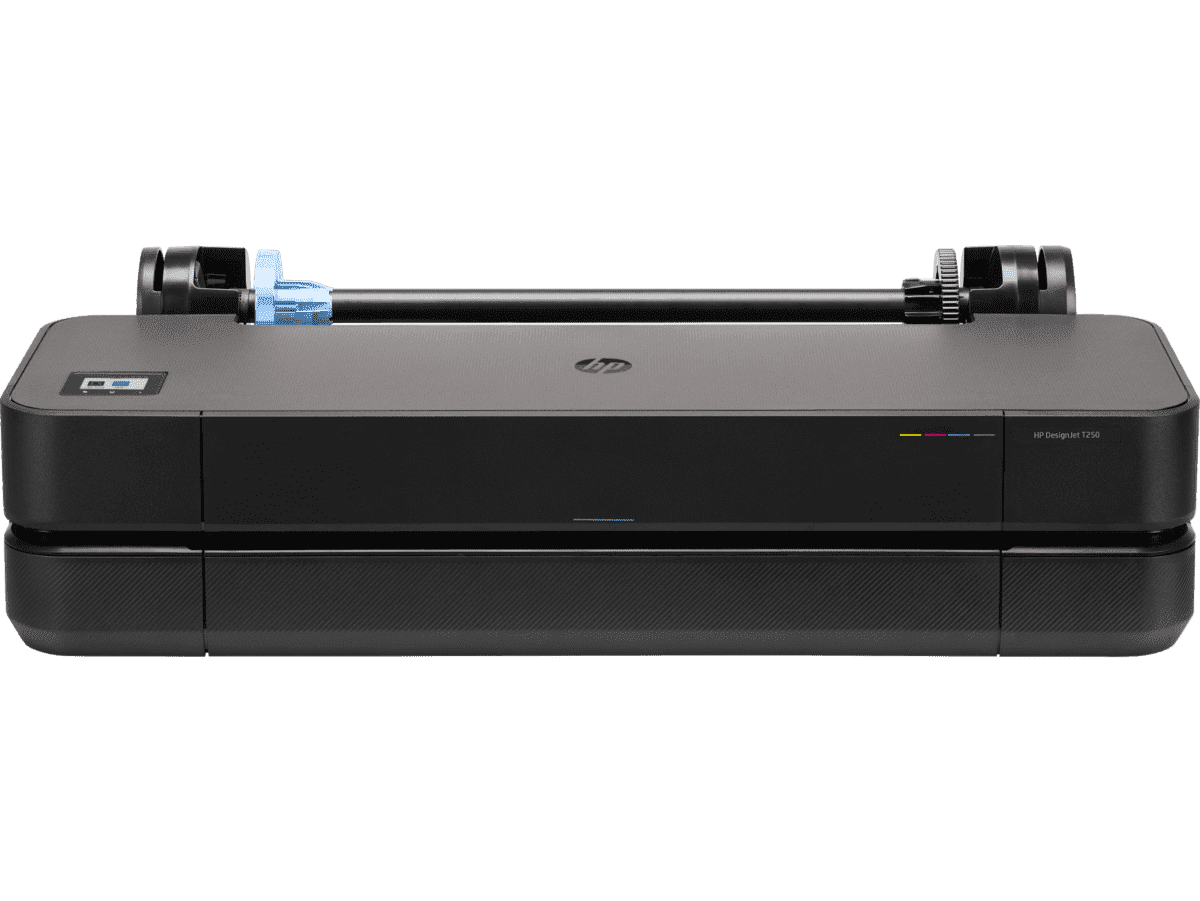
HP DesignJet T250 24-inch Compact Large Format A1 Plotter Printer + HP DesignJet T200/T600 Automatic Sheet Feeder + HP Installation Service for Design
A1 Colour HP DesignJet Large Format Printer, Perfect for Small Offices & Business Print 30 sec/page on A1; 76 A1 prints per hour USB, Ethernet, Wi-Fi Touchscreen; Automatic document feeder; Front USB flash drive port
MYR 5860.00MYR 4980.00Buy Now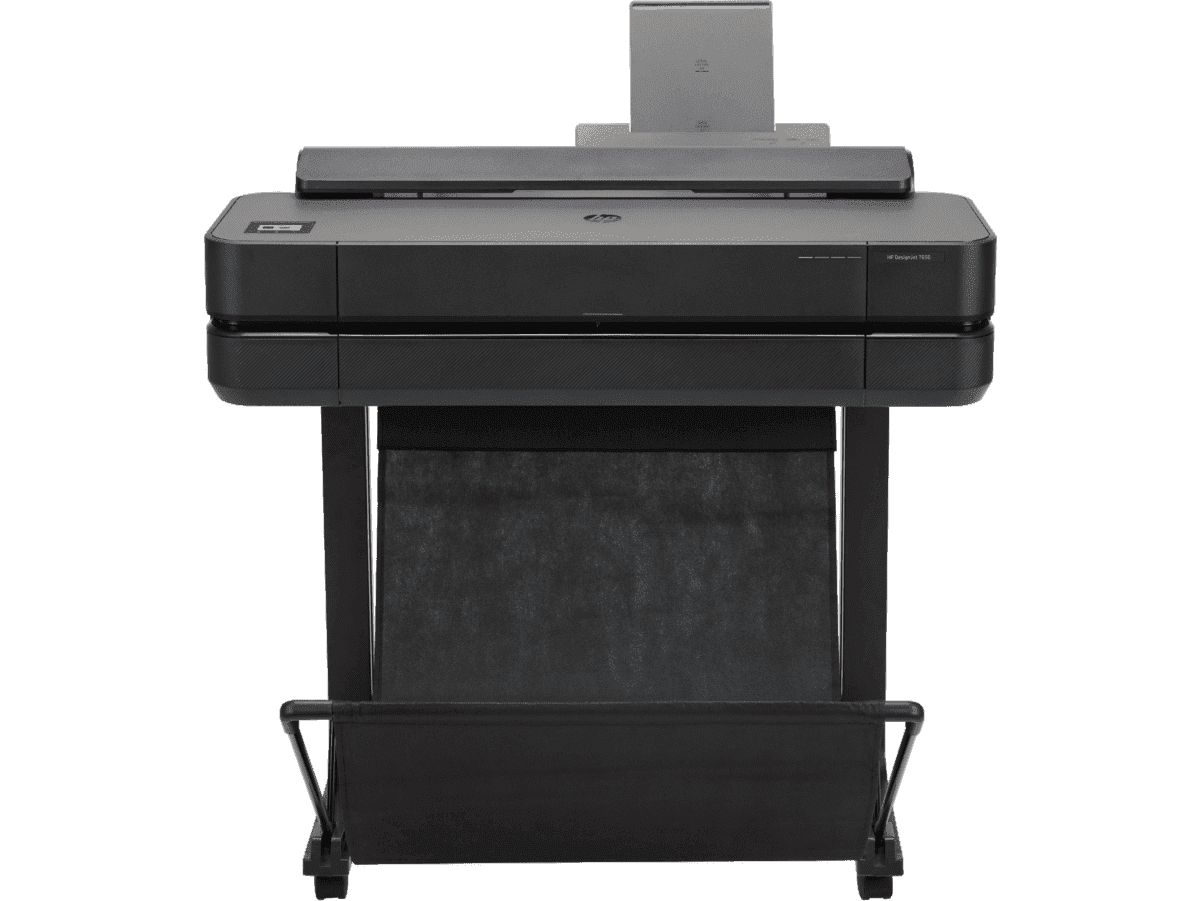
HP DesignJet T650 24-in Printer + HP Installation Service for DesignJet Series Entry Level (APJ)
A1 Colour HP DesignJet Large Format Printer, Perfect for Small Offices, Business & Enterprise Print 26 sec/page on A1; 81 A1 prints per hour Sheet feed, Roll feed, Automatic Sheet Feeder, Media Bin, Automatic Horizontal Cutter USB, Ethernet, Wi-Fi HP Click, HP Smartapp, HP Wolf Essential Security
MYR 8570.00MYR 6880.00Buy Now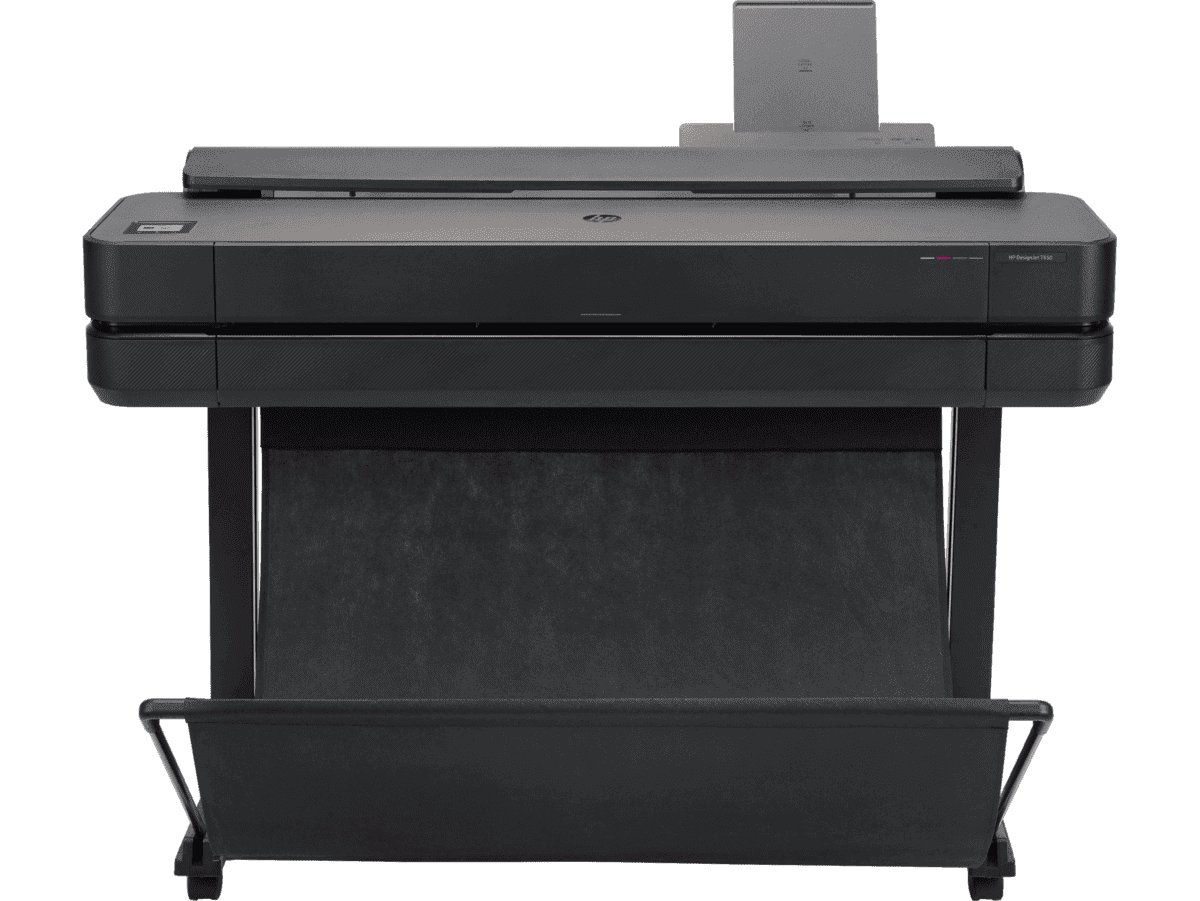
HP DesignJet T650 36-in Printer + HP Installation Service for DesignJet Series Entry Level (APJ)
A0 Colour HP DesignJet Large Format Printer, Perfect for Small Offices, Business & Enterprise Print Sheet feed, Roll feed, Automatic Sheet Feeder, Media Bin, Automatic Horizontal Cutter USB, Ethernet, Wi-Fi HP Click, HP Smartapp
MYR 11640.00MYR 9880.00Buy Now


