Blog
Filter categoryMarking Up and Revising Architectural Plans

Technical Printing
|3 Jun 2025
Although the digital transformation has reduced much of the need for paper, marking up and revising blueprints is still a big part of the design and construction industries. Printed plans are still the preferred solution for on-site communication. They don't require power and can be printed large enough for a team of workers to all reference at once. Developing clear blueprint markup patterns helps to avoid misunderstanding. In this article, we'll discuss how to annotate blueprints, both manually and digitally. Then, we'll explore how HP DesignJet printers make it easy to print, scan, and revise plans with precision.
Why Blueprint Markup Still Matters in the Digital Age
Markup of printed blueprints still serves very useful purposes when digital technologies still don't quite cut it.
The Role of Printed Plans in On-Site Collaboration
Physical blueprints are still irreplaceable on construction sites. They offer visual feedback without the need for power or an internet connection. With printed blueprints, teams can gather around a single document and discuss specifics about the plans. They are particularly useful in areas where dust or other inclement weather could damage electronic devices.
Combining Traditional Review With Digital Workflows
Digital workflows certainly have their place in the AEC industry. They make sharing, storing, and modifying permanent and archived versions of a blueprint much easier. Often, the initial reviews happen on printed blueprints, where people can gather around together. Then they can scan in the changes, creating a seamless bridge between digital and traditional workflows.
The Value of Clarity in High-Stakes Environments
Construction projects are high-stakes, with substantial investments in each project. Clear communication is essential to keep costs down and projects on track. A misinterpreted markup on a blueprint can result in expensive rework or even safety issues. But well-documented annotations provide clarity and accountability.
Blueprint Markup: Common Methods and Tools
In modern AEC environments, blueprint markup can come in both manual and digital forms.
Manual Annotation With Pens and Overlays
Manual markup relies on colour-coding systems made with permanent markers or coloured pencils. Often, transparent overlays are used to add annotations without permanently changing the original drawing. With this method, multiple revision layers can be made. Standard colour coding includes:
- Red for deletions or corrections
- Green for additions or new elements
- Blue for dimensions or measurements
- Yellow for notes or questions
Digital Markup on Scanned Plan Files
Before being printed or after being scanned, blueprints can be annotated using special software. Digital markup offers unlimited redos, great clarity, and the ability to turn annotations on or off to avoid clutter from irrelevant information. The HP DesignJet T830 multifunction printer has the ability to capture high-resolution scans of marked-up blueprints, streamlining the transition to digital.
Collaborative Review Using Cloud-Based Solutions
Collaboration has been greatly accelerated with digital technology and cloud solutions. Stakeholders can work together from multiple locations using digital files shared through the cloud. These systems track who makes changes and provide a comprehensive version history. They offer the ability to comment, approve, or request clarification.
Annotate Blueprints Digitally: When and Why

Let's further explore how digital annotation works and what benefits it brings:
Streamlining Revisions in Real Time
Digital annotation is instant. Teams working on tight deadlines or with stakeholders in many different locations benefit from the ability to make changes and share them in real time through digital means.
Improving Project Coordination With Digital Layers
Many different types of annotations are common when working with blueprints. Mechanical, electrical, plumbing, and structural comments are all common. Digital workflows let each of these be on separate layers, providing the information needed without clutter.
Archiving and Sharing Updates Efficiently
Digital annotations create a permanent, searchable record of all changes and discussions around each blueprint. Quality control and dispute resolution are much easier with this documentation available. It also streamlines knowledge transfer for team members who join mid-project.
Recommended Blueprint Editing Software for AEC Teams
There are several options for blueprint editing software:
Popular Tools Like Bluebeam, AutoCAD, and Adobe Acrobat
Bluebeam Revu is an industry standard for blueprint markup. It offers specialised tools for construction documentation. AutoCAD is another popular option, with seamless integration with existing CAD workflows. Finally, Adobe Acrobat is common for team members who don't have specialised software training.
Integrations With BIM and CAD workflows
Building Information Modelling platforms are tremendously useful for evaluating a design and the changes to it. Integration with these platforms allows annotations to inform model updates. Changes noted during field inspection can easily be taken into account in the master design documents.
Choosing the Right Platform for Your Firm's Needs
The options available range from the comprehensive to the simple. The one you choose depends on your team's technical proficiency and the project's complexity. For skilled team members, more comprehensive solutions are viable. But something like Adobe Acrobat is a better choice for teams with minimal specialised training.
Printing Updated Blueprints With HP DesignJet Plotters
HP DesignJet plotters make excellent machines for printing marked-up blueprints.
High-Resolution Output for Precise Markup Visibility
HP DesignJet plotters deliver exceptional print quality. Even the finest details of your architectural drawings will be reproduced clearly and legibly. This makes the DesignJet series invaluable for complex plans or small-scale annotations.
Fast Turnaround for Revised Drawings On-Site
A modern plotter is capable of printing at rapid speeds. Teams can quickly get updated plans after making changes. This minimises the downtime of waiting for new prints to finish and keeps project momentum going in the right direction.
Scanning and Reprinting Annotated Plans
Multifunction HP DesignJet models combine scanning and printing capabilities, making it possible to capture manual annotations and incorporate them into revised documents from one device. This streamlines the bridge between physical and digital markup workflows.
Best Practices for Revising and Reissuing Printed Plans
To get the best results when revising and reissuing printed plans, follow the best practices below:
- Version control: Clearly identify each revision in the title block with version number, date, and a description of the changes.
- Use colour-coding: Establish a consistent colour scheme for different types of annotation and train all team members on it.
- Establish a standard protocol: Develop a standard for blueprint annotations, including symbols, abbreviations, and markup methods.
Keep Your Project on Track With Smart Markup Practices
Effective blueprint markup practices combine the best of traditional and digital methods. They create clear communication channels for all stakeholders. By creating consistent protocols and leveraging the right tools, AEC professionals can ensure their design intent is translated accurately through every project phase.
Ready to upgrade your blueprint printing and scanning capabilities? Get a great deal on a new plotter with our HP DesignJet Promo.
Explore plotter printers for your needs
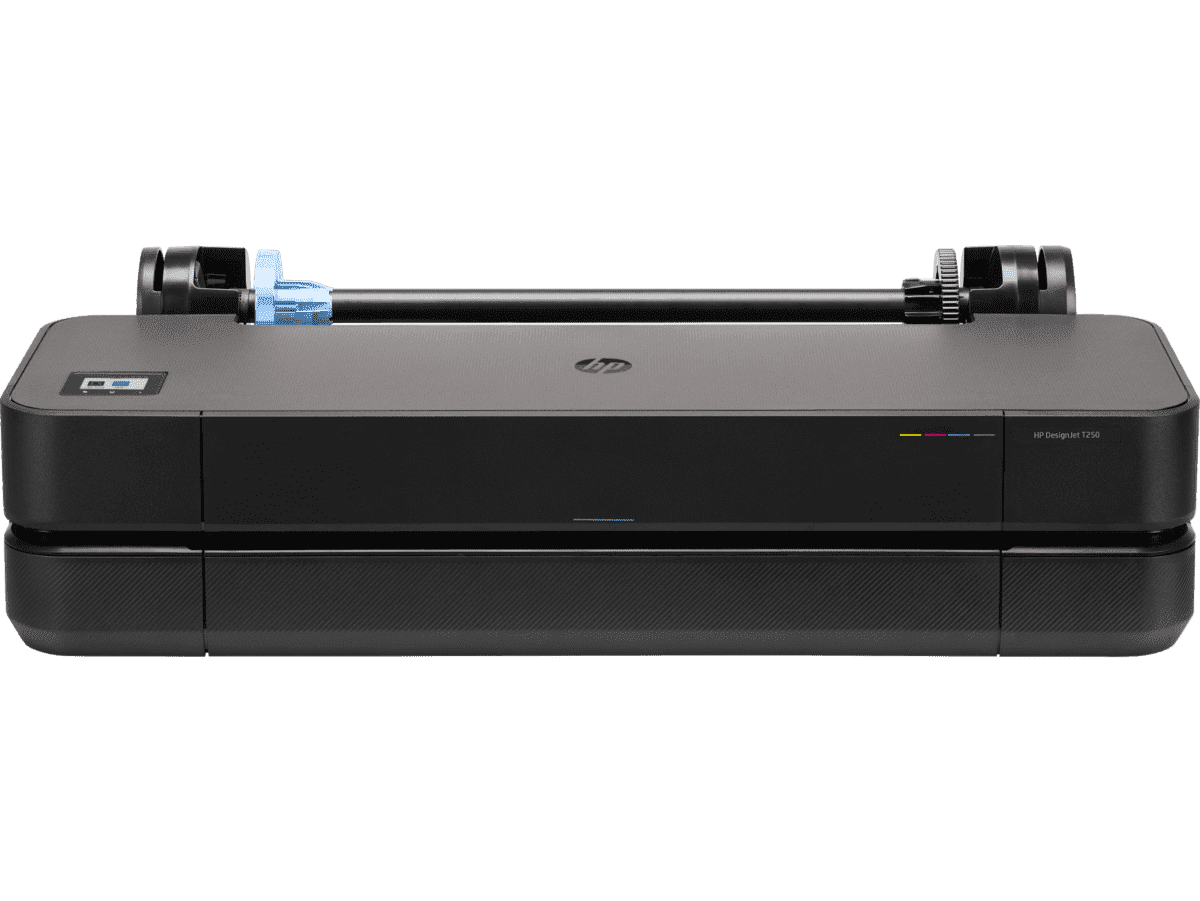
HP DesignJet T250 24-inch Compact Large Format A1 Plotter Printer + HP DesignJet T200/T600 Automatic Sheet Feeder + HP Installation Service for Design
A1 Colour HP DesignJet Large Format Printer, Perfect for Small Offices & Business Print 30 sec/page on A1; 76 A1 prints per hour USB, Ethernet, Wi-Fi Touchscreen; Automatic document feeder; Front USB flash drive port
MYR 5860.00MYR 4980.00Buy Now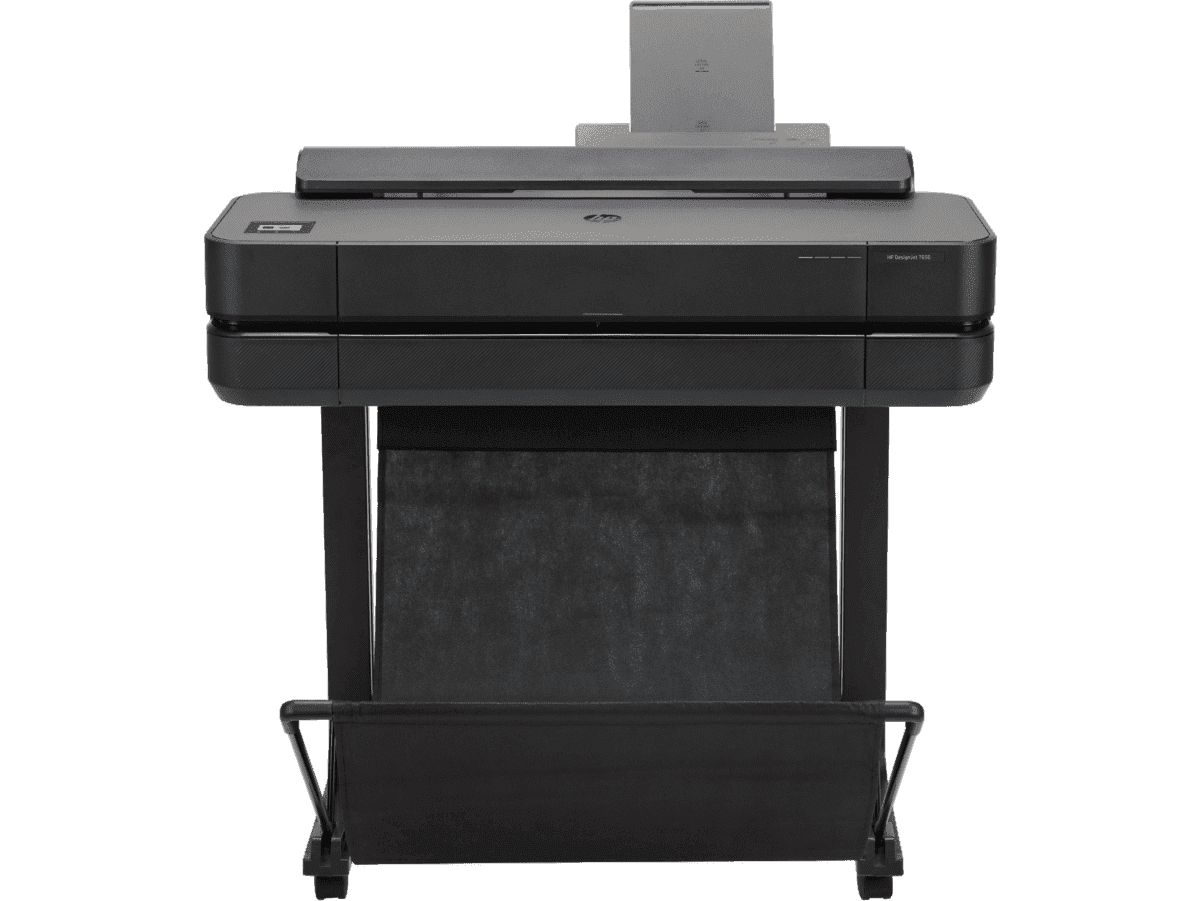
HP DesignJet T650 24-in Printer + HP Installation Service for DesignJet Series Entry Level (APJ)
A1 Colour HP DesignJet Large Format Printer, Perfect for Small Offices, Business & Enterprise Print 26 sec/page on A1; 81 A1 prints per hour Sheet feed, Roll feed, Automatic Sheet Feeder, Media Bin, Automatic Horizontal Cutter USB, Ethernet, Wi-Fi HP Click, HP Smartapp, HP Wolf Essential Security
MYR 8570.00MYR 6880.00Buy Now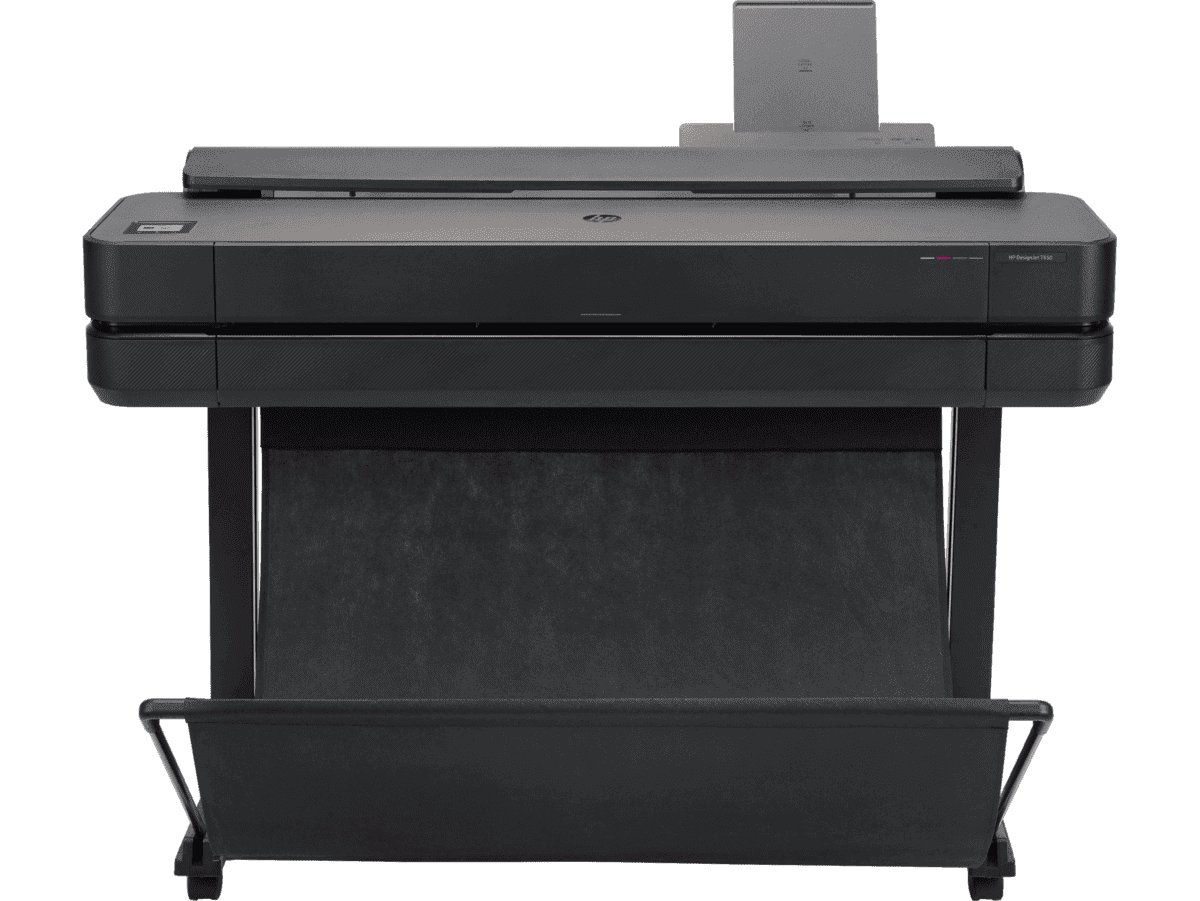
HP DesignJet T650 36-in Printer + HP Installation Service for DesignJet Series Entry Level (APJ)
A0 Colour HP DesignJet Large Format Printer, Perfect for Small Offices, Business & Enterprise Print Sheet feed, Roll feed, Automatic Sheet Feeder, Media Bin, Automatic Horizontal Cutter USB, Ethernet, Wi-Fi HP Click, HP Smartapp
MYR 11640.00MYR 9880.00Buy Now


