Blog
Filter categoryRemote printing for efficient AEC workflows
Technical Printing
|20 Nov 2025
Projects in the AEC industry require communication and cooperation across multiple teams and stakeholders, making document management and efficient workflows crucial for success. When design teams, construction professionals, and stakeholders share the same data, effective document management is central to reducing project confusion. But traditional printing often fails to serve the diverse work environment of the AEC industry, leading to delays, higher costs, and security issues. Remote printing eliminates many of these issues by allowing teams to print from anywhere. The improved workflow enhances collaboration and security while reducing cost and environmental impact. This guide shares everything you need to know about remote printing in the AEC industry. It includes practical tips for implementing and optimising remote printing to help AEC firms stay competitive.
Understanding Remote Printing
Remote printing allows individuals and teams to share documents from different locations in the same building or anywhere around the globe. In the AEC industry, where stakeholders and teams located in various locations perform tasks related to the same project, the improved printing process saves time and enhances communication.
What Is Remote Printing?
Remote printing is the process of sending a print job from a device, such as a computer, tablet, or phone, to a printer that isn't directly connected to the device. The process is made possible through a wireless connection that enables the user to transfer the print job from their location to the printer. This can be achieved via a local Wi-Fi network, email attachments, or app-document sharing.
Types of Remote Printing Solutions
Advancements in technology enable AEC professionals to choose from various methods to send files for remote printing. The most commonly used options include:
- Cloud-based printing: Cloud printing services, such as Google Cloud Print, Apple AirPrint, and HP ePrint, allow users to send print jobs to a cloud-connected printer from any location with internet access. Both the device and printer require internet access, but they don't need to be connected to the same network, allowing users to print from anywhere.
- Mobile printing: Mobile apps that support remote printing enable users to send a print job from an app on their device to a printer that uses the same app. The HP Smart App enables users to print from virtually anywhere with HP plotters, allowing them to scan and send documents or upload changes to online repositories or BIM systems.
- Networked printing: Many modern printers allow for remote printing via devices on the same network. However, this option usually requires users to be relatively close to the printer.
Benefits of Remote Printing for AECs
AEC projects require multiple parties working in different locations to collaborate and share ideas in real time. Traditional printing methods require users to save files and documents, which can lead to data loss and poor file version control. Remote printing eliminates these issues by allowing users to print instantly from any location. The process offers substantial benefits to improve AEC workflows.
Enhanced Collaboration
AEC projects are constantly evolving, making communication essential for keeping all stakeholders informed. Real-time document sharing allows AEC professionals to seamlessly share and exchange digital and physical files, improving project coordination.
Increased Productivity
AEC workflows require multiple teams to work from different locations on a singular project. Remote printing enables teams to collaborate with instant, detailed information exchange, reducing downtime from physical document transfers or errors caused by poor document management. Real-time access to the most up-to-date files promotes faster approvals, allowing teams to complete projects on time and within budget.
Cost Savings
Remote printing depends largely on digital sharing, reducing the need for on-site hardware and excess printing requirements. Digital document transfers reduce paper and ink usage, decreasing printer requirements and lowering maintenance costs.
Security and Compliance
Protecting sensitive project data is a priority for AEC firms during every project. Remote printing apps and cloud-based printing services have advanced security features, such as encryption and user authentication, keeping information safe and helping teams effortlessly comply with industry standards.
Best Practices for Remote Printing in AEC
While remote printing tackles many of the issues that come with traditional printing, careful planning and effort are necessary to avoid potential complications. From easy accessibility to stringent security and seamless workflows, these tips can help you recognise all the advantages remote printing has to offer.
Document Management
Proper document management ensures security, reduces errors related to version control, and improves productivity by making documents easily accessible. These best practices can help AEC firms avoid costly mistakes:
- Name files and folders in a consistent manner
- Make documents and signatures traceable
- Create and enforce standardised workflows
- Establish a clear hierarchy for storing digital files
- Choose document management software that aligns with your organisational needs
Security Measures
While remote printing improves convenience, it can also make information more susceptible to interception. Careful security measures are crucial for avoiding data theft, breaches, and the introduction of malware. Reduce the security risks of remote printing with strong access control procedures based on the principle of least privilege that require at least two ID factors for user authentication. Ensure shared documents remain inaccessible to bad actors with programs and tools that support data encryption. HP Wolf Security is built into HP devices for stronger endpoint security during remote printing.
Optimising Print Jobs
Remote printing diminishes delays and improves productivity. But when print jobs come from multiple locations, optimisation is crucial. These tips can help reduce confusion and ensure high-priority jobs print without delay.
- Schedule print jobs by priority.
- Time non-urgent jobs for off-peak hours using scheduling software.
- Use clearly defined criteria for high-priority jobs.
- Provide a centralised dashboard where administrators can manage all queues, devices, and user access.
Environmental Considerations
Remote printing reduces the need for the physical transportation of documents and can decrease printing needs through the use of digital documents. AEC firms can also take additional steps to implement environmentally friendly practices. Tracking paper and ink use can help you recognise wasteful practices. Careful labelling, accurate printer setup, and the use of print preview options reduce paper waste. Choosing the right wide format printer or wireless plotter can also reduce your company's carbon footprint with built-in energy features.
Enhance Your AEC Firm's Workflow Efficiency With the Right Remote Printing Solution
Whether AEC teams are working on-site, across multiple office locations, or from home, remote printing makes it easier for team members to collaborate and share information in real time. Along with seamless workflows, AEC firms depend on high-quality printers to produce detailed documents and construction prints. HP has long been a leader in providing cutting-edge printers and plotters that support the needs of the AEC industry. Contact us today to learn more about how HP printers and plotters support remote printing and find the right solution to increase your firm's workflow efficiency.
Explore plotter printers for your needs

HP DesignJet T850 36-in Multifunction Printer + HP Installation Service for DesignJet Series Entry Level (APJ)
A0 Color HP DesignJet Large Format Printer, Perfect for Business Print, copy, scan Dynamic security enabled printer 25 sec/page on A1 Ethernet, Wi-Fi Touchscreen, Automatic document feeder, Front USB flash drive port, Scan to PDF
MYR 18365.00MYR 17480.00Buy Now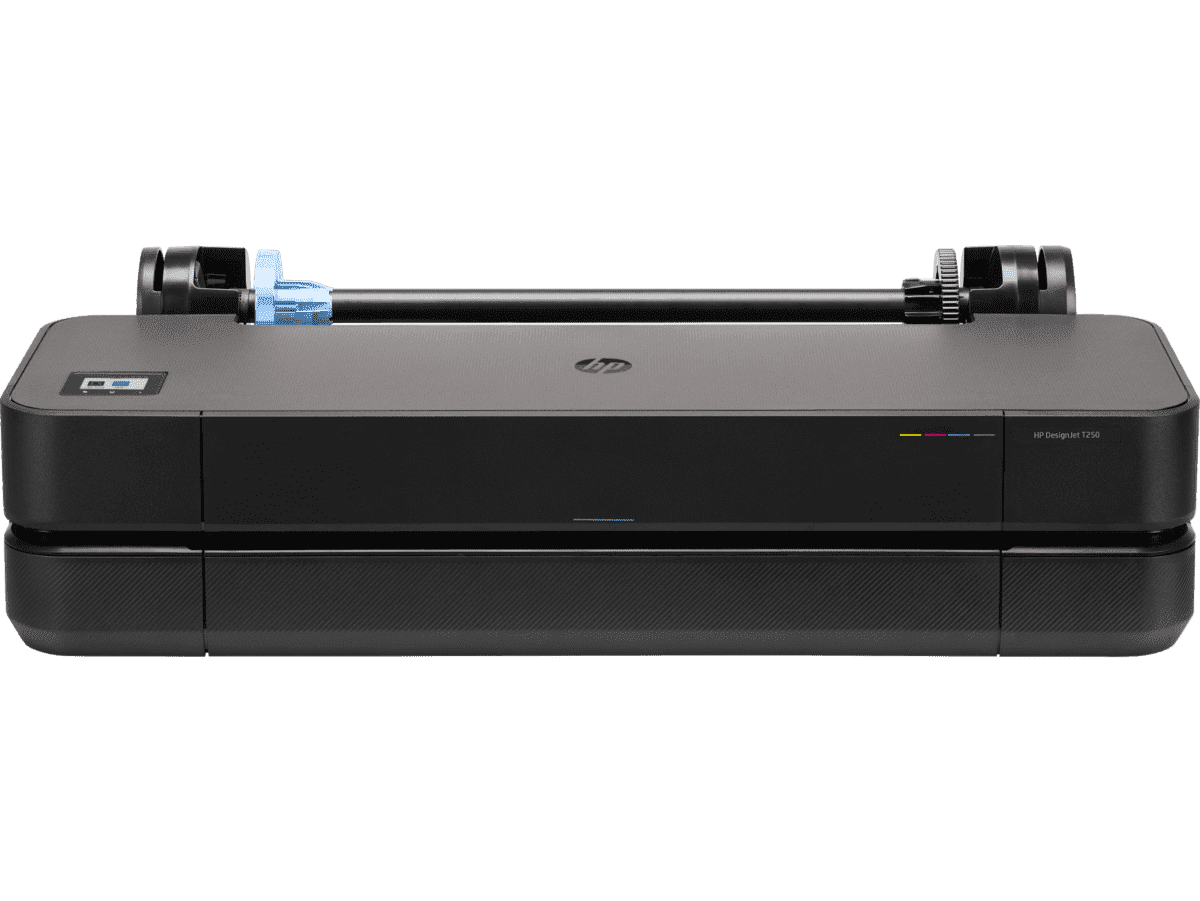
HP DesignJet T250 24-inch Compact Large Format A1 Plotter Printer + HP DesignJet T200/T600 Automatic Sheet Feeder + HP Installation Service for Design
A1 Colour HP DesignJet Large Format Printer, Perfect for Small Offices & Business Print 30 sec/page on A1; 76 A1 prints per hour USB, Ethernet, Wi-Fi Touchscreen; Automatic document feeder; Front USB flash drive port
MYR 5860.00MYR 4980.00Buy Now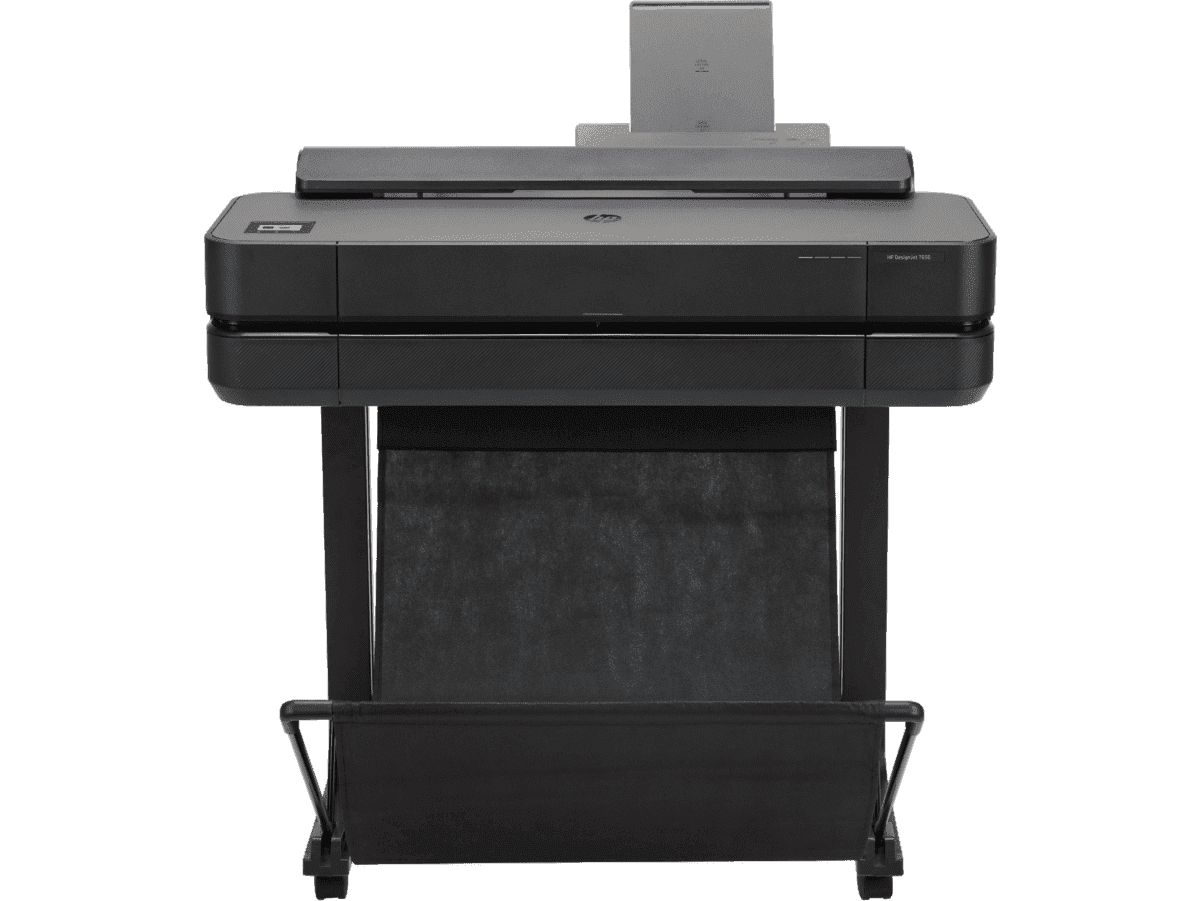
HP DesignJet T650 24-in Printer + HP Installation Service for DesignJet Series Entry Level (APJ)
A1 Colour HP DesignJet Large Format Printer, Perfect for Small Offices, Business & Enterprise Print 26 sec/page on A1; 81 A1 prints per hour Sheet feed, Roll feed, Automatic Sheet Feeder, Media Bin, Automatic Horizontal Cutter USB, Ethernet, Wi-Fi HP Click, HP Smartapp, HP Wolf Essential Security
MYR 8570.00MYR 6880.00Buy Now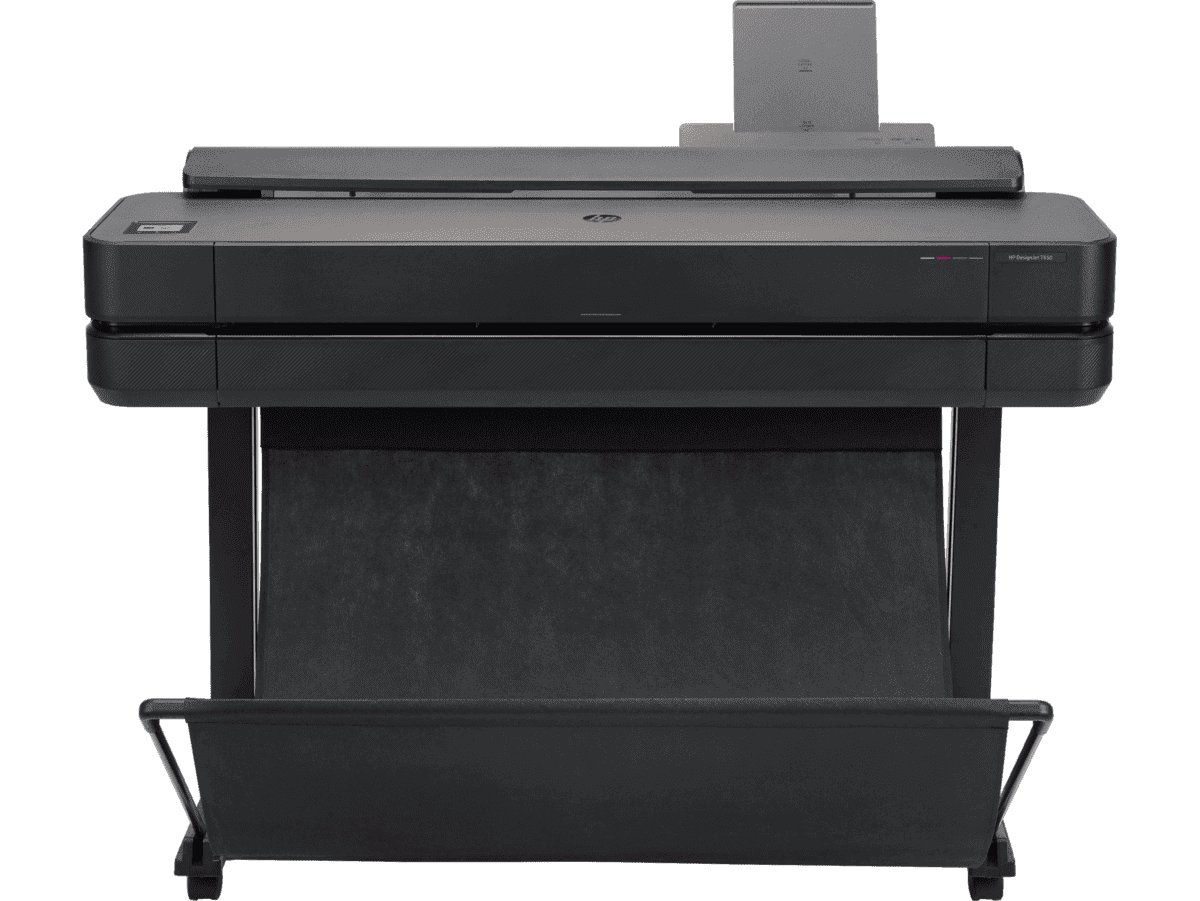
HP DesignJet T650 36-in Printer + HP Installation Service for DesignJet Series Entry Level (APJ)
A0 Colour HP DesignJet Large Format Printer, Perfect for Small Offices, Business & Enterprise Print Sheet feed, Roll feed, Automatic Sheet Feeder, Media Bin, Automatic Horizontal Cutter USB, Ethernet, Wi-Fi HP Click, HP Smartapp
MYR 11640.00MYR 9880.00Buy Now


