Blog
Filter categoryCut Printing Costs for Malaysian AEC Firms

Technical Printing
|24 Feb 2026
Reducing High-Volume Printing Costs in Malaysian AEC

AEC firms managing tenders, approvals, and construction delivery in Malaysia can't avoid high-volume printing—or high-volume printing costs. Large blueprint runs can involve hundreds of drawings and multiple submission sets, often under tight deadlines. These conditions can quickly drive high-volume printing costs higher than expected. Many firms merely accept the costs as part of doing business without a clear understanding of where they originate.
In reality, high-volume printing costs are almost always driven by a small number of repeat issues. Reprints, inefficient ink usage, and unmanaged print workflows drive print costs much higher than they should be for a lot of firms. By identifying these issues and improving print practices, AEC firms make tender printing and blueprint production more affordable without any loss of accuracy or reduction in compliance.
Where High-Volume Printing Costs Come From in AEC Projects
AEC projects involve multiple stages of documentation, and each one needs physical copies for different stakeholders. Initial design submissions, authority approvals, contractor tender packages, and as-built documentation all add up. They create cumulative print volumes that span months or even years.
Most AEC printing is done on large-format plotters, which differ significantly from standard office printing. Blueprint printing relies on specialised wide-format plotters, higher-grade media, and larger ink cartridges that come with premium pricing. Many AEC firms only calculate the per-sheet cost of printing, failing to account for setup time, material waste, or equipment maintenance. This underestimates total expenses by as much as thirty to forty per cent.
Submission requirements add unique challenges for Malaysian AEC firms. Local authorities often require specific formats, paper weights, and binding methods. But this makes cost-saving techniques like digital submissions or reduced-scale prints impossible. These requirements mean that efficiency requirements are the only way to guarantee cost savings.
Why Tender Printing Drives Up Print Volumes and Expenses
Tender printing requires complete documentation sets distributed to multiple bidders simultaneously. That requirement makes it one of the highest-cost printing activities in the AEC workflow. A typical infrastructure tender might require fifteen sets of identical drawings and supporting documents, each with hundreds of pages of technical content.
Tendering is competitive, which creates a time pressure that only adds to the high-volume printing costs. As tender deadlines approach, firms often place speed before efficiency, opting to pay extra for express printing services or overtime production that makes the job more expensive. Worse, the urgency can lead to over-printing of some documents while leading project managers to miss others entirely.
The need for professional presentation further drives up tender printing costs. Bidders expect clear linework, accurate colours, and durable binding that holds up during repeated handling. Given these requirements, cheaper printing options aren't possible.
How Reprints and Late Revisions Increase Blueprint Printing Costs
Reprints caused by drawing revisions are easily the most avoidable obstacle to affordable blueprint printing. When design changes occur after the initial printing, all affected sheets must be reprinted and distributed. When there are dozens of contractors and consultants working on a large project, this triggers hundreds of sheets that need reprinting for a single revision.
The timing of these revisions can drive costs even higher. Changes identified during the printing process can be incorporated without full reprints, but revisions that come after distribution require complete replacement sets. Worse, these late reprints often come at the cost of rush fees, courier charges, and administrative overhead.

Ink Consumption and Its Impact on High-Volume Printing Costs
Ink is the largest variable expense in large format printing, often adding up to sixty to seventy per cent of total material costs. Blueprint printing uses a lot more ink than a typical office document does, as technical drawings are made up of dense linework, filled areas for site plans, and colour-coded systems that require full CMYK coverage across large sheets.
Equipment maintenance cycles and print head cleaning operations required by modern plotters also introduce ink waste. While these automatic processes consume ink, they don't produce billable output, creating a hidden cost to every print job. For firms that are continuously printing at high volume, maintenance-related ink consumption can add up quickly.
How Inefficient Print Workflows Create Hidden Costs
Workflow inefficiencies introduce costs that go beyond direct printing expenses. For example, they can add unnecessarily to staff time, equipment utilisation, and project delays. Not every AEC standardises their printing process, which means that every job requires custom setup, file preparation, and quality verification that consumes valuable staff hours.
Inefficiencies in batching impact tender printing operations where multiple projects compete for limited plotter time. When firms don't coordinate their scheduling, urgent jobs interrupt longer runs. This then causes setup waste and leaves incomplete job files needing to be requeued. This reduces overall equipment productivity and increases turnaround times, making the need for expensive expedited services more likely.
File management problems introduce additional hidden high-volume printing costs when they require files to be repaired before printing. Outdated xref paths, missing fonts, and incompatible PDF versions always delay printing and sometimes result in incorrect prints that must be discarded and reprinted.
Reducing High-Volume Printing Costs Without Sacrificing Accuracy
Modern large-format plotters, like the HP DesignJet, address these core cost drivers. These wide-format printers deliver consistent line quality and colour accuracy that reduces the need for reprints while also offering efficient ink usage.
Modern DesignJet models include workflow automation tools that standardise file processing and reduce setup time between jobs. These models also integrate directly with common AEC software platforms, further reducing file management issues. Through automated batch processing, firms can efficiently queue multiple tender sets, eliminating scheduling conflicts that lead to rush fees and overtime costs.
The precision engineering HP puts into the DesignJet line of plotters also minimises media waste with accurate sheet feeding and cutting mechanisms. Combined with high-capacity ink systems that reduce the frequency of ink replacements, these plotters help keep blueprint expenses down while still delivering the professional quality Malaysian authorities and tender evaluators demand.
There's never been a better time for your AEC to experience the cost-saving benefits of an HP DesignJet printer. Act now to take advantage of . Get a great deal on a plotter that will reduce your operating costs.
Explore plotter printers for your needs
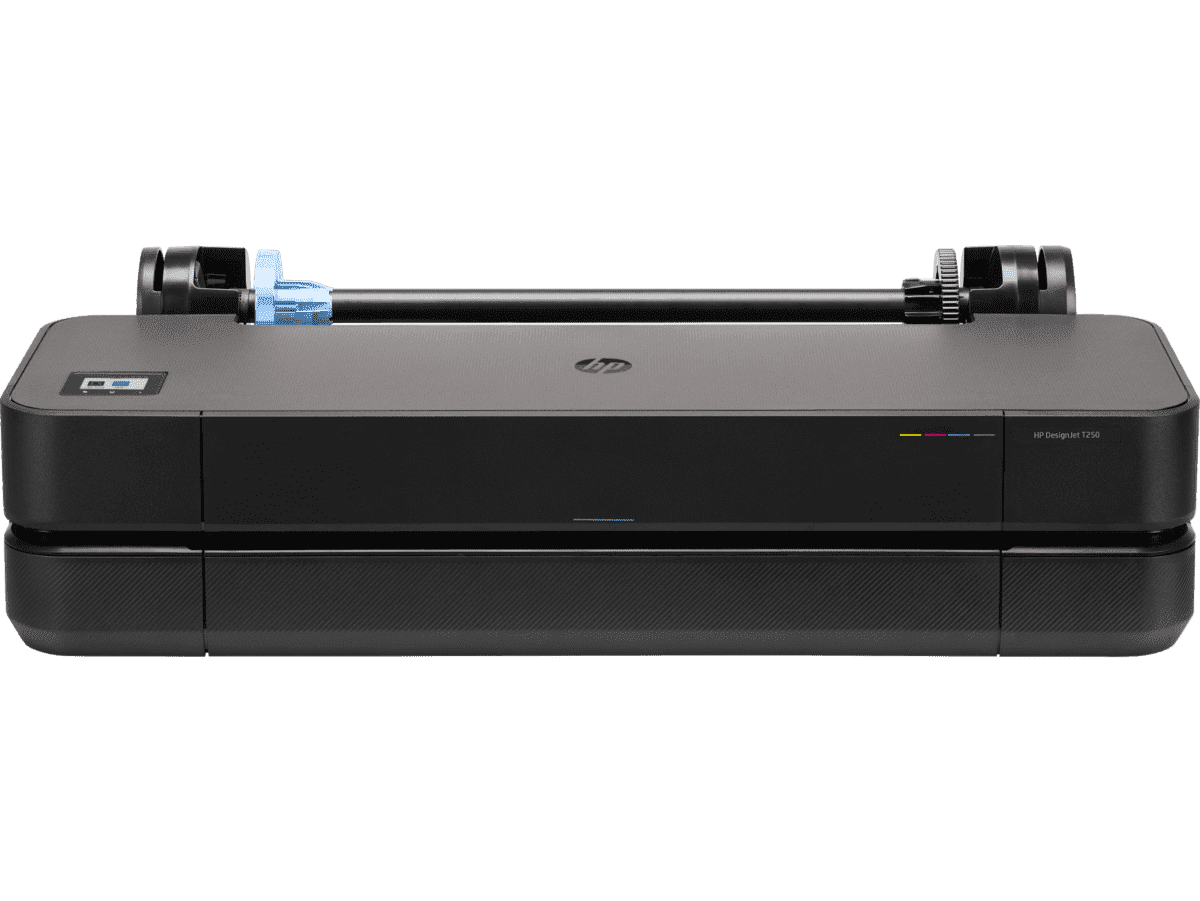
HP DesignJet T250 24-inch Compact Large Format A1 Plotter Printer + HP DesignJet T200/T600 Automatic Sheet Feeder + HP Installation Service for Design
A1 Colour HP DesignJet Large Format Printer, Perfect for Small Offices & Business Print 30 sec/page on A1; 76 A1 prints per hour USB, Ethernet, Wi-Fi Touchscreen; Automatic document feeder; Front USB flash drive port
MYR 5860.00MYR 4980.00Buy Now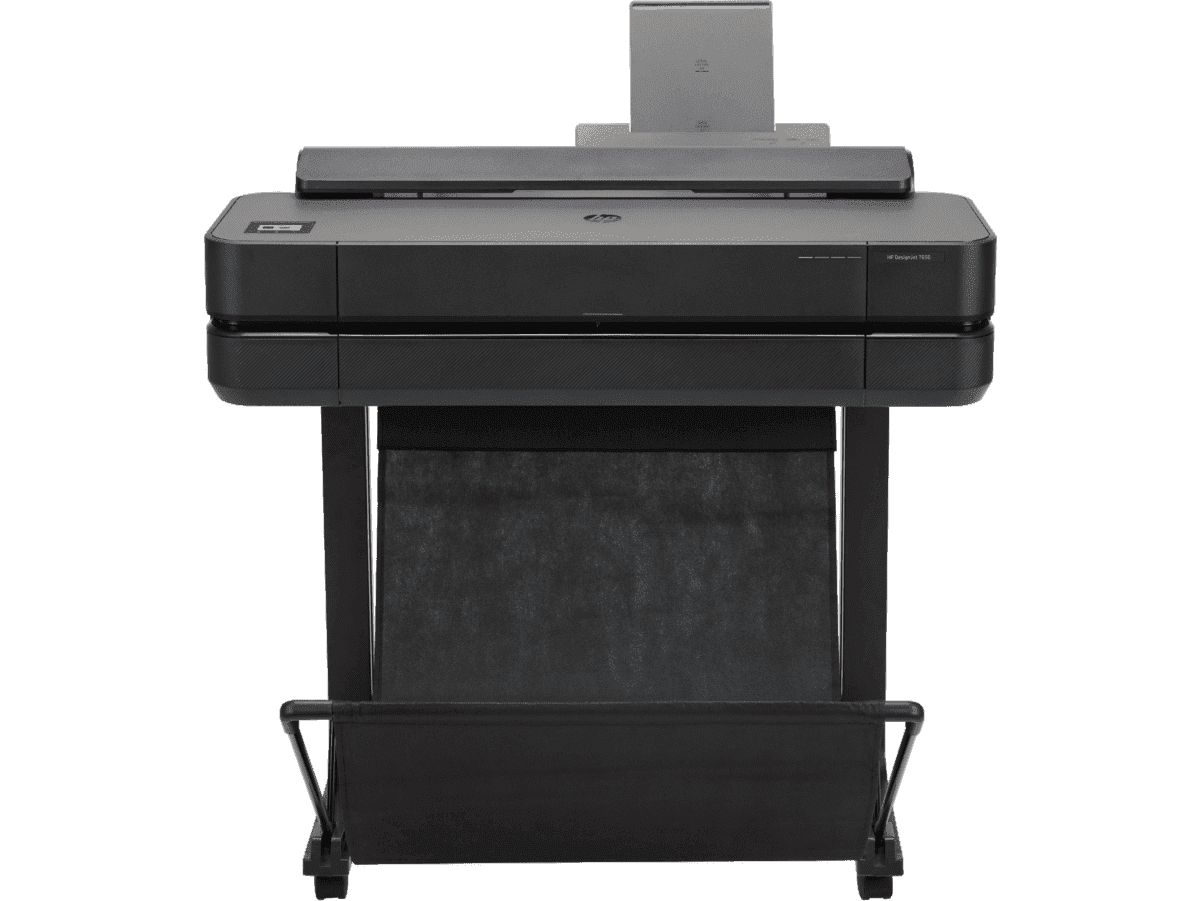
HP DesignJet T650 24-in Printer + HP Installation Service for DesignJet Series Entry Level (APJ)
A1 Colour HP DesignJet Large Format Printer, Perfect for Small Offices, Business & Enterprise Print 26 sec/page on A1; 81 A1 prints per hour Sheet feed, Roll feed, Automatic Sheet Feeder, Media Bin, Automatic Horizontal Cutter USB, Ethernet, Wi-Fi HP Click, HP Smartapp, HP Wolf Essential Security
MYR 8570.00MYR 6880.00Buy Now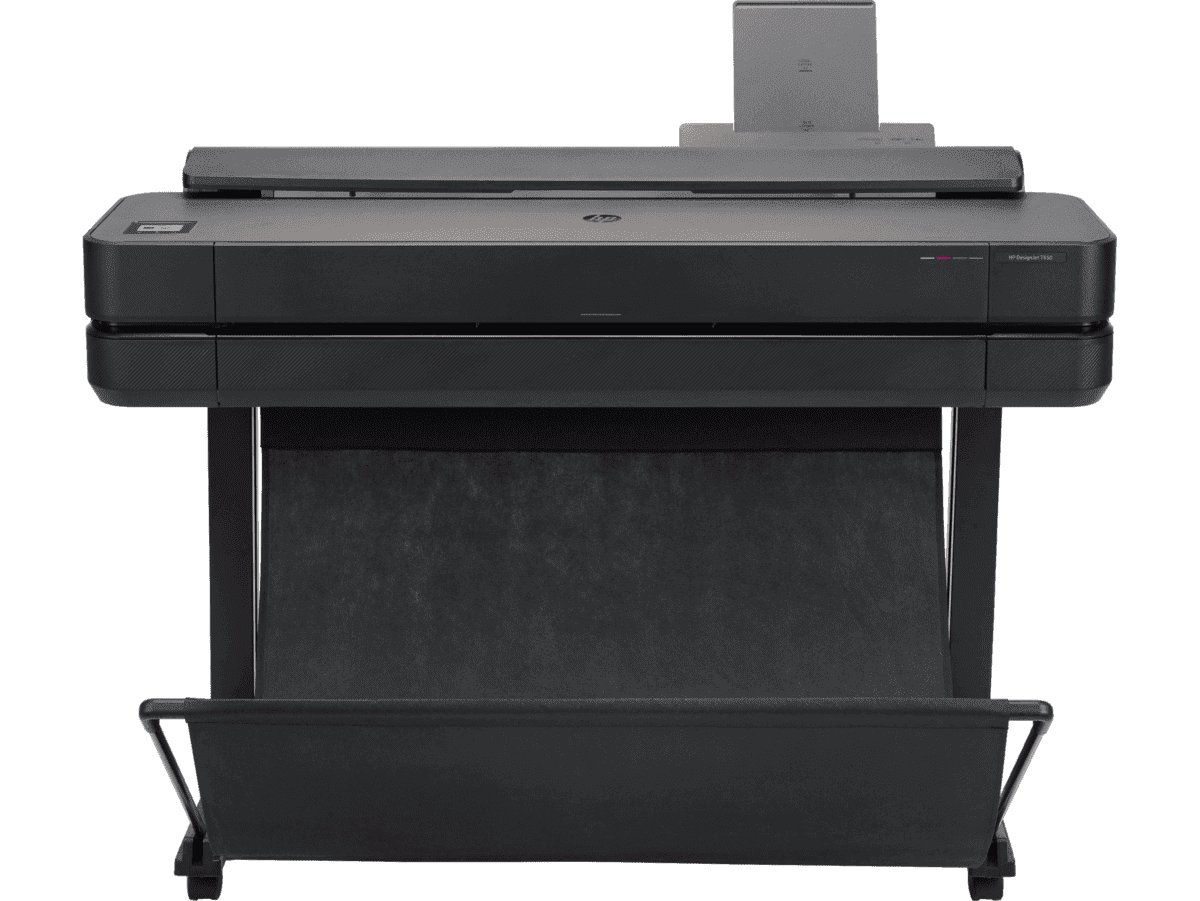
HP DesignJet T650 36-in Printer + HP Installation Service for DesignJet Series Entry Level (APJ)
A0 Colour HP DesignJet Large Format Printer, Perfect for Small Offices, Business & Enterprise Print Sheet feed, Roll feed, Automatic Sheet Feeder, Media Bin, Automatic Horizontal Cutter USB, Ethernet, Wi-Fi HP Click, HP Smartapp
MYR 11640.00MYR 9880.00Buy Now


