Blog
Filter categoryPaper sizes for blueprints, construction and house plans

Technical Printing
|11 ene 2023
Although building sizes and shapes can vary widely, the blueprint paper size upon which each plan is drawn must comply with Malaysian standards. In Malaysia, projects must also adhere to local standards and regulations, ensuring all construction plans align with regional building codes.
This guide discusses the drawings needed for constructing a home and the correct house plan paper size requirements for those various drawings.
Key Blueprint Drawings for Construction Projects
Architectural drawings include more than a floor plan. They include site, landscape, as-built, cross-section, and elevation plans. Each drawing provides essential detail for approval and construction. For construction projects in Malaysia, site and elevation plans must consider factors like tropical climate and rainfall, which can impact building design and positioning. Construction plans often accompany architectural drawings. These detailed plans show electrical, HVAC, and plumbing details for home construction.
Architectural drawings use a standard measurement for floor plans of a building based on the aspect ratio. Most house plans use a metric scale of 1:150 or 1:100 instead of the eighth- or quarter-inch US scale. Standard construction plans print on A1, A2, and A3 paper sizes.
Floor Plans
Site Plans
Cross-Section Drawings
Landscape Drawings
Elevation Drawings
Excavation Drawings
Construction Drawings
As-Built
What Are the Standard Blueprint Paper Sizes?

India follows the ISO standard for paper sizes. These are designated as the A series, beginning with A0 through A10.
Architectural Paper Sizes
Engineering Paper Sizes
How to Choose the Right Paper Size for Your Project
Selecting the correct paper size is crucial for ensuring that your blueprints, construction plans, or architectural drawings are clear, detailed, and easy to understand. When deciding, consider the following factors:
Project Type and Detail: For highly detailed plans, such as electrical or structural drawings, larger formats like A1 or A0 provide ample space for intricate designs. Smaller projects, like room layouts or component plans, may be suitable for A3 or A2.
Viewing Distance and Purpose: If the plans will be displayed for a group or used on-site, larger formats help maintain visibility. For individual reference or documentation, smaller paper sizes can be more practical.
Printing Costs and Efficiency: Larger formats typically cost more to print. Assess the number of copies and project budget to balance cost and readability. Bulk printing on efficient plotter printers can save time and resources, especially for large construction projects.
Standards and Compliance: Always check local industry standards. In Malaysia, adhering to ISO standard sizes (A series) ensures consistency across different types of construction and engineering documentation, facilitating easier review and collaboration.
Choosing the right paper size ultimately depends on the specifics of your project. By considering these factors, you can ensure your plans are both functional and professionally presented.
At a minimum, three sets of drawings with the right blueprint paper size should be created: one each for the owner, the architect, and the approval board. With the increasing demand for infrastructure projects across cities like Kuala Lumpur and Penang, having access to precise and reliable blueprint printing services is essential for Malaysian developers. Once approved, additional sets will be needed for contractors and subcontractors. Whether you need multiple copies or just one, contact us to discuss your printing needs. We have the resources to help you print large format paper sizes.
Download our eBook now and discover how innovation is streamlining workflows, producing prints of unmatched quality and increasing IT efficiency like never before.
Download eBook nowExplore plotter printers for your needs

HP DesignJet T850 36-in Multifunction Printer + HP Installation Service for DesignJet Series Entry Level (APJ)
A0 Color HP DesignJet Large Format Printer, Perfect for Business Print, copy, scan Dynamic security enabled printer 25 sec/page on A1 Ethernet, Wi-Fi Touchscreen, Automatic document feeder, Front USB flash drive port, Scan to PDF
MYR 18365.00MYR 17480.00Buy Now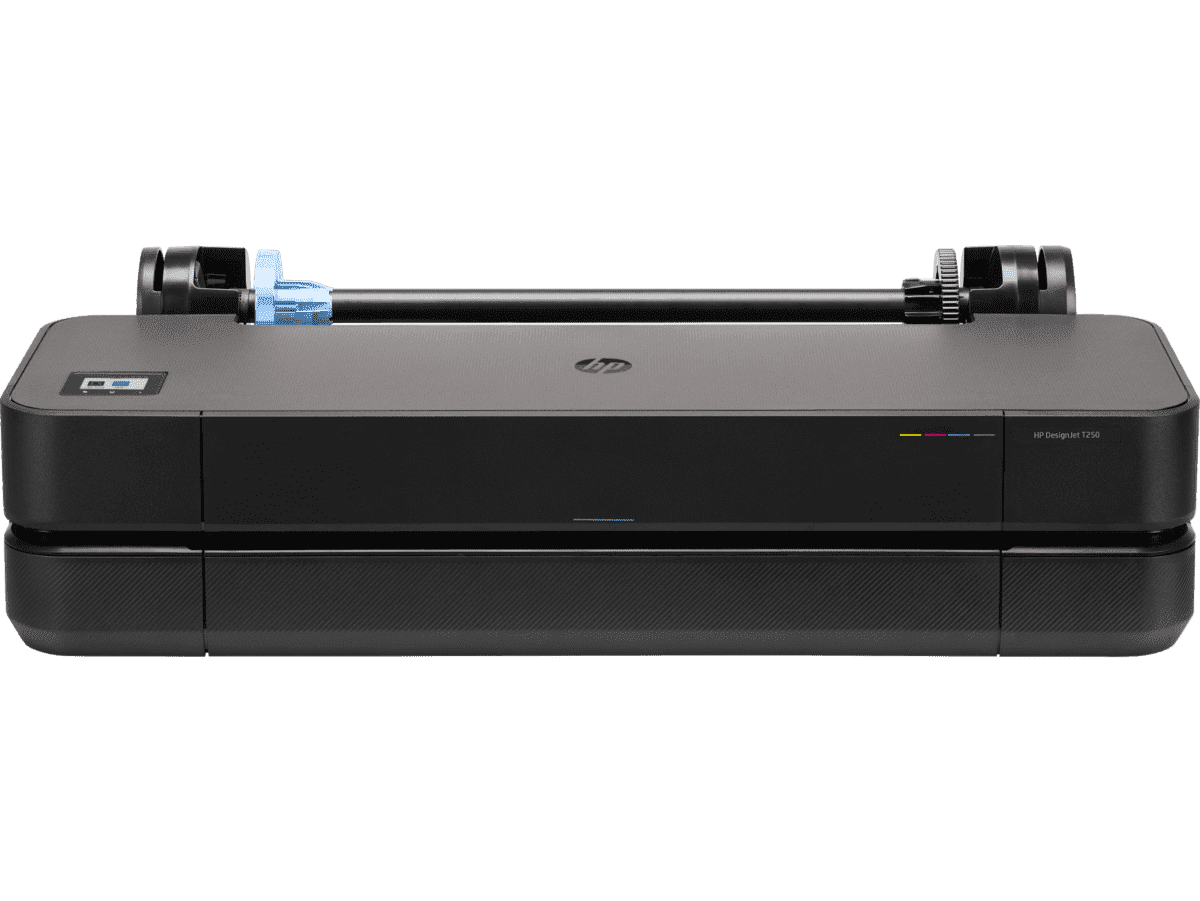
HP DesignJet T250 24-inch Compact Large Format A1 Plotter Printer + HP DesignJet T200/T600 Automatic Sheet Feeder + HP Installation Service for Design
A1 Colour HP DesignJet Large Format Printer, Perfect for Small Offices & Business Print 30 sec/page on A1; 76 A1 prints per hour USB, Ethernet, Wi-Fi Touchscreen; Automatic document feeder; Front USB flash drive port
MYR 5860.00MYR 4980.00Buy Now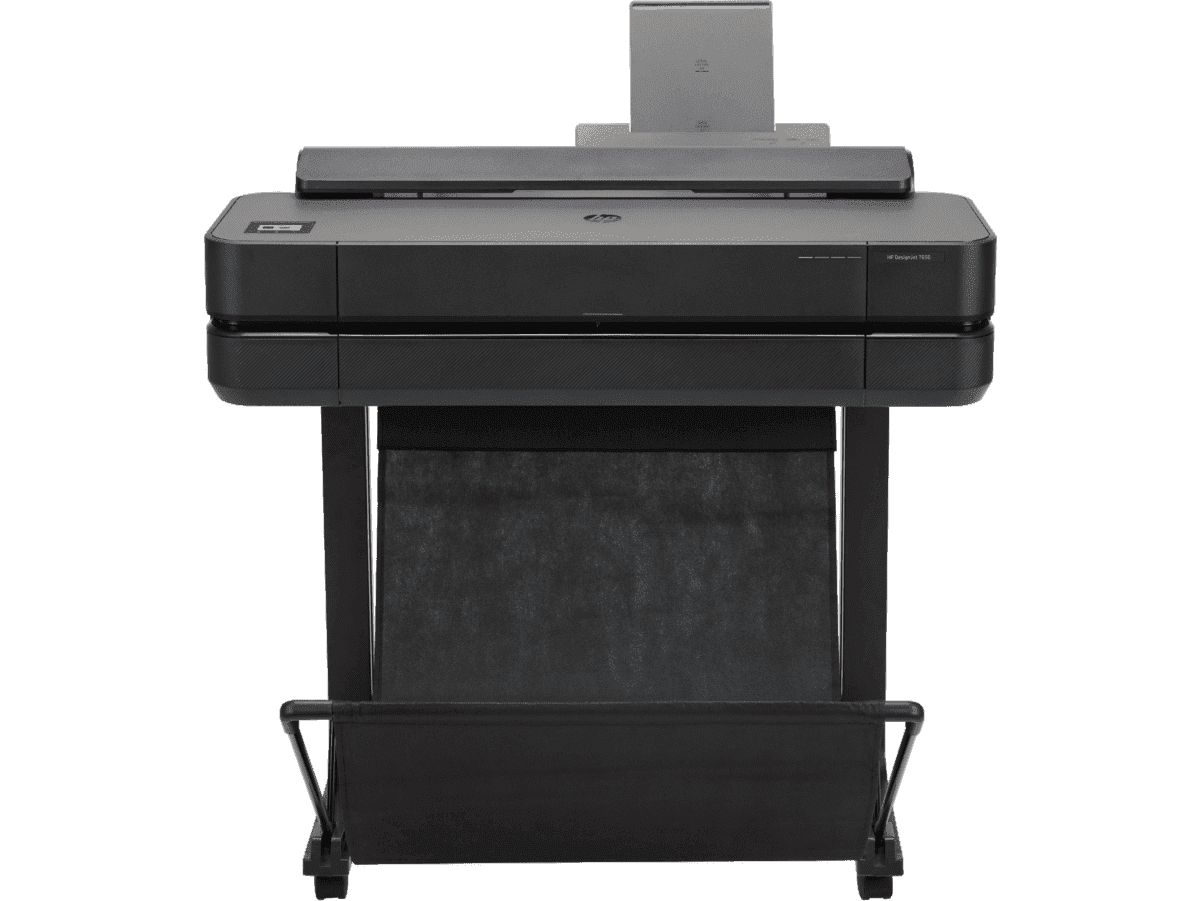
HP DesignJet T650 24-in Printer + HP Installation Service for DesignJet Series Entry Level (APJ)
A1 Colour HP DesignJet Large Format Printer, Perfect for Small Offices, Business & Enterprise Print 26 sec/page on A1; 81 A1 prints per hour Sheet feed, Roll feed, Automatic Sheet Feeder, Media Bin, Automatic Horizontal Cutter USB, Ethernet, Wi-Fi HP Click, HP Smartapp, HP Wolf Essential Security
MYR 8570.00MYR 6880.00Buy Now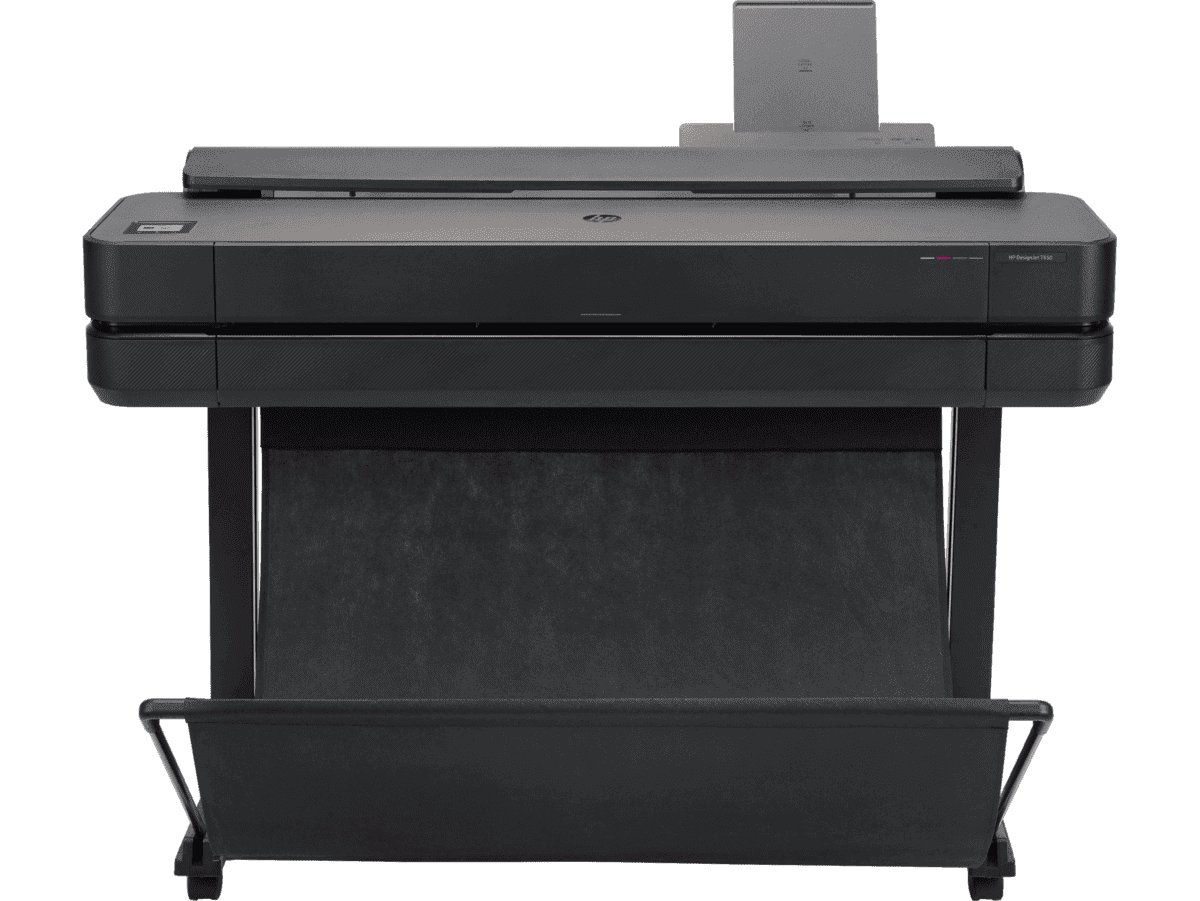
HP DesignJet T650 36-in Printer + HP Installation Service for DesignJet Series Entry Level (APJ)
A0 Colour HP DesignJet Large Format Printer, Perfect for Small Offices, Business & Enterprise Print Sheet feed, Roll feed, Automatic Sheet Feeder, Media Bin, Automatic Horizontal Cutter USB, Ethernet, Wi-Fi HP Click, HP Smartapp
MYR 11640.00MYR 9880.00Buy Now


