Blog
Filter categoryLower AEC Overheads with Print Scheduling Tips

Technical Printing
|2 Mar 2026
Print Scheduling Tips for Lower AEC Project Overheads

In the architecture, engineering, and construction (AEC) industry, paper and ink are often the primary costs associated with printing. But the frequency and duration of use are major contributors to overhead costs for many firms. Printer energy costs can quickly accumulate, especially with daytime rushes and start-stop printing, along with ad-hoc job queues. Over time, continuous and heavy use can consume energy while wearing down equipment.
With smarter print scheduling, AEC firms can minimise idle cycles, consolidate print jobs, and maintain more efficiency when printing large batches. Overnight scheduled printing or printing outside of peak hours can keep operations steadier when using large-format printers, cutting down on printer energy costs and keeping print scheduling more consistent and predictable.
How Print Scheduling Impacts AEC Project Overheads
Through print scheduling, you can reduce overhead costs in numerous ways, such as:
- Reduced print costs and waste from non-rush pricing
- Automated print queues that cut down on material expenses
- Increased overall efficiency and productivity through automated systems for batch printing and less reliance on manual processes
- Better management of print production with the help of visual scheduling tools and planning
- Higher print quality and the elimination of the need for reprints, thanks to more structured, scheduled printing tasks
- Reduced printer energy cost metrics when printing during off-peak hours and consolidating multiple print jobs into a single task
- Lower maintenance costs resulting from less wear on equipment by only using it when scheduled
Printer Energy Cost and the Effect of Start-Stop Printing
Start-stop printing is a commonly used but often inefficient method of printing various materials.
Start-stop printing requires printers to power on and run an initialisation sequence that consumes more power than idle standby. Additionally, start-stop printing can cause data interruptions that may freeze up print queues and demand manual restarts of printers or print spoolers.
In some large-format printers, starting the printer can also automate the print head-cleaning process, which could wind up using more ink than necessary.
Of course, another major source of expenses can come from repairing and replacing equipment. Start-stop printing results in more usage, which puts more stress on printers and their components.
There are multiple ways you can implement print scheduling to avoid reliance on stop-start processes:
Tip 1: Combining Jobs Through Scheduled Printing to Improve Efficiency
One way scheduled printing can help is by consolidating multiple print jobs into a single batch and printing during ideal hours. Generally, you want to combine print jobs with similar paper type, finishing, and colours. This will allow you to maintain the same or a similar setup while minimising changeover and idle time.
It also helps to use a centralised queue to manage multiple print requests from a single, accessible dashboard. Doing so can help you prioritise tasks based on urgency and focus on those more urgent tasks first.
Tip 2: Using Overnight Print Runs to Reduce Operating Costs
Another strategy involves printing overnight. This lets users avoid printing during peak hours when print energy cost runs highest. Running printers overnight can help you achieve more cost savings in the long run, even if electricity costs seem superficially low during normal operating hours.
Overnight runs also help prepare high-volume projects well beforehand, ensuring they're ready for review the next day. In turn, you can benefit from reduced wait times and bottlenecks that might otherwise hold your projects back and result in costly delays.
Also, when printing internal drafts, some large-format printers feature a "Draft Mode" that can further reduce inks and paper costs by a considerable amount.

Tip 3: Reducing Wear and Downtime Through Smarter Print Scheduling
Scheduled printing can help you get the most from your printers and keep systems up and running the way they should.
One strategy to try is printer pooling, which distributes large projects across multiple printers in your facility. Through load balancing, this can prevent one printer from experiencing the stress of a comprehensive project. Each printer will then be able to last longer through reduced overall wear.
Contemporary large-format printers also often feature a predictive maintenance solution. These tools monitor system health and alert users when parts are worn or experiencing failure. You can then schedule repairs as needed to minimise downtime and eliminate the need for more costly maintenance or replacement.
Yet another strategy could involve automating printer supply orders to keep your facility fully stocked with high-quality ink, toner, and paper to keep projects on schedule.
Ultimately, these three primary strategies can go a long way in helping you maintain efficiency across operations while lowering print costs in the long term.
Lowering AEC Project Overheads With Scheduled Large Format Printing
With the right approach to print scheduling, you'll have the chance to maintain more efficient and cost-effective printing operations. This is essential in the AEC industry. Many AEC firms rely on efficient print operations to print everything from blueprints to engineering layouts, balancing quality with efficiency at every stage.
Scheduled printing can significantly reduce printer energy costs and prevent potentially expensive breakdowns and downtime. Consolidating print jobs, printing during off-peak hours, batching jobs, and taking other steps can reduce reliance on stop-start printing processes. Conversely, start-stop printing could serve only to hold you back as you fail to keep projects on time. You might also experience more wear and steeper energy expenses.
However, you must have the right equipment to help you get the best results from print scheduling. Large-format printers should be able to make it easy to handle batch jobs and schedule projects as needed. Many offer energy-efficient operation and predictive analytics to help reduce operational wear.
At HP, you'll find some of the best large-format printers and plotters available on the market, including our HP DesignJet models that work specifically for applications in the AEC industry. Whether you need a single printer or a combination of equipment to handle your workloads, HP has everything you need for professional-grade printing equipment. Our printers are also easy to set up and operate, enabling instant use after initial installation.
To get started finding the right solution for your application, check out our HP DesignJet promotions today.
Explore plotter printers for your needs
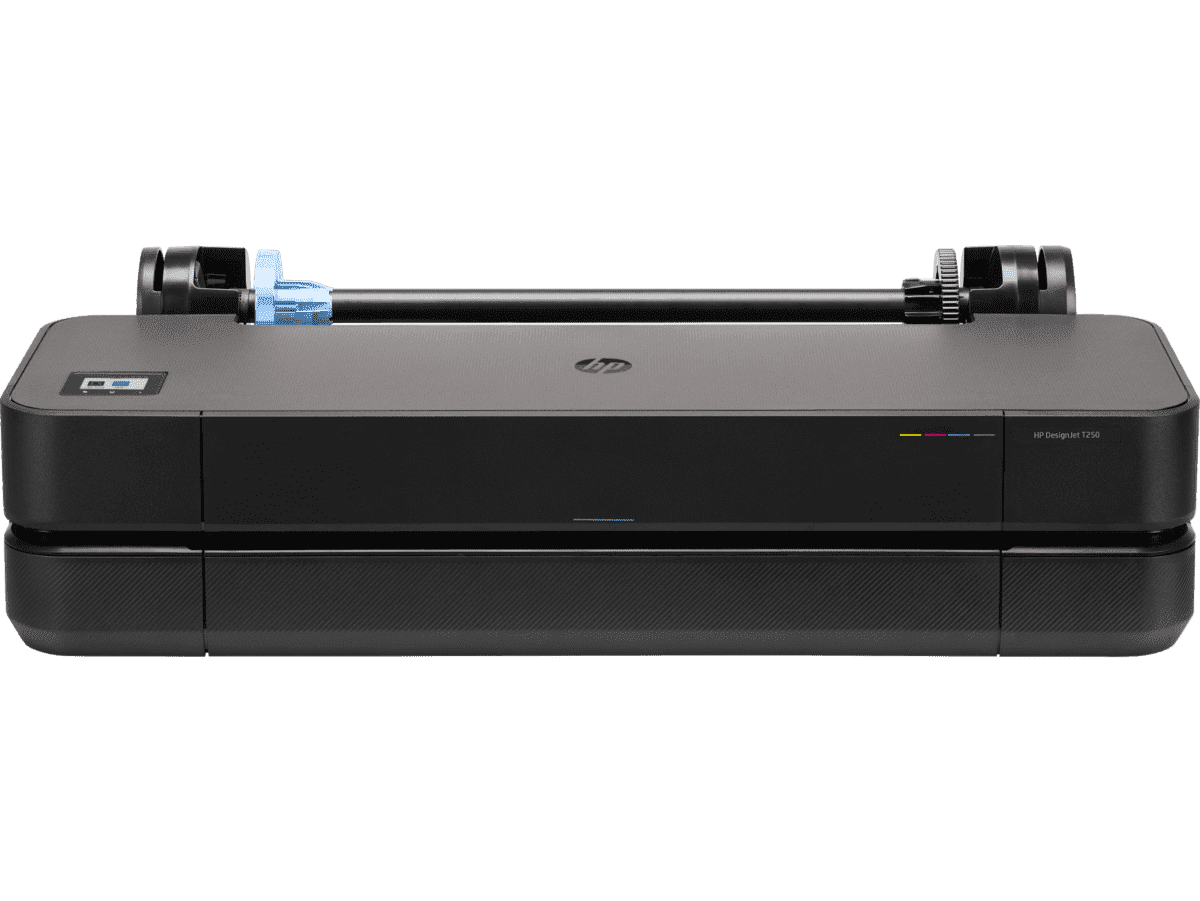
HP DesignJet T250 24-inch Compact Large Format A1 Plotter Printer + HP DesignJet T200/T600 Automatic Sheet Feeder + HP Installation Service for Design
A1 Colour HP DesignJet Large Format Printer, Perfect for Small Offices & Business Print 30 sec/page on A1; 76 A1 prints per hour USB, Ethernet, Wi-Fi Touchscreen; Automatic document feeder; Front USB flash drive port
MYR 5860.00MYR 4980.00Buy Now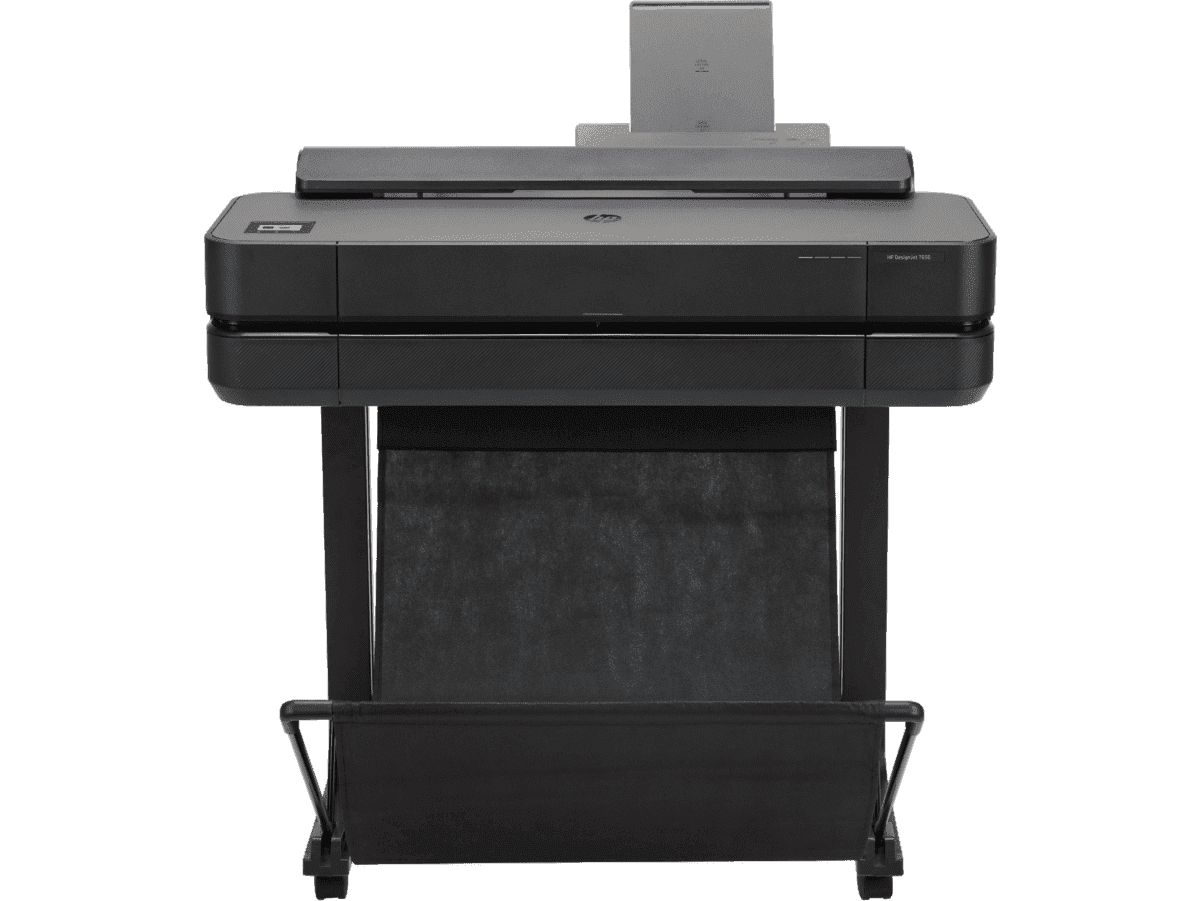
HP DesignJet T650 24-in Printer + HP Installation Service for DesignJet Series Entry Level (APJ)
A1 Colour HP DesignJet Large Format Printer, Perfect for Small Offices, Business & Enterprise Print 26 sec/page on A1; 81 A1 prints per hour Sheet feed, Roll feed, Automatic Sheet Feeder, Media Bin, Automatic Horizontal Cutter USB, Ethernet, Wi-Fi HP Click, HP Smartapp, HP Wolf Essential Security
MYR 8570.00MYR 6880.00Buy Now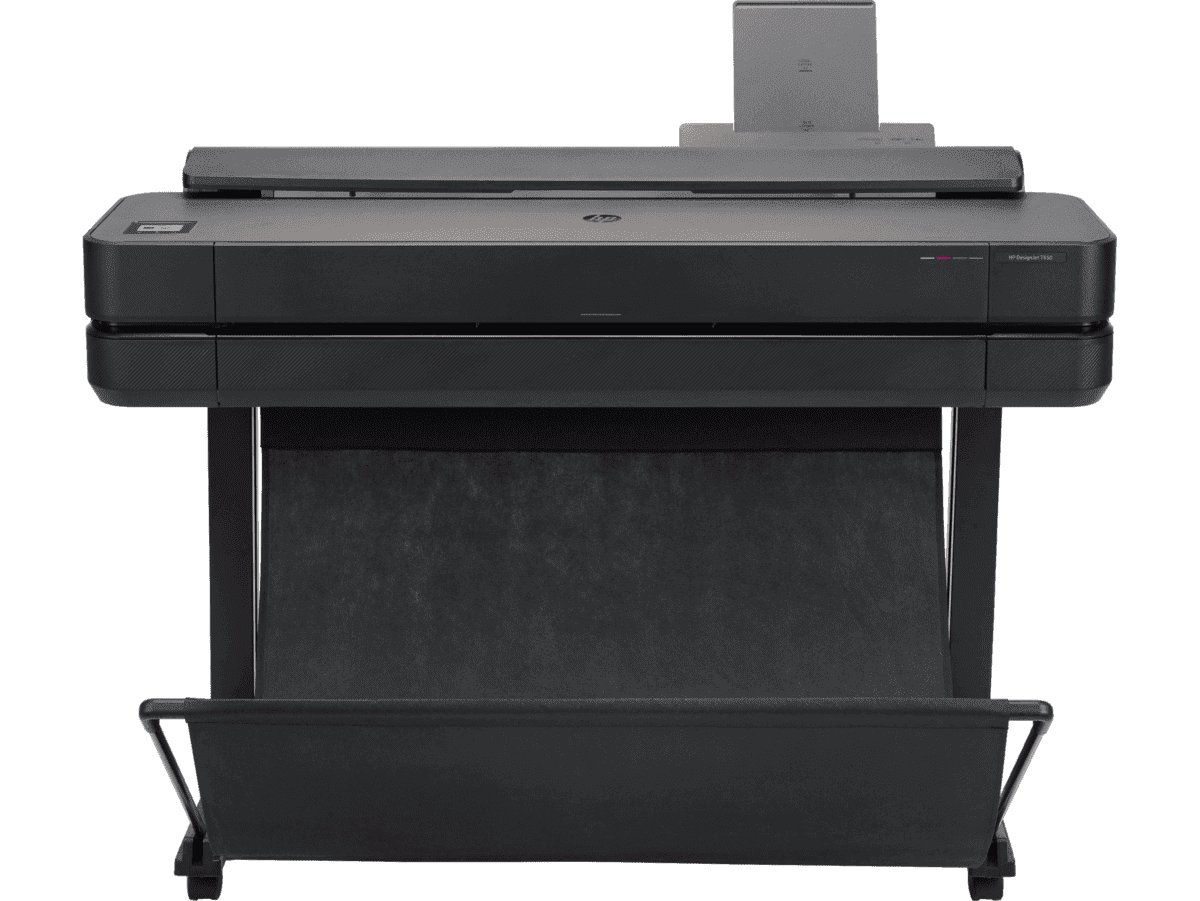
HP DesignJet T650 36-in Printer + HP Installation Service for DesignJet Series Entry Level (APJ)
A0 Colour HP DesignJet Large Format Printer, Perfect for Small Offices, Business & Enterprise Print Sheet feed, Roll feed, Automatic Sheet Feeder, Media Bin, Automatic Horizontal Cutter USB, Ethernet, Wi-Fi HP Click, HP Smartapp
MYR 11640.00MYR 9880.00Buy Now


