Blog
Filter categoryUsing RIP software for better print results

Technical Printing
|28 Apr 2023
Raster Image Processing software, commonly known as RIP software, is an integral tool for any printing professional looking to deliver the finest quality of prints with the sharpest detail and colour variance. But what actually is RIP software, and how does it work? Even experienced employees, who have worked in the printing industry for many years, may find their knowledge about this topic limited.
There is a fair bit to uncover, even about the basics of RIP software. It is also equally important to know how RIP software differs from other regular printer drivers and how it performs to fundamentally improve your images. With the help of this article, expect to advance your understanding of RIP software and explore our expert tips, plus advice, on using it to fully capitalise on its benefits.
RIP software is a type of software that offers more control over your print production. It optimises digital images for printing by converting them from their native file formats into high-resolution raster images. With RIP software, you'll have control over every element of your workflow, from image editing to colour accuracy and overall print quality.
You can use it to adjust your image's colour, brightness, and contrast and handle other advanced printing techniques. On a technical level, there is so much you can do with RIP software to generate better prints. For Malaysian print businesses, especially those producing signage, packaging, or CAD prints, RIP software is a critical tool for maintaining competitive turnaround times and colour accuracy across jobs.
**The Role of RIP Software in Printing **
Key Benefits of RIP Software
Speed
Print Quality
Production Efficiency
Why RIP Software Matter for Businesses
For Malaysian print service providers, advertising agencies, signage companies, and packaging manufacturers, RIP software plays a crucial role in staying competitive and efficient in a fast-paced market. It provides the advanced control and automation needed to meet growing customer expectations for fast turnaround times, consistent colour reproduction, and customisation. In sectors such as retail, construction, and education, where large format printing is often used for promotional materials, plans, or displays, RIP software helps ensure that jobs are completed accurately the first time reducing rework, waste, and downtime. Its ability to handle complex print files, automate repeat tasks, and maintain colour consistency across different printers makes it ideal for businesses managing multiple clients or tight schedules. With Malaysia's growing demand for high-quality, locally produced printed materials, investing in RIP software isn't just a workflow upgrade it's a strategic advantage. It enables businesses to deliver premium results, optimise material usage, and maximise profitability across all print jobs.
How to Properly Use RIP Software for Printing
RIP software is essential in the production of high-quality printed products. It can be easily installed and used with different printers, including large format printers. Here is how to properly use RIP software for printing and enjoy the numerous workflow benefits.
Prepare Your Files for Printing with RIP Software
Set Up Print Parameters
Select Your Media Outlet Profiles
Configure Your Colour Management Settings
Send Your Files to a Printer Using RIP Software
Monitor the Printing Process
What Are Some of the Advanced RIP Software Techniques?

RIPs offer a wide range of advanced features that enhance the printing process while improving the final product's quality. These features include:
- Colour management: Image print RIP software allows you to create ICC profiles, modify ink capacity, and offer linearisation control. You'll have superior colour management features to help you create accurate prints.
- Halftoning: Creates halftone patterns to ensure high-quality production of continuous-tone images
- Automation: Automate the printing process, including repetitive print jobs such as smart cropping, sizing, multi-page layout, tiling, and more.
- Scaling: Scale images without losing resolution.
- Job management: Manage print jobs such as scheduling and tracking.
With RIP software, you can effortlessly produce high-quality prints that meet and exceed your expectations.
Ensure Print Quality and Production Efficiency by:
Nesting
Tiling
Imposition
RIP can greatly affect your printing processes and output quality. It enables creativity, streamlines production, and improves workflow while reducing costs. Therefore, if you would like to increase efficiency and improve profitability, consider investing in RIP software and a high-quality large format printer.
At HP, we have the right printing solutions for your business. We can help you utilise powerful RIP software to produce high-quality printed products with our top-notch large format printers. Speak to our local HP Malaysia team to learn more about software and printer options tailored to your industry.
Download our eBook now and discover how innovation is streamlining workflows, producing prints of unmatched quality and increasing IT efficiency like never before.
Download eBook nowExplore plotter printers for your needs

HP DesignJet T850 36-in Multifunction Printer + HP Installation Service for DesignJet Series Entry Level (APJ)
A0 Color HP DesignJet Large Format Printer, Perfect for Business Print, copy, scan Dynamic security enabled printer 25 sec/page on A1 Ethernet, Wi-Fi Touchscreen, Automatic document feeder, Front USB flash drive port, Scan to PDF
MYR 18365.00MYR 17480.00Buy Now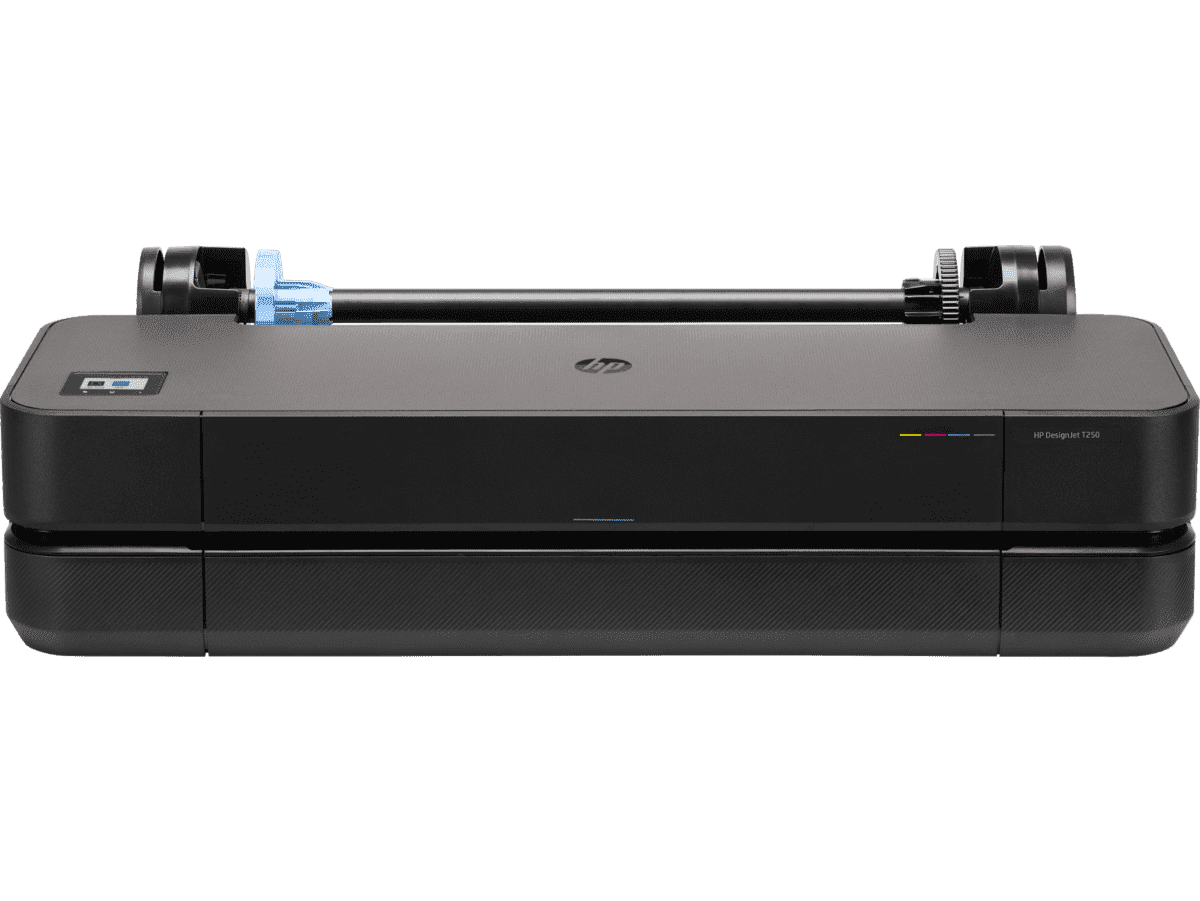
HP DesignJet T250 24-inch Compact Large Format A1 Plotter Printer + HP DesignJet T200/T600 Automatic Sheet Feeder + HP Installation Service for Design
A1 Colour HP DesignJet Large Format Printer, Perfect for Small Offices & Business Print 30 sec/page on A1; 76 A1 prints per hour USB, Ethernet, Wi-Fi Touchscreen; Automatic document feeder; Front USB flash drive port
MYR 5860.00MYR 4980.00Buy Now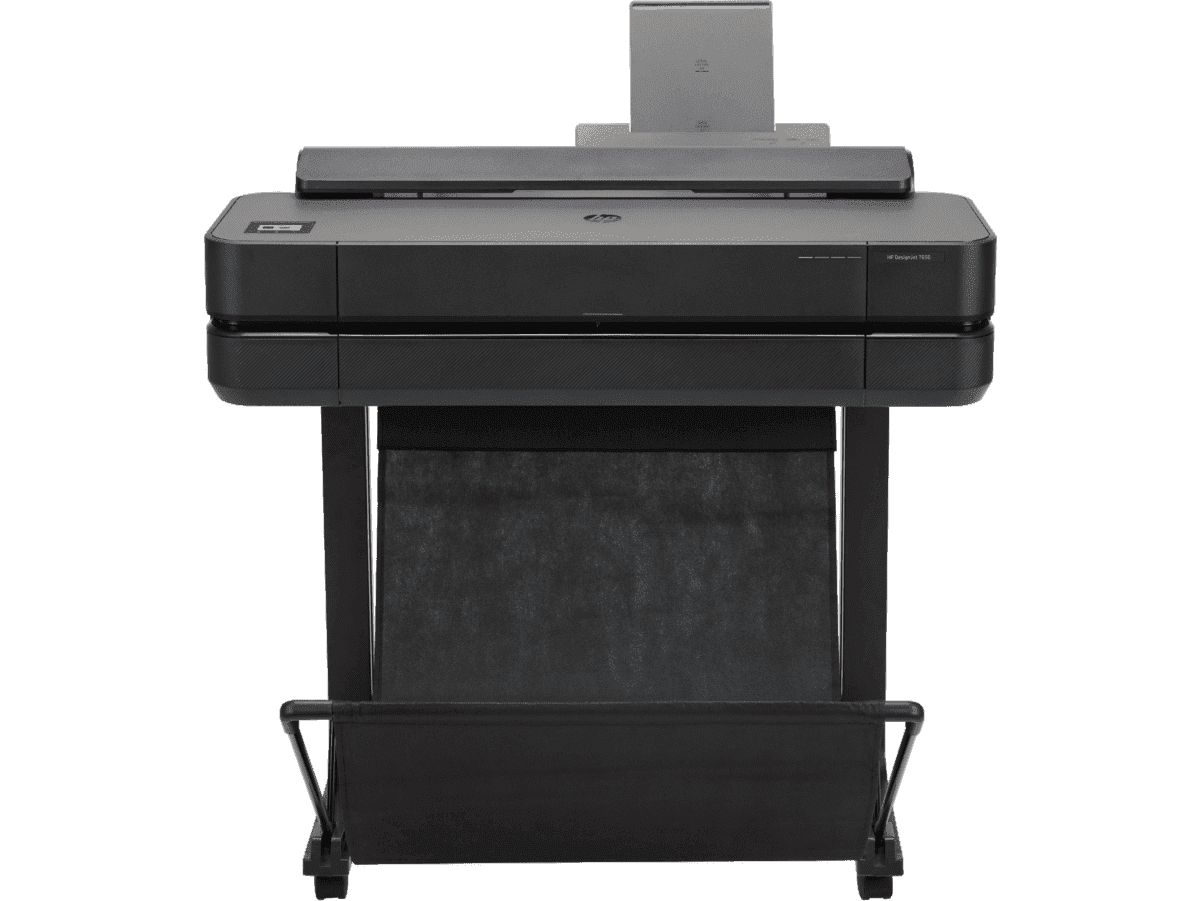
HP DesignJet T650 24-in Printer + HP Installation Service for DesignJet Series Entry Level (APJ)
A1 Colour HP DesignJet Large Format Printer, Perfect for Small Offices, Business & Enterprise Print 26 sec/page on A1; 81 A1 prints per hour Sheet feed, Roll feed, Automatic Sheet Feeder, Media Bin, Automatic Horizontal Cutter USB, Ethernet, Wi-Fi HP Click, HP Smartapp, HP Wolf Essential Security
MYR 8570.00MYR 6880.00Buy Now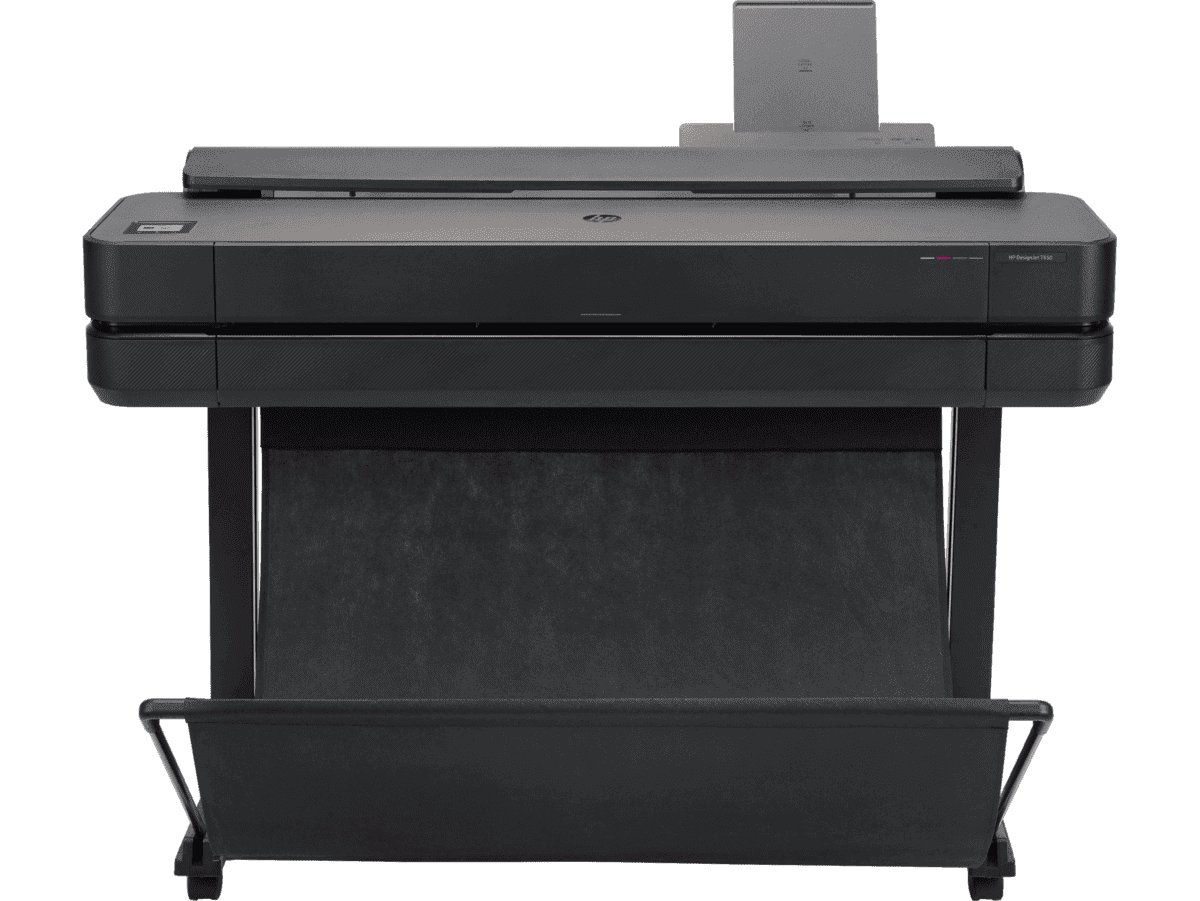
HP DesignJet T650 36-in Printer + HP Installation Service for DesignJet Series Entry Level (APJ)
A0 Colour HP DesignJet Large Format Printer, Perfect for Small Offices, Business & Enterprise Print Sheet feed, Roll feed, Automatic Sheet Feeder, Media Bin, Automatic Horizontal Cutter USB, Ethernet, Wi-Fi HP Click, HP Smartapp
MYR 11640.00MYR 9880.00Buy Now


