Blog
Filter categoryMatch plotter printers to your business size

Technical Printing
|2 Aug 2023
Plotter printers have always made their role known, being one of the few printer types that can produce large-scale prints and drawings with exceptional detail and quality. However, for the companies that do require them, such as AEC firms, it is not as simple as choosing a plotter printer that is within budget and possesses the latest features and advancements. Size is just as critical a factor as other concerns as you consider different types of plotters.
Similar to how company sizes differ, so do plotter printer sizes, and identifying which plotter size suits your company size is the foremost way to optimise your large format printing capabilities. Therefore, it is integral to be able to understand how the size and compactness of plotters affect their functionality and impact their suitability for different-sized companies.
This article will help you navigate different types of plotters available in Malaysia by highlighting the different plotter sizes and listing their benefits and drawbacks for companies. Ultimately, you will be able to make an informed plotter printer purchase decision that aligns with your company's size and printing requirements.
Wide-format plotters are essential for businesses to produce large format prints. They provide higher resolution and larger print sizes, ideal for everything from architectural plans to retail displays, posters, and banners.
Why Companies Require Large Format Plotters
Using Plotters for Printing in Companies
Advantages of Plotters Over Standard Printers
The Impact of a Company's Size on a Plotter's Printing Efficiency
Uncovering the Various Types of Plotters in the Modern World

With the different types of plotters available today, it can be challenging to determine what type you need. Instead of simply searching for a plotter within a certain budget, you need to consider the type of work you do and what you expect from your printer.
Inkjet Plotters
Toner (Electrostatic) Plotters
What to Consider When Choosing a Plotter Printer for Your Company
Companies across different industries have distinct printing needs. As such, it's not surprising that the right plotter for one company isn't the right choice for every company. There are many different factors to consider when choosing a plotter printer for your company.
Company Size and Printing Requirements
Print Scale and Volume
How Many Employees Need to Use a Plotter, And How Often Do They Use It?
**Print Rate and Media Compatibility **
Some Companies May Require More Than One Plotter
Company Budget and Cost Considerations
Initial Purchase Cost and Long-Term Maintenance Expenses
Balancing Quality With Affordability
Print Quality and Output Options
Connectivity and Integration
Evaluating Connectivity Options for Seamless Integration
The Best Fit Plotter for Different Company Sizes
Your company's size affects your printing needs. To maximise your budget, search for different types of plotters designed to meet the requirements of your business's size.
For Small Businesses and Startups
Affordable Choices With Essential Features and Moderate Printing Speed
For Medium-Sized Companies
A Balance Between Performance, Speed, and Cost-Effectiveness
For Large Corporations and Firms
Advanced Plotter for High-Volume Complex Printing Requirements
Superior Print Quality and Versatility
A large format plotter can help you meet your business needs, no matter the size of your company. HP has a long history of providing different types of plotters designed to meet the needs of modern businesses. Reach out to HP to learn more about the best plotter for businesses of any size.
Download our eBook now and discover how innovation is streamlining workflows, producing prints of unmatched quality and increasing IT efficiency like never before.
Download eBook nowExplore plotter printers for your needs

HP DesignJet T850 36-in Multifunction Printer + HP Installation Service for DesignJet Series Entry Level (APJ)
A0 Color HP DesignJet Large Format Printer, Perfect for Business Print, copy, scan Dynamic security enabled printer 25 sec/page on A1 Ethernet, Wi-Fi Touchscreen, Automatic document feeder, Front USB flash drive port, Scan to PDF
MYR 18365.00MYR 17480.00Buy Now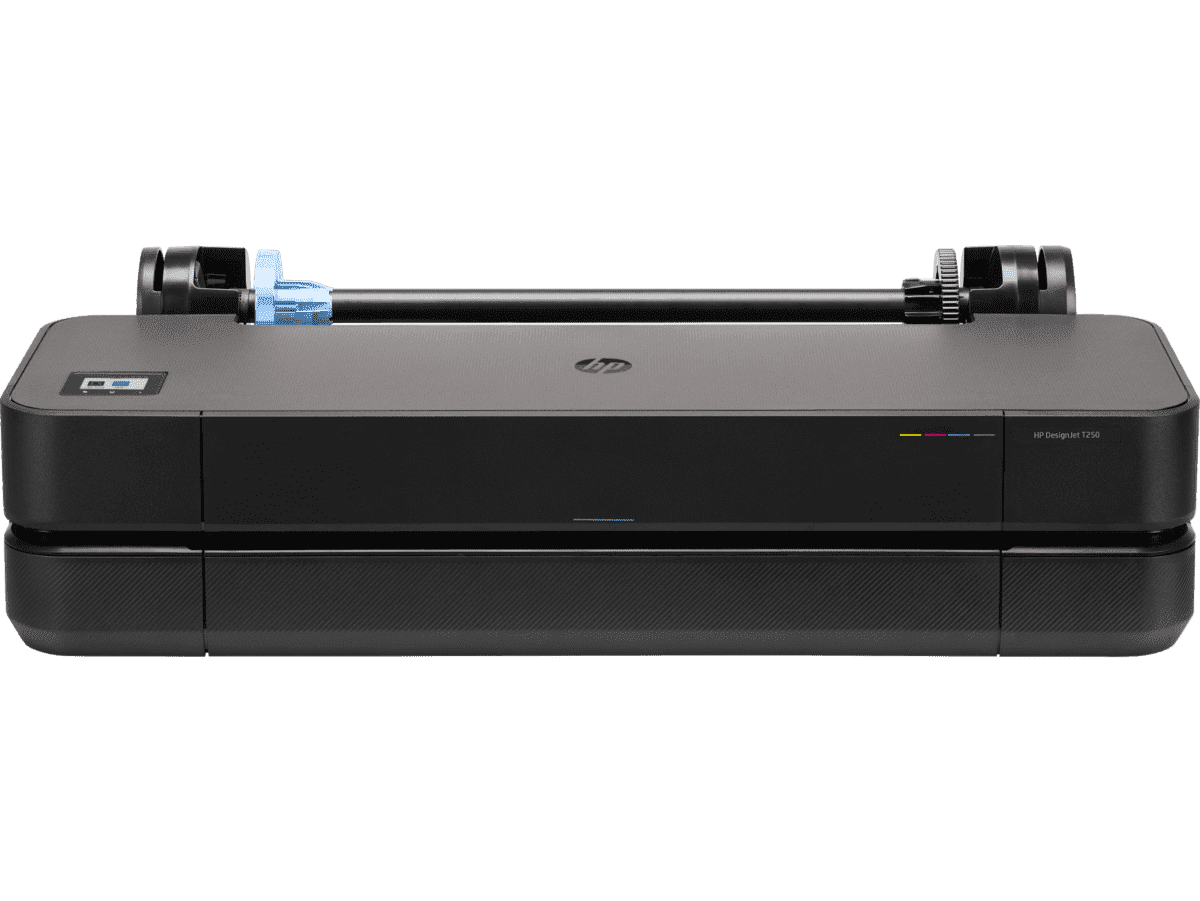
HP DesignJet T250 24-inch Compact Large Format A1 Plotter Printer + HP DesignJet T200/T600 Automatic Sheet Feeder + HP Installation Service for Design
A1 Colour HP DesignJet Large Format Printer, Perfect for Small Offices & Business Print 30 sec/page on A1; 76 A1 prints per hour USB, Ethernet, Wi-Fi Touchscreen; Automatic document feeder; Front USB flash drive port
MYR 5860.00MYR 4980.00Buy Now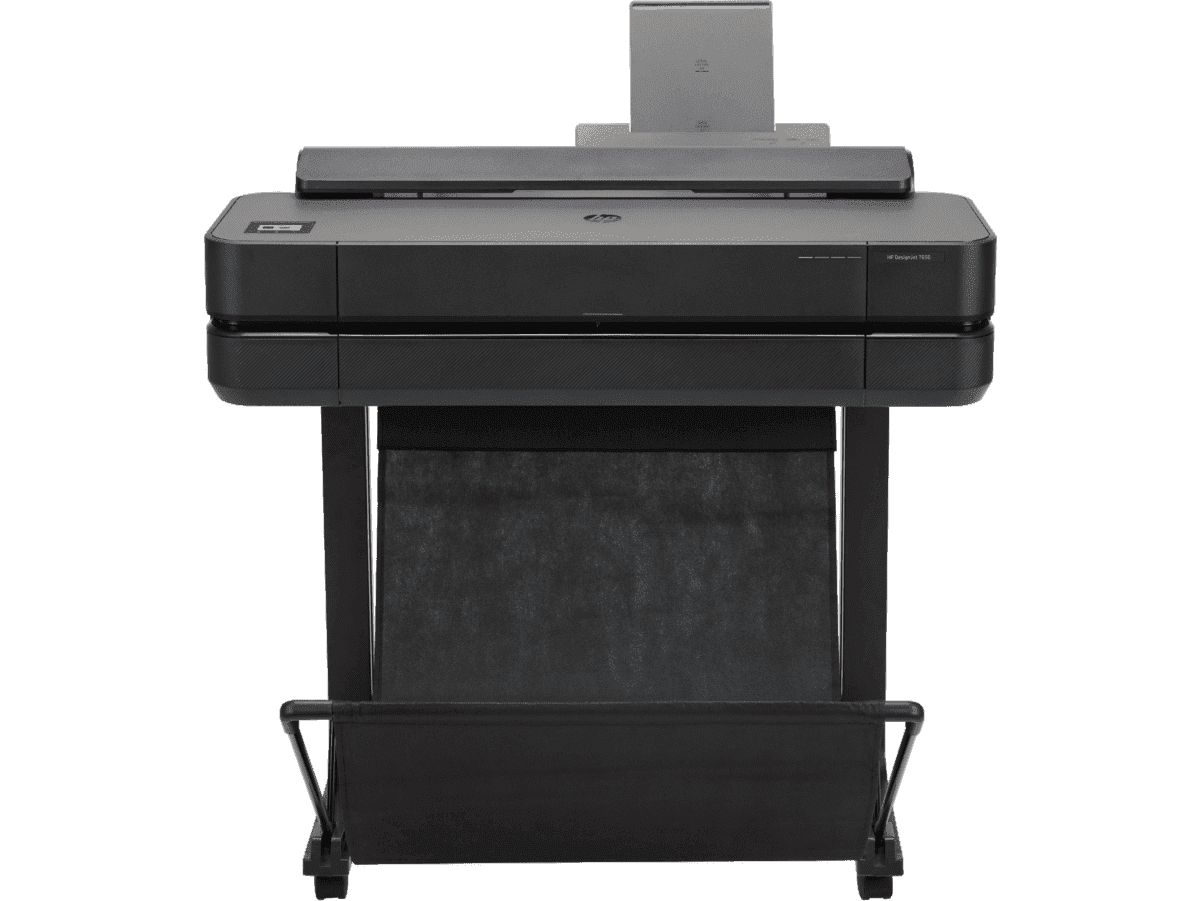
HP DesignJet T650 24-in Printer + HP Installation Service for DesignJet Series Entry Level (APJ)
A1 Colour HP DesignJet Large Format Printer, Perfect for Small Offices, Business & Enterprise Print 26 sec/page on A1; 81 A1 prints per hour Sheet feed, Roll feed, Automatic Sheet Feeder, Media Bin, Automatic Horizontal Cutter USB, Ethernet, Wi-Fi HP Click, HP Smartapp, HP Wolf Essential Security
MYR 8570.00MYR 6880.00Buy Now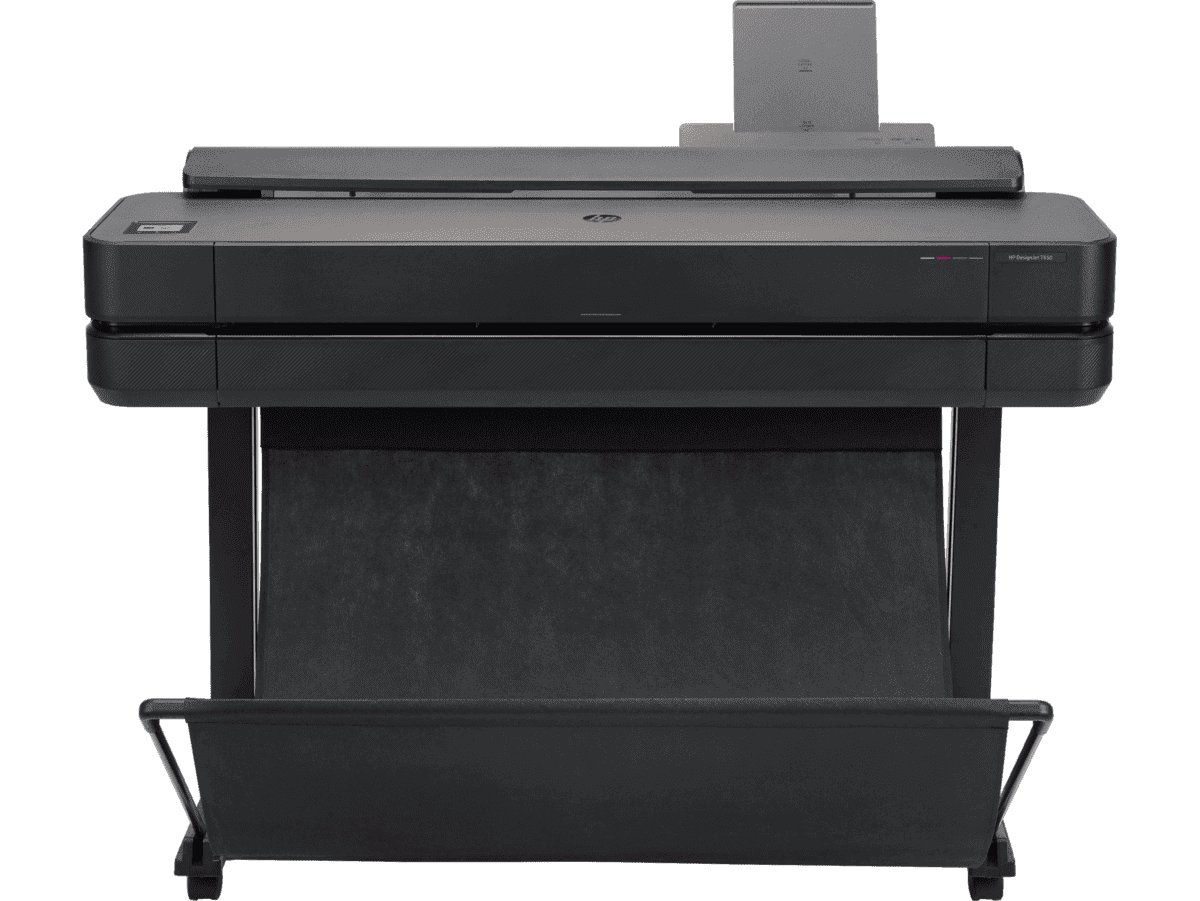
HP DesignJet T650 36-in Printer + HP Installation Service for DesignJet Series Entry Level (APJ)
A0 Colour HP DesignJet Large Format Printer, Perfect for Small Offices, Business & Enterprise Print Sheet feed, Roll feed, Automatic Sheet Feeder, Media Bin, Automatic Horizontal Cutter USB, Ethernet, Wi-Fi HP Click, HP Smartapp
MYR 11640.00MYR 9880.00Buy Now


