Blog
Filter categoryPrinting architectural drawings: a practical guide

Technical Printing
|29 ago 2024
The key to printing high-quality architectural drawings is to select the right printer, print media, and settings to get the most from each print. With top-quality drawings, you can communicate designs across teams and maintain accuracy in the final construction. This guide will help you learn more about how to print architectural drawings by taking the right approach to your next project. In the process, you'll see why HP large format printers are ideal for architectural drawing prints.
How to Print Architectural Drawings
There are several steps to consider when getting ready to print architectural drawings of any kind. These include selecting the ideal printer and properly setting your prints up before production.
Choosing the Right Printer for Architectural Drawings
Best Practices for Printing Architectural Drawings
Architectural Drawing Print: What Size Paper Should You Use?
When preparing an architectural drawing print, what size paper is best? This will be one of the primary considerations as you learn how to print architectural drawings.
Let's look into the specific paper sizes based on the unique needs of your architectural drawing print.
Standard Paper Sizes for Architectural Drawings
Customising Paper Sizes for Unique Projects
Ensuring Quality and Precision in Architecture Drawing Prints

With every architectural drawing print job, it's important to know how to print architectural drawings with consistent quality and precision. Here, we'll go over some of the ways you can optimise your printing process and prints to yield the best results with every project.
Tips for Avoiding Common Printing Errors
Maintaining Print Quality Over Multiple Prints
Achieving Professional-Grade Prints Every Time
With a better idea of how to print architectural drawings, you should take steps to find the right printer for your application. Whether printing floor plans, site plans, landscape drawings, cross-sections, or other types of architectural drawings, a reliable large format printer can do the job.
To get the best results from your architectural drawing prints, consider implementing an HP DesignJet printer to meet all of your large format printing needs. You can save more money with the right printing solution thanks to our DesignJet promotions, helping point you in the direction of the perfect printer for your projects. Contact us today to learn more about our promotion and be on your way to finding the ideal printer for architectural drawings and more.
Download our eBook now and discover how innovation is streamlining workflows, producing prints of unmatched quality and increasing IT efficiency like never before.
Download eBook nowExplore plotter printers for your needs
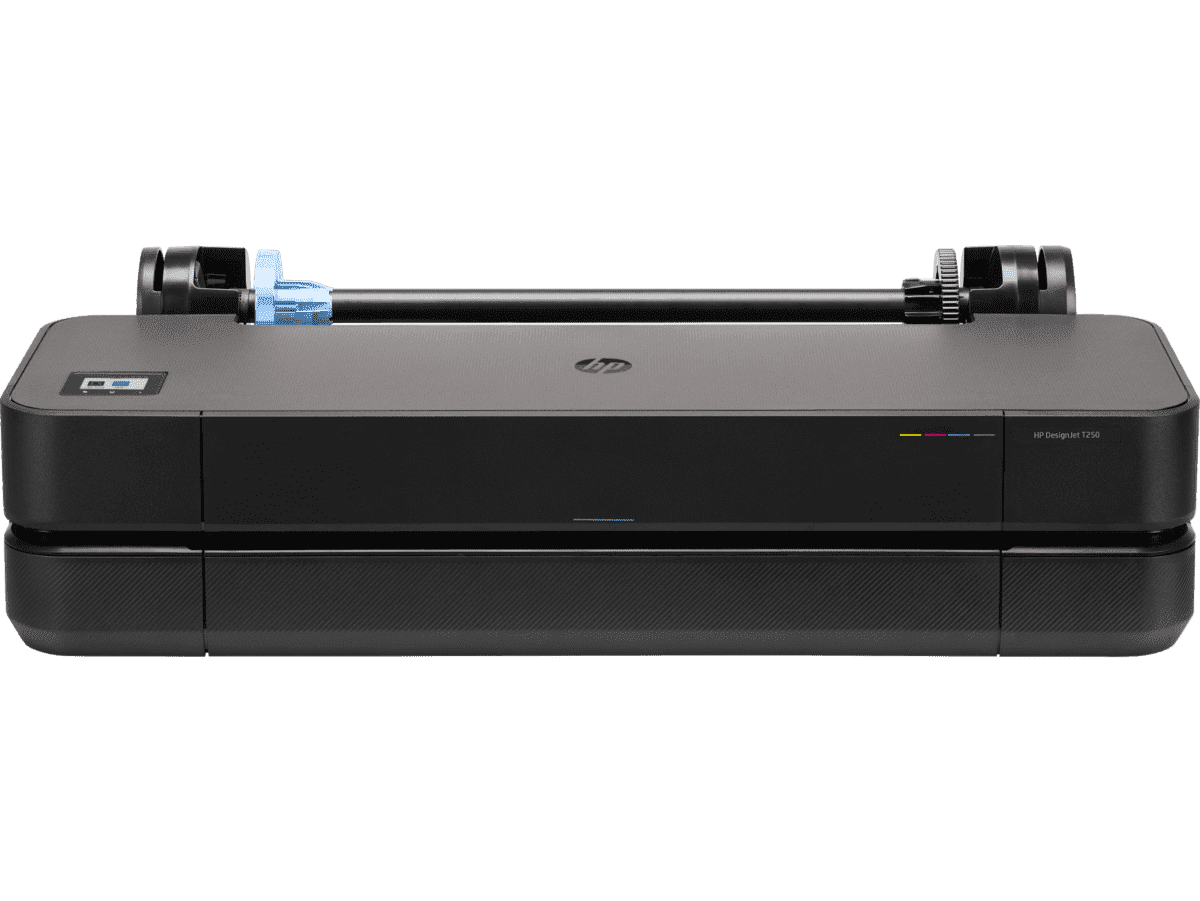
HP DesignJet T250 24-inch Compact Large Format A1 Plotter Printer + HP DesignJet T200/T600 Automatic Sheet Feeder + HP Installation Service for Design
A1 Colour HP DesignJet Large Format Printer, Perfect for Small Offices & Business Print 30 sec/page on A1; 76 A1 prints per hour USB, Ethernet, Wi-Fi Touchscreen; Automatic document feeder; Front USB flash drive port
MYR 5860.00MYR 4980.00Buy Now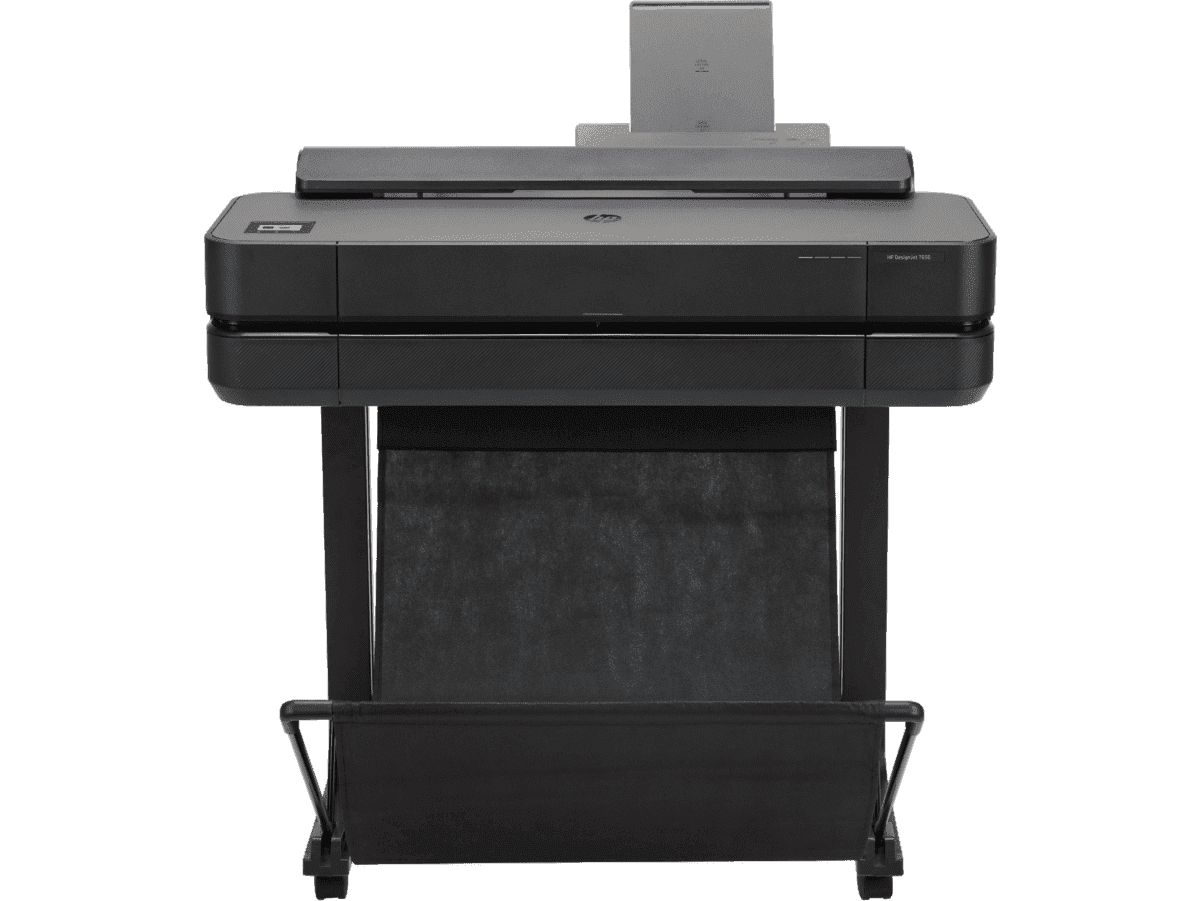
HP DesignJet T650 24-in Printer + HP Installation Service for DesignJet Series Entry Level (APJ)
Functions: PrintAuto sheet feeder: A4, A3; manual feed: A4, A3, A2, A1Print quality color: Up to 2400 x 1200 optimized dpiPrint speed: 26 sec/page on A1, 81 A1 prints per hour[1]Number of print cartridges: 4 (C, M, Y, K)
MYR 8570.00MYR 6880.00Buy Now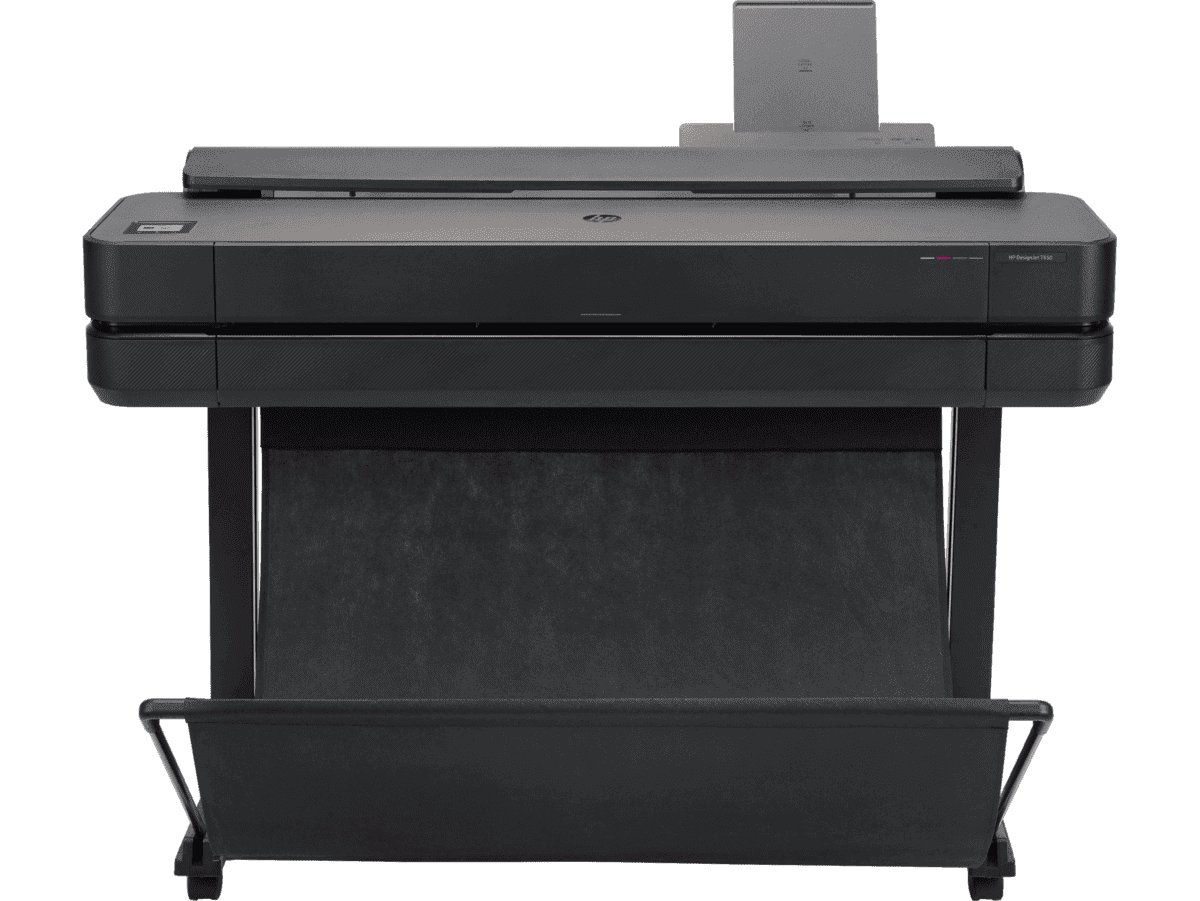
HP DesignJet T650 36-in Printer + HP Installation Service for DesignJet Series Entry Level (APJ)
Functions: PrintAuto sheet feeder: A4, A3; manual feed: A4, A3, A2, A1, A0Print quality color: Up to 2400 x 1200 optimized dpiPrint speed: 25 sec/page on A1, 82 A1 prints per hour[1]Number of print cartridges: 4 (C, M, Y, K)
MYR 11640.00MYR 9880.00Buy Now


