Blog
Filter categoryChoosing Between Aqueous Dye and Pigment Inks

Construction Technology, Technical Printing
|16 jun 2021
In the architecture, engineering, and construction (AEC) industry, large format printing is an everyday task. Blueprints, technical drawings, and renderings need to be reproduced accurately and reliably using the right type of printing.
The most common printer in the AEC office is the aqueous inkjet printer: A larger, commercial version of the home desktop printer. Aqueous ink refers to any ink that uses water as a carrier fluid, which evaporates as the ink dries. Only a small amount of nontoxic passive components are added to the ink, so this allows for safe, nontoxic, and environmentally friendly printing in the office. Aqueous inkjet printing can be further differentiated by the ink types used: aqueous dye ink and aqueous pigment ink. Which to use simply depends on what you will be printing.
The golden rule is to never waste any time. The faster the print job, more time can be spent on core activities. Two areas to look out for, whatever architectural printer you choose, are:
- The time the printer takes to warm up from standby mode to begin printing.
- The time it takes to complete the first and subsequent prints, known as “throughput time”.
Speed is often listed in terms of images per minute (IPM) and pages per minute (PPM). For large format printers, PPM is typically given in terms of A1 sheets, as opposed to A4/letter sheets in standard printers.
Aqueous dye ink: the standard for plotters
In aqueous dye based ink, the dye acts as a colourant that is soluble in water. The ink is then absorbed by the print media (usually paper) during printing. Dye inkjet printers are able to produce extremely fine lines—akin to 0.2mm pencil lines in drafting—and can output detailed technical drawings with high precision. Hence, the typical plotter printer in the AEC office uses dye ink.

Advantages of a dye ink printer
Makes work much easier

Aqueous pigment ink: ideal for presentations

No project is safe from delays. There are multiple reasons for downtime, from remoteness or inaccessibility of field sites, or sudden bad weather. Connectivity in such places may be fair at the best of times, but it can disappear in a second. In such situations, hard copy is always reliable and dependable.
Today, large format printers are more cost-effective than ever, producing documents with higher resolution and colour fidelity. The right ones can help you do more than you can imagine.

Unfortunately, dye and pigment inks are not interchangeable with their respective printers. You cannot use pigment ink in a dye ink printer or vice versa, as the print head is optimised differently for each ink type – and you may damage your print head by doing so.
How aqueous-dye and aqueous-pigment printers complement each other
It’s common to find both aqueous-dye and aqueous-pigment inkjet printers in the AEC office, as they each have their unique and complementary applications.
The dye-based plotter printer is an essential piece of equipment for AECs, which rely on plans and drawings with highly accurate detail. On the other hand, a pigment-based printer can be invaluable if you need larger format and higher-resolution outputs, from GIS maps to gallery-quality renderings.
If you have the budget and the space, invest in both to help grow your business. By getting a reliable dye-based plotter printer with strong print management capabilities on site, teams can work more efficiently and reduce ambiguity while delivering projects. Additionally, by using a pigment-based printer to present maps and renderings to clients, you can further enhance your brand’s reputation for quality.
Speak to an HP representative
- Wilhelm Imaging Research, HP DesignJet Z9+ Printer – Preliminary WIR Print Permanence Ratings, 8 February 2020
- 88% of prints are for review and collaboration on plain media, based on a survey conducted by HP and HP customer interviews.
Explore plotter printers for your needs

HP DesignJet T850 36-in Multifunction Printer + HP Installation Service for DesignJet Series Entry Level (APJ)
A0 Color HP DesignJet Large Format Printer, Perfect for Business Print, copy, scan Dynamic security enabled printer 25 sec/page on A1 Ethernet, Wi-Fi Touchscreen, Automatic document feeder, Front USB flash drive port, Scan to PDF
MYR 18365.00MYR 17480.00Buy Now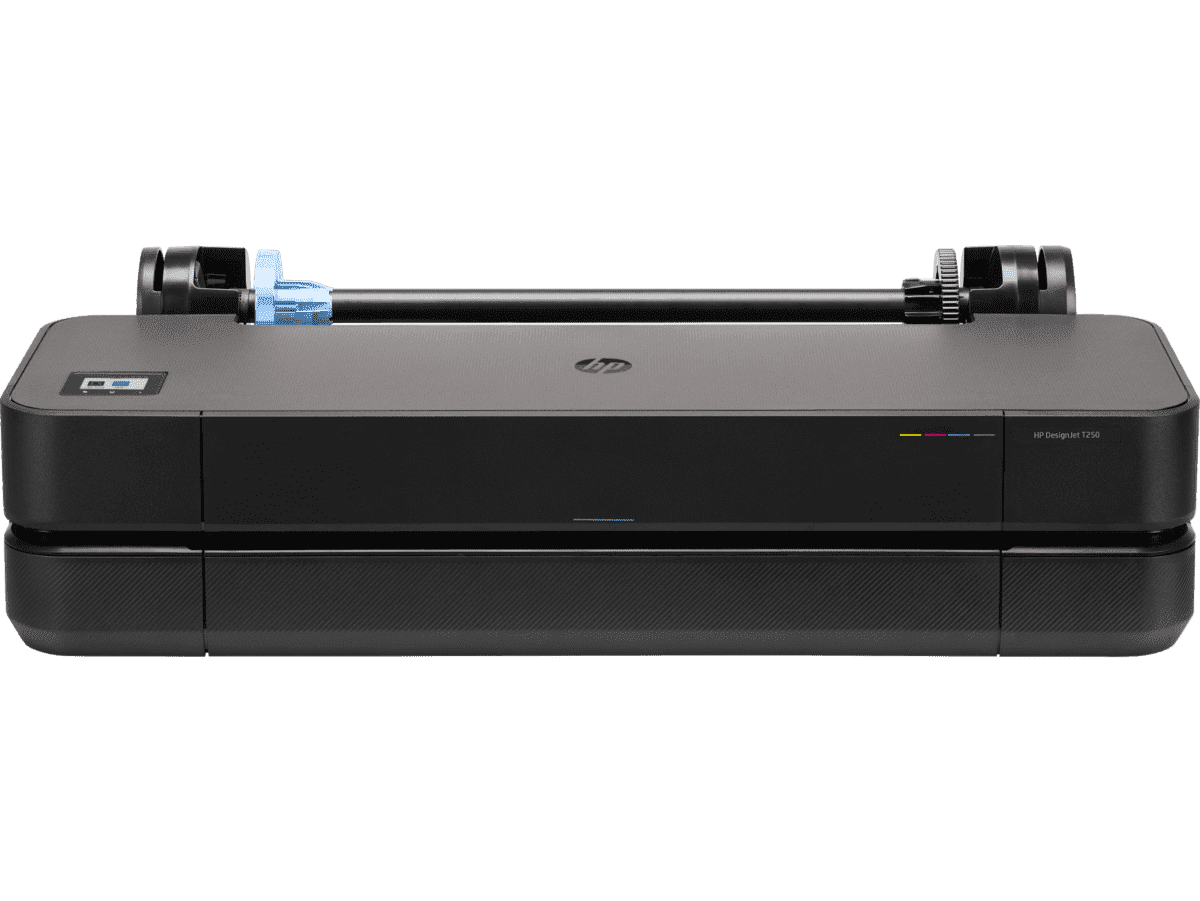
HP DesignJet T250 24-inch Compact Large Format A1 Plotter Printer + HP DesignJet T200/T600 Automatic Sheet Feeder + HP Installation Service for Design
A1 Colour HP DesignJet Large Format Printer, Perfect for Small Offices & Business Print 30 sec/page on A1; 76 A1 prints per hour USB, Ethernet, Wi-Fi Touchscreen; Automatic document feeder; Front USB flash drive port
MYR 5860.00MYR 4980.00Buy Now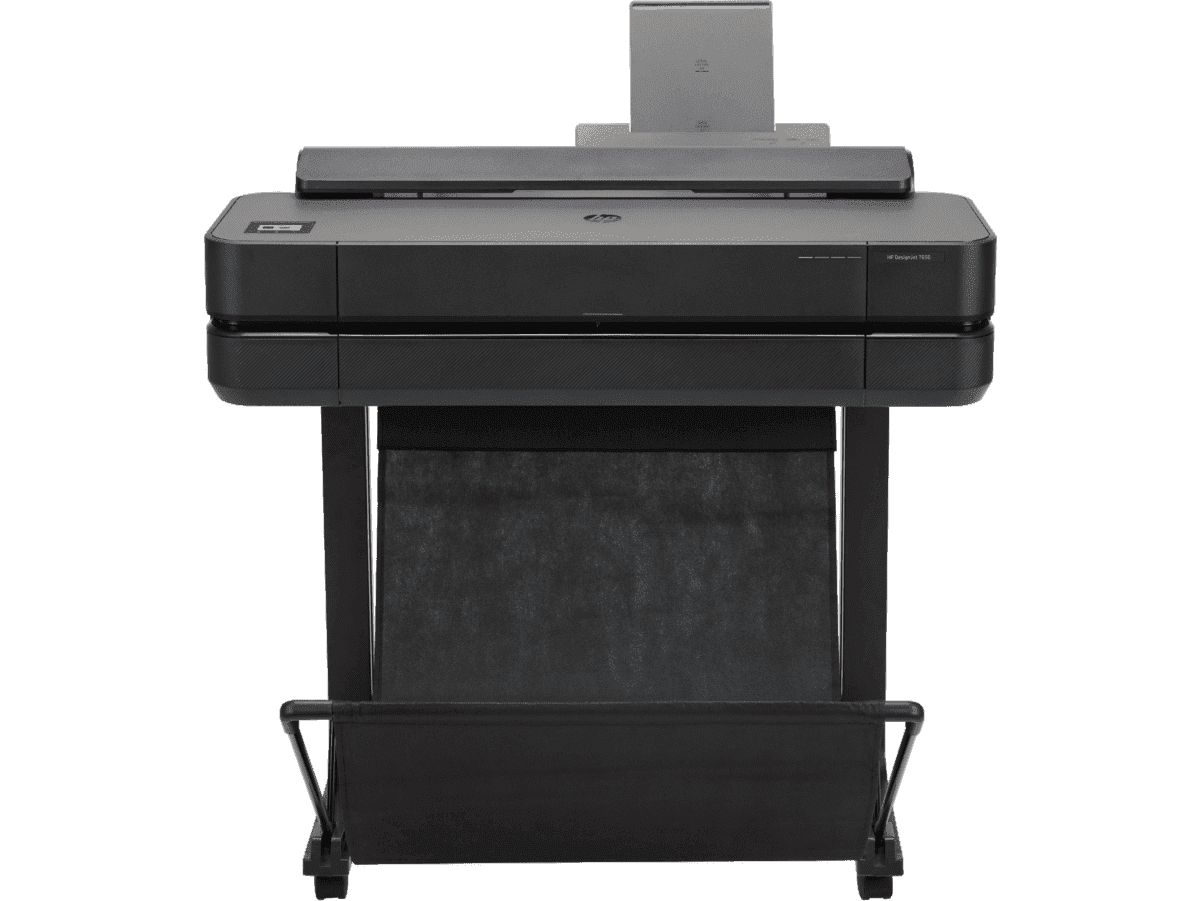
HP DesignJet T650 24-in Printer + HP Installation Service for DesignJet Series Entry Level (APJ)
A1 Colour HP DesignJet Large Format Printer, Perfect for Small Offices, Business & Enterprise Print 26 sec/page on A1; 81 A1 prints per hour Sheet feed, Roll feed, Automatic Sheet Feeder, Media Bin, Automatic Horizontal Cutter USB, Ethernet, Wi-Fi HP Click, HP Smartapp, HP Wolf Essential Security
MYR 8570.00MYR 6880.00Buy Now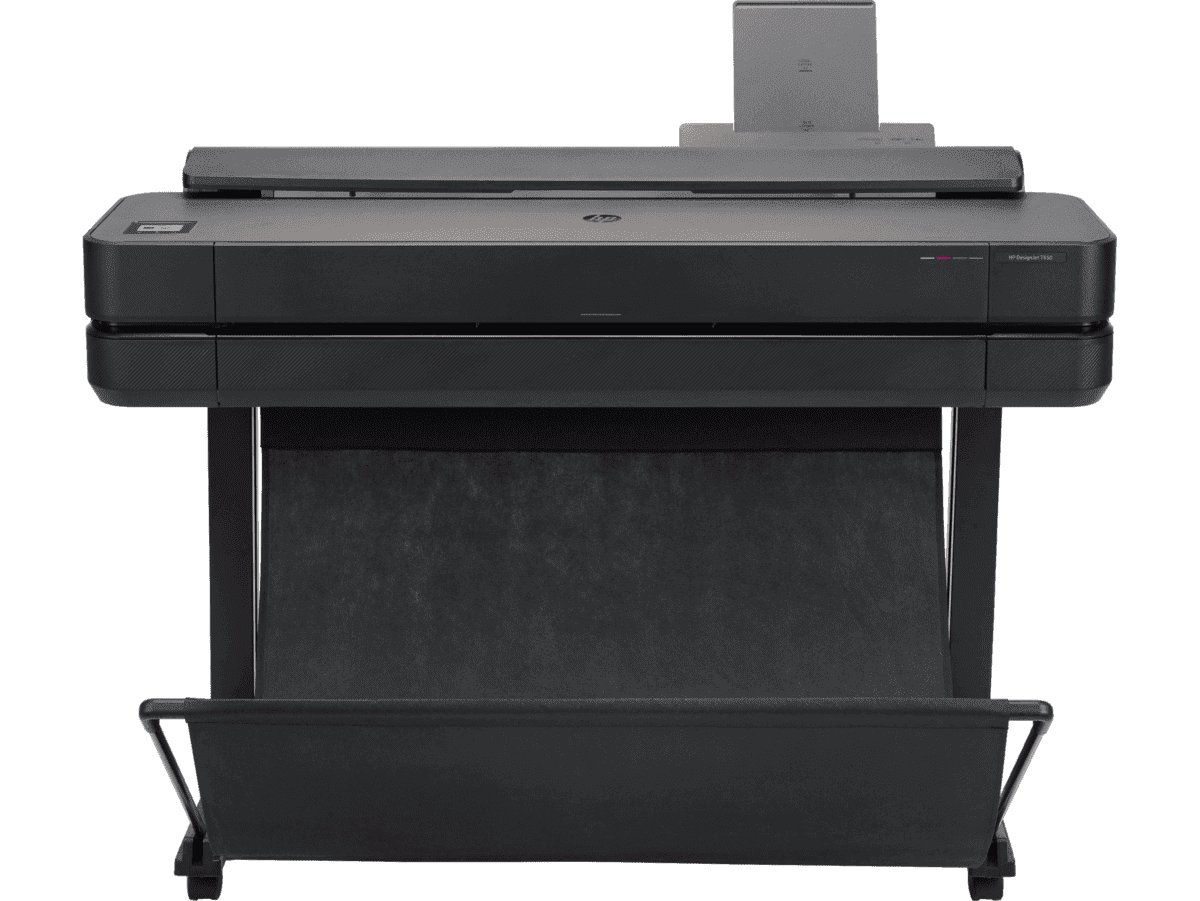
HP DesignJet T650 36-in Printer + HP Installation Service for DesignJet Series Entry Level (APJ)
A0 Colour HP DesignJet Large Format Printer, Perfect for Small Offices, Business & Enterprise Print Sheet feed, Roll feed, Automatic Sheet Feeder, Media Bin, Automatic Horizontal Cutter USB, Ethernet, Wi-Fi HP Click, HP Smartapp
MYR 11640.00MYR 9880.00Buy Now


