Blog
Filter categoryWhy HP DesignJet Studio suits design teams

Technical Printing
|25 Nov 2020
For those in the architecture, engineering and construction (AEC) industries, it is crucial to find the right architectural printer that not only meets all your needs but empowers you and the entire team in your office. While you should consider a printer that helps in streamlining workflow, enabling collaboration across departments and supporting an agile work culture, having one that supports sustainability and is well-designed is a perk and helps put you ahead of the competition.
Get the architectural printer that performs
Designed for perfection
Print while caring for the environment
Being sustainable while saving costs
Let’s talk about how HP DesignJet Studio printers can help you be cost efficient while being environmentally friendly.
Firstly, HP DesignJet Studio printers consume lesser ink than competitor brands, adding up to a substantial savings in ink costs for your company.
Secondly, a lot of ink is usually wasted during nozzle cleaning, where ink is purged to clear any nozzle blockage. With HP DesignJet Studio printers, it uses ink spraying instead of ink purging, thus requires no waste ink tanks. Plus, nozzle cleaning only affects the clogged nozzles and not all nozzles — once again, saving ink for the printer, and saving costs for you.
In addition, our HP DesignJet Studio printers are energy efficient, and are proud to be Energy Star-certified!

Easy maintenance
So far, we have shown how the HP DesignJet Studio printer features cost-efficient ways in terms of ink usage, but that’s not all. When used heavily day to day, all architectural printers will eventually require some maintenance, for example, worn out printheads. This usually means a phone call to the manufacturer and booking an appointment for the maintenance person to come down and replace the printhead. Meanwhile, the printer is out of work for several hours, or even days! All this downtime means more costs for you.
With HP DesignJet Studio printer, all that hassle goes away. With easy to replace printheads, you can do it yourself without engaging professionals to come on site.
Choosing the right HP DesignJet printer
In this industry, accurately printed technical drawings support successful AEC projects — that is why when it comes to choosing a large format printer, it is essential to select the architectural printer that features the following:
- Prints technical drawings with precision
- Provides a holistic printing solution with sustainability in mind
- Meets performance expectations
- Pleasing aesthetics
- Quality prints
The HP DesignJet Studio series meets all the above requirements with its unparalleled performance and stylish design. So if you are looking for architectural prints that are sure to impress, look no further than the HP DesignJet Studio printers.
Learn more about choosing the perfect architectural printer for your company.
Explore plotter printers for your needs

HP DesignJet T850 36-in Multifunction Printer + HP Installation Service for DesignJet Series Entry Level (APJ)
A0 Color HP DesignJet Large Format Printer, Perfect for Business Print, copy, scan Dynamic security enabled printer 25 sec/page on A1 Ethernet, Wi-Fi Touchscreen, Automatic document feeder, Front USB flash drive port, Scan to PDF
MYR 18365.00MYR 17480.00Buy Now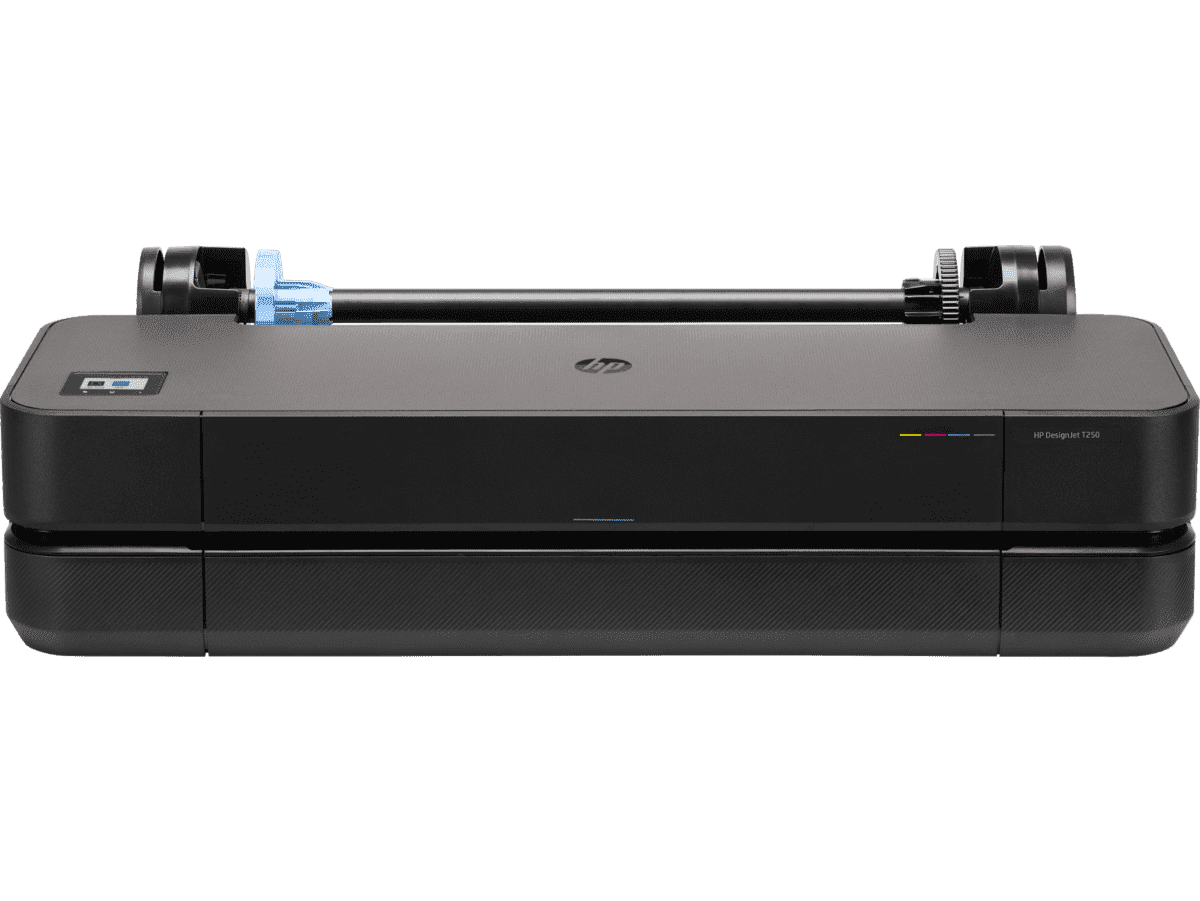
HP DesignJet T250 24-inch Compact Large Format A1 Plotter Printer + HP DesignJet T200/T600 Automatic Sheet Feeder + HP Installation Service for Design
A1 Colour HP DesignJet Large Format Printer, Perfect for Small Offices & Business Print 30 sec/page on A1; 76 A1 prints per hour USB, Ethernet, Wi-Fi Touchscreen; Automatic document feeder; Front USB flash drive port
MYR 5860.00MYR 4980.00Buy Now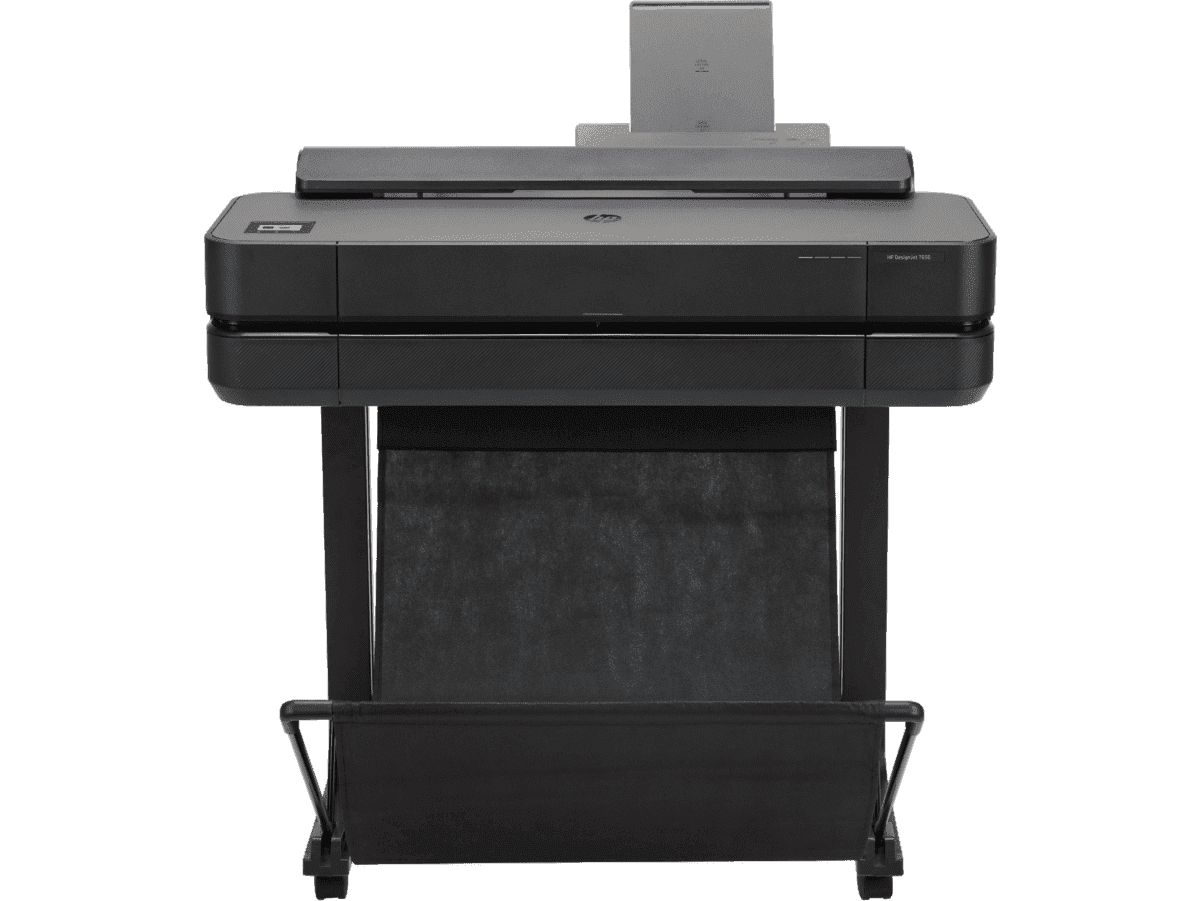
HP DesignJet T650 24-in Printer + HP Installation Service for DesignJet Series Entry Level (APJ)
A1 Colour HP DesignJet Large Format Printer, Perfect for Small Offices, Business & Enterprise Print 26 sec/page on A1; 81 A1 prints per hour Sheet feed, Roll feed, Automatic Sheet Feeder, Media Bin, Automatic Horizontal Cutter USB, Ethernet, Wi-Fi HP Click, HP Smartapp, HP Wolf Essential Security
MYR 8570.00MYR 6880.00Buy Now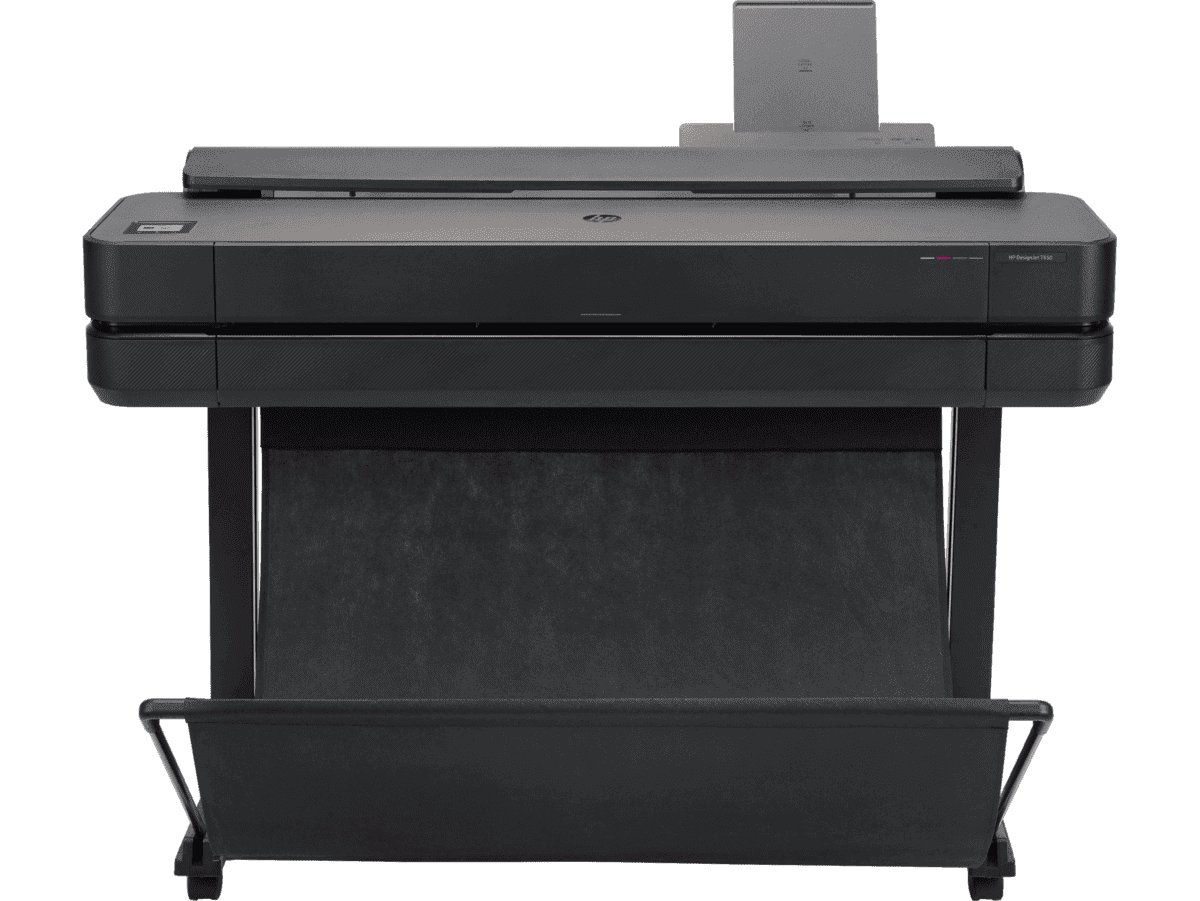
HP DesignJet T650 36-in Printer + HP Installation Service for DesignJet Series Entry Level (APJ)
A0 Colour HP DesignJet Large Format Printer, Perfect for Small Offices, Business & Enterprise Print Sheet feed, Roll feed, Automatic Sheet Feeder, Media Bin, Automatic Horizontal Cutter USB, Ethernet, Wi-Fi HP Click, HP Smartapp
MYR 11640.00MYR 9880.00Buy Now


