Blog
Filter categoryPlotter vs printer for AEC designs and blueprints

Technical Printing
|25 Feb 2023
If you're printing larger materials such as maps, blueprints, and engineering diagrams, a conventional printer may not do the job. In most cases, these materials require large-format printing, and small-scale printing simply can't capture the level of detail that these projects often demand. To help achieve the best results, you may want to use a plotter. Whether you're a hobbyist, architect, or engineer, you can use a plotter to create top-quality prints with consistent ease and efficiency. At the same time, plotters can minimise errors and ensure precision with every project. You might wonder what the differences are in terms of a plotter vs printer. Let's dive into these differences to help you determine which equipment you're better off getting.
One of the first questions you're likely to ask when deciding on a large-format printer purchase is: “Plotter vs printer, what is the difference?" Considering they're both printers, the confusion around these devices is understandable. The principal difference of a plotter vs printer is the size of paper they can use. Traditional printers can create large prints comprising multiple sheets of paper. But you can use large rolls of paper with a plotter, allowing for increased accuracy for scaling and ratios.
For professionals in Malaysia, particularly in the AEC sector, this level of precision is essential for projects like urban infrastructure in Kuala Lumpur or detailed blueprints for developments in Penang.
Plotters work by printing graphics and text based on points along X and Y axes. They're highly versatile and can work with larger print media, making them ideal for printing blueprints, maps, and other larger print jobs. If deciding on a plotter or laser printer, know that the former works differently from the other, using inkjet printing technology to print on paper. Additionally, they print in vector format. This is different from printers using raster or bitmap formats in their use of coordinates to form dots and connect them with a line. This vector format improves the quality of larger prints.
Business Benefits of Using a Plotter Printer for Large-Format Drawings
When considering a plotter or laser printer, it's important to consider the benefits of plotters compared to other types of printers.
Superior Quality and Precision
Versatility in Paper Size and Type
Greater Control Over the Printing Process
Enhanced Graphic Capabilities and Detail
The Drawbacks of Using a Plotter Printer for Large-Format Drawings

Before deciding on a plotter vs printer, you should also weigh the potential cons of using a traditional printer for large-format projects.
Reduced Printing Speed and Quality
Prone to Paper Jams and Mechanical Issues
High Cost of Ink or Toner for Large-Scale Printing
Increased Maintenance Requirements and Costs
When choosing between a plotter v/s printer, there are several factors to look for based on your unique needs.
For example, what type of project are you printing? Professionals working with large projects will have higher standards. Your ideal business printer should be able to work with vector graphics and produce high-resolution images, which professionals often require in the architecture, engineering, and construction (AEC) industry. In Malaysia, selecting a plotter designed to handle high humidity is equally important, as the tropical climate can impact print quality and machine longevity.
You can also choose from different types of plotters. For instance, drum plotters work by using a drum to hold paper or other print materials. The drum then moves below a fixed pen that performs the drawing. Alternatively, you may consider a flatbed plotter, which prints images on a flat surface and is better for larger projects than drum plotters.
Ultimately, the right plotter will come down to the materials you're printing on, their size, and the number of colours you need to print.
Investing in a Plotter: What You Need to Know
Before settling on a plotter, make sure it includes the features and capabilities you need. For example, does it meet your specifications and work with your computers' operating systems?
Keep in mind that buying secondhand may not be the best idea, either. While purchasing used or refurbished plotters might initially save you money, they could result in higher maintenance costs and replacement components. Instead, consider buying from trustworthy brands to get the most from your purchase.
Why a Plotter Is Essential for High-Quality, Large-Format Drawings
The combined quality, efficiency, versatility, and reliability of today's plotters make them ideal for printing large-format projects of all types. The key is to know where to look for the perfect plotter v/s printer products.
For high-quality plotters that can complete nearly any print job, turn to HP. To find the perfect solution, contact us today, and we'll put you in touch with one of our experts.
Download our eBook now and discover how innovation is streamlining workflows, producing prints of unmatched quality and increasing IT efficiency like never before.
Download eBook nowExplore plotter printers for your needs

HP DesignJet T850 36-in Multifunction Printer + HP Installation Service for DesignJet Series Entry Level (APJ)
A0 Color HP DesignJet Large Format Printer, Perfect for Business Print, copy, scan Dynamic security enabled printer 25 sec/page on A1 Ethernet, Wi-Fi Touchscreen, Automatic document feeder, Front USB flash drive port, Scan to PDF
MYR 18365.00MYR 17480.00Buy Now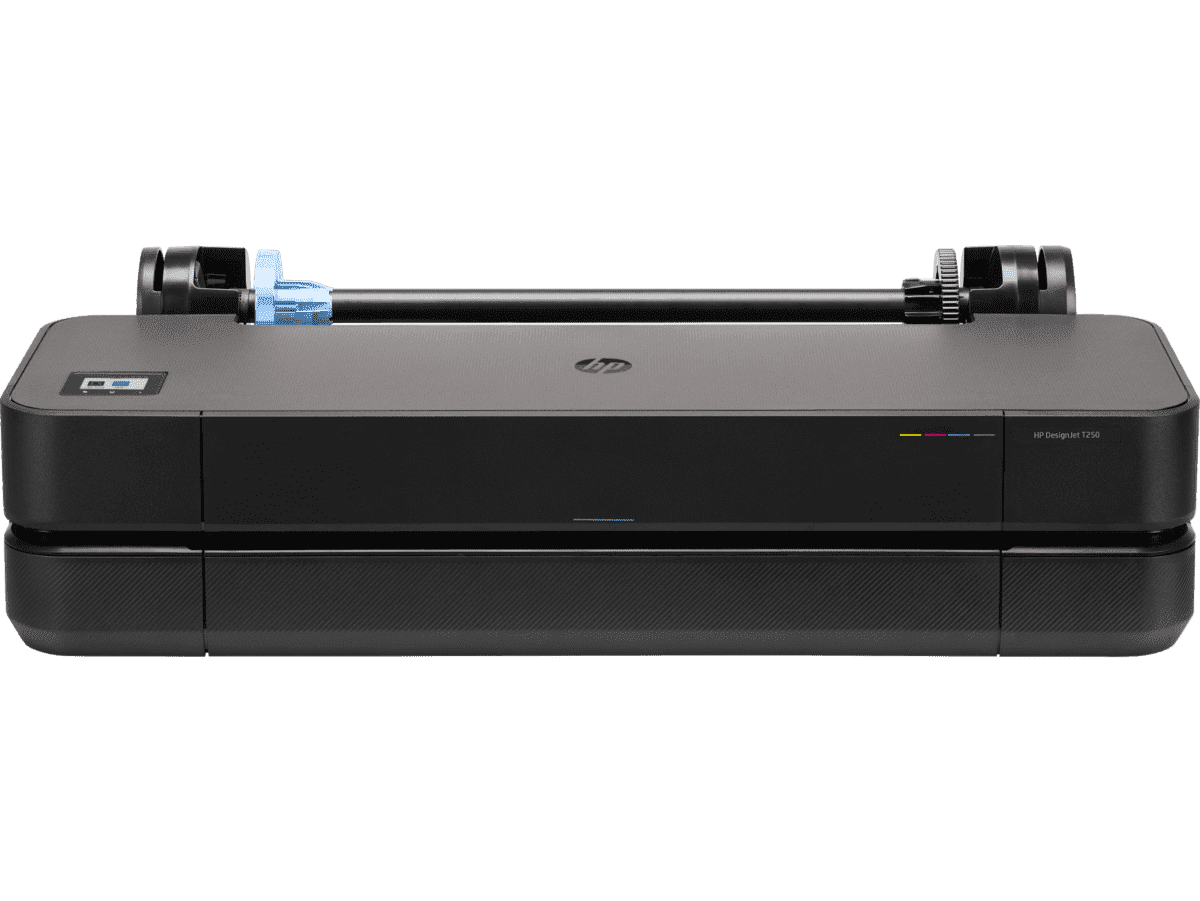
HP DesignJet T250 24-inch Compact Large Format A1 Plotter Printer + HP DesignJet T200/T600 Automatic Sheet Feeder + HP Installation Service for Design
A1 Colour HP DesignJet Large Format Printer, Perfect for Small Offices & Business Print 30 sec/page on A1; 76 A1 prints per hour USB, Ethernet, Wi-Fi Touchscreen; Automatic document feeder; Front USB flash drive port
MYR 5860.00MYR 4980.00Buy Now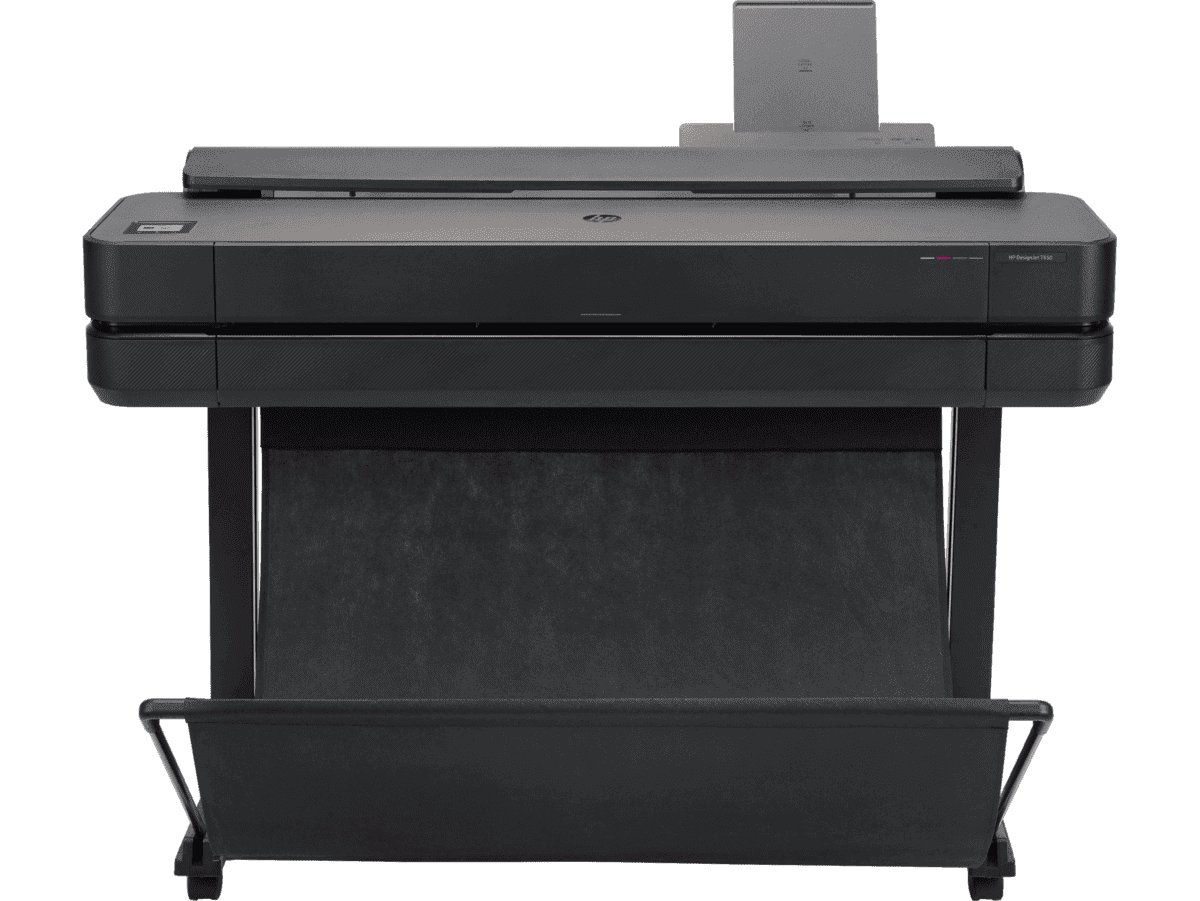
HP DesignJet T650 36-in Printer + HP Installation Service for DesignJet Series Entry Level (APJ)
A0 Colour HP DesignJet Large Format Printer, Perfect for Small Offices, Business & Enterprise Print Sheet feed, Roll feed, Automatic Sheet Feeder, Media Bin, Automatic Horizontal Cutter USB, Ethernet, Wi-Fi HP Click, HP Smartapp
MYR 11640.00MYR 9880.00Buy Now


