Blog
Filter categoryHow industry transformation drives change for PSPs

Technical Printing
|16 Jun 2021
Print businesses are making it a high priority to diversify their large format print offering as customers increasingly demand unique ideas, more creative solutions, and new content. However, business leaders are aware something needs to be done, but many don’t know where to start.
The solution is to begin the journey of transformation so they can offer more competitive services that will shape the future. Not only will it help businesses serve existing customers better, it will enable them to enter new markets, innovate new print solutions, find fresh revenue opportunities, and scale up their offerings into the future.
Transformation is definitely on the minds of many print businesses. Two fifths regard diversification of their large format print offering as a high priority, according to a survey from Widthwise in 2020. 1 This could come from providing new products and services to existing customers or finding innovative ways to build an additional customer base. There are many ways to evolve.

WHY NOW IS THE TIME TO TRANSFORM

INNOVATING IN NEW AREAS COULD BENEFIT YOUR BUSINESS

HOW CONTENT REQUIREMENTS ARE EXPANDING THE POSSIBILITIES

DIVERSIFICATION AND INDUSTRY TRANSFORMATION MARK THE ROAD FORWARD
- www.imagereportsmag.co.uk/widthwise
- www.reportlinker.com/p03915683/Global-Wide-Format-Printers-Industry.html?utm_source=GNW
- www.ibisworld.com/united-states/market-research-reports/printing-services-industry/
- www.globenewswire.com/en/news-release/2019/04/23/1808076/0/en/Global-Digitally-Printed-Wallpaper-DPW-Market-to-Witness-a-CAGR-of-23-6-during-2019-2025.html
- www.smithers.com/resources/2020/nov/printed-paperboard-covid19-ecommerce-and-beyond
10 Ways to Evolve Your Print Business.
Learn more Learn more
Explore plotter printers for your needs

HP DesignJet T850 36-in Multifunction Printer + HP Installation Service for DesignJet Series Entry Level (APJ)
A0 Color HP DesignJet Large Format Printer, Perfect for Business Print, copy, scan Dynamic security enabled printer 25 sec/page on A1 Ethernet, Wi-Fi Touchscreen, Automatic document feeder, Front USB flash drive port, Scan to PDF
MYR 18365.00MYR 17480.00Buy now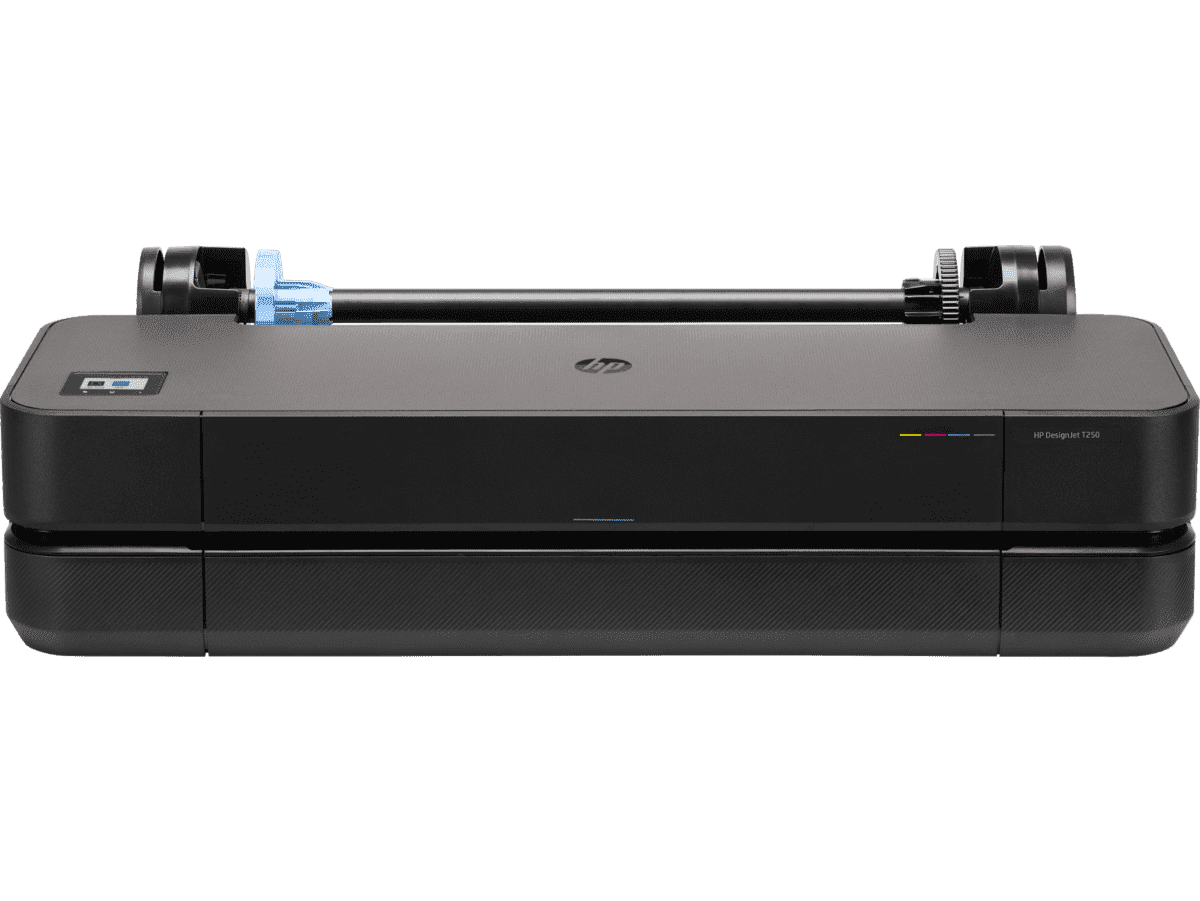
HP DesignJet T250 24-inch Compact Large Format A1 Plotter Printer + HP DesignJet T200/T600 Automatic Sheet Feeder + HP Installation Service for Design
A1 Colour HP DesignJet Large Format Printer, Perfect for Small Offices & Business Print 30 sec/page on A1; 76 A1 prints per hour USB, Ethernet, Wi-Fi Touchscreen; Automatic document feeder; Front USB flash drive port
MYR 5860.00MYR 4980.00Buy now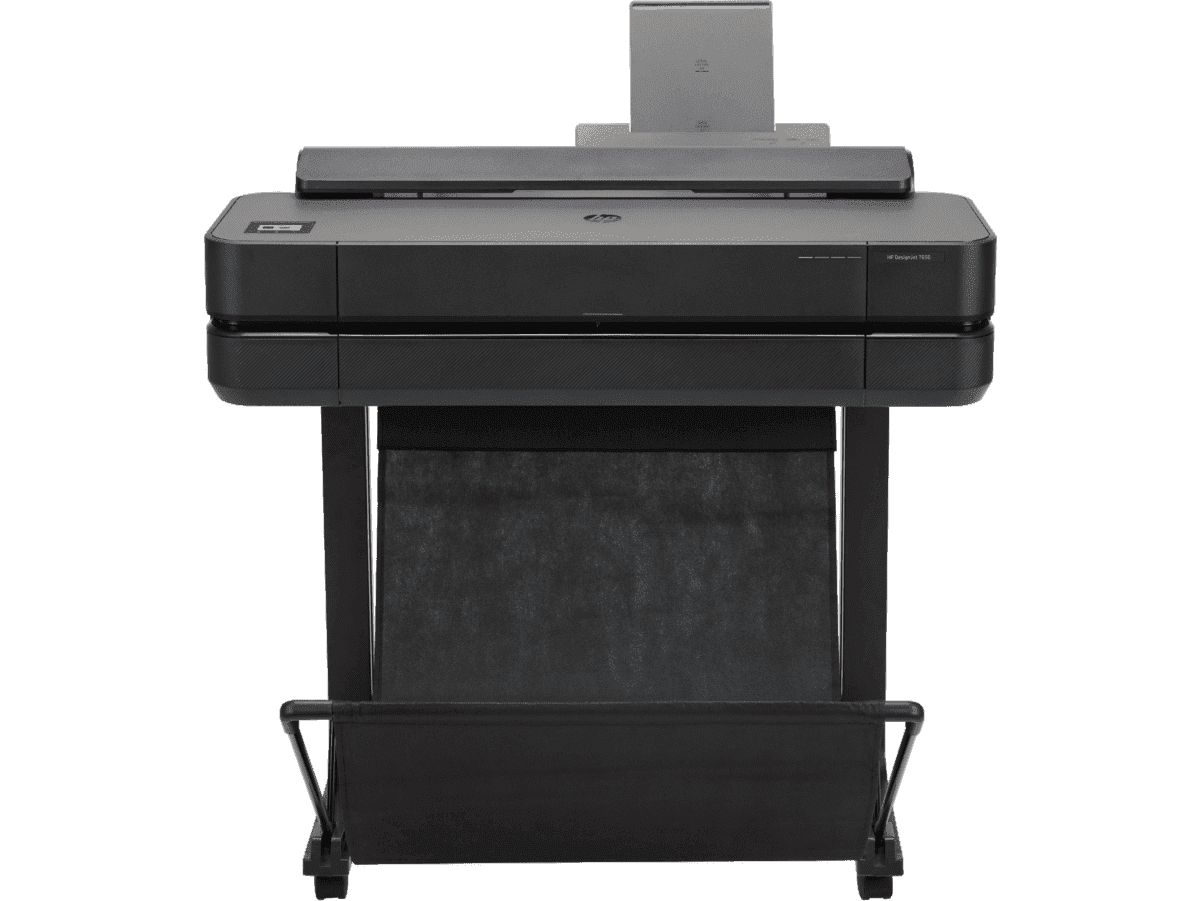
HP DesignJet T650 24-in Printer + HP Installation Service for DesignJet Series Entry Level (APJ)
Functions: PrintAuto sheet feeder: A4, A3; manual feed: A4, A3, A2, A1Print quality color: Up to 2400 x 1200 optimized dpiPrint speed: 26 sec/page on A1, 81 A1 prints per hour[1]Number of print cartridges: 4 (C, M, Y, K)
MYR 8570.00MYR 6880.00Buy now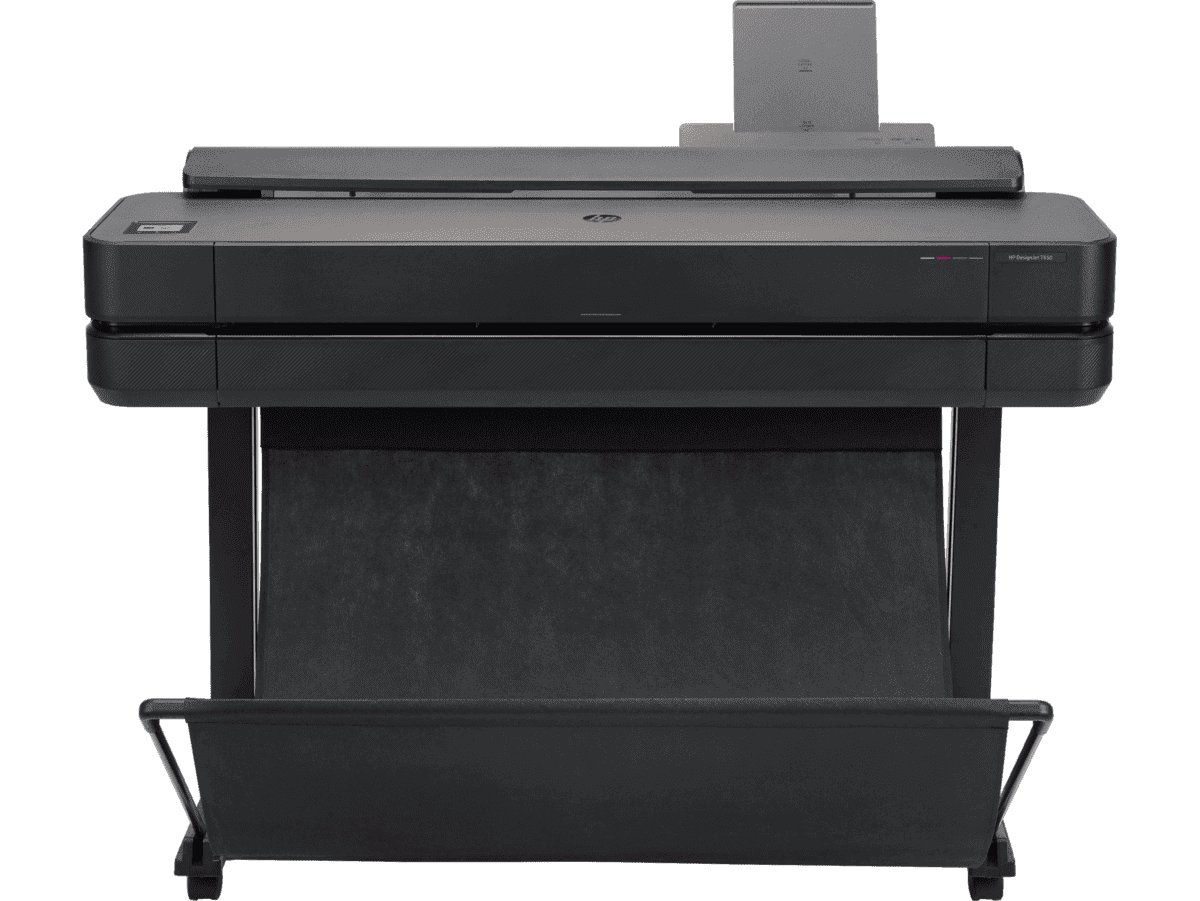
HP DesignJet T650 36-in Printer + HP Installation Service for DesignJet Series Entry Level (APJ)
Functions: PrintAuto sheet feeder: A4, A3; manual feed: A4, A3, A2, A1, A0Print quality color: Up to 2400 x 1200 optimized dpiPrint speed: 25 sec/page on A1, 82 A1 prints per hour[1]Number of print cartridges: 4 (C, M, Y, K)
MYR 11640.00MYR 9880.00Buy now
You may also like
 Plotter Printers
Print Scheduling Tips for Lower AEC Project Overheads
 Plotter Printers
Reducing High-Volume Printing Costs in Malaysian AEC
 Plotter Printers
Why using HP MFP for scanning helps reduce rework
- HP DesignJet
Cost-effective printing of safety plans and wayfinding information
- Sustainability
Paper-saving techniques when printing AEC blueprints
- How-To
How to nake your printer faster for urgent blueprints
- Plotter Printers
Plotter care habits that keep your blueprints job-ready
- Digital Tools
Remote printing guide to increase AEC workflow efficiency
- Sustainability
How scheduling plotter saves electricity costs
- Plotter Printers
Cut AEC operating costs with HP Plotters
6 tips to portfolio printing for AEC professionals
- Digital Tools
How HP Click can streamline working processes
 HP DesignJet
Blueprint annotation guide: How to add notes that stay sharp on paper
 GIS
GISPrinting topographical maps: What AEC professionals should know
 How-To
A guide to large format printing for architects and designers
 GIS
GISHow GIS mapping tools support large format printing for civil engineering
 How-To
How to use large format plotters for facility management floorplans
 How-To
Common mistakes and fixes for poor-quality blueprints
 CAD Printing
Common print file types for blueprints explained
 How-To
Common printing mistakes: How to avoid costly errors in large format jobs
Select Your Country/Region and Language
Close Country/Region Selector Dialog
Europe, Middle East and Africa
- Africa
- Afrique
- België
- Belgique
- Česká republika
- Danmark
- Deutschland
- Eesti
- España
- France
- Hrvatska
- Ireland
- Italia
- Latvija
- Lietuva
- Magyarország
- Middle East
- Nederland
- Nigeria
- Norge
- Österreich
- Polska
- Portugal
- România
- Saudi Arabia
- Slovenija
- Slovensko
- South Africa
- Suisse
- Suomi
- Sverige
- Switzerland
- Türkiye
- United Kingdom
- Ελλάδα
- България
- Казахстан
- Србија
- Україна
- ישראל
- الشرق الأوسط
- المملكة العربية السعودية
Country/Region :
Close Country/Region Selector
SelectedMalaysia
popUpSRBeginingLabelString
HP Worldwide
Select Your Country/Region and Language
Click or use the tab key to select your country
Close Country/Region Selector Dialog
- Africa
- Afrique
- América Central
- Argentina
- Asia Pacific
- Australia
- Bangladesh
- België
- Belgique
- Bolivia
- Brasil
- Canada
- Canada - Français
- Caribbean
- Česká republika
- Chile
- Colombia
- Danmark
- Deutschland
- Ecuador
- Eesti
- España
- France
- Hong Kong SAR
- Hrvatska
- India
- Indonesia
- Ireland
- Italia
- Latvija
- Lietuva
- Magyarország
- Malaysia
- México
- Middle East
- Nederland
- New Zealand
- Nigeria
- Norge
- Österreich
- Pakistan
- Paraguay
- Perú
- Philippines
- Polska
- Portugal
- Puerto Rico
- România
- Saudi Arabia
- Singapore
- Slovenija
- Slovensko
- South Africa
- Sri Lanka
- Suisse
- Suomi
- Sverige
- Switzerland
- Türkiye
- United Kingdom
- United States
- Uruguay
- Venezuela
- Việt Nam
- Ελλάδα
- България
- Казахстан
- Србија
- Україна
- ישראל
- الشرق الأوسط
- المملكة العربية السعودية
- ไทย
- 中华人民共和国
- 臺灣 地區
- 日本
- 香港特別行政區
- 한국
- Recalls |
- Product recycling |
- Accessibility |
- Privacy |
- Terms of use |
- Limited warranty statement |
- Use of Cookies |
©2026 HP Development Company, L.P. The information contained herein is subject to change without notice.