Blog
Filter categoryBIM benefits for Architects, Engineers, and Construction (AEC) firms

Technical Printing
|10 Nov 2022
Building Information Modelling (BIM) is a process that uses computer-generated 3D models to help architects, engineers, and construction professionals plan, design, construct, and manage buildings and infrastructure projects. The AEC industry is rapidly adopting BIM technology. Some key BIM benefits for architects include creating more accurate and detailed designs and better visualising the finished product.
BIM also provides some benefits for the construction industry, including the ability to:
- Streamline construction processes
- Improve communication between project stakeholders
- Reduce the risk of errors and omissions
In short, BIM is changing the face of the AEC industry. Its benefits are poised to make it the de facto leader in computer-aided design. Here, we're going to look at what BIM is, how BIM is changing the face of AEC, and how BIM benefits for architects make it poised to be the leader in computer-aided design.
How Is BIM Used in the Construction Industry?
Why Is the Use of BIM is Increasing in Construction Projects?
In recent years, the use of building information modelling has become increasingly common in construction projects. BIM is a digital construction model containing information about the structure, systems, and components that professionals use to plan, design, construct and operate the building. BIM is important in construction because it allows for better coordination between the various disciplines involved in a project. It also helps to avoid potential conflicts between different trade activities, demonstrating the benefits of using BIM in construction.
Additionally, BIM is changing the construction industry by increasing collaboration between architects, engineers, and contractors. BIM is also making it possible to prefabricate more building components off-site. This is leading to faster and more efficient construction processes.
Lastly, BIM can generate accurate cost estimates and schedules. As a result, a cost-benefit analysis of BIM can help to optimise the construction budget and schedule. These estimates and schedules are essential in construction as they help ensure that projects are completed on time and within budget. BIM is becoming a norm in construction projects due to its many benefits.
What Is BIM, and What Are Its Benefits?
BIM is a process that uses digital technology to create a three-dimensional model of a construction project. Architects, engineers, and other construction professionals can use the model to plan, design, and build structures more efficiently and effectively. BIM has revolutionised the construction industry, and the BIM benefits for architects are becoming more well-known daily.
Some of the top BIM benefits for architects include the following:
Improved Visualisation With a 3D Model
Increased Collaboration and Knowledge-Building Between Construction Professionals
Creation of BIM Execution Plans
Clash Detection Services
Increased ROI From BIM Adoption and Implementation
Choose the Right HP Sales Expert

When you're an architect, chances are you're always looking for ways to improve your workflow and save time. Building information modelling is one tool that can help you do just that. With BIM, you can create a digital project model that contains every detail you need to plan, design, and construct your building. This means that you can avoid costly errors and make changes to your plans more quickly and easily.
HP sales experts can help you choose the right large-format printer for your BIM workflow. As a BIM consultation partner, we have the knowledge and experience to help you select the right HP printer, scanner, and software for your needs. Contact us today to discuss your printing options and needs.
Download our eBook now and discover how innovation is streamlining workflows, producing prints of unmatched quality and increasing IT efficiency like never before.
Download eBook nowExplore plotter printers for your needs
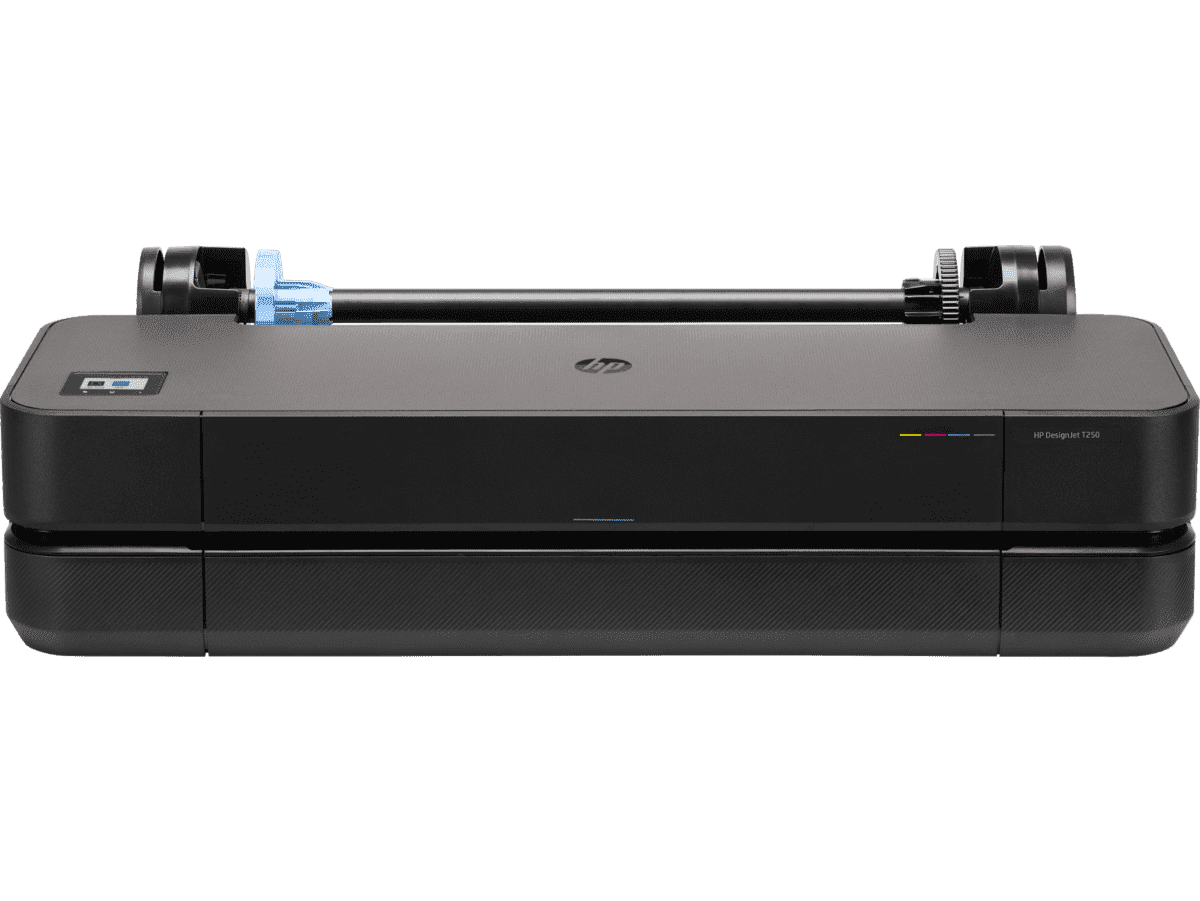
HP DesignJet T250 24-inch Compact Large Format A1 Plotter Printer + HP DesignJet T200/T600 Automatic Sheet Feeder + HP Installation Service for Design
A1 Colour HP DesignJet Large Format Printer, Perfect for Small Offices & Business Print 30 sec/page on A1; 76 A1 prints per hour USB, Ethernet, Wi-Fi Touchscreen; Automatic document feeder; Front USB flash drive port
MYR 5860.00MYR 4980.00Buy Now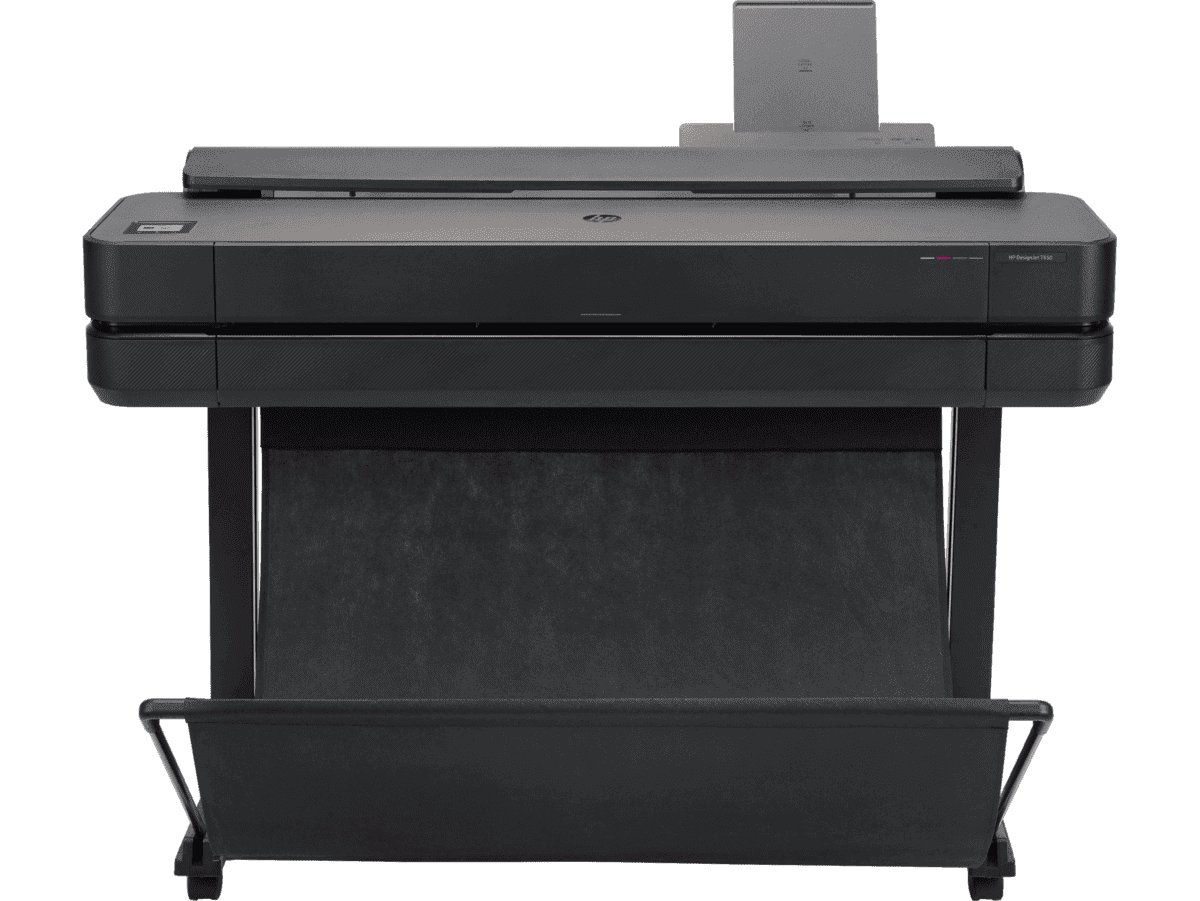
HP DesignJet T650 36-in Printer + HP Installation Service for DesignJet Series Entry Level (APJ)
Functions: PrintAuto sheet feeder: A4, A3; manual feed: A4, A3, A2, A1, A0Print quality color: Up to 2400 x 1200 optimized dpiPrint speed: 25 sec/page on A1, 82 A1 prints per hour[1]Number of print cartridges: 4 (C, M, Y, K)
MYR 11640.00MYR 9880.00Buy Now
Anda mungkin juga suka
 Pencetak Plotter
Print Scheduling Tips for Lower AEC Project Overheads
 Pencetak Plotter
Reducing High-Volume Printing Costs in Malaysian AEC
 Pencetak Plotter
Why using HP MFP for scanning helps reduce rework
- HP DesignJet
Cost-effective printing of safety plans and wayfinding information
- Kelestarian
Paper-saving techniques when printing AEC blueprints
- How-To
How to nake your printer faster for urgent blueprints
- Pencetak Plotter
Plotter care habits that keep your blueprints job-ready
- Alat Digital
Remote printing guide to increase AEC workflow efficiency
- Kelestarian
How scheduling plotter saves electricity costs
- Pencetak Plotter
Cut AEC operating costs with HP Plotters
- HP DesignJet
6 tips to portfolio printing for AEC professionals
- Alat Digital
How HP Click can streamline working processes
 HP DesignJet
Blueprint annotation guide: How to add notes that stay sharp on paper
 GIS
GISPrinting topographical maps: What AEC professionals should know
 How-To
A guide to large format printing for architects and designers
 GIS
GISHow GIS mapping tools support large format printing for civil engineering
 How-To
How to use large format plotters for facility management floorplans
 How-To
Common mistakes and fixes for poor-quality blueprints
 Pencetakan CAD
Common print file types for blueprints explained
 How-To
Common printing mistakes: How to avoid costly errors in large format jobs