Blog
Filter categoryWhat automation means for AEC's future

Technical Printing
|20 oct 2022
Automation continues to radically change many industries, including automation in construction architecture, construction, and engineering. You'll find all types of devices and software driving automation in architecture and the broader AEC sector, from automated site surveying solutions and blueprint drawing software to constant job site monitoring.
The question is whether automation is a threat to the AEC industry or a chance to bring it into the future especially with the advancements in automation in engineering design. Historically, the AEC industry has been slow to evolve from a technology perspective, but automated solutions could enable it to move forward more efficiently.
How Automation in the AEC Sector Will Drive the Future of AEC Work
Automation simplifies a wide range of processes and automation in engineering design is a key component that will drive the future of AEC work. While the AEC sector has been somewhat resistant to adopting new solutions, it has already benefited from different types of business tech. With the effects of the pandemic still lingering in this industry, the AEC workforce will also likely be more inclined to adopt automation in engineering design sooner rather than later.
Labour shortages and other issues have made it important to optimise the efficiency of projects in the AEC industry, as much as possible. With the help of automation in architecture, companies in this sector will be able to overcome the challenges they face more easily. At the same time, new automation technology, automation in engineering design and Construction 4.0 won't necessarily replace human workers so much as supplement their efforts and improve their overall efficiency.
It's essential for business leaders in the AEC and construction industry to consider how automation in construction will improve efficiency and cost-effectiveness. One of the reasons why the AEC industry has been slow to implement automation is the worry around the initial cost of integration. Business leaders are concerned about how much they'll spend on the technology. But the investment is worth it if it means a successful future in the long term.
In the end, automation in architecture and artificial intelligence (AI) will improve the productivity of AEC professionals and systems. This will translate to reduced costs. For example, solutions that facilitate machine learning can continually improve efficiency over time, helping businesses make more informed decisions that fuel growth. Meanwhile, automation APIs for software tools like Autodesk Revit simplify building information modelling for all types of professionals working for AEC firms. Drone technology has also come a long way in helping survey property, assess maintenance requirements, and perform other tasks.
How Can You Grow Your AEC Company?
If you're wondering how you can grow your AEC company, there are plenty of ways to do so with digital change through automation. With another critical labour shortage and the need for improved efficiency affecting every AEC firm, you can carry your business into the digital era with the right steps and integrations. Also, accommodating primarily remote collaboration will further help you succeed.
The following are some specific strategies you can use to grow your AEC company with digital change through automation:
Decide Whether to Hire Drone Specialists or Drone Subcontractors
Consider Managed IT Services
Dive Deep Into Marketing
Alternative Building Methods

To further develop automation in the AEC sector, consider certain building method alternatives that can improve your operations in various ways.
Some examples of popular alternative construction methods to use today include:
Global Connectivity
Geospatial Technology
Autonomous Construction Equipment
Alternative Building Materials
Reach Out to HP to Solve Your Printing Needs
Automation in the AEC sector will continue as technology advances and more companies adopt automated solutions. At HP, we can help automate your company's printing processes with the right resources and expertise. Contact us today to discuss your printing needs.
Speak to an HP representative
Explore plotter printers for your needs

HP DesignJet T850 36-in Multifunction Printer + HP Installation Service for DesignJet Series Entry Level (APJ)
A0 Color HP DesignJet Large Format Printer, Perfect for Business Print, copy, scan Dynamic security enabled printer 25 sec/page on A1 Ethernet, Wi-Fi Touchscreen, Automatic document feeder, Front USB flash drive port, Scan to PDF
MYR 18365.00MYR 17480.00Buy Now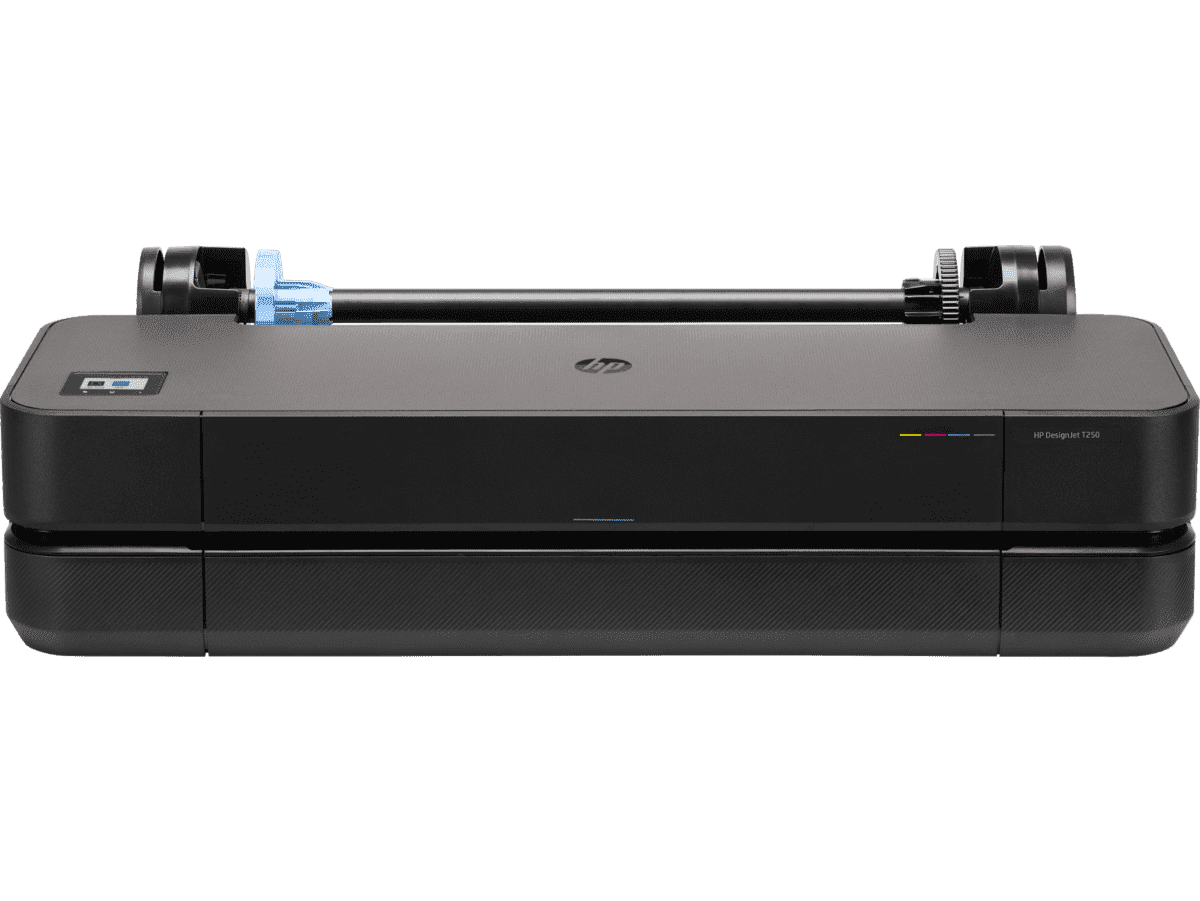
HP DesignJet T250 24-inch Compact Large Format A1 Plotter Printer + HP DesignJet T200/T600 Automatic Sheet Feeder + HP Installation Service for Design
A1 Colour HP DesignJet Large Format Printer, Perfect for Small Offices & Business Print 30 sec/page on A1; 76 A1 prints per hour USB, Ethernet, Wi-Fi Touchscreen; Automatic document feeder; Front USB flash drive port
MYR 5860.00MYR 4980.00Buy Now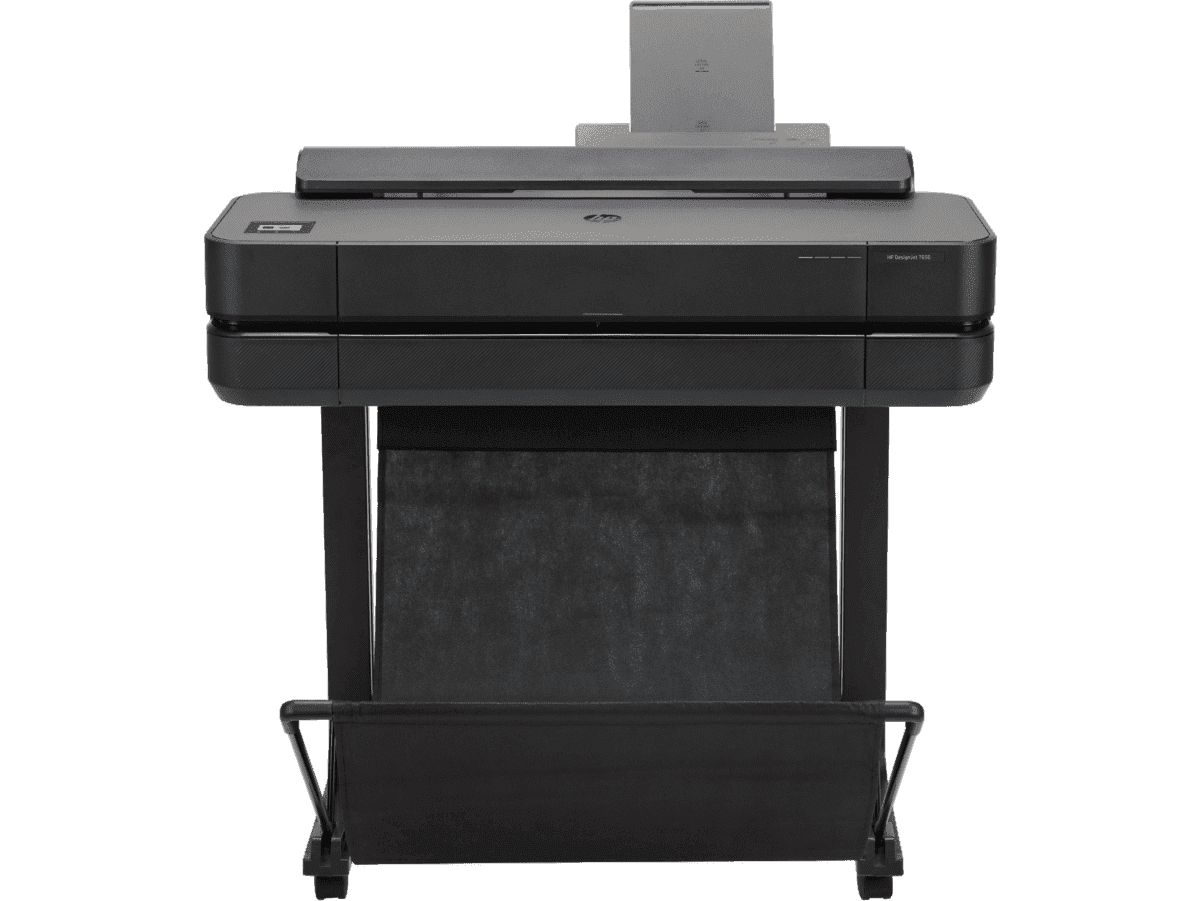
HP DesignJet T650 24-in Printer + HP Installation Service for DesignJet Series Entry Level (APJ)
A1 Colour HP DesignJet Large Format Printer, Perfect for Small Offices, Business & Enterprise Print 26 sec/page on A1; 81 A1 prints per hour Sheet feed, Roll feed, Automatic Sheet Feeder, Media Bin, Automatic Horizontal Cutter USB, Ethernet, Wi-Fi HP Click, HP Smartapp, HP Wolf Essential Security
MYR 8570.00MYR 6880.00Buy Now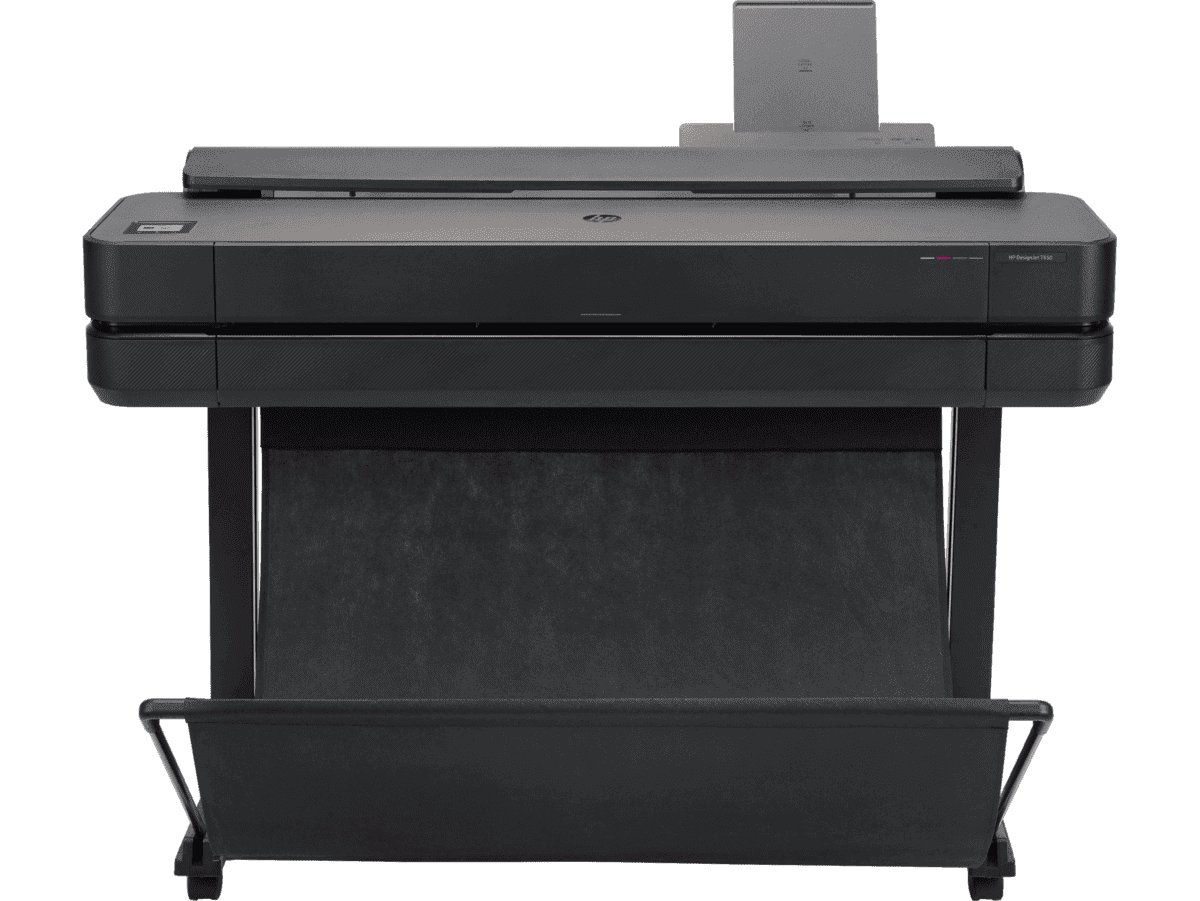
HP DesignJet T650 36-in Printer + HP Installation Service for DesignJet Series Entry Level (APJ)
A0 Colour HP DesignJet Large Format Printer, Perfect for Small Offices, Business & Enterprise Print Sheet feed, Roll feed, Automatic Sheet Feeder, Media Bin, Automatic Horizontal Cutter USB, Ethernet, Wi-Fi HP Click, HP Smartapp
MYR 11640.00MYR 9880.00Buy Now


