Blog
Filter category5 ways to use the best large format printers for technical printing

Technical Printing
|11 Sep 2022
Technical printing is one of the most frequent tasks carried out by manufacturers in the construction, engineering and architecture businesses. These businesses develop innovative strategies to boost productivity and provide clients with extra value. One approach to standing out in the crowd is using the best large format printer in their projects.
Your company will significantly benefit from having a large format printer if it relies heavily on technical printing. Read on to learn more about what is a technical printer plotter and discover how it can impact technical printing.
What Is Technical Printing?
Technical printing is a catch-all for practical printing tasks that deviate from accepted practices, materials, techniques, and specifications. These projects, which often belong to highly regulated industries such as construction, necessitate exceedingly tight tolerances and critical product criteria.
Functional and technical printing is employed in similar contexts, such as membrane switches. However, technical printing has significantly stricter standards.
What Is Technical Printing Used For?
Large format printing is ideal for huge print media, including building wraps and murals. Most businesses use technical printing to create flat objects that can be wall-hung, folded, or made to stand.
Businesses that develop architectural, engineering, or construction or any other technical drawing prints and require precise and specialised printing frequently use technical printers. To answer the common question, i.e. what is a technical plotter printer, it is a specialised printer commonly used for maps, Computer-Aided Design (CAD), and business graphics.
The two other applications include floor plans and printouts from GIS. The best large format printer options are renowned for producing high-quality water- and abrasion-resistant prints.
Top 5 Benefits of Using Large Format Printers in Technical Printing
1. High-Quality and Detailed Printouts
2. Versatility
3. Increased Efficiency
4. Reliable Performance

The best technical printer must function whenever needed. Today, many large format printers come equipped with built-in nozzle adjustment and anti-clogging technology, which helps the print heads stay operating at peak efficiency even after extended periods of inactivity. As a result, there will be less worry and waste than with earlier printers.
The best technical printer should also have a high-density print head to create fine details and lines. These heads can even help reduce mist spray. Your print will come out perfectly the first time because of this high level of precision.
The right printers even have a media configuration tool to ensure the best media usage based on your intended output.
These features all work together to reduce the possibility of user error and to make large format printing as simple as a few trackpads or mouse clicks. When your hardware operates quickly and consistently, your financial situation will benefit.
5. Reduced Turnaround Times
Improve Your Technical Drawing Prints Today With the Best Technical Printer
Wide-ranging organisational, production, and product changes are a frequent occurrence in large format digital printing projects. Using the right technology to maximise performance throughout the various manufacturing stages can raise business quotas and streamline operations.
Large format printers are increasingly important for most businesses because they are less expensive than third-party solutions and generate documents with a greater resolution and colour fidelity. Therefore, it is a certainty that you can maximise the use of large format printers and get the most out of them.
Learn more about large format printers today. Also, feel free to contact HP to speak with an expert if you decide to look further into what is a technical printer plotter and which printer that matches your needs.
Speak to an HP representative
Explore plotter printers for your needs
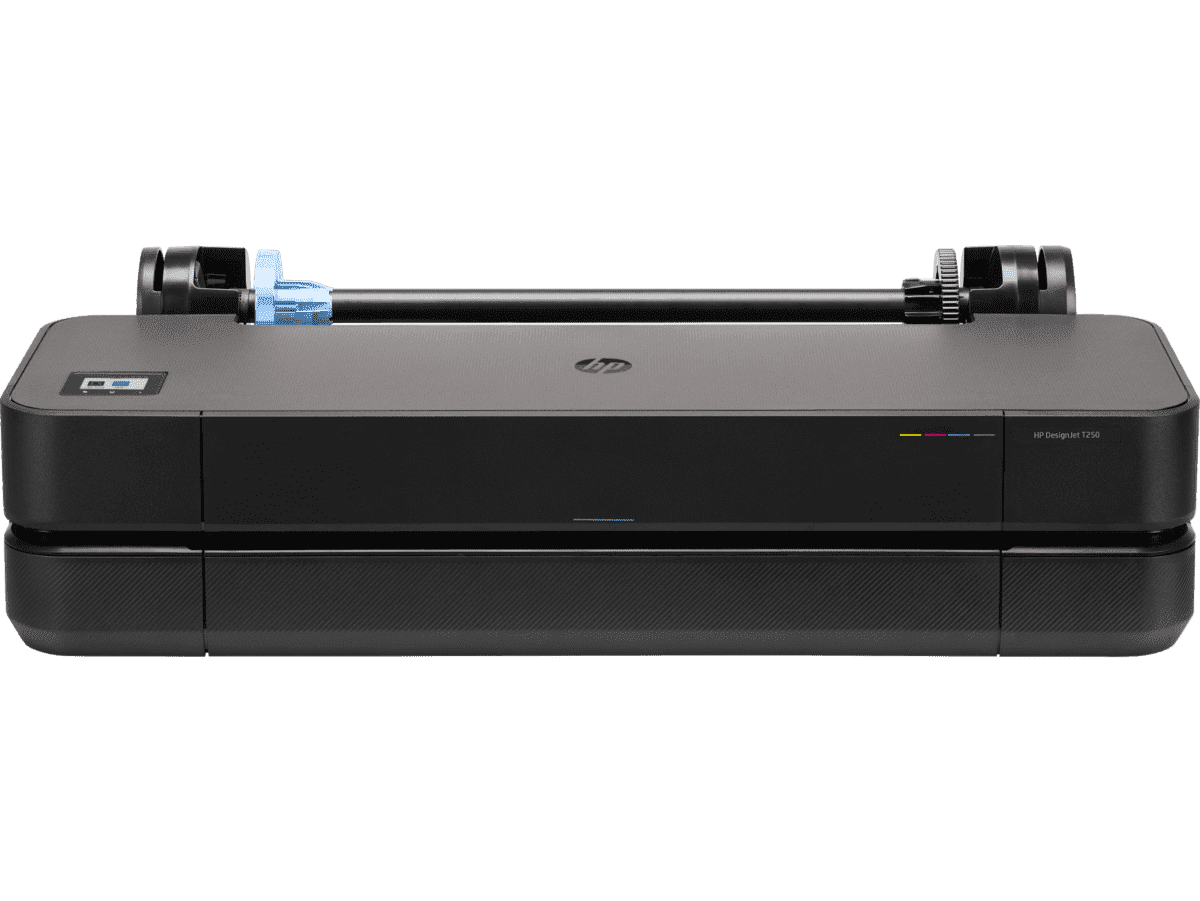
HP DesignJet T250 24-inch Compact Large Format A1 Plotter Printer + HP DesignJet T200/T600 Automatic Sheet Feeder + HP Installation Service for Design
A1 Colour HP DesignJet Large Format Printer, Perfect for Small Offices & Business Print 30 sec/page on A1; 76 A1 prints per hour USB, Ethernet, Wi-Fi Touchscreen; Automatic document feeder; Front USB flash drive port
MYR 5860.00MYR 4980.00Buy Now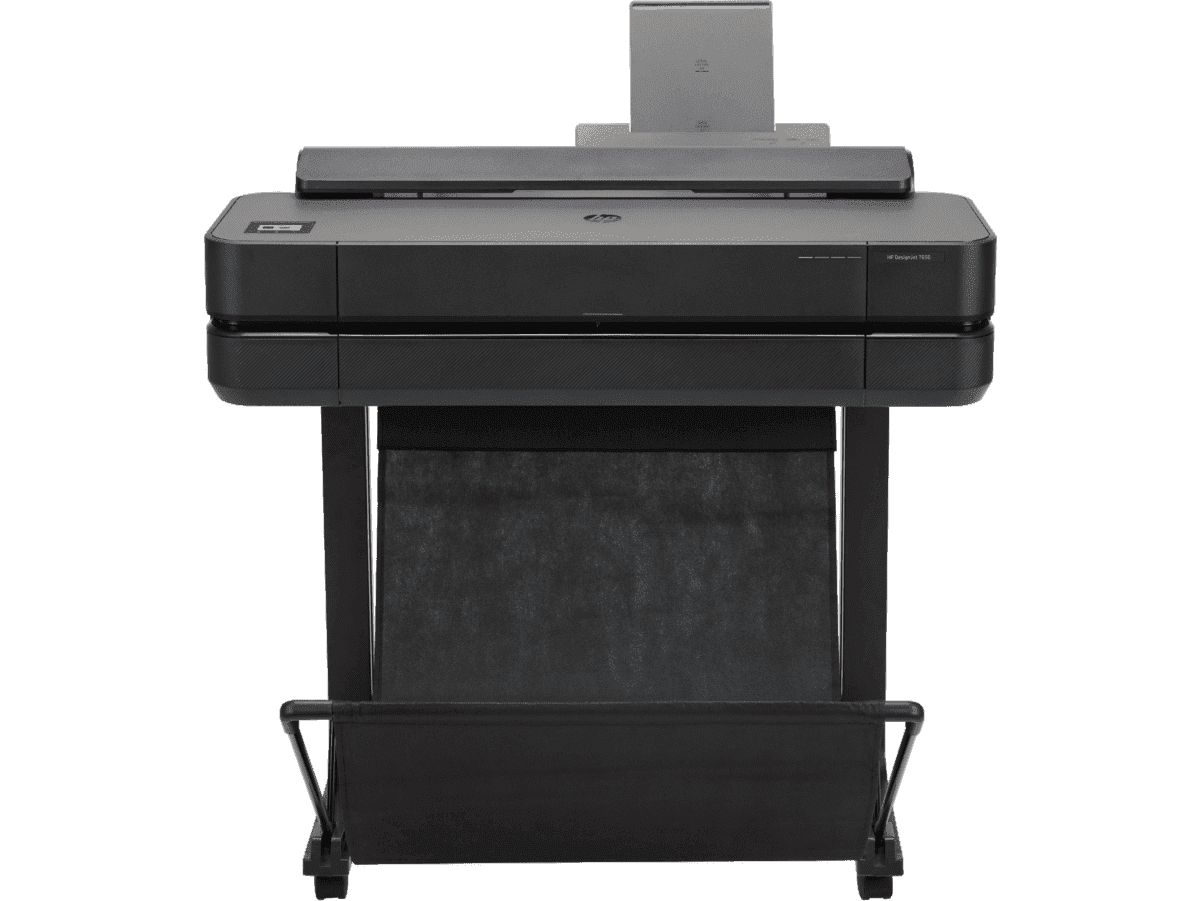
HP DesignJet T650 24-in Printer + HP Installation Service for DesignJet Series Entry Level (APJ)
Functions: PrintAuto sheet feeder: A4, A3; manual feed: A4, A3, A2, A1Print quality color: Up to 2400 x 1200 optimized dpiPrint speed: 26 sec/page on A1, 81 A1 prints per hour[1]Number of print cartridges: 4 (C, M, Y, K)
MYR 8570.00MYR 6880.00Buy Now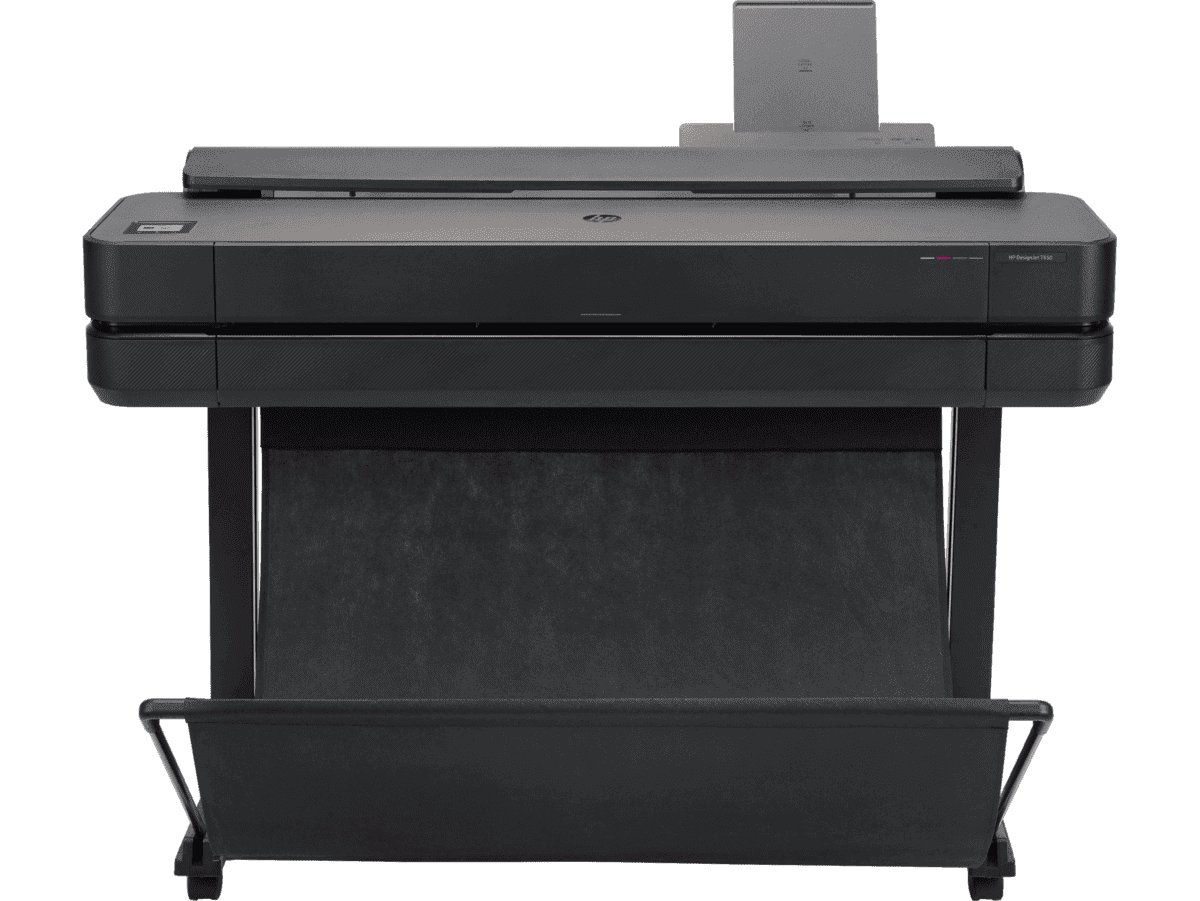
HP DesignJet T650 36-in Printer + HP Installation Service for DesignJet Series Entry Level (APJ)
Functions: PrintAuto sheet feeder: A4, A3; manual feed: A4, A3, A2, A1, A0Print quality color: Up to 2400 x 1200 optimized dpiPrint speed: 25 sec/page on A1, 82 A1 prints per hour[1]Number of print cartridges: 4 (C, M, Y, K)
MYR 11640.00MYR 9880.00Buy Now
Anda mungkin juga suka
 Pencetak Plotter
Print Scheduling Tips for Lower AEC Project Overheads
 Pencetak Plotter
Reducing High-Volume Printing Costs in Malaysian AEC
 Pencetak Plotter
Why using HP MFP for scanning helps reduce rework
- HP DesignJet
Cost-effective printing of safety plans and wayfinding information
- Kelestarian
Paper-saving techniques when printing AEC blueprints
- How-To
How to nake your printer faster for urgent blueprints
- Pencetak Plotter
Plotter care habits that keep your blueprints job-ready
- Alat Digital
Remote printing guide to increase AEC workflow efficiency
- Kelestarian
How scheduling plotter saves electricity costs
- Pencetak Plotter
Cut AEC operating costs with HP Plotters
- HP DesignJet
6 tips to portfolio printing for AEC professionals
- Alat Digital
How HP Click can streamline working processes
 HP DesignJet
Blueprint annotation guide: How to add notes that stay sharp on paper
 GIS
GISPrinting topographical maps: What AEC professionals should know
 How-To
A guide to large format printing for architects and designers
 GIS
GISHow GIS mapping tools support large format printing for civil engineering
 How-To
How to use large format plotters for facility management floorplans
 How-To
Common mistakes and fixes for poor-quality blueprints
 Pencetakan CAD
Common print file types for blueprints explained
 How-To
Common printing mistakes: How to avoid costly errors in large format jobs
Select Your Country/Region and Language
Close Country/Region Selector Dialog
Europe, Middle East and Africa
- Africa
- Afrique
- België
- Belgique
- Česká republika
- Danmark
- Deutschland
- Eesti
- España
- France
- Hrvatska
- Ireland
- Italia
- Latvija
- Lietuva
- Magyarország
- Middle East
- Nederland
- Nigeria
- Norge
- Österreich
- Polska
- Portugal
- România
- Saudi Arabia
- Slovenija
- Slovensko
- South Africa
- Suisse
- Suomi
- Sverige
- Switzerland
- Türkiye
- United Kingdom
- Ελλάδα
- България
- Казахстан
- Србија
- Україна
- ישראל
- الشرق الأوسط
- المملكة العربية السعودية
Country/Region :
Close Country/Region Selector
SelectedMalaysia
popUpSRBeginingLabelString
HP Worldwide
Select Your Country/Region and Language
Click or use the tab key to select your country
Close Country/Region Selector Dialog
- Africa
- Afrique
- América Central
- Argentina
- Asia Pacific
- Australia
- Bangladesh
- België
- Belgique
- Bolivia
- Brasil
- Canada
- Canada - Français
- Caribbean
- Česká republika
- Chile
- Colombia
- Danmark
- Deutschland
- Ecuador
- Eesti
- España
- France
- Hong Kong SAR
- Hrvatska
- India
- Indonesia
- Ireland
- Italia
- Latvija
- Lietuva
- Magyarország
- Malaysia
- México
- Middle East
- Nederland
- New Zealand
- Nigeria
- Norge
- Österreich
- Pakistan
- Paraguay
- Perú
- Philippines
- Polska
- Portugal
- Puerto Rico
- România
- Saudi Arabia
- Singapore
- Slovenija
- Slovensko
- South Africa
- Sri Lanka
- Suisse
- Suomi
- Sverige
- Switzerland
- Türkiye
- United Kingdom
- United States
- Uruguay
- Venezuela
- Việt Nam
- Ελλάδα
- България
- Казахстан
- Србија
- Україна
- ישראל
- الشرق الأوسط
- المملكة العربية السعودية
- ไทย
- 中华人民共和国
- 臺灣 地區
- 日本
- 香港特別行政區
- 한국
- Recalls |
- Product recycling |
- Accessibility |
- Privacy |
- Terms of use |
- Limited warranty statement |
- Use of Cookies |
©2026 HP Development Company, L.P. The information contained herein is subject to change without notice.