Blog
Filter categoryWhy you should buy new printers instead of refurbished plotters

Technical Printing
|29 Jan 2023
If your printer or plotter is nearing the end of its life, it's time to find a suitable and long-lasting replacement that will give you the best results. In Malaysia, businesses across industries like architecture, engineering, and graphic design rely heavily on high-quality, reliable plotters for their daily operations. You might wonder whether you should buy something new or turn to cheaper, second hand plotter printers. While you may want to save more money now by going with a refurbished model (and many salespeople will convince you this is the right move), you may be better off buying a new model that's worth the investment.
In this article, we'll help you determine whether you should buy refurbished plotters or spring for new models. There are upsides and downsides to using both refurbished and new plotters. But there is also a clear winner here. Ultimately, it comes down to whether you're willing to trust a fixed-up but obsolete model over a more dependable, newer model.
Whether working with an inkjet printer, a label printer, a 3D printer, or another printer type, you'll eventually need to replace it. Routine maintenance can help maintain your printer. But these devices only last so long before they stop functioning properly and require replacement.
Generally, you should clean a plotter once every six months or so. But the frequency of cleaning will depend on the frequency of usage. Servicing your plotter regularly will help maximise its longevity and eliminate the need for premature purchases of new or second hand plotter printers.
Over time, your plotter may fail to print as effectively, which can be detrimental to your print projects. For example, your plotter may become slower as time goes on, to the point where it's simply unable to produce large volumes of print jobs without slowing your business down in the process. This is especially important for Malaysian companies that need to meet tight deadlines and produce detailed prints quickly. Plotters may also require outdated software when only new plotters may be able to work with later versions. Print quality may also deteriorate and become less reliable, whether this applies to issues with printer ink or the mechanics of the paper feed. This could reflect on the quality of your business if you don't upgrade as needed.
If you want to ensure your printing capabilities don't fall behind, you will eventually want to upgrade your plotter printer. Doing so could involve buying a new plotter or purchasing a second-hand plotter printer, depending on what works best for your application and needs. However, there are some potential issues to keep in mind if you're considering getting refurbished plotters over new ones, which could influence your decision the next time you're shopping for a replacement printer.
Should I Buy a New Plotter or Keep Using the Old One?
If you're in the market for a replacement plotter and aren't sure whether to get your HP plotters refurbished or new, there are some advantages and disadvantages of getting refurbished vs. new printers to consider when deciding.
Benefits & Disadvantages of Buying Refurbished Plotters
Disadvantages of Buying Refurbished Plotters
Reach Out to HP to Meet Your Printing Needs

As you continue to use your printers and maintain them, it will get to the point where you need a replacement. HP Malaysia provides localized support and services, ensuring that businesses across Kuala Lumpur, Penang, and other regions can find reliable printing solutions. When looking for a suitable replacement plotter printer, there are plenty of new and refurbished options out there. You may consider getting a refurbished model because of the savings they seem to offer. But there is no guarantee that you will get the quality and dependability you need with these purchases.
At HP, we offer new high-quality plotter printers that can give you the results you need. They include warranties and other benefits that help you get the most from your purchases and maximise your printer's lifespan. Contact us today to discuss your printing needs and find what you need from our extensive HP plotter refurbished selection.
Download our eBook now and discover how innovation is streamlining workflows, producing prints of unmatched quality and increasing IT efficiency like never before.
Download eBook nowExplore plotter printers for your needs

HP DesignJet T850 36-in Multifunction Printer + HP Installation Service for DesignJet Series Entry Level (APJ)
A0 Color HP DesignJet Large Format Printer, Perfect for Business Print, copy, scan Dynamic security enabled printer 25 sec/page on A1 Ethernet, Wi-Fi Touchscreen, Automatic document feeder, Front USB flash drive port, Scan to PDF
MYR 18365.00MYR 17480.00Buy Now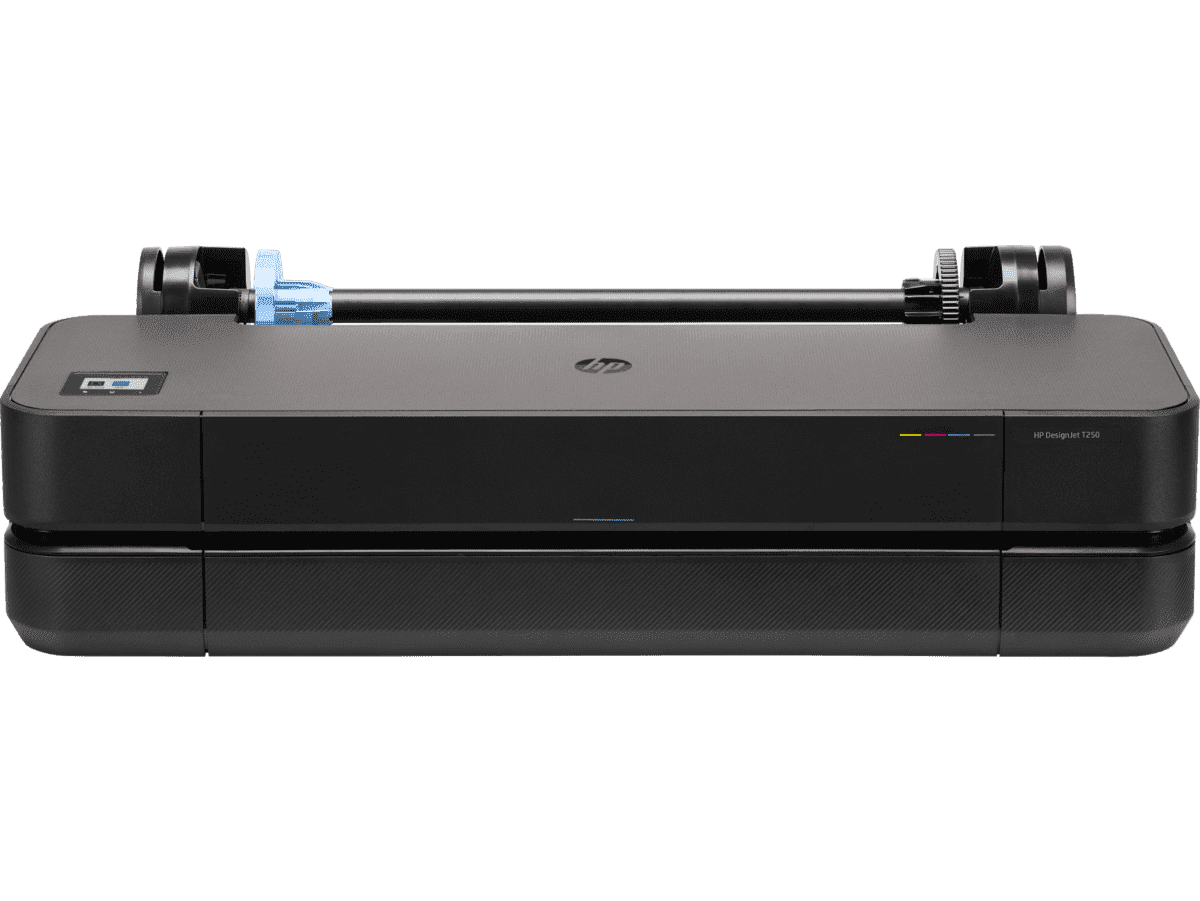
HP DesignJet T250 24-inch Compact Large Format A1 Plotter Printer + HP DesignJet T200/T600 Automatic Sheet Feeder + HP Installation Service for Design
A1 Colour HP DesignJet Large Format Printer, Perfect for Small Offices & Business Print 30 sec/page on A1; 76 A1 prints per hour USB, Ethernet, Wi-Fi Touchscreen; Automatic document feeder; Front USB flash drive port
MYR 5860.00MYR 4980.00Buy Now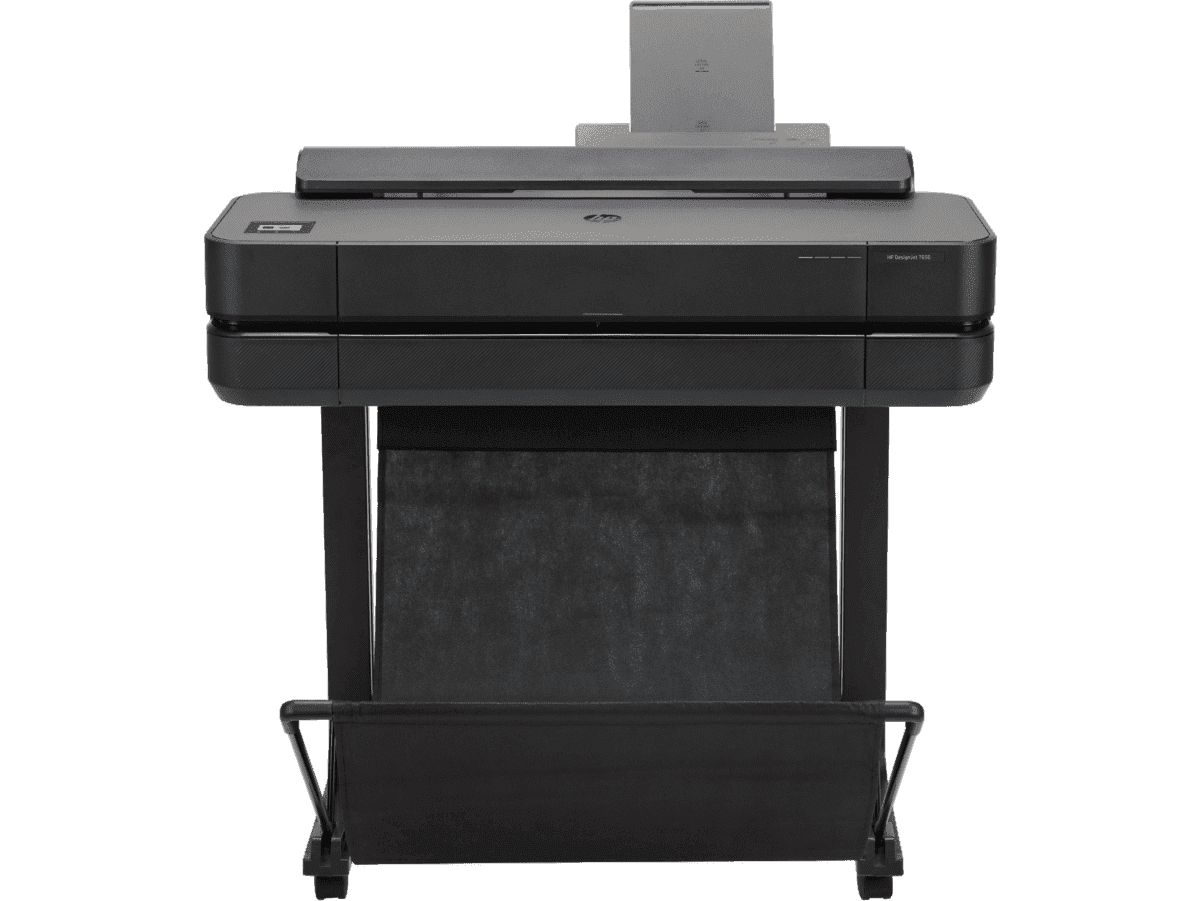
HP DesignJet T650 24-in Printer + HP Installation Service for DesignJet Series Entry Level (APJ)
Functions: PrintAuto sheet feeder: A4, A3; manual feed: A4, A3, A2, A1Print quality color: Up to 2400 x 1200 optimized dpiPrint speed: 26 sec/page on A1, 81 A1 prints per hour[1]Number of print cartridges: 4 (C, M, Y, K)
MYR 8570.00MYR 6880.00Buy Now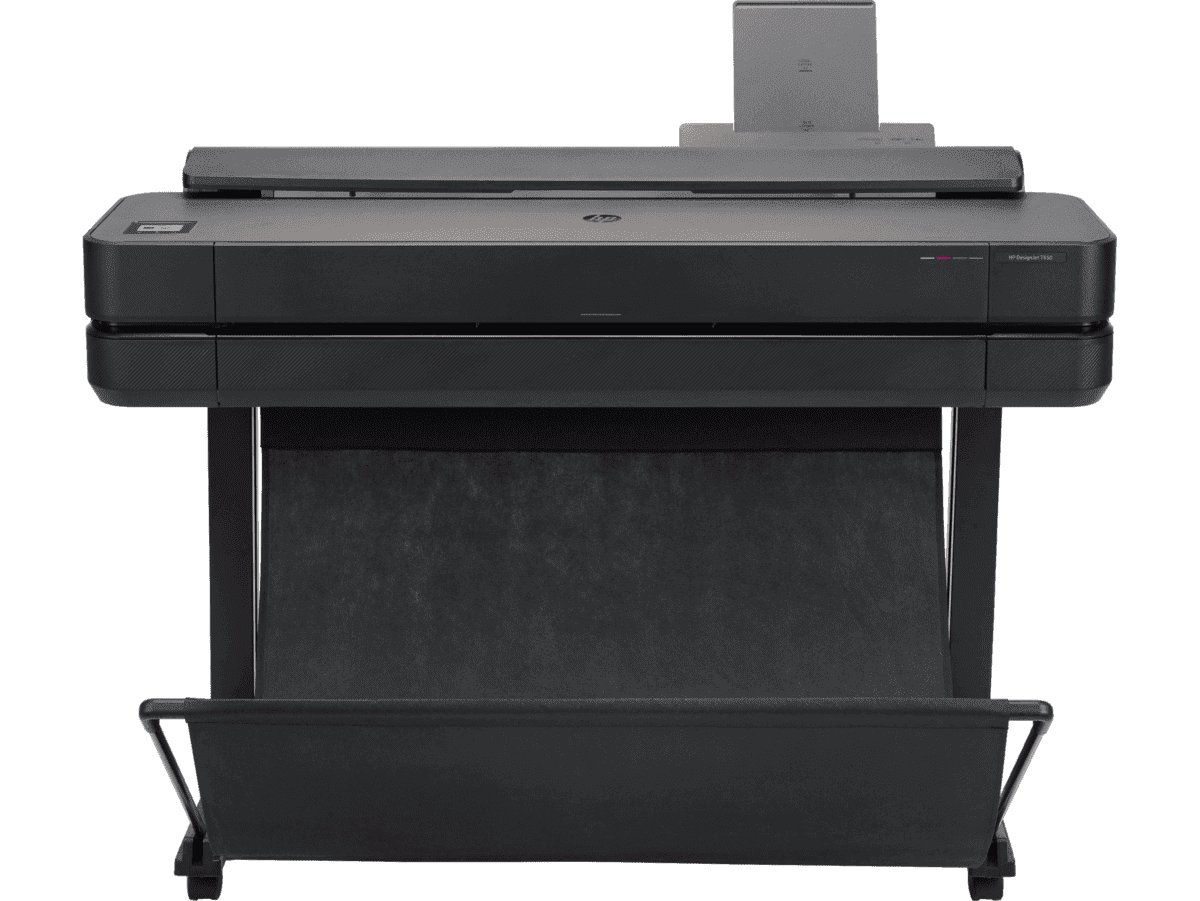
HP DesignJet T650 36-in Printer + HP Installation Service for DesignJet Series Entry Level (APJ)
Functions: PrintAuto sheet feeder: A4, A3; manual feed: A4, A3, A2, A1, A0Print quality color: Up to 2400 x 1200 optimized dpiPrint speed: 25 sec/page on A1, 82 A1 prints per hour[1]Number of print cartridges: 4 (C, M, Y, K)
MYR 11640.00MYR 9880.00Buy Now
Anda mungkin juga suka
 Pencetak Plotter
Print Scheduling Tips for Lower AEC Project Overheads
 Pencetak Plotter
Reducing High-Volume Printing Costs in Malaysian AEC
 Pencetak Plotter
Why using HP MFP for scanning helps reduce rework
- HP DesignJet
Cost-effective printing of safety plans and wayfinding information
- Kelestarian
Paper-saving techniques when printing AEC blueprints
- How-To
How to nake your printer faster for urgent blueprints
- Pencetak Plotter
Plotter care habits that keep your blueprints job-ready
- Alat Digital
Remote printing guide to increase AEC workflow efficiency
- Kelestarian
How scheduling plotter saves electricity costs
- Pencetak Plotter
Cut AEC operating costs with HP Plotters
- HP DesignJet
6 tips to portfolio printing for AEC professionals
- Alat Digital
How HP Click can streamline working processes
 HP DesignJet
Blueprint annotation guide: How to add notes that stay sharp on paper
 GIS
GISPrinting topographical maps: What AEC professionals should know
 How-To
A guide to large format printing for architects and designers
 GIS
GISHow GIS mapping tools support large format printing for civil engineering
 How-To
How to use large format plotters for facility management floorplans
 How-To
Common mistakes and fixes for poor-quality blueprints
 Pencetakan CAD
Common print file types for blueprints explained
 How-To
Common printing mistakes: How to avoid costly errors in large format jobs