Blog
Filter categoryDigital floor plan vs printed Ddrawings: Which is better for architects?

Technical Printing
|12 May 2023
Digital floor plans and printed drawings are two methods that architects use to put their ideas for what a project they are working on will ultimately look like on paper or on a computer. Many architects find that both options can have their place, especially when working on a complex project. Keep reading for an overview of:
- What digital floor plans and printed drawings are
- Some of the most significant benefits and drawbacks of each option
- Which option is ultimately the most beneficial for architects
What Are Digital Floor Plans?
Digital floor plans involve using a software program to create a rendition of what an architect wants a final product to look like. Using these programs can be time-consuming. But they result in more detailed and professional images of a future room or building.
The Pros
3D Imaging
More Realistic Designs
Unlimited Changes
The Cons
Time-Consuming
Disrupts Creative Flow
What Are Printed Drawings?
Printed drawings are a quicker and simpler alternative to digital floor plans. They involve sketching the concept you have in mind instead of using complex software to create it. They are often a helpful option for getting initial ideas on paper in the early stages of creating a design. But most architects prefer not to only use this option.
The Pros
**More Accessible to Your Client **
More Room for Creativity
**The Cons **
Less Capacity for Revisions
Less Professionalism
So, Which Is Better for Architects? Digital Floor Plans or Printed Drawings?

Most architects use both digital floor plans and printed drawings. Both have their place when it comes to creating the highest-quality designs possible. Printed drawings provide a much quicker option that is often a good fit for brainstorming ideas. In contrast, digital blueprints provide a more detailed and professional version that generally works better for later stages of your design process.
Reach Out to HP to Discuss Your Printing Needs
At HP, we are here to help you understand your options for designing floor plans and determine which is the best fit for your situation. Many architects benefit from combining the best features and qualities of both options to create the best end results and overall experience for their clients.
Our products can also provide quality printing to help you ensure that paper copies of the floor plans you create look as good on paper as they do on your computer. Reach out to us to learn more about which option might be best for you and how we can help you get the best possible results!
Explore plotter printers for your needs

HP DesignJet T850 36-in Multifunction Printer + HP Installation Service for DesignJet Series Entry Level (APJ)
A0 Color HP DesignJet Large Format Printer, Perfect for Business Print, copy, scan Dynamic security enabled printer 25 sec/page on A1 Ethernet, Wi-Fi Touchscreen, Automatic document feeder, Front USB flash drive port, Scan to PDF
MYR 18365.00MYR 17480.00Buy Now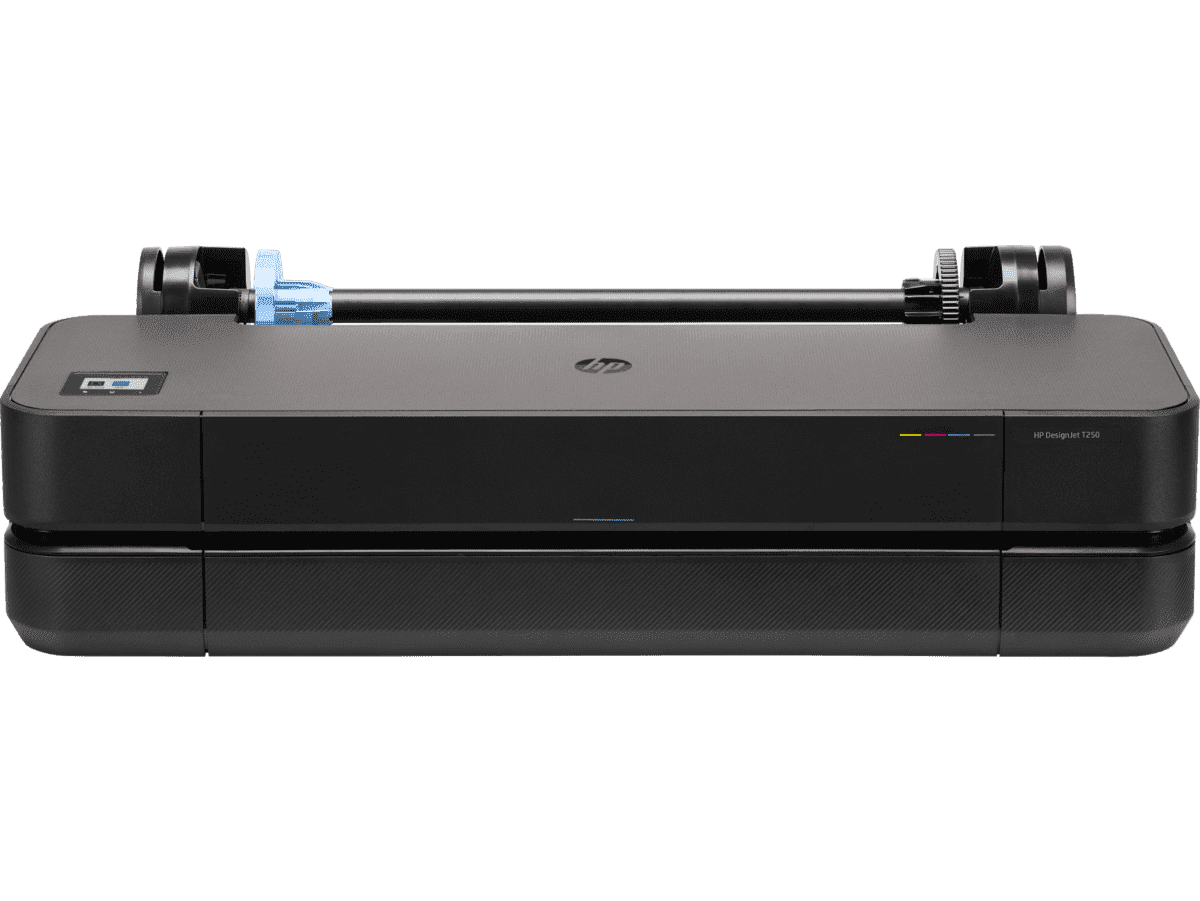
HP DesignJet T250 24-inch Compact Large Format A1 Plotter Printer + HP DesignJet T200/T600 Automatic Sheet Feeder + HP Installation Service for Design
A1 Colour HP DesignJet Large Format Printer, Perfect for Small Offices & Business Print 30 sec/page on A1; 76 A1 prints per hour USB, Ethernet, Wi-Fi Touchscreen; Automatic document feeder; Front USB flash drive port
MYR 5860.00MYR 4980.00Buy Now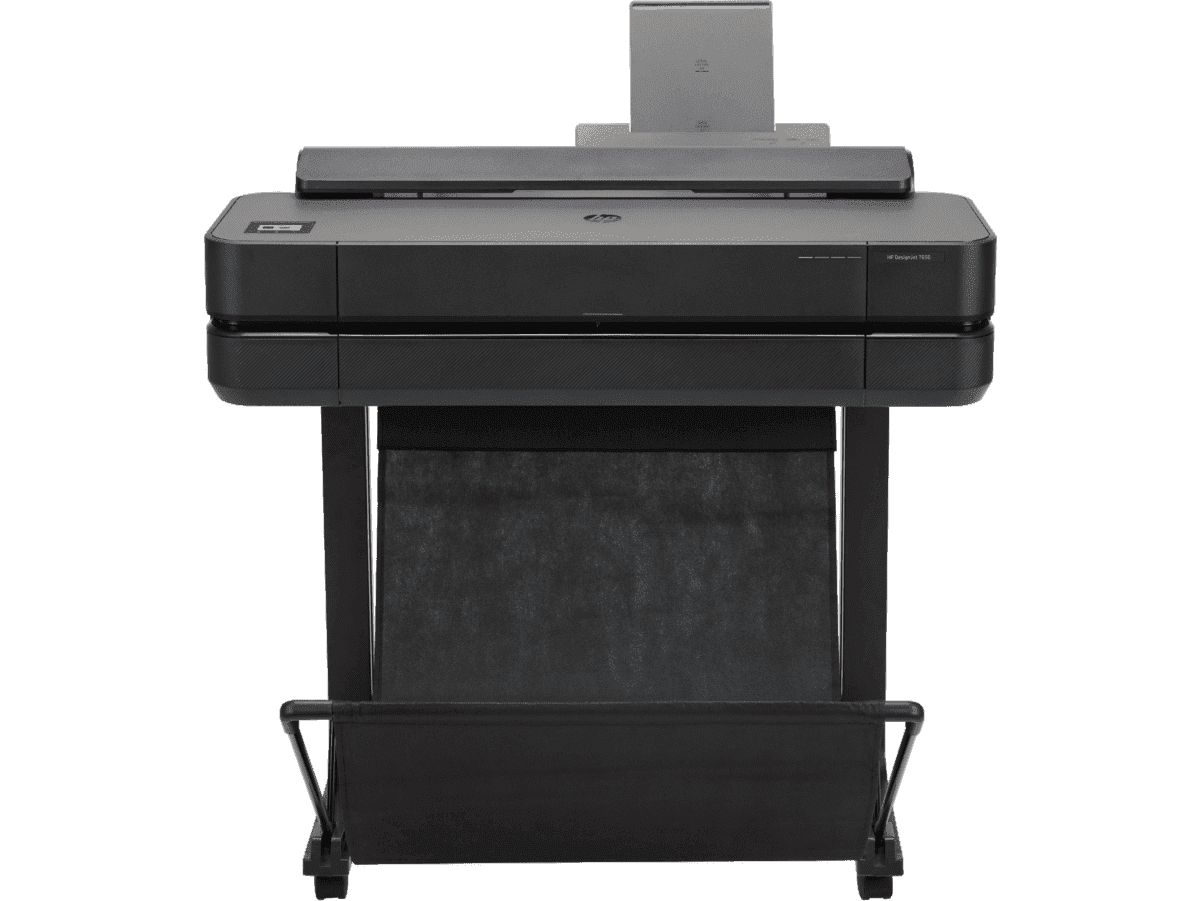
HP DesignJet T650 24-in Printer + HP Installation Service for DesignJet Series Entry Level (APJ)
Functions: PrintAuto sheet feeder: A4, A3; manual feed: A4, A3, A2, A1Print quality color: Up to 2400 x 1200 optimized dpiPrint speed: 26 sec/page on A1, 81 A1 prints per hour[1]Number of print cartridges: 4 (C, M, Y, K)
MYR 8570.00MYR 6880.00Buy Now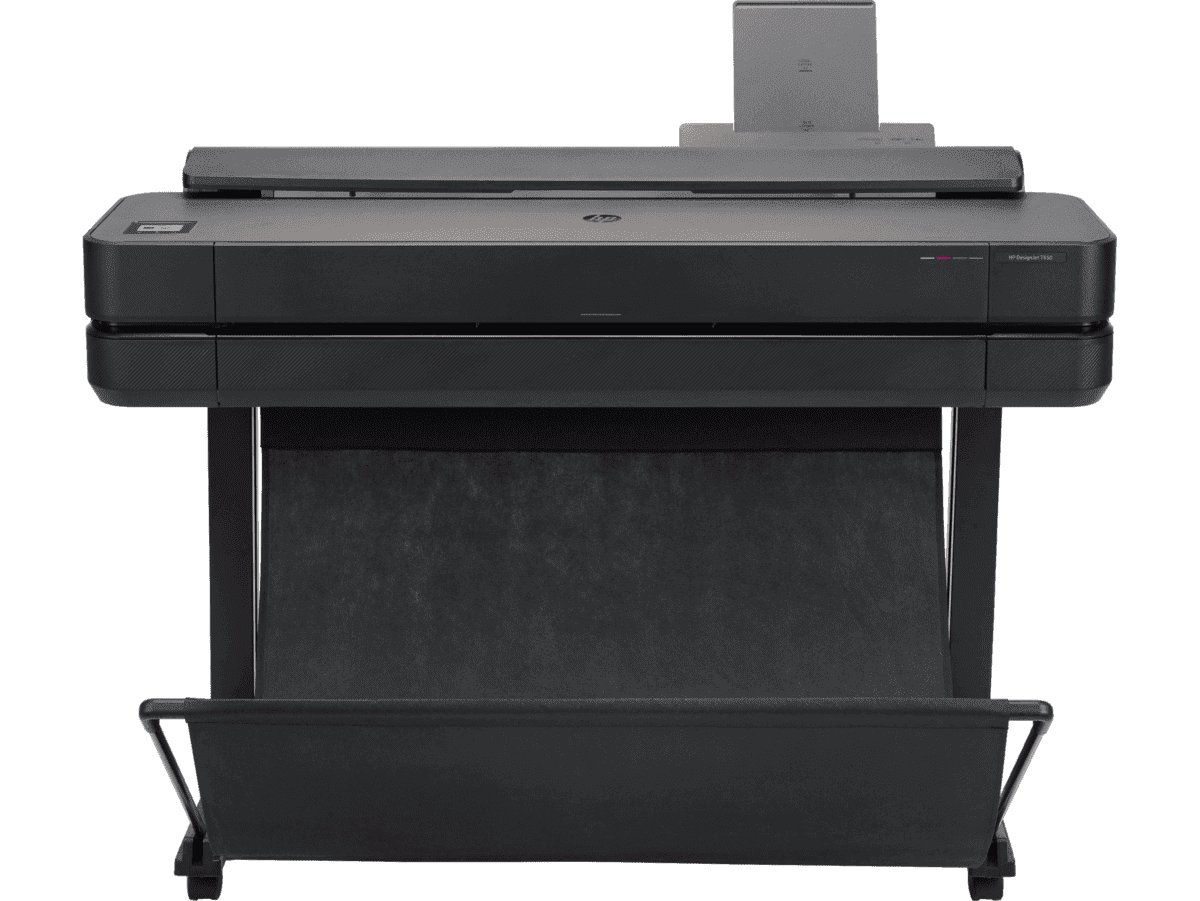
HP DesignJet T650 36-in Printer + HP Installation Service for DesignJet Series Entry Level (APJ)
Functions: PrintAuto sheet feeder: A4, A3; manual feed: A4, A3, A2, A1, A0Print quality color: Up to 2400 x 1200 optimized dpiPrint speed: 25 sec/page on A1, 82 A1 prints per hour[1]Number of print cartridges: 4 (C, M, Y, K)
MYR 11640.00MYR 9880.00Buy Now
Anda mungkin juga suka
 Pencetak Plotter
Print Scheduling Tips for Lower AEC Project Overheads
 Pencetak Plotter
Reducing High-Volume Printing Costs in Malaysian AEC
 Pencetak Plotter
Why using HP MFP for scanning helps reduce rework
- HP DesignJet
Cost-effective printing of safety plans and wayfinding information
- Kelestarian
Paper-saving techniques when printing AEC blueprints
- How-To
How to nake your printer faster for urgent blueprints
- Pencetak Plotter
Plotter care habits that keep your blueprints job-ready
- Alat Digital
Remote printing guide to increase AEC workflow efficiency
- Kelestarian
How scheduling plotter saves electricity costs
- Pencetak Plotter
Cut AEC operating costs with HP Plotters
- HP DesignJet
6 tips to portfolio printing for AEC professionals
- Alat Digital
How HP Click can streamline working processes
 HP DesignJet
Blueprint annotation guide: How to add notes that stay sharp on paper
 GIS
GISPrinting topographical maps: What AEC professionals should know
 How-To
A guide to large format printing for architects and designers
 GIS
GISHow GIS mapping tools support large format printing for civil engineering
 How-To
How to use large format plotters for facility management floorplans
 How-To
Common mistakes and fixes for poor-quality blueprints
 Pencetakan CAD
Common print file types for blueprints explained
 How-To
Common printing mistakes: How to avoid costly errors in large format jobs