Blog
Filter categoryA guide to large format printing for architects and designers

Technical Printing
|5 sep 2025
Professionals in the architecture and interior design industries face an enormous task when communicating project ideas from concept to completion. Visual communication is key in presenting ideas that make a lasting impression on clients, collaborators, and stakeholders. Whether you're crafting a technical floor plan or a stunning concept rendering, large format printing allows you to showcase work clearly and at scale to effectively bridge the gap between digital design and physical experience—and the right printer for architects and designers makes a significant impact.
The capabilities of large format machines extend beyond those of desktop printers to handle oversized drawings, detailed schematics, and high-resolution visuals with speed and precision. Whether you need to communicate early-stage concepts or provide stunning visuals for a final presentation, large format plotters and printers turn digital designs into impactful printed materials ready for meetings, site reviews, and competitions.
If you are new to large format printing or considering whether to invest in a large format printer for your firm, then we're here to help with an informative guide that details everything you need to know about large format printing for architects and designers. We'll explain:
- What large format printing is
- How it supports architectural and design workflows
- Which printer for architects might be best suited to your studio's needs
What Is Large Format Printing in Architecture?
Large format printing in architecture refers to the practice of producing technical drawings and construction plans on media sizes larger than those standard printers can produce. The added space allows for a more detailed scale replica of a structure or space.
Overview of Print Sizes and Applications
Large format machines print on paper sizes that exceed the limitations of standard desktop printers. Architectural drawings and plans use standard blueprint paper sizes to comply with Malaysian standards as well as local standards, regulations, and building codes. Standard blueprint paper sizes are divided into architectural paper sizes and engineering paper sizes to comply with building standards in various regions.
Architects use the following paper sizes:
- A3: 29.7 cm x 42 cm
- A2: 42 cm x 59.4 cm
- A1: 59.4 cm x 84.1 cm
- A0: 84.1 cm x 118.9 cm
Some of the most common applications for large prints in construction include:
- Floor plans
- Site plans
- Cross-section drawings
- Landscape drawings
- Technical drawings
- MEP system drawings
- Elevation drawings
Differences Between Standard and Wide Format Printing
Size is the biggest difference between standard and wide format printing. Wide format printers handle media widths of 24 inches and beyond. However, sophisticated large format machines also have advanced features that allow them to print with higher resolution and precise line widths critical to accuracy in blueprints and other technical drawings. Quality wide format printers are also known for having precision, colour vibrancy, and speed that meet the needs of architectural firms and design studios.
Why Large Format Printing Matters in Design Workflows

Like architects, design professionals must be able to show clients and stakeholders visual representations of a potential project before work begins. Large format printing is essential for creating presentation tools, such as technical drawings, mood boards, and concept boards.
Visual Impact for Client Presentations
In the past, interior design presentations were often created on large boards with designs painted or glued onto them. Today, these tools are primarily digital. Creating impactful visual images for clients in the interior design industry demands large and vibrant prints that make details easily visible in meetings and virtual presentations. Standard printers are incapable of producing the detail necessary to convey a finished project.
Accuracy in Scale and Technical Drawings
Technical drawings are used in the planning and execution of interior design projects to visualise spaces and ensure elements are proportionally aligned. Some of the most common technical drawings used in interior design include:
- Floor plans
- Elevations
- Sections
- Detailed drawings to capture specific elements of a design
Large format printers are essential for producing these drawings at scale in sizes suitable for presentations and works in progress.
Flexibility for Rendering and Concept Boards
Large format printers are ideal for creating large and vibrant mood boards, concept boards, and renderings for visual representations of a project. Larger prints make it easy for designers to include all the necessary elements and accurate colours to match a client's wishes.
Printer Options for Architects and Designers
The best large format printer for architects and designers should have essential features for crystal-clear imagery and other vital features to improve workflows and productivity. But every company is different, and finding the right printer for your business needs will depend on common use cases and your printing frequency.
Key Features to Look For
The features you seek in your large format printer for architects should support high-quality, clear prints and meet your workflow needs. Key features to consider include:
- High resolution for clarity and precision, and vibrant colours
- The types and sizes of media you can use
- Printing speed
Entry-Level vs Professional Models
While entry-level printers cost less than professional models, they're not suitable for every business. Entry-level printers are meant for smaller or less extensive projects, while professional models offer higher resolution, faster print speeds, and more advanced features for technical use.
HP DesignJet Models Recommended for Design Studios
With features to help professionals cut costs without sacrificing quality, these HP DesignJet printers are ideal for design studios.
- HP DesignJet T250
- HP DesignJet Studio
- HP DesignJet T850/950
Common Use Cases and Best Practices
The capabilities of large format printers help professionals achieve their goals for visual presentations and technical applications.
Printing Floor Plans and Sections to Scale
Large format printers allow architects and design professionals to print floor plans and other documents to scale, showing an accurate representation of space. When printing to scale, use the drawing scale option to select the scale that meets your project specifications. Always recheck the scale on your saved file before printing.
Rendering Visuals and 3D Concepts
Large format printers with precise line widths are crucial for creating architectural renderings that incorporate both 2D and 3D representations. Select a printer that integrates with your architectural software and preview the design before printing.
Printing Mood Boards and Competition Boards
Architectural competition and design project mood boards demand clear and vibrant visuals supported by large format printers. Before printing, ensure you've selected the right colour profile and calibrate your monitor to ensure consistent colours every time.
How to Choose the Right Printer for Your Studio
Choosing the right printer for architects in your studio requires an examination of your print volume needs and your budget vs. output needs.
Evaluating Daily Workload and Print Volume
Your daily workload and print volume will be the first indicator of what you need from a large format printer. Determine how frequently you expect to produce large format prints, and seek a printer with print speeds to match your expected output.
Balancing Budget, Space, and Output Needs
A plotter's size can be a real concern for small design studios. Consider aesthetically pleasing printers, such as the HP DesignJet Studio or the HP DesignJet T200, that meet your output needs without occupying too much space.
Benefits of Reliable Support and Service
Ensuring you'll have the support you need is crucial for smooth workflows now and in the future. Cloud-based and telephone customer support means you can have issues quickly analysed and receive professional advice to get back to work quickly.
Set Your Practice Up With the Right Print Tools
Large format printers are vital tools for design and AEC professionals to communicate ideas from early-stage concepts to final presentations. These machines handle oversized drawings, schematics, and vibrant concept renderings to allow professionals to showcase their work at scale. As a long-time provider of large format printers in the AEC and design industries, HP offers many DesignJet large format printers ideal for architecture firms and design studios. Reach out to us to learn how we can help you find the right large format printer for architects and all your professional needs.
Explore plotter printers for your needs
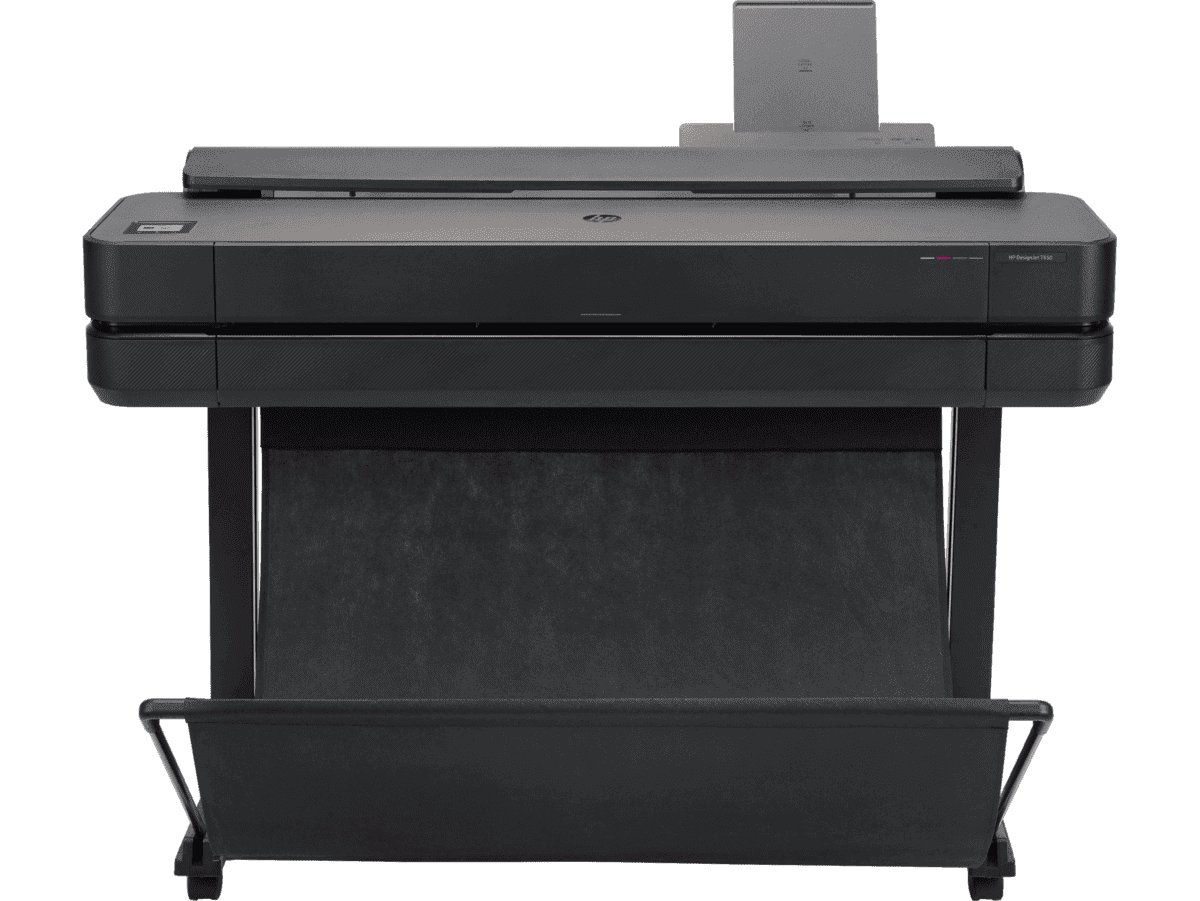
HP DesignJet T650 36-in Printer + HP Installation Service for DesignJet Series Entry Level (APJ)
Functions: PrintAuto sheet feeder: A4, A3; manual feed: A4, A3, A2, A1, A0Print quality color: Up to 2400 x 1200 optimized dpiPrint speed: 25 sec/page on A1, 82 A1 prints per hour[1]Number of print cartridges: 4 (C, M, Y, K)
MYR 11640.00MYR 9880.00Buy Now
Anda mungkin juga suka
 Pencetak Plotter
Print Scheduling Tips for Lower AEC Project Overheads
 Pencetak Plotter
Reducing High-Volume Printing Costs in Malaysian AEC
 Pencetak Plotter
Why using HP MFP for scanning helps reduce rework
- HP DesignJet
Cost-effective printing of safety plans and wayfinding information
- Pencetak Plotter
Plotter care habits that keep your blueprints job-ready
- How-To
How to nake your printer faster for urgent blueprints
- Kelestarian
Paper-saving techniques when printing AEC blueprints
- Alat Digital
Remote printing guide to increase AEC workflow efficiency
- Pencetak Plotter
Cut AEC operating costs with HP Plotters
- Kelestarian
How scheduling plotter saves electricity costs
- HP DesignJet
6 tips to portfolio printing for AEC professionals
- Alat Digital
How HP Click can streamline working processes
 HP DesignJet
Blueprint annotation guide: How to add notes that stay sharp on paper
 GIS
GISPrinting topographical maps: What AEC professionals should know
 GIS
GISHow GIS mapping tools support large format printing for civil engineering
 How-To
How to use large format plotters for facility management floorplans
 How-To
Common mistakes and fixes for poor-quality blueprints
 Pencetakan CAD
Common print file types for blueprints explained
 How-To
Common printing mistakes: How to avoid costly errors in large format jobs
 How-To
Digital vs paper: When to print architectural drawings and when to share digitally