Blog
Filter categoryHow AEC teams meet green building standards

Construction Technology
|30 Sep 2024
To help the AEC industry meet sustainability goals, several compliance standards and green building standards have been established. They provide a comprehensive framework for creating environmentally responsible and resource-efficient structures.
Key Green Building Compliance Standards
Let's start by taking a look at some of the most influential and widely recognised compliance standards. These provide an excellent starting point for any green building initiative.
LEED (Leadership in Energy and Environmental Design)
BREEAM (Building Research Establishment Environmental Assessment Method)
Green Globes
Living Building Challenge
WELL Building Standard
Essential Strategies for Meeting Green Building Standards

Although the standards differ in their requirements, the core of green building can be broken down into three categories: sustainable design, eco-friendly materials, and energy efficiency.
Integrating Sustainable Design Practices
Choosing Eco-Friendly Materials for Construction
Enhancing Energy Efficiency in Building Projects
The Benefits of Green Building Compliance in AEC
There are many reasons why an AEC professional would want to adhere to green building standards. Below are some of the most important benefits.
Regulatory Compliance and Market Advantages
Long-Term Cost Savings and Environmental Impact
Best Practices for Staying Updated on Green Building Standards
AEC professionals looking to build more environmentally friendly buildings need to keep up with their implementation of the standards and the evolution of the standards themselves.
Compliance
Continuous Education and Training in Sustainable Practices
The Future of Green Building in the AEC Industry
As new technologies become available, green building standards and practices will evolve to adopt them. Solar is making large inroads as a way for buildings to be net-zero or even net-positive. Other trends, such as incorporating natural elements for improved living conditions, are also becoming popular. Through the continuous education tips above, AEC professionals can keep up with these evolving trends.
To learn more about how HP DesignJet printers can support your green building projects with eco-friendly, high-precision printing solutions, contact an HP representative today.
Explore plotter printers for your needs
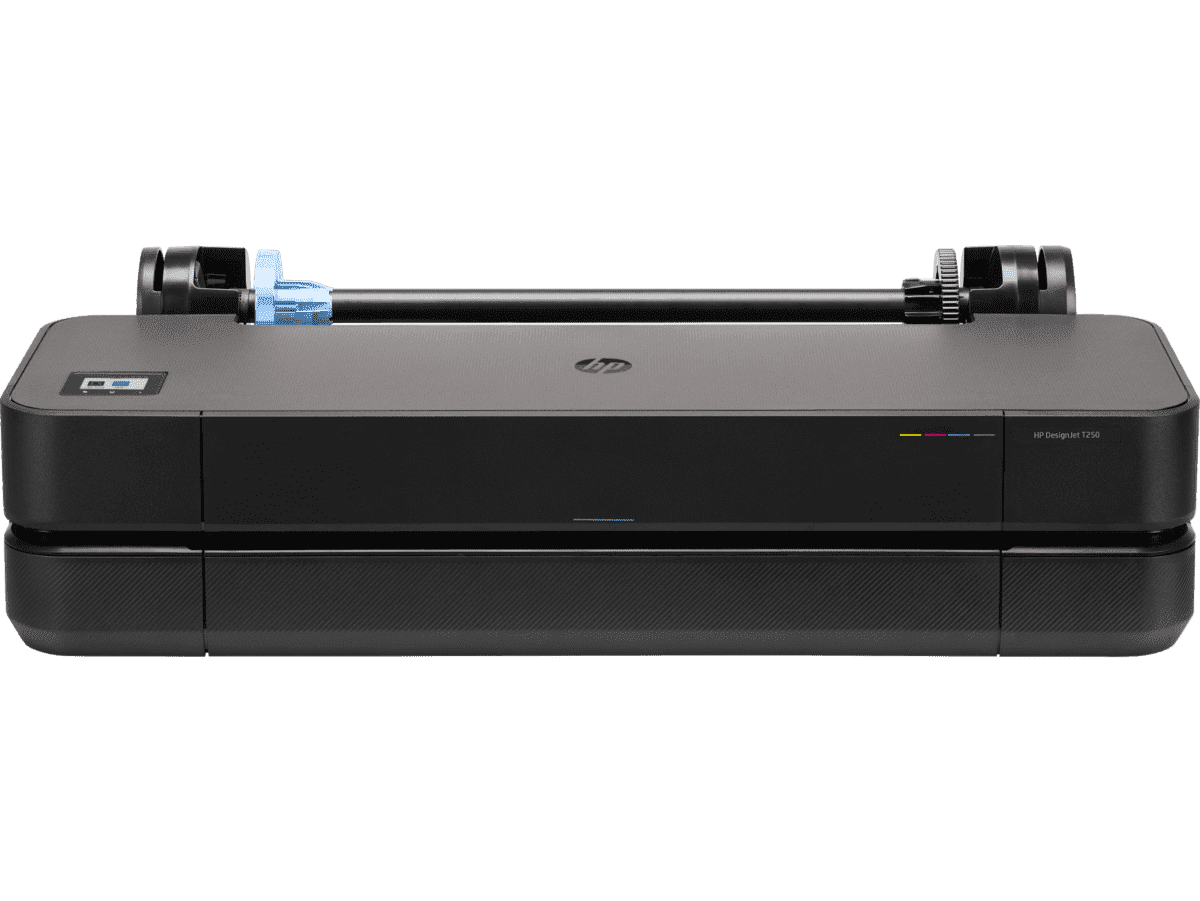
HP DesignJet T250 24-inch Compact Large Format A1 Plotter Printer + HP DesignJet T200/T600 Automatic Sheet Feeder + HP Installation Service for Design
A1 Colour HP DesignJet Large Format Printer, Perfect for Small Offices & Business Print 30 sec/page on A1; 76 A1 prints per hour USB, Ethernet, Wi-Fi Touchscreen; Automatic document feeder; Front USB flash drive port
MYR 5860.00MYR 4980.00Buy Now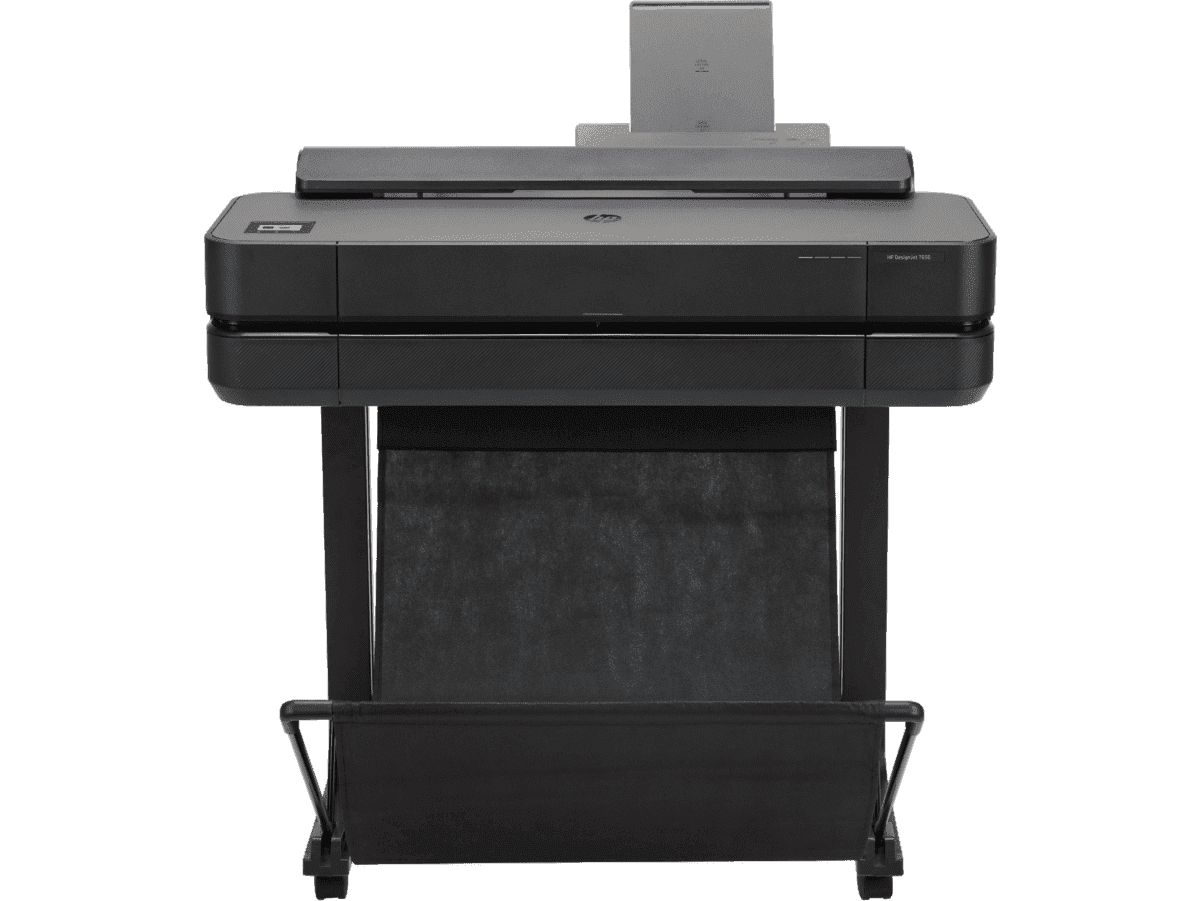
HP DesignJet T650 24-in Printer + HP Installation Service for DesignJet Series Entry Level (APJ)
A1 Colour HP DesignJet Large Format Printer, Perfect for Small Offices, Business & Enterprise Print 26 sec/page on A1; 81 A1 prints per hour Sheet feed, Roll feed, Automatic Sheet Feeder, Media Bin, Automatic Horizontal Cutter USB, Ethernet, Wi-Fi HP Click, HP Smartapp, HP Wolf Essential Security
MYR 8570.00MYR 6880.00Buy Now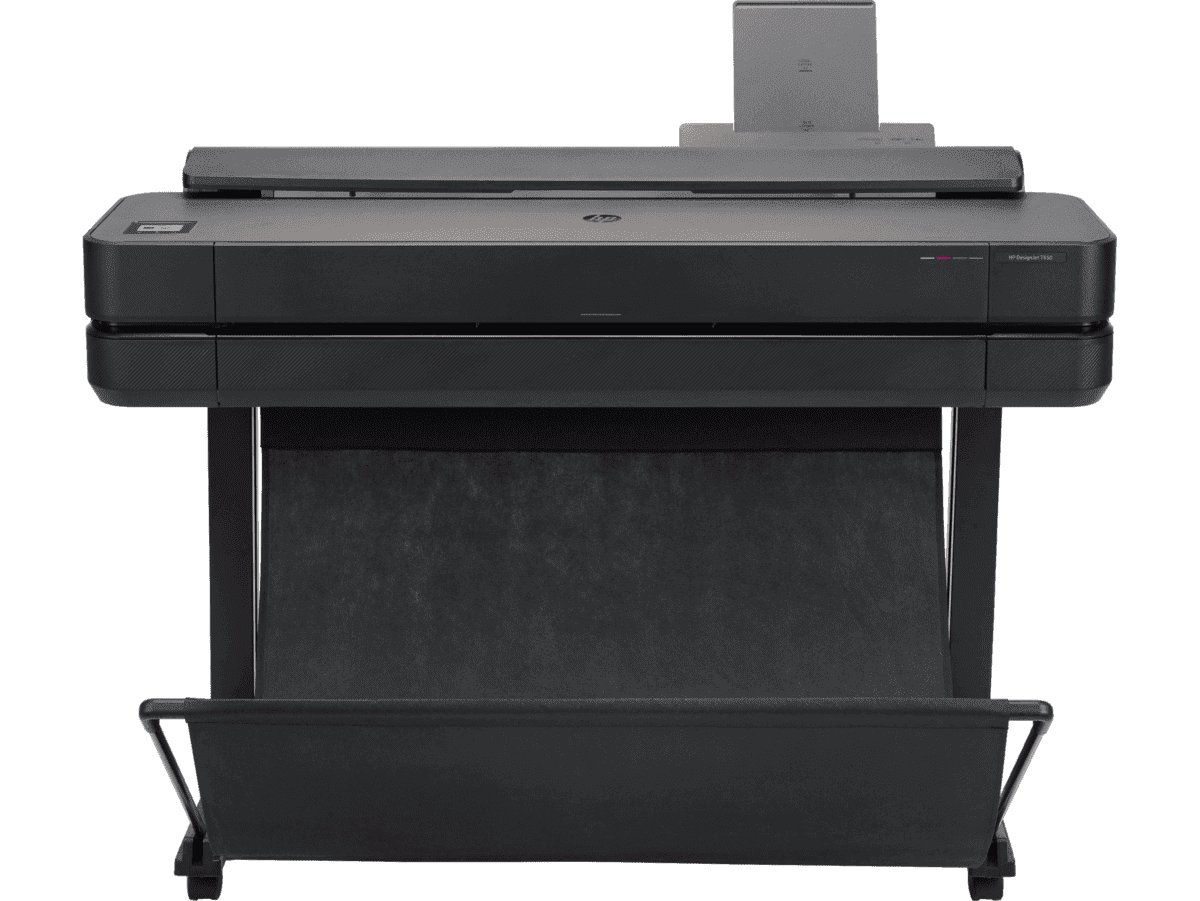
HP DesignJet T650 36-in Printer + HP Installation Service for DesignJet Series Entry Level (APJ)
A0 Colour HP DesignJet Large Format Printer, Perfect for Small Offices, Business & Enterprise Print Sheet feed, Roll feed, Automatic Sheet Feeder, Media Bin, Automatic Horizontal Cutter USB, Ethernet, Wi-Fi HP Click, HP Smartapp
MYR 11640.00MYR 9880.00Buy Now


