Blog
Filter category5 IoT uses in AEC design and construction

Construction Technology
|13 Oct 2022
The Internet of Things has transformed how we interact with the world and how we use and retrieve information. From on the job to in the home, IoT applications are making life simpler and more efficient.
But IoT is impacting architecture, construction, and engineering in a major way. Just as there are smart homes, there are smart construction sites exemplifying IoT in construction. This includes everything from the safety gear that workers wear to the cameras, robots, and drones that are omnipresent at worksites.
Here, we discuss the top five IoT applications for architecture, construction, and engineering.
What Is an IoT Device?
The Internet of Things (IoT) is a term that describes a wide variety of devices that connect to computer networks to work properly. An IoT device is any device that sends and receives information through the internet. These devices typically connect to a larger network to transfer critical information. Various technologies like reliable sensors, artificial intelligence (AI), cloud connectivity, and natural language processing (NLP) make the use of IoT devices possible.
For many people, the most relatable examples of IoT devices are items in the home like home voice controllers, doorbell cameras, and smart TVs. However, commercial operators use IoT devices in a variety of industries.
For example, the electric meters that allow professionals to read your meter remotely are IoT devices; devices with IoT in engineering projects of all types are becoming increasingly commonplace. There are also many ways IoT devices assist in the medical industry to monitor patients and provide care. In the construction and architecture fields, IoT devices in cameras and drones can monitor worksites, generate advanced digital renderings of building projects, and more.
The concept of IoT applications didn't officially have a name until 1999. But one of the earliest examples of an IoT device was a Coca-Cola machine located at Carnegie Mellon University in the early 1980s. Local programmers would connect through the Internet to the refrigerated appliance. They'd check to see if there was a drink available and if it was cold. Only then would they make the trip to purchase one. While we think of the smart refrigerator as a relatively new invention, it can be said that it was actually one of the first IoT devices.
Top 5 IoT Applications in Architecture and Design

IoT in architecture and design applications offers up a variety of exciting solutions to help construction professionals work more efficiently. They can also create advanced structures that are safer and more environmentally friendly. IoT infrastructure serves the people who use various buildings and make day-to-day tasks more manageable. These are some of the top IoT applications in architecture and design.
1. Smart Buildings
2. Digital Twins
3. Smart Homes
4. Motion Detection
5. Construction
What Are the 4 Stages of IoT Architecture?
For IoT architecture to work properly, the mass connectivity of several devices must be carefully managed so they work seamlessly together. At a high level of operation, an IoT structure comprises four types of IoT; these are: applications and analytics, integration, security, and infrastructure. To deploy IoT system architecture, a four-stage process is used.
- Sensors and Actuators: Sensors capture process status data or environmental conditions to provide data to systems.
- Gateways and Data Acquisition Systems: The data sent by sensors is collected by a Data Acquisition System (DAS) and converted into a digital analog format for improved information consumption.
- Edge IT and Data Processing: Data that has been collected and digitised undergoes further processing using machine learning before reaching the cloud centre.
- Data Centre and Cloud: Powerful IT systems analyse, manage, and store data in the cloud or corporate data centres. Here, a broad picture of the overall IT system is visible.
The Internet of Things is a set of rapidly evolving technologies. It shows exciting promise for revolutionising the functions of architecture, construction, and engineering in a major way. By improving the flow of information provided during the design and construction process, IoT in engineering can help buildings reach higher standards of functionality, safety, and environmental responsibility. Modern large-format construction printers and plotters play an important part in the process. Contact us today to discuss your printing needs.
Speak to an HP representative
Explore plotter printers for your needs
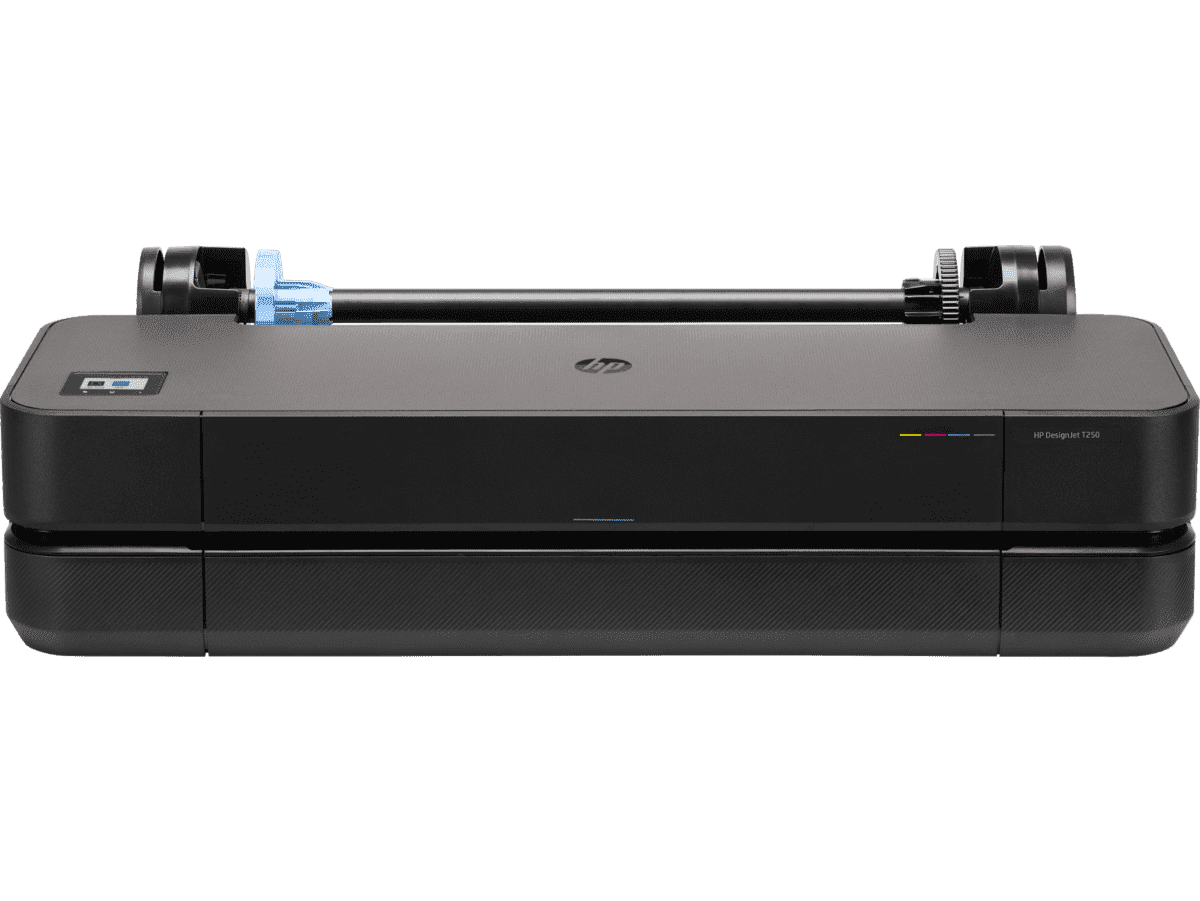
HP DesignJet T250 24-inch Compact Large Format A1 Plotter Printer + HP DesignJet T200/T600 Automatic Sheet Feeder + HP Installation Service for Design
A1 Colour HP DesignJet Large Format Printer, Perfect for Small Offices & Business Print 30 sec/page on A1; 76 A1 prints per hour USB, Ethernet, Wi-Fi Touchscreen; Automatic document feeder; Front USB flash drive port
MYR 5860.00MYR 4980.00Buy Now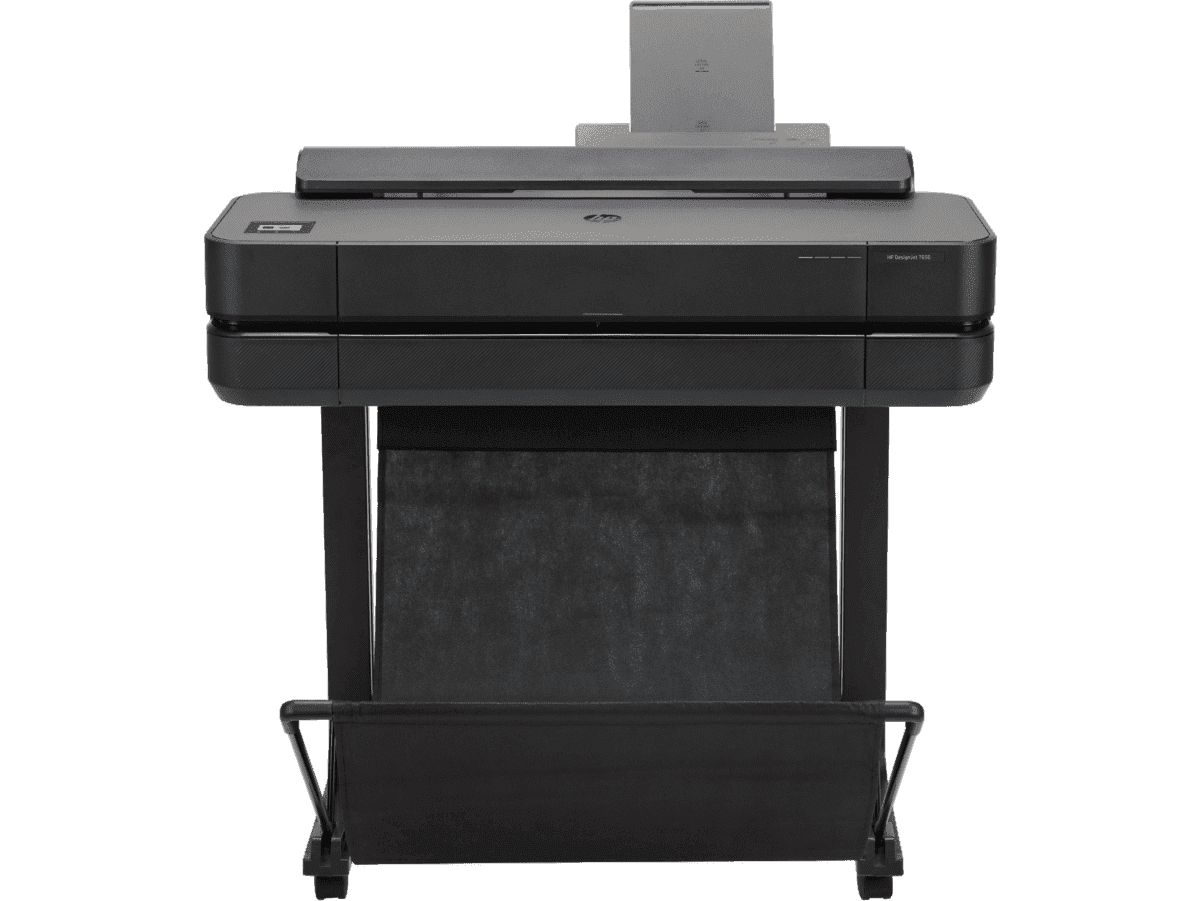
HP DesignJet T650 24-in Printer + HP Installation Service for DesignJet Series Entry Level (APJ)
A1 Colour HP DesignJet Large Format Printer, Perfect for Small Offices, Business & Enterprise Print 26 sec/page on A1; 81 A1 prints per hour Sheet feed, Roll feed, Automatic Sheet Feeder, Media Bin, Automatic Horizontal Cutter USB, Ethernet, Wi-Fi HP Click, HP Smartapp, HP Wolf Essential Security
MYR 8570.00MYR 6880.00Buy Now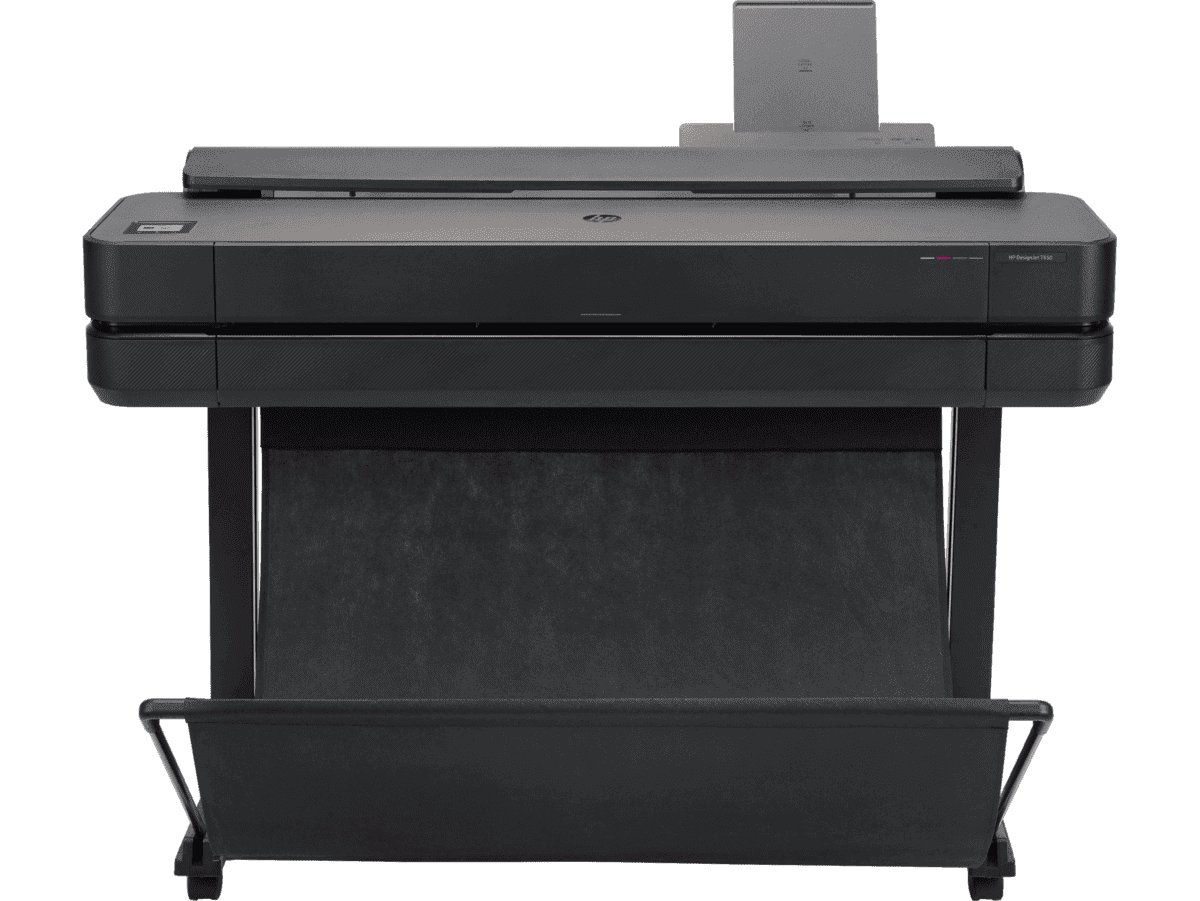
HP DesignJet T650 36-in Printer + HP Installation Service for DesignJet Series Entry Level (APJ)
A0 Colour HP DesignJet Large Format Printer, Perfect for Small Offices, Business & Enterprise Print Sheet feed, Roll feed, Automatic Sheet Feeder, Media Bin, Automatic Horizontal Cutter USB, Ethernet, Wi-Fi HP Click, HP Smartapp
MYR 11640.00MYR 9880.00Buy Now


