Blog
Filter categoryTypes of construction drawings explained

Construction Technology
|19 Dec 2022
There are many different types of construction drawings, and they all serve a unique purpose. Learning the differences between these types of construction drawing options is essential to being able to understand a project while it is being built.
In this comprehensive guide, we're going to explore architectural, mechanical, and civil drawings, with insights tailored for Malaysian construction professionals who must navigate both technical demands and local building codes.
Building and Constructions Drawing Types: A Comprehensive Guide
Construction drawings are technical drawings that provide a graphic representation of a structure or project that is to be built. These drawings are part of the overall documentation used to guide the construction process. They showcase the required dimensions, instructions, and other defined specifications regarding the proposed building.
What Do Construction Drawings All Have?
How Many Types of Construction Drawings Are There?
What Order Do Construction Drawings Go In?
How Are Construction Drawings Made?

Architects prepare construction drawings using Computer Aided Design (CAD) or Building Information Modelling (BIM) software. You'll find a wide range of CAD software, including AutoCAD and Revit, which are widely used across Malaysia's architecture and engineering firms for developing projects from KL to Johor Bahru.
What Are the Stages of Construction Drawings?
What Are Architectural Construction Drawings?
Architectural construction drawings are the technical illustrations of a building made before the construction process. This type of construction drawing provides a detailed view of the building, including where to place windows and what materials should be used. Therefore, an architectural drawing is critical in the construction process. It provides construction workers with guidelines to ensure the project is successful.
What Are the Six Basic Lines Used in Technical Drawing?
How Many Sets of Drawings Are Needed in Designing and Building a House?
When designing and building a house, construction documents are the most crucial part of the architectural process. In Malaysia, this includes preparing sets of drawings to satisfy both local council approvals and permit applications for the Jabatan Perancangan Bandar dan Desa (JPBD). A construction document is a legally binding contract between the architect, contractor, and owner.
The primary purpose of construction documents is to guide the construction process. It defines the roles, responsibilities, and work requirements in a specific construction project. They help ensure that the design comes to fruition without any delays or complications. The contractor relies on the mechanical drawings in the construction documentation to make the design a built project. Mechanical drawings provide the layout and technical specifications on how the building's various components will be built. It makes it possible for contractors to turn big design ideas into something buildable and safe to inhabit.
Additionally, construction documents are also essential when acquiring permits to build a house. These documents usually include the drawings and specifications of the project. Therefore, you'll find everything from the construction, electrical, and mechanical drawings to the architectural BIM services used in the project.
How Many Types of Civil Engineering Drawings Are There?
A civil engineering drawing is a drawing that communicates all the technical details required by a site engineer to execute the project. There are four types of civil engineering drawings, which include:
- Tender drawings
- Contract drawings
- Working drawings
- Completion drawings
Civil engineers must stay present throughout the construction process of any building. They can explain the details of each building stage. Also, they can utilise civil engineering technology to plan, design, schedule, estimate, survey, and inspect construction projects.
Therefore, structural engineers and architects help ensure the construction project is completed and of high quality. A quality construction project in engineering terms is one that:
- Meets the customer's demands
- Complies with local regulations
- Falls within the stipulated timeframe and allocated budget
All types of construction drawing documents are a critical part of any construction. Architects use them to convey concepts, construction details, and other specifications required during construction. Since they communicate the technical details of a project, it's important to produce quality, detailed drawings.
Clear, quality drawings are easier to read and understand, reducing room for error during construction. This helps contractors arrive at the right estimates and deliver quality projects within the stipulated time and budget. Therefore, after creating your construction document, you'll want the right large format printer to produce top-quality construction prints. When you're ready, you can contact us to discuss your printing needs for any types of construction drawing.
Download our eBook now and discover how innovation is streamlining workflows, producing prints of unmatched quality and increasing IT efficiency like never before.
Download eBook nowExplore plotter printers for your needs

HP DesignJet T850 36-in Multifunction Printer + HP Installation Service for DesignJet Series Entry Level (APJ)
A0 Color HP DesignJet Large Format Printer, Perfect for Business Print, copy, scan Dynamic security enabled printer 25 sec/page on A1 Ethernet, Wi-Fi Touchscreen, Automatic document feeder, Front USB flash drive port, Scan to PDF
MYR 18365.00MYR 17480.00Buy Now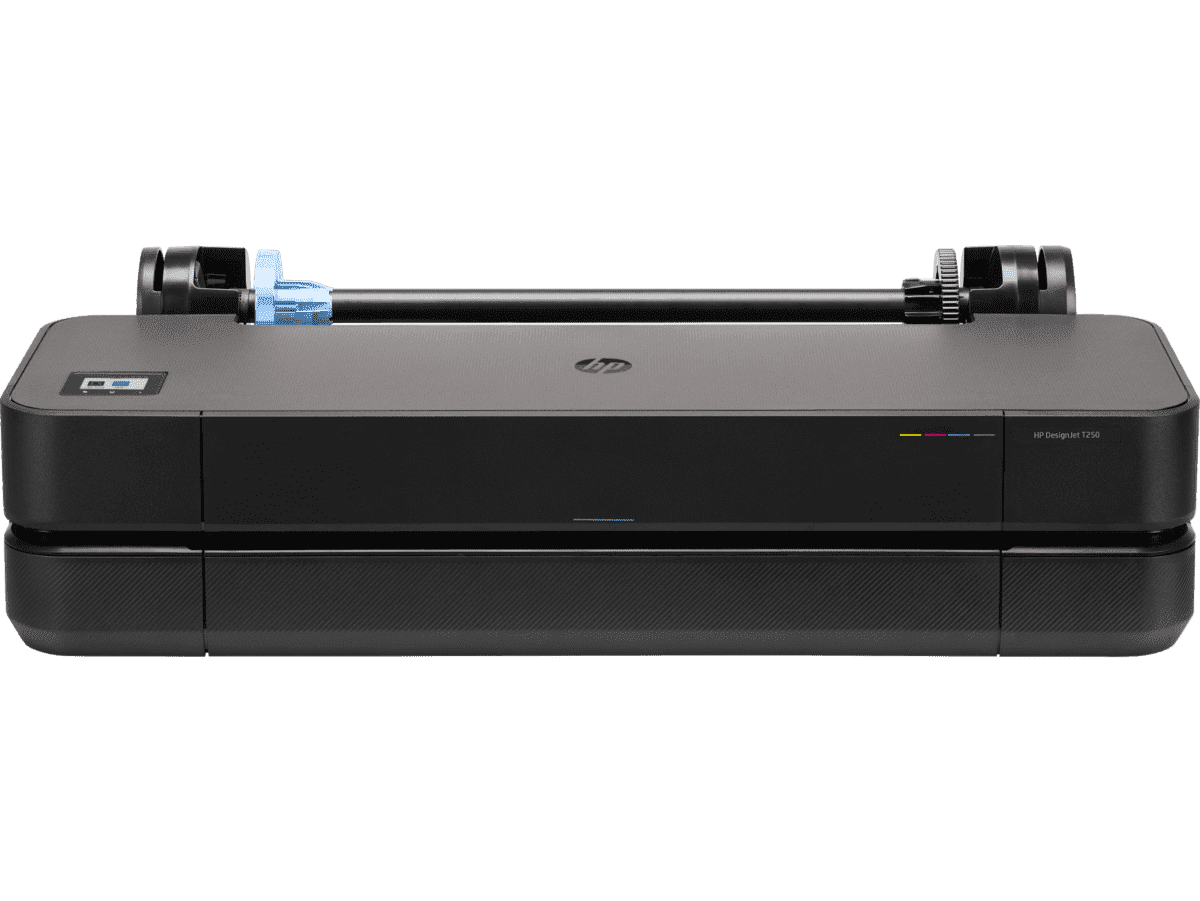
HP DesignJet T250 24-inch Compact Large Format A1 Plotter Printer + HP DesignJet T200/T600 Automatic Sheet Feeder + HP Installation Service for Design
A1 Colour HP DesignJet Large Format Printer, Perfect for Small Offices & Business Print 30 sec/page on A1; 76 A1 prints per hour USB, Ethernet, Wi-Fi Touchscreen; Automatic document feeder; Front USB flash drive port
MYR 5860.00MYR 4980.00Buy Now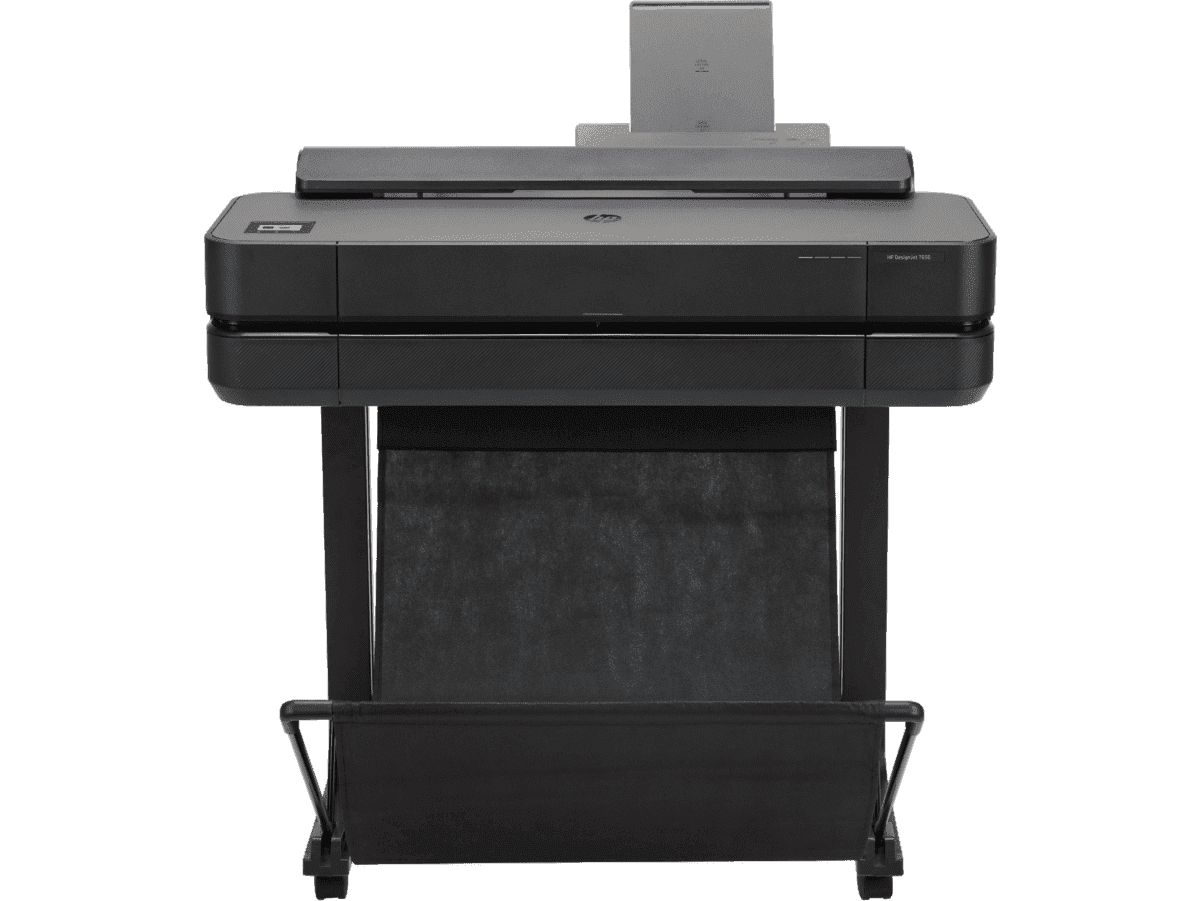
HP DesignJet T650 24-in Printer + HP Installation Service for DesignJet Series Entry Level (APJ)
A1 Colour HP DesignJet Large Format Printer, Perfect for Small Offices, Business & Enterprise Print 26 sec/page on A1; 81 A1 prints per hour Sheet feed, Roll feed, Automatic Sheet Feeder, Media Bin, Automatic Horizontal Cutter USB, Ethernet, Wi-Fi HP Click, HP Smartapp, HP Wolf Essential Security
MYR 8570.00MYR 6880.00Buy Now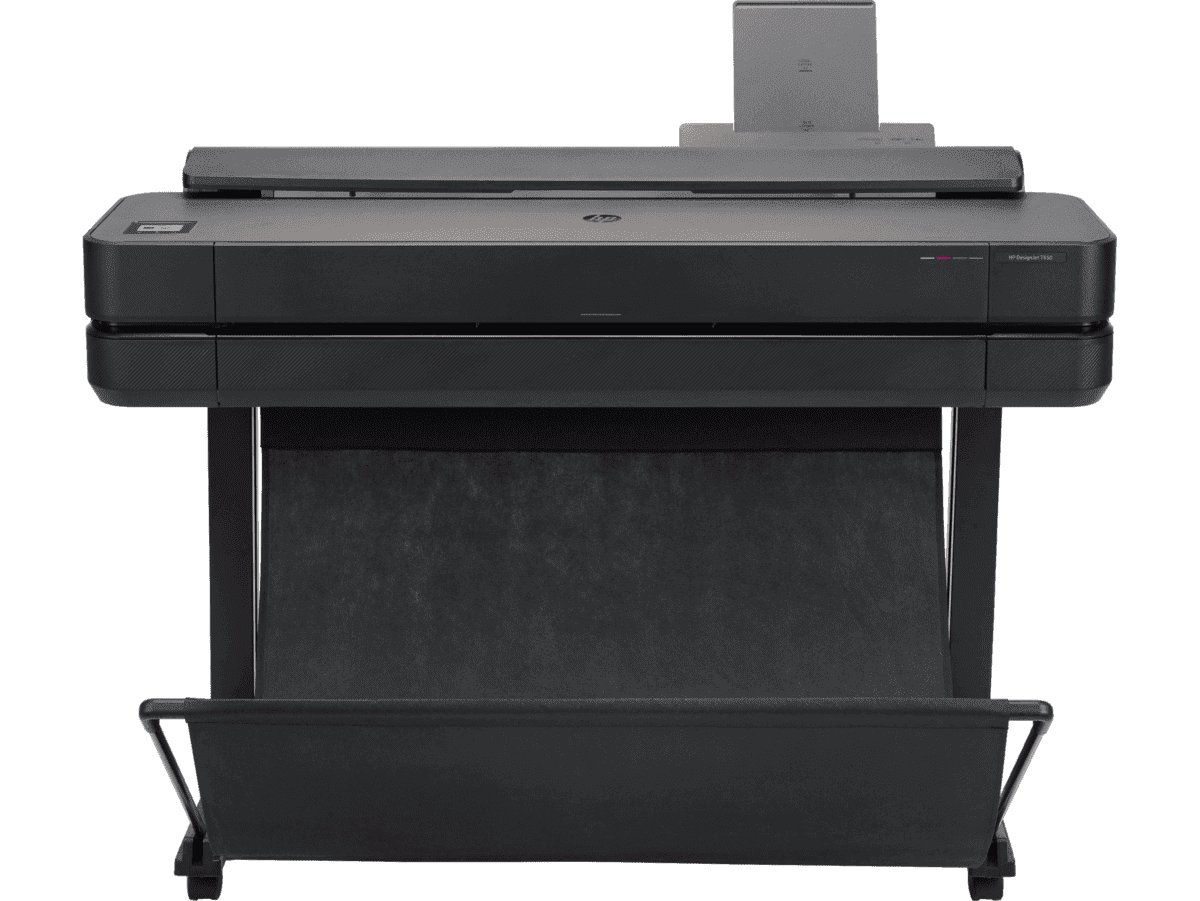
HP DesignJet T650 36-in Printer + HP Installation Service for DesignJet Series Entry Level (APJ)
A0 Colour HP DesignJet Large Format Printer, Perfect for Small Offices, Business & Enterprise Print Sheet feed, Roll feed, Automatic Sheet Feeder, Media Bin, Automatic Horizontal Cutter USB, Ethernet, Wi-Fi HP Click, HP Smartapp
MYR 11640.00MYR 9880.00Buy Now


