Blog
Filter categoryWhy construction teams need upskilling

Construction Technology
|17 Nov 2022
Anyone working in the construction industry needs more building and construction skills to match the requirements of top jobs in the industry. This is particularly true for supervisory and highly technical roles. Similarly, builders and construction workers need to upskill and acquire new skills that make them more qualified for better jobs.
But what exactly is upskilling, and how does it work? Let's explore how to acquire new building and construction skills and what tangible benefits construction companies stand to gain for encouraging workers to upskill.
What Is Upskilling, and Why Is It Important?
Upskilling is the process of gaining new skills and knowledge through training and education. Both employers and employees can commit to continuously developing and expanding their capabilities through upskilling, usually in anticipation of future needs and opportunities.
Advances in technology have made upskilling necessary for project management and the entire AEC industry.
Technology such as building information modelling (BIM), construction robots, wearables, drones, and AI data analysis tools are here to make construction more efficient, improve design, increase safety, and reduce costs. Still, they are only as useful as the people using them.
In addition, modern approaches such as modular construction and 3D printing have changed how we think about building technology. Without upskilling to gain new knowledge and building and construction skills, both people and companies in the AEC industry will be left behind in the highly competitive construction industry. In addition to basic survival, there are many other benefits that AEC firms stand to gain from upskilling:
- Increased employee retention: Upskilling makes employees feel more valued, thus increasing loyalty to the organisation.
- Addressing skill gaps: Soft skills like leadership and problem-solving, as well as hard skills such as data analysis, are hard to import.
- Save money on recruitment and employee replacement costs.
- Attract new talent by proving that you support growth and ambition.
- Gain a competitive advantage.
- Increase employee motivation and productivity.
Above all these, clients and owners stand to gain the most when AEC firms promote a culture of learning, upskilling, and continuous improvement. Your team will do a better job far more efficiently, especially when using modern solutions like BIM.
Upskilling Is the Key to Filling Key Positions
Upskilling Is Vital to the Construction Industry

McKinsey expects the demand for physical and manual skills in repeatable and predictable tasks to decline by almost 30% in the next decade. In contrast, technological skills (such as coding) and those involving complex cognitive, social, and emotional skills (such as leadership) could rise by more than 30%.
As AEC firms rethink the construction business as a whole and work to upskill their workers to cope with the new reality, a strategic approach will be necessary to ensure the successful implementation of training for upskilling.
But the truth is that upskilling isn't easy or cheap for AEC firms. Psychologists say that it takes 10,000 hours of deliberate practice for an individual to become an expert; it takes 480 hours to build usable new skills.
Before embarking on a training program, AEC firms need to be prepared for the challenge. For starters, they must evaluate various options and strategies that could help them successfully implement upskilling and reskilling.
A Systematic Approach to Upskilling and Reskilling
How Does Training Lead to Development?
Training for upskilling usually involves learners working with experts to gain specific knowledge or skills. On the other hand, development is a broad and multifaceted set of activities, including training, that helps people ascend to a higher level of performance or responsibility.
In this sense, training is only one part of the development process. If you're implementing training as part of a professional development program, there are many reasons that you can use as launchpads for your program. These include:
- Poor performance revealed by employee appraisals
- Succession planning, which ensures you have qualified and eligible workers when there is a change of roles in the organisation
- Testing or piloting a new performance management system for the organisation
- A part of a wider effort for professional development, e.g., a need to acquire BIM skills to achieve parity with the rest of the industry
- A need to train on a specific topic, such as ethics, diversity, safety, or computer skills
However you choose to launch your training program, upskilling leads to many benefits to AEC firms and the industry at large that can spark greater development. These include increased innovation, reduced employee turnover, better job satisfaction, and reduced costs.
Upskilling is also vital in risk management, as it helps organisations deal with challenges such as sexual harassment.
How Can Training Help a Business?
When implemented properly, training and upskilling solve a lot of problems for companies in the construction industry. From labour to cost overruns and tough competition, upskilling is the key to the future of every firm and professional in the AEC industry that relies on cutting-edge building and construction skills among their staff.
In particular, upskilling helps with the uptake of new technology. For example, what would a top-of-the-range technical printer do for your business? For one, it would give you the capability to translate 3D models to paper with extremely high accuracy.
Here at HP, we are proud to bring you the world's easiest and most affordable large-format printers. Transforming your AEC business may be as easy as gaining the ability to scan, copy, and print high-quality renderings or technical drawings.
Contact us today to discuss your printing needs and get your firm on the path to a bright and advanced future.
Download our eBook now and discover how innovation is streamlining workflows, producing prints of unmatched quality and increasing IT efficiency like never before.
Download eBook nowExplore plotter printers for your needs
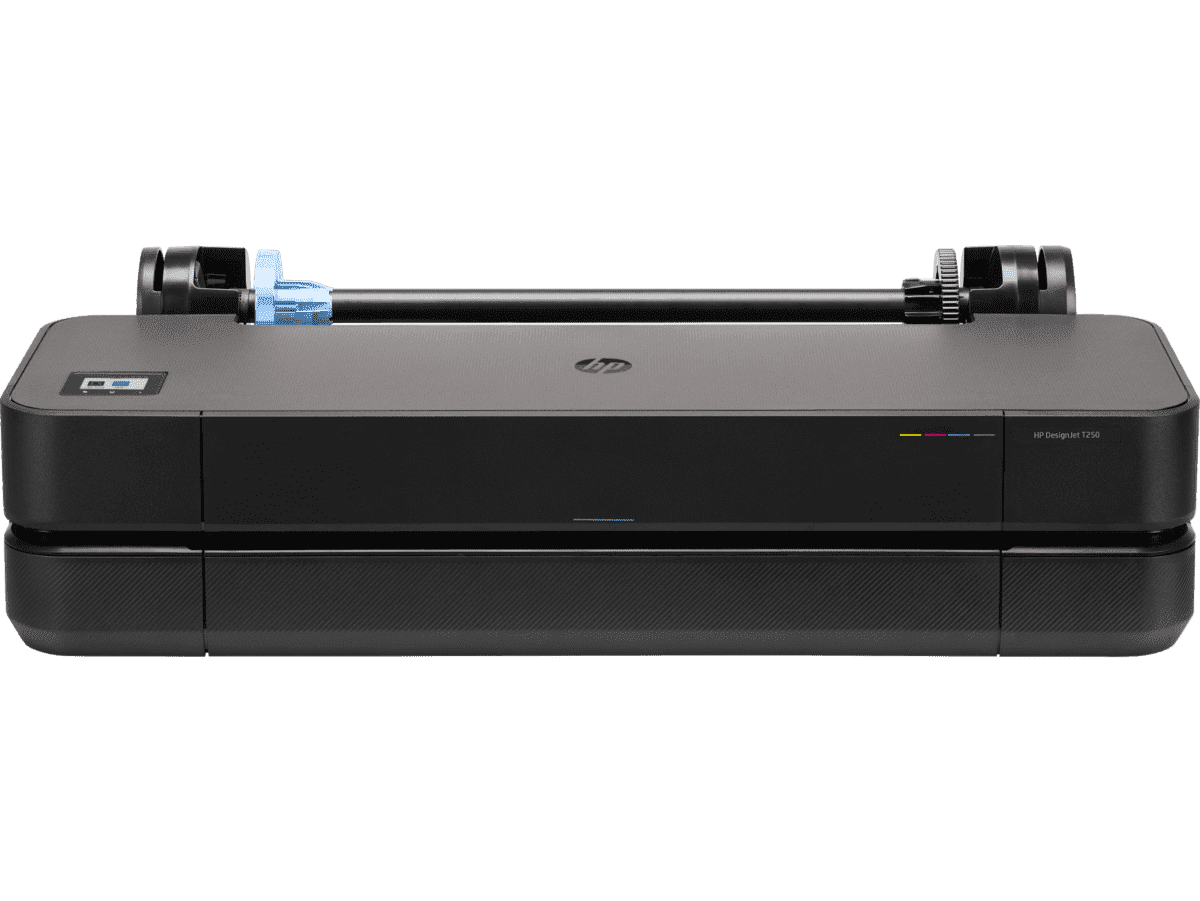
HP DesignJet T250 24-inch Compact Large Format A1 Plotter Printer + HP DesignJet T200/T600 Automatic Sheet Feeder + HP Installation Service for Design
A1 Colour HP DesignJet Large Format Printer, Perfect for Small Offices & Business Print 30 sec/page on A1; 76 A1 prints per hour USB, Ethernet, Wi-Fi Touchscreen; Automatic document feeder; Front USB flash drive port
MYR 5860.00MYR 4980.00Buy Now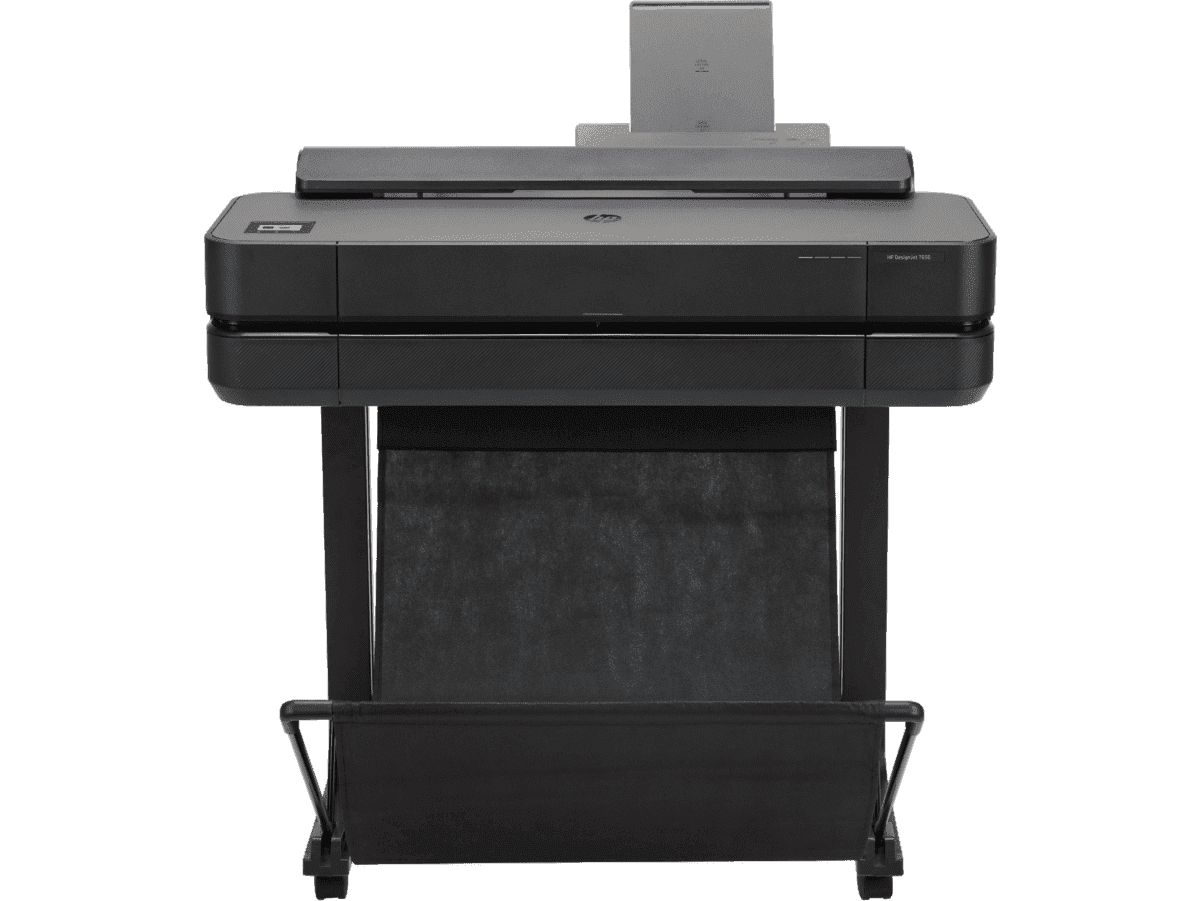
HP DesignJet T650 24-in Printer + HP Installation Service for DesignJet Series Entry Level (APJ)
A1 Colour HP DesignJet Large Format Printer, Perfect for Small Offices, Business & Enterprise Print 26 sec/page on A1; 81 A1 prints per hour Sheet feed, Roll feed, Automatic Sheet Feeder, Media Bin, Automatic Horizontal Cutter USB, Ethernet, Wi-Fi HP Click, HP Smartapp, HP Wolf Essential Security
MYR 8570.00MYR 6880.00Buy Now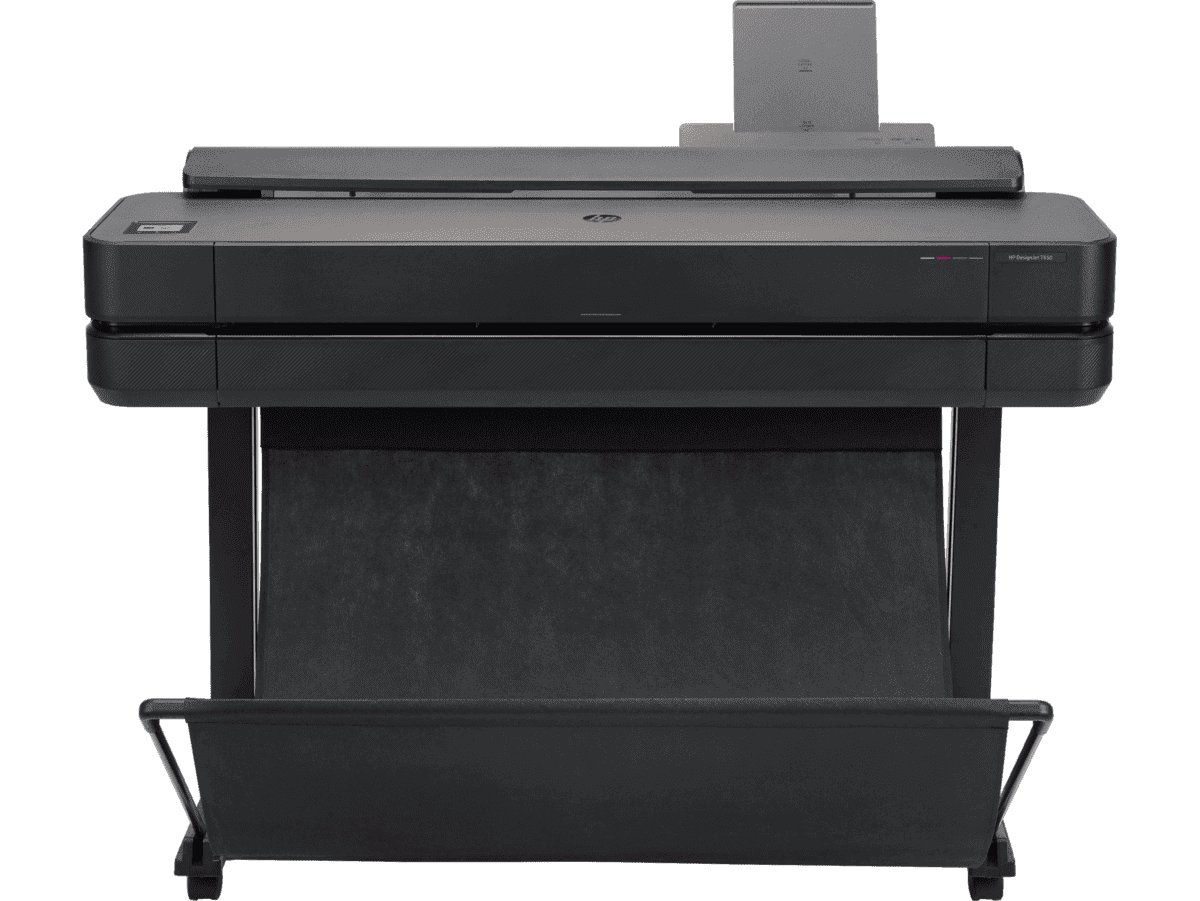
HP DesignJet T650 36-in Printer + HP Installation Service for DesignJet Series Entry Level (APJ)
A0 Colour HP DesignJet Large Format Printer, Perfect for Small Offices, Business & Enterprise Print Sheet feed, Roll feed, Automatic Sheet Feeder, Media Bin, Automatic Horizontal Cutter USB, Ethernet, Wi-Fi HP Click, HP Smartapp
MYR 11640.00MYR 9880.00Buy Now


