Blog
Filter categoryHow AI enhances large format printing for AEC

Construction Technology
|29 Apr 2025
In the AEC industry, large format printing is vital to producing detailed drawings, plans, and blueprints. However, the process is often time-consuming and labour-intensive and has a high potential for errors. New technology and AI-powered tools have the potential to resolve many of these issues. Modern AI systems can automatically process and optimise drawing sets, reducing documentation time from days to minutes. Machine learning and intelligent automation features can also detect errors in real time and reduce related waste. The advancements of AI in large format printing can bridge the technical skills gap and change how architectural drawings are produced and managed.
Introduction to AI in Large Format Printing
As industry professionals investigate the value of AI in large format printing, data is being used to predict customer needs and develop personalised experiences. The AEC industry is known for its hesitancy in adopting new technology. But AI tools designed for the industry can improve collaboration, organise data, and automate field reports and other repetitive tasks.
Current Challenges in Architectural Printing
Large format prints in the AEC industry demand print precision and colour accuracy. Errors or outdated technology can lead to lost time and wasted resources. These inefficiencies frequently cause project delays and budget concerns.
Why AI Integration Matters
Digitisation is vastly increasing efficiency in the AEC industry, creating ways for professionals to work faster with fewer errors. New technologies like BIM software, robotics, and automation integrate workflows and reduce manual tasks. AI-based design that integrates with existing AEC software allows professionals to use data-driven insights to enhance designs and workflows, driving improvements across all projects.
AI-Powered Print Optimisation
While modelling is taking the AEC industry by storm and improving construction plan clarity, drawings remain critical to the industry. Drawings are essential communications in bid preparation and informing stakeholders. As AI-powered software and integrated print solutions continue to evolve, these systems can further automate drawing and printing processes to improve efficiency and reduce errors.
Automated Drawing Processing
Modern CAD tools automatically create drawings and reduce repetitive tasks, but engineers still spend an estimated 25%-40% of their time refining drawings. Automated drawing processing proposes to take data from existing raster images or models to automatically create CAD documents. This can save hours of manual work per drawing.
For example, updates to HP Build Workspace utilise AI Vectorisation to automatically convert drawings into CAD editable files, saving 80% of the time required for each project. Additional features—Site Captures and Site Reports—save teams hours per week in field report generation during the construction phase and improve coordination across all project stakeholders. AI vectorisation with HP Build Workspace is expected to be available in North America, the UK, and Germany starting May 2025.
Intelligent Job Profiling
AI in large format printing can use algorithms to create optimised design alternatives based on specific criteria such as:
- Material efficiency
- Space utilisation
- Long-term sustainability
This allows teams to reduce design time and develop more innovative, cost-effective solutions.
Quality Control and Error Detection
AI-based tools use historical data and predictive analytics to foresee project delays, optimise timelines, and manage costs. By continuously analysing data from job sites and stakeholders, AI can provide real-time insights. These insights can help project managers make data-driven decisions and mitigate risks early in the project lifecycle.
Automation and Efficiency
Automation in the AEC sector simplifies processes and reduces errors, improving efficiency and cost-effectiveness. By simplifying complexity, improving communication, and automating manual processes between the office and field sites, innovative new technology (such as HP Build Workspace) can reduce construction project lead times from three days to as little as 20 minutes, depending on design complexity.
24/7 Operation Capabilities
The use of AI tools on-site for project logging, combining voice, text, and photo integration, is increasing. These AI-powered tools require minimal human intervention, enabling 24/7 operations in place of an eight-hour work shift.
Reduced Project Documentation Time
AI systems can automatically classify, sort, and retrieve documents, ensuring project teams have the most relevant information at their fingertips. With up-to-date information and a single source of truth, teams can avoid wasting time searching for critical documents. They can also reduce the risk of errors caused by outdated or misplaced information.
Workflow Optimisation Systems
Integration is a critical part of workflow optimisation from design to print and throughout the build process. This can be achieved with software features that eliminate the need for external processing and large format printers with compatibility features designed to integrate with AEC software solutions.
Another recent HP innovation is the development of the HP SitePrint Flatness Measurement Service. This will be offered as an add-on service to HP SitePrint. The service enables professionals to measure the flatness of the floor while printing the layout, transforming four manual processes into a single automated one. These streamlined approaches enhance efficiency and improve collaboration with real-time elevation insights.
Remote Management Solutions

The AEC industry has long struggled with inefficiencies related to poor project planning, miscommunication between stakeholders, cost overruns, and safety risks. The rise of digital tools supporting hybrid workflows not only allows architects and engineering professionals to work remotely from the office, at home, or on-site, but it also addresses many of these industry concerns. Teams collaborating in different locations and even in different time zones need solutions that allow them to share and print detailed documents from any location. High-quality modern printers allow teams to seamlessly work between digital and physical documents so they can share accurate information in real time.
Cloud-Based Print Management
Cloud print management allows AEC professionals to print from any web-connected device, no matter where the printer is located. Printing from an Internet-connected printer eliminates the need for printer drivers, allowing stakeholders to share printed documents.
Queue Management Systems
AI-powered queue management systems collect and analyse queuing data from various sources and use algorithms and advanced capabilities to analyse and understand patterns. AI systems can automatically classify, sort, and retrieve documents, ensuring that teams have the most up-to-date and relevant information.
Future Implications and Benefits
The AEC industry is on the cusp of dramatic change. Technologies like AI in large format printing and machine learning give industry professionals innovative ways to address ongoing challenges that threaten success.
Bridging the Skills Gap
Local labour shortages have become the Malaysian construction industry's biggest challenge. Low worker participation in the sector, coupled with skill shortages, forces a reliance on foreign labour to keep up with rapid population and commercial growth. AI-powered tools can address the root issues of the labour shortage. They can automate manual tasks to decrease the number of workers needed. They can also reduce training requirements through new technologies.
Cost and Time Savings
Automation and artificial intelligence improve efficiency over time, helping businesses make informed decisions that fuel growth. Simplifying design and build processes and reducing manual tasks dramatically improves productivity, cutting operational costs and time requirements.
Embracing Innovation for Future Success
Digital technology and AI-powered solutions are no longer a luxury or "nice to have" in the AEC industry. Firms planning to keep up with the competition will need to invest in solutions that:
- Improve efficiency
- Enable remote collaborations
- Allow teams to do more with less
Utilising these tools will yield an impressive ROI in the form of saved time, reduced labour requirements, and lower operational costs. A long-time innovator in the AEC printing industry, HP offers a range of new innovations to help modern construction firms make necessary changes. Get in touch today to discuss your large format AEC printing needs and how to best use AI in large format printing.
Explore plotter printers for your needs

HP DesignJet T850 36-in Multifunction Printer + HP Installation Service for DesignJet Series Entry Level (APJ)
A0 Color HP DesignJet Large Format Printer, Perfect for Business Print, copy, scan Dynamic security enabled printer 25 sec/page on A1 Ethernet, Wi-Fi Touchscreen, Automatic document feeder, Front USB flash drive port, Scan to PDF
MYR 18365.00MYR 17480.00Buy Now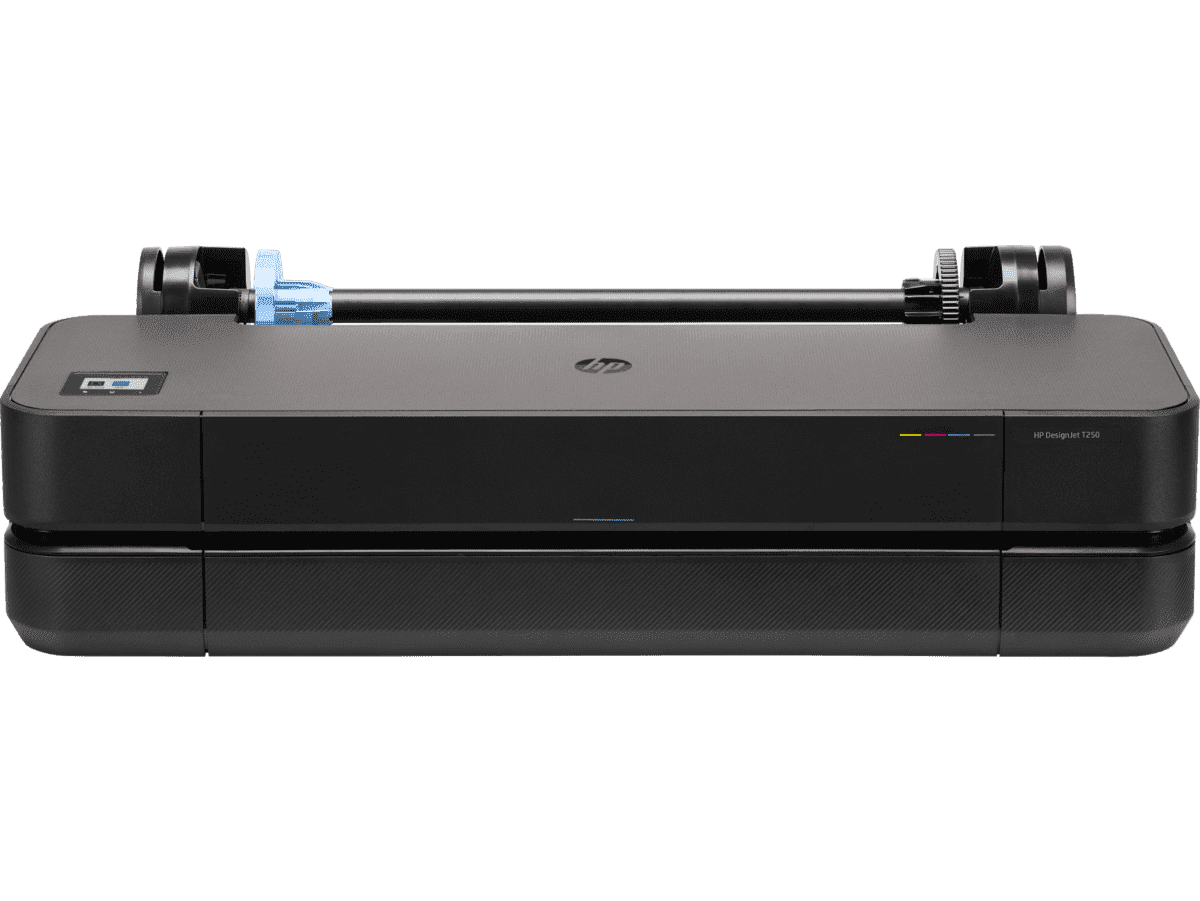
HP DesignJet T250 24-inch Compact Large Format A1 Plotter Printer + HP DesignJet T200/T600 Automatic Sheet Feeder + HP Installation Service for Design
A1 Colour HP DesignJet Large Format Printer, Perfect for Small Offices & Business Print 30 sec/page on A1; 76 A1 prints per hour USB, Ethernet, Wi-Fi Touchscreen; Automatic document feeder; Front USB flash drive port
MYR 5860.00MYR 4980.00Buy Now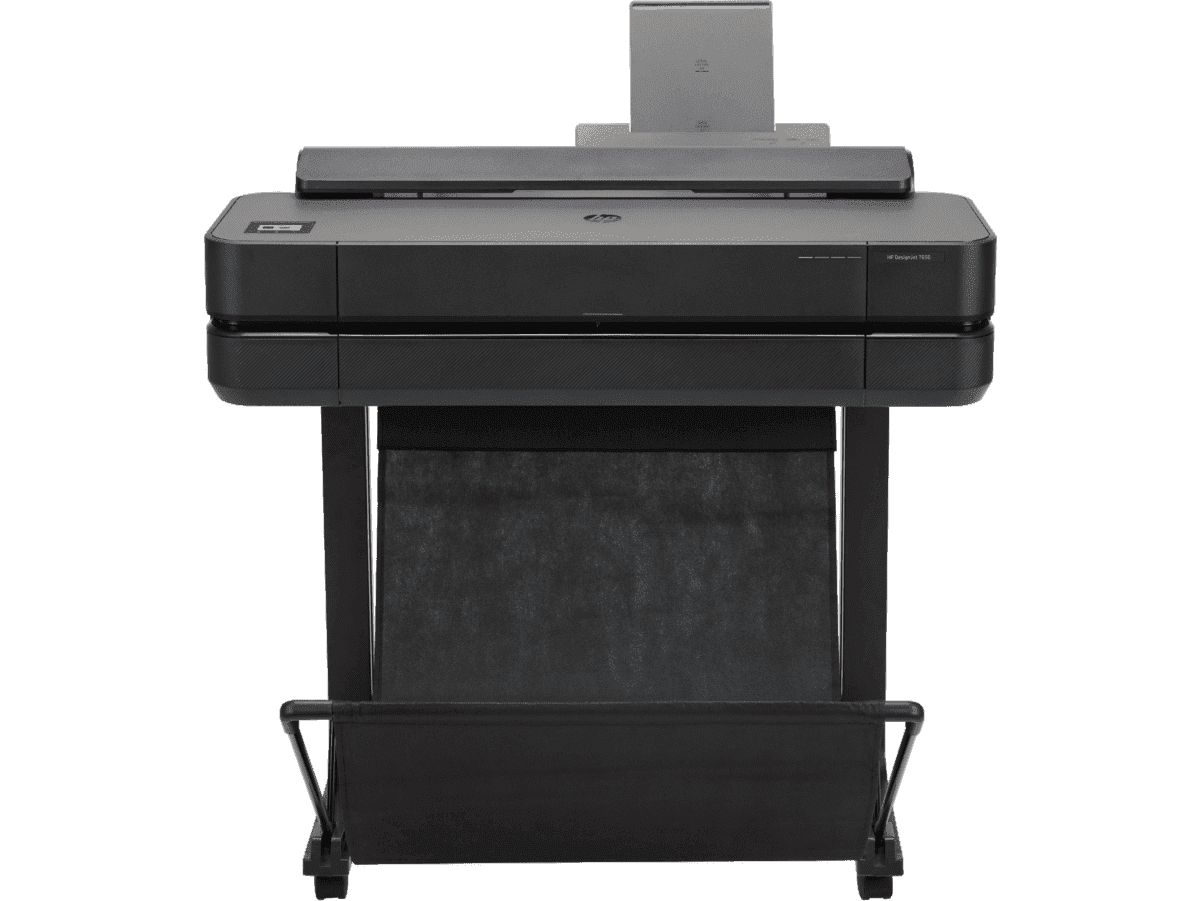
HP DesignJet T650 24-in Printer + HP Installation Service for DesignJet Series Entry Level (APJ)
Functions: PrintAuto sheet feeder: A4, A3; manual feed: A4, A3, A2, A1Print quality color: Up to 2400 x 1200 optimized dpiPrint speed: 26 sec/page on A1, 81 A1 prints per hour[1]Number of print cartridges: 4 (C, M, Y, K)
MYR 8570.00MYR 6880.00Buy Now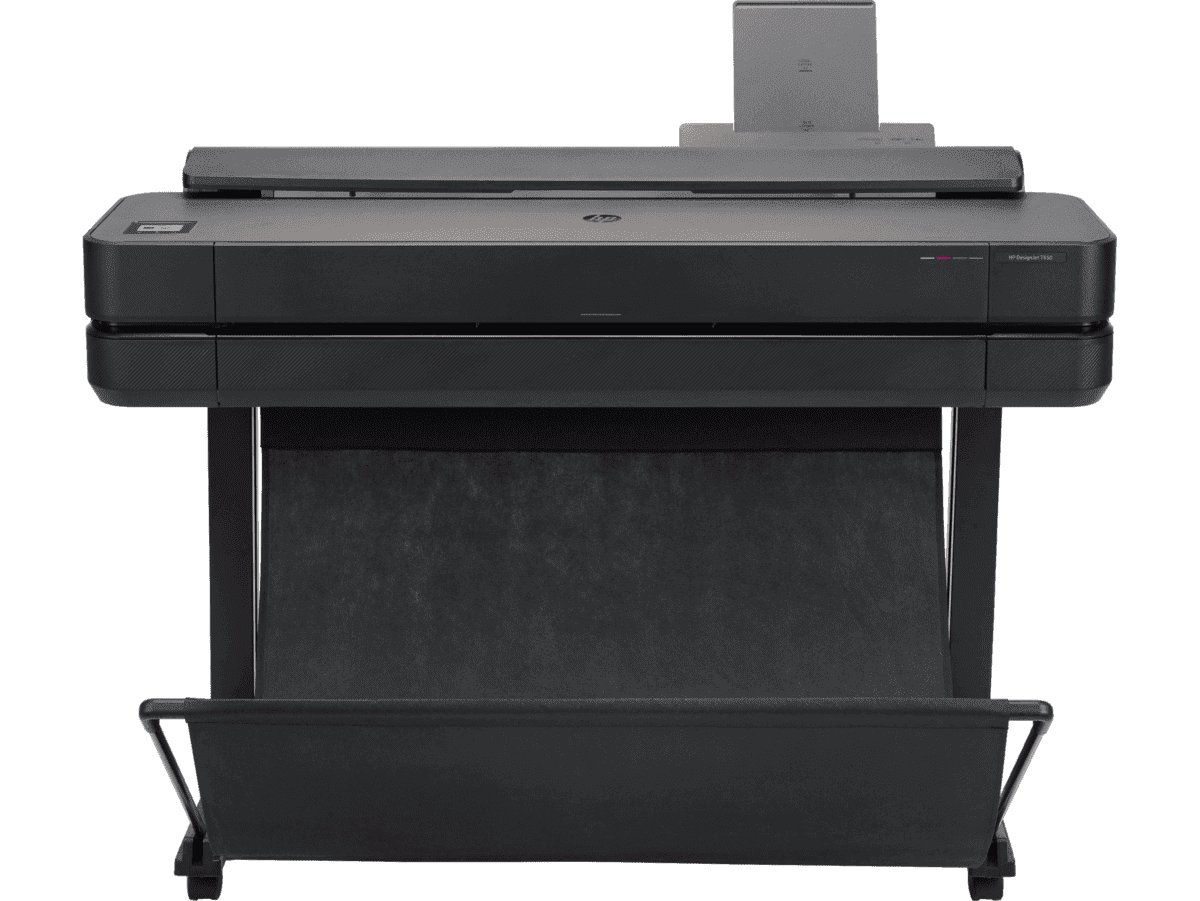
HP DesignJet T650 36-in Printer + HP Installation Service for DesignJet Series Entry Level (APJ)
Functions: PrintAuto sheet feeder: A4, A3; manual feed: A4, A3, A2, A1, A0Print quality color: Up to 2400 x 1200 optimized dpiPrint speed: 25 sec/page on A1, 82 A1 prints per hour[1]Number of print cartridges: 4 (C, M, Y, K)
MYR 11640.00MYR 9880.00Buy Now
Anda mungkin juga suka
 Pencetak Plotter
Mobile blueprint printing for on-the-go AEC teams
- HP DesignJet
Cost-effective printing of safety plans and wayfinding information
 How-To
The complete guide to large format printing for AEC professionals
 How-To
Rastering redline drawings: Effective methods for marking up construction plans
 HP DesignJet
How large format printers enable faster design iterations in architectural firms
 Berita
The role of large format printers in visualising smart city infrastructure
 Kelestarian
Adapting to green building standards in AEC
 Berita
5 reasons blueprints are important in the construction sector
 Berita
Latest innovations in printing technology: Top 5 uses of large format printers in the construction sector
 Berita
Benefits of creating architecture landscape plans through large format printing
 Kelestarian
The key elements of a sustainable house design
 Keselamatan Siber
Cybersecurity in construction: Current risks and how to protect your construction company from cybersecurity risks
 Berita
Complete guide to types of construction drawing
 Berita
Building and construction skills: Why upskilling is important
 Alat Digital
Smart building automation systems and how they reduce costs
 Alat Digital
Building automation trends: Why automation is crucial for AECs
 Kelestarian
Understanding cost of sustainable construction: Is it cheaper?
 Berita
Top advantages of smart buildings and building management systems
 Kelestarian
Green building benefits: Importance of eco-friendly construction
 Alat Digital
5 IoT applications in Architecture, Engineering, and Construction (AEC)