Blog
Filter categoryAdapting to green building standards in AEC

Construction Technology
|30 Sep 2024
To help the AEC industry meet sustainability goals, several compliance standards and green building standards have been established. They provide a comprehensive framework for creating environmentally responsible and resource-efficient structures.
Key Green Building Compliance Standards
Let's start by taking a look at some of the most influential and widely recognised compliance standards. These provide an excellent starting point for any green building initiative.
LEED (Leadership in Energy and Environmental Design)
BREEAM (Building Research Establishment Environmental Assessment Method)
Green Globes
Living Building Challenge
WELL Building Standard
Essential Strategies for Meeting Green Building Standards

Although the standards differ in their requirements, the core of green building can be broken down into three categories: sustainable design, eco-friendly materials, and energy efficiency.
Integrating Sustainable Design Practices
Choosing Eco-Friendly Materials for Construction
Enhancing Energy Efficiency in Building Projects
The Benefits of Green Building Compliance in AEC
There are many reasons why an AEC professional would want to adhere to green building standards. Below are some of the most important benefits.
Regulatory Compliance and Market Advantages
Long-Term Cost Savings and Environmental Impact
Best Practices for Staying Updated on Green Building Standards
AEC professionals looking to build more environmentally friendly buildings need to keep up with their implementation of the standards and the evolution of the standards themselves.
Compliance
Continuous Education and Training in Sustainable Practices
The Future of Green Building in the AEC Industry
As new technologies become available, green building standards and practices will evolve to adopt them. Solar is making large inroads as a way for buildings to be net-zero or even net-positive. Other trends, such as incorporating natural elements for improved living conditions, are also becoming popular. Through the continuous education tips above, AEC professionals can keep up with these evolving trends.
To learn more about how HP DesignJet printers can support your green building projects with eco-friendly, high-precision printing solutions, contact an HP representative today.
Explore plotter printers for your needs

HP DesignJet T850 36-in Multifunction Printer + HP Installation Service for DesignJet Series Entry Level (APJ)
A0 Color HP DesignJet Large Format Printer, Perfect for Business Print, copy, scan Dynamic security enabled printer 25 sec/page on A1 Ethernet, Wi-Fi Touchscreen, Automatic document feeder, Front USB flash drive port, Scan to PDF
MYR 18365.00MYR 17480.00Buy now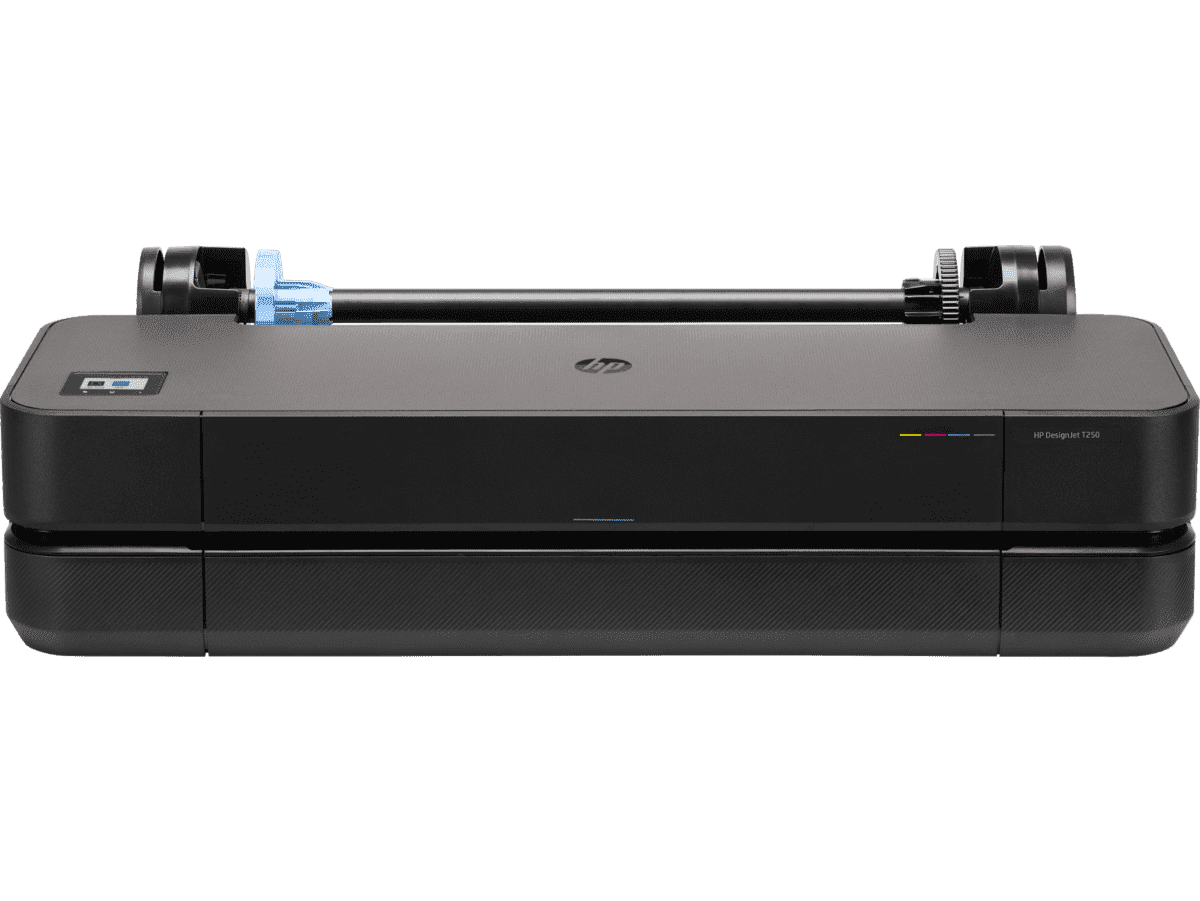
HP DesignJet T250 24-inch Compact Large Format A1 Plotter Printer + HP DesignJet T200/T600 Automatic Sheet Feeder + HP Installation Service for Design
A1 Colour HP DesignJet Large Format Printer, Perfect for Small Offices & Business Print 30 sec/page on A1; 76 A1 prints per hour USB, Ethernet, Wi-Fi Touchscreen; Automatic document feeder; Front USB flash drive port
MYR 5860.00MYR 4980.00Buy now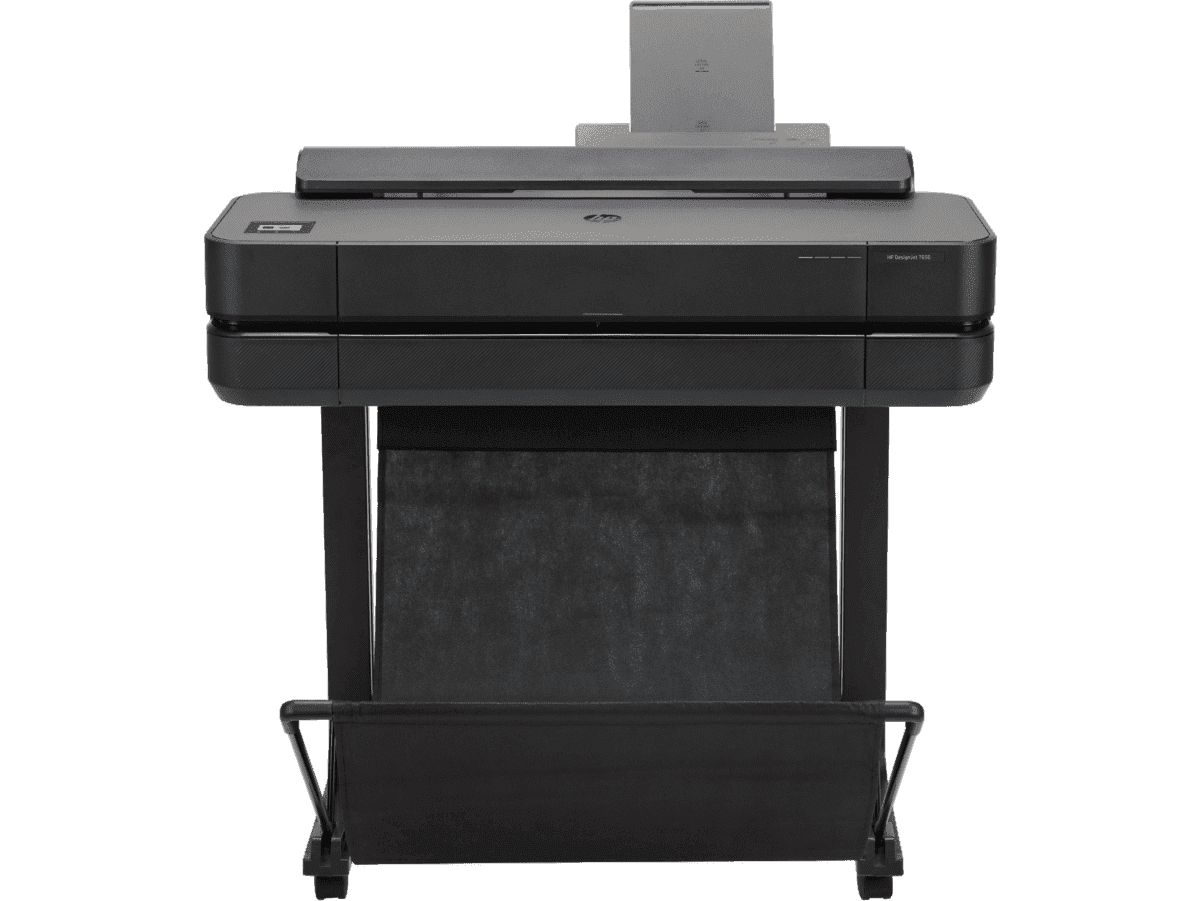
HP DesignJet T650 24-in Printer + HP Installation Service for DesignJet Series Entry Level (APJ)
Functions: PrintAuto sheet feeder: A4, A3; manual feed: A4, A3, A2, A1Print quality color: Up to 2400 x 1200 optimized dpiPrint speed: 26 sec/page on A1, 81 A1 prints per hour[1]Number of print cartridges: 4 (C, M, Y, K)
MYR 8570.00MYR 6880.00Buy now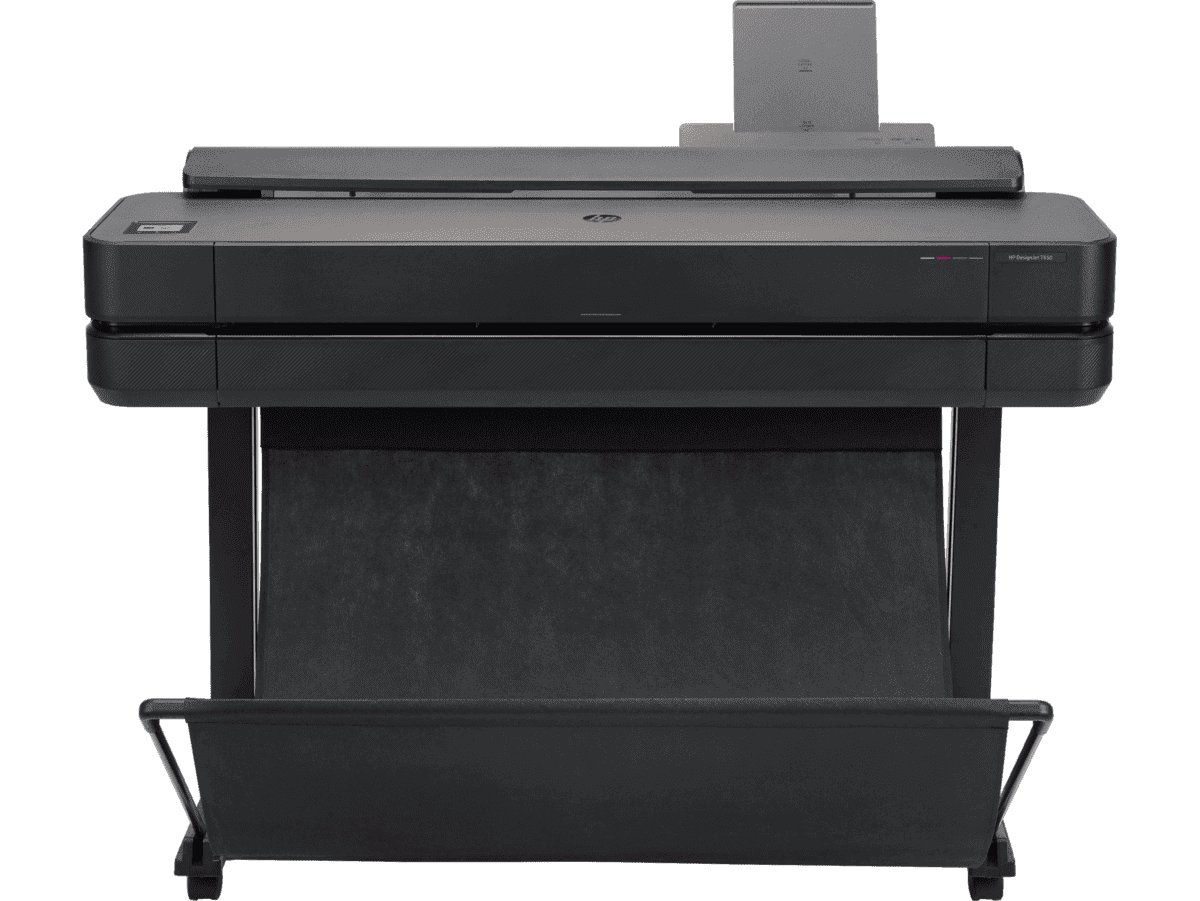
HP DesignJet T650 36-in Printer + HP Installation Service for DesignJet Series Entry Level (APJ)
Functions: PrintAuto sheet feeder: A4, A3; manual feed: A4, A3, A2, A1, A0Print quality color: Up to 2400 x 1200 optimized dpiPrint speed: 25 sec/page on A1, 82 A1 prints per hour[1]Number of print cartridges: 4 (C, M, Y, K)
MYR 11640.00MYR 9880.00Buy now
You may also like
 Plotter Printers
Mobile blueprint printing for on-the-go AEC teams
- HP DesignJet
Cost-effective printing of safety plans and wayfinding information
 How-To
The complete guide to large format printing for AEC professionals
 Digital Tools
How AI enhances large format printing for AEC
 How-To
Rastering redline drawings: Effective methods for marking up construction plans
 HP DesignJet
How large format printers enable faster design iterations in architectural firms
 News
NewsThe role of large format printers in visualising smart city infrastructure
 News
News5 reasons blueprints are important in the construction sector
 News
NewsLatest innovations in printing technology: Top 5 uses of large format printers in the construction sector
 News
NewsBenefits of creating architecture landscape plans through large format printing
 Sustainability
The key elements of a sustainable house design
 Cybersecurity
Cybersecurity in construction: Current risks and how to protect your construction company from cybersecurity risks
 News
NewsComplete guide to types of construction drawing
 News
NewsBuilding and construction skills: Why upskilling is important
 Digital Tools
Smart building automation systems and how they reduce costs
 Digital Tools
Building automation trends: Why automation is crucial for AECs
 Sustainability
Understanding cost of sustainable construction: Is it cheaper?
 News
NewsTop advantages of smart buildings and building management systems
 Sustainability
Green building benefits: Importance of eco-friendly construction
 Digital Tools
5 IoT applications in Architecture, Engineering, and Construction (AEC)
Select Your Country/Region and Language
Close Country/Region Selector Dialog
Europe, Middle East and Africa
- Africa
- Afrique
- België
- Belgique
- Česká republika
- Danmark
- Deutschland
- Eesti
- España
- France
- Hrvatska
- Ireland
- Italia
- Latvija
- Lietuva
- Magyarország
- Middle East
- Nederland
- Nigeria
- Norge
- Österreich
- Polska
- Portugal
- România
- Saudi Arabia
- Slovenija
- Slovensko
- South Africa
- Suisse
- Suomi
- Sverige
- Switzerland
- Türkiye
- United Kingdom
- Ελλάδα
- България
- Казахстан
- Србија
- Україна
- ישראל
- الشرق الأوسط
- المملكة العربية السعودية
Country/Region :
Close Country/Region Selector
SelectedMalaysia
popUpSRBeginingLabelString
HP Worldwide
Select Your Country/Region and Language
Click or use the tab key to select your country
Close Country/Region Selector Dialog
- Africa
- Afrique
- América Central
- Argentina
- Asia Pacific
- Australia
- Bangladesh
- België
- Belgique
- Bolivia
- Brasil
- Canada
- Canada - Français
- Caribbean
- Česká republika
- Chile
- Colombia
- Danmark
- Deutschland
- Ecuador
- Eesti
- España
- France
- Hong Kong SAR
- Hrvatska
- India
- Indonesia
- Ireland
- Italia
- Latvija
- Lietuva
- Magyarország
- Malaysia
- México
- Middle East
- Nederland
- New Zealand
- Nigeria
- Norge
- Österreich
- Pakistan
- Paraguay
- Perú
- Philippines
- Polska
- Portugal
- Puerto Rico
- România
- Saudi Arabia
- Singapore
- Slovenija
- Slovensko
- South Africa
- Sri Lanka
- Suisse
- Suomi
- Sverige
- Switzerland
- Türkiye
- United Kingdom
- United States
- Uruguay
- Venezuela
- Việt Nam
- Ελλάδα
- България
- Казахстан
- Србија
- Україна
- ישראל
- الشرق الأوسط
- المملكة العربية السعودية
- ไทย
- 中华人民共和国
- 臺灣 地區
- 日本
- 香港特別行政區
- 한국
- Recalls |
- Product recycling |
- Accessibility |
- Privacy |
- Terms of use |
- Limited warranty statement |
- Use of Cookies |
©2026 HP Development Company, L.P. The information contained herein is subject to change without notice.