Blog
The Benefits of Wide-Format Printing for Multi-Disciplinary AEC Collaboration

Technical Printing
|17 Mar 2025
Like many industries, the architecture, engineering, and construction (AEC) industry relies heavily on effective collaboration for successful project delivery. From initial design to final completion tasks, teams across multiple disciplines must work in concert to complete a project to the highest standards. Despite the industry's growing digital transformation, large format printing remains a large part of the process. In fact, digital advancements have only added to the benefits of AEC printing. This article explores how wide-format printing technologies play a role in collaborating on AEC workflows.
Why Accurate Printed Plans Matter in AEC Projects
The Role of Printing in AEC Collaboration
The AEC industry is highly visual. Detailed plans, blueprints, and renderings are all used to communicate ideas about designs. Digital tools have revolutionised how these documents are created, but printed versions of them remain indispensable on construction sites, in meetings with clients, and during design reviews.
Without reliable, durable, and accurate plans, contractors on a construction site can't execute their work properly or access large format printing benefits. With printed documents, these workers can access critical information without needing electricity or internet connectivity. They can be easily annotated and quickly referenced. Side-by-side comparisons make changes to plans easy to spot. In practical field conditions, digital platforms add friction to these processes rather than reduce it.
Challenges of Traditional Printing Methods in AEC
Despite its usefulness, printing hasn't always been smooth sailing for AEC workflows. Large format printing was once something that needed to be outsourced to get high-quality output. This meant choosing between the expense and delays of relying on third-party printers or suffering from the poor quality that in-house printers were able to deliver. This poor quality came in the form of inaccurate colour representation and poor line detail, which are project killers in the AEC field. These inefficiencies could negatively impact project timelines and budgets, reducing the benefits of AEC printing.
Key Benefits of Large Format Printing in AEC Workflows
Thanks to technological advancements, modern large format printers have addressed these challenges. Companies can now see the benefits of AEC printing across every stage of a project. At the same time, they introduced new advantages that significantly aided the AEC collaboration process.
Enhanced Project Visualisation and Communication
The print quality from today's large format printers is exceptional. They now enable teams to accurately visualise even the most complex designs. High-resolution printing keeps fine details in place, ensuring that architectural plans are clearly visible. Advanced colour technology produces renderings that are more true to life than ever before.
When combined, these advancements help clients and stakeholders better understand design proposals. This also means that team members can communicate more effectively. Everyone is guaranteed to be on the same page when the possibility of misinterpretations from bad prints is eliminated.
Faster Turnaround and Increased Productivity
Speed and reliability were common problems in older generations of large format printers. Prints were slow to complete, jams were common, and printers frequently needed repairs. Modern large format printers have solved these problems. AEC firms can now produce high-quality documents on demand with minimal wait times, keeping projects moving forward.
This is a major benefit to collaboration. Updated plans can be printed as changes occur, allowing teams to maintain momentum throughout the project lifecycle. Unexpected challenges are now less time-consuming. Client feedback can be incorporated more quickly. When rapid response means the difference between meeting deadlines or facing delays, large format printers are no longer a roadblock to success.
Cost Efficiency and Reduced Errors
Outsourcing print jobs is expensive because you have to pay a middleman and suffer the delays of waiting for the prints to arrive. Traditional printing methods are expensive because of the wasted ink and paper from inefficient and unreliable designs.
Modern large format printers solve both of these problems. They print quickly and efficiently. They also print more accurately, reducing the need for costly reprints.
These machines further reduce costs by preventing the errors and rework that can be caused by unreadable prints or from employees working with outdated information because new prints haven't arrived yet. It isn't just the printing that's more efficient—it's the project as a whole.
Choosing the Right Wide-Format Printer for Your AEC Team
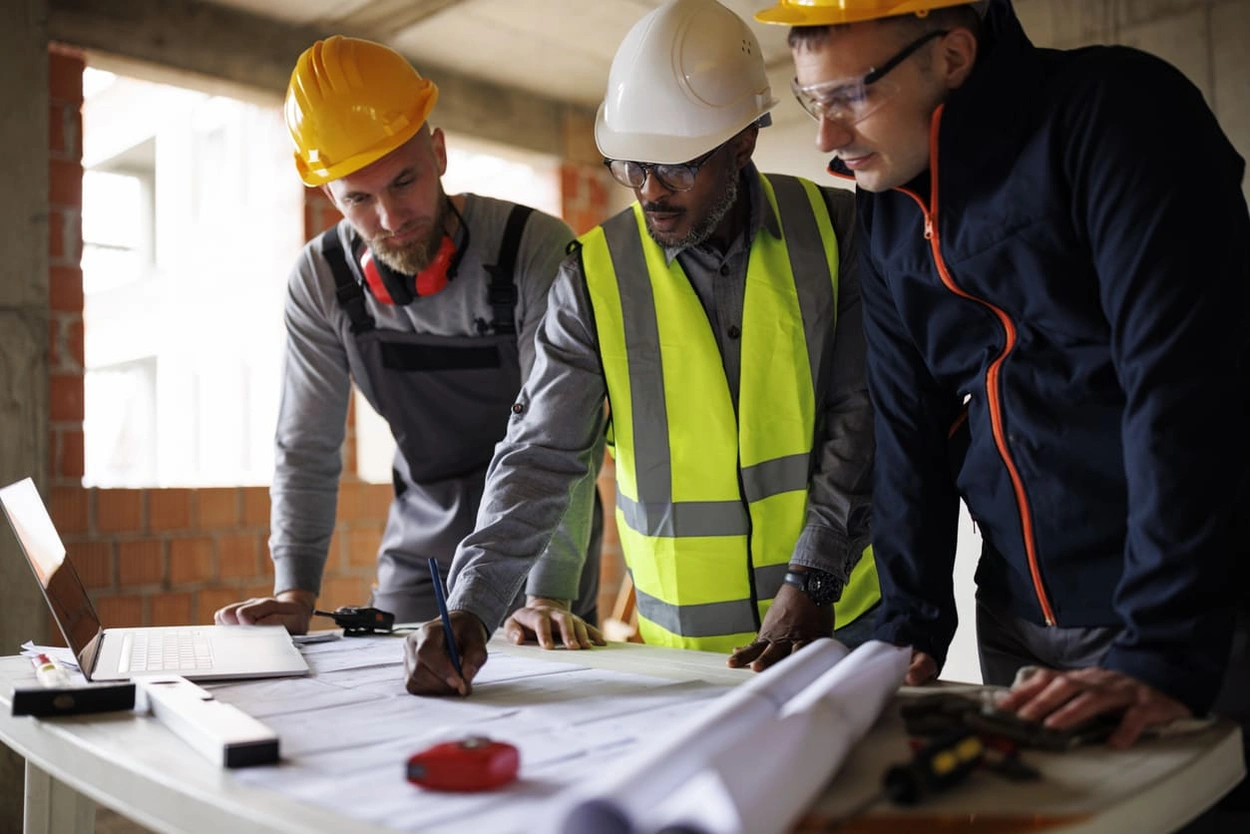
To get the most large format printer benefits, you must pick a model that delivers on all the promises the machines can offer.
Features to Look for in an AEC-Optimized Printer
The following features are must-haves for accessing the benefits of AEC printing:
- Superior Line Quality and Accuracy: High-resolution printing is a requirement for reproducing the fine details of technical documents.
- Advanced Colour Technology: Accurate colour representation makes renderings more true to life and ensures colour-coded materials are accurately coded.
- Seamless Software Integration: Direct connectivity with CAD, BIM, and other AEC software platforms eliminates conversion steps and streamlines workflow.
- Fast Printing Speed: Saving time is a big benefit of modern large format prints, so the one you choose should be fast.
How HP Large Format Printers Improve AEC Collaboration
HP large format prints, such as the DesignJet series, represent the gold standard in AEC-optimized printing. The DesignJet line combines professional-grade print technology with highly precise line accuracy. With DesignJet, even the most detailed technical drawings are reproduced perfectly.
With automatic sheet feeding and the ability to handle multiple media types, the DesignJet series provides a comprehensive solution for every phase of the AEC process. From design to construction, teams will always have accurate and up-to-date materials, eliminating miscommunication and allowing teams to work together quickly and cohesively.
Future Trends in AEC Printing Technology
Recent improvements in large format printing have been a huge leap for the AEC industry, but this is only the beginning. Printing technology, like the AEC industry itself, will continue to evolve.
Digital Printing Advancements and Smart Workflow Integration
Machine learning models are excellent at optimisation. Future printers will be able to automatically select the most optimal settings for a job, allowing more fine-grained control than ever before with less effort. Similar models will aid with predictive maintenance, allowing you to fix problems before they occur.
With the rise of augmented reality, large format printers may combine with AR glasses to provide a more immersive experience when practical while still retaining the benefits of printed materials in environments where AR glasses aren't available.
Sustainability and Eco-Friendly Printing Solutions
With the world becoming more environmentally conscious, printing solutions will surely rise to the occasion. New ink technologies can reduce waste without also reducing print quality, creating more benefits of AEC printing with fewer downsides. The energy efficiency of printer designs is also improving, so the machines put less strain on carbon emissions. Evolving paper usage optimisations will also help to further reduce material waste.
HP, in particular, is placing a heavy emphasis on becoming a more environmentally friendly company and is leading the charge in many of these areas.
Access the Benefits of Wide-Format Printing Today
Printed materials still have many uses in the AEC field. But that doesn't mean the production of these materials hasn't evolved significantly to produce new benefits of AEC printing. Modern large format printers are better than their predecessors in nearly every way. To find out for yourself how these machines can improve collaboration on your AEC projects, take advantage of HP's DesignJet Promo today.
You Might Also Like

Top 5 Printers for Artists: High-Quality Prints for Fine Art
What Is a Wide Format Printer?: A Beginner’s Guide to Large-Scale Printing
Preparing Files for Large Format Printing: A Step-by-Step Guide
How to Use Large Format Plotters for Facility Management Floorplans

Common Mistakes & Fixes for Poor-Quality Blueprints

Common Print File Types for Blueprints Explained

Common Printing Mistakes: How to Avoid Costly Errors in Large Format Jobs
Best Printers for Illustration Prints: Top Picks for Artists and Designers

Digital vs. Paper: When to Print Architectural Drawings and When to Share Digitally

Best Practices for Marking Up and Revising Printed Architectural Plans

3 Keys to Print Emergency Maps That Enhance Disaster Response
5 Pro Tips for Mastering Wide Format Printing for AECs

Top 5 Large Photo Printers for Professional Artists and Photographers
The Complete Guide to Large Format Printing for AEC Professionals

Options for Upgrading Your Plotter

3 Best Practices for Large Document Conversion for Print

Understanding As-Built Drawings and Why They Matter

3 Ways Large Format Plotters Streamline Construction Submittals

How AI Enhances Large Format Printing for AEC
How to Optimise Hybrid AEC Printing Workflows With Large Format Printers