Blog
What Is a Wide Format Printer?: A Beginner’s Guide to Large-Scale Printing

Technical Printing
|29 Jul 2025
While clarity and accuracy are desirable in all types of prints, the importance of these details becomes critical in the architecture, engineering, and construction (AEC) industries. AEC documents, such as technical drawings, blueprints, and site plans, are often printed on larger media sizes and demand precise lines and accurate colour hue. Wide format printers are the tools used in these industries to produce large-scale, high-resolution prints that meet the demands of complex construction projects. But what is a wide format printer?
These printers handle larger media sizes (typically A3 and above) and reproduce fine line detail and colour accuracy crucial in technical environments. Whether used for architectural drafts, electrical layouts, or construction schematics, wide format printers support fast, precise, and scalable output directly from CAD or BIM software.
If you're an AEC professional who wants large format printers explained so you understand the role of wide format printing in your workflows, then we're here to help. In this guide, we'll:
- Explore key features that matter most in technical printing
- Compare inkjet and laser technologies for line accuracy
- Help you choose the best HP printer to fit your firm's size and needs
Understanding Wide Format Printing for AEC
What is a wide format printer for? They can print larger technical drawings. Various technical drawings lay out engineering plans for different parts of construction projects. These documents then serve as a graphical form of communication among AEC professionals.
Definition and Key Capabilities for Technical Drawings
Technical drawings are precise illustrations that inform the engineering processes needed to create a finished structure or construction project. Different types of technical drawings include:
- Structural drawings: Modern laser printing techniques used to create blueprints
- Technical illustrations: Stylistic drawings using colours, shading, 3D renderings, and other visual elements used for investors and promotions
- Mechanical drawings: Highly information-dense schematics
- Section views: Cross sections or single planes of a perspective
- Assembly drawings: Graphical images that dissect a product or device to make each component visible
- Computer-aided design: Designs applied directly to computer-controlled processes
Common Print Sizes and Materials Used in AEC Projects
Blueprints and construction plans come in several standard blueprint sizes for easy reproduction.
ANSI Paper Sizes
- ANSI A: 21.59cm x 27.94 cm (8.5 x 11 inches)
- ANSI B: 27.94 cm x 43.18 cm (11 x 17 inches)
- ANSI C: 43.18 cm x 55.88 cm (17 x 22 inches)
- ANSI D: 55.88 cm x 86.36 cm (22 x 34 inches)
- ANSI E: 86.36 cm x 111.76 cm (34 x 44 inches)
Arch Paper Sizes
- ARCH A: 22.86 cm x 30.48 cm (9 x 12 inches)
- ARCH B: 27.94 cm x 43.18 cm (11 x 17 inches)
- ARCH C: 43.18 cm x 55.88 cm (17 x 22 inches)
- ARCH D: 55.88 cm x 86.36 cm (22 x 34 inches)
- ARCH E: 86.36 cm x 111.76 cm (34 x 44 inches)
How Wide Format Printers Work in Technical Environments
Wide format printers are used in technical environments to integrate with industry-preferred software solutions and produce accurate blueprints, schematics, and drawings that meet the stringent requirements of architectural documents.
Inkjet vs. Laser for Line Accuracy and Detail
Inkjet and laser printers differ in how they transfer ink to media. A wide format inkjet printer uses small nozzles to emit ink droplets directly onto the paper, while laser printers use toner powder to produce electrostatically charged dots on a light-sensitive drum before toner is transferred to the paper by a heating process. Modern inkjet wide format printers are generally preferred in the AEC industry for precise line placement, vibrant and accurate colours, and energy efficiency.
CAD/BIM Software and File Compatibility
AEC professionals utilise drawing management software to create and optimise 2D or 3D designs or 3D models (with BIM software). Wide format printers that integrate with BIM and CAD software enhance collaboration among stakeholders and enable the creation of faster, more accurate technical drawings.
Why AEC Professionals Rely on Wide Format Printers
What is a wide format printer good at? AEC professionals invest in large format printers to produce large-scale, high-resolution prints that accurately meet the demands of complex construction projects. Modern wide format printers feature numerous enhancements designed to enhance efficiency and facilitate collaboration.
Supporting Precision in Architectural and Engineering Plans
Wide format printers feature effective measuring tools that improve the accuracy and precision of technical drawings used in AEC. These printers support integration with construction drafting software and offer high-resolution printing with superior colour accuracy, sharpness, and durability.
Enhancing Collaboration Through On-Site Prints and Revisions
Wide format multifunction printers make it easy to digitise documents and plans for use across teams. AEC professionals can scan and securely share documents among remote, office, and on-site teams for approval or revision before printing.
Business Benefits of Wide Format Printers in Construction
What is a wide format printer used for in the construction industry? Modern wide format printers are cost-effective and easy to use, offering AEC firms several advantages over outsourced printing.
Accelerating Project Timelines With In-House Printing
Investing in a modern wide format printer enables AEC firms to take control of project timelines by printing on demand, eliminating the need to wait for print shop scheduling. Printers designed for efficiency make media changes, collaboration, and print processes easy, allowing firms to complete projects more quickly and meet tight deadlines.
Cost-Effective Scaling for Mid- to Large Projects
Wide format printing is typically more economical than traditional printing for large-scale projects. When AEC firms can produce large-scale products in-house, they can address errors in real time and print on demand. Full control over printing processes and the ability to print on multiple large media sizes enable teams to take on more work and effectively scale the business to meet demand.
Choosing the Right HP Printer for AEC Needs
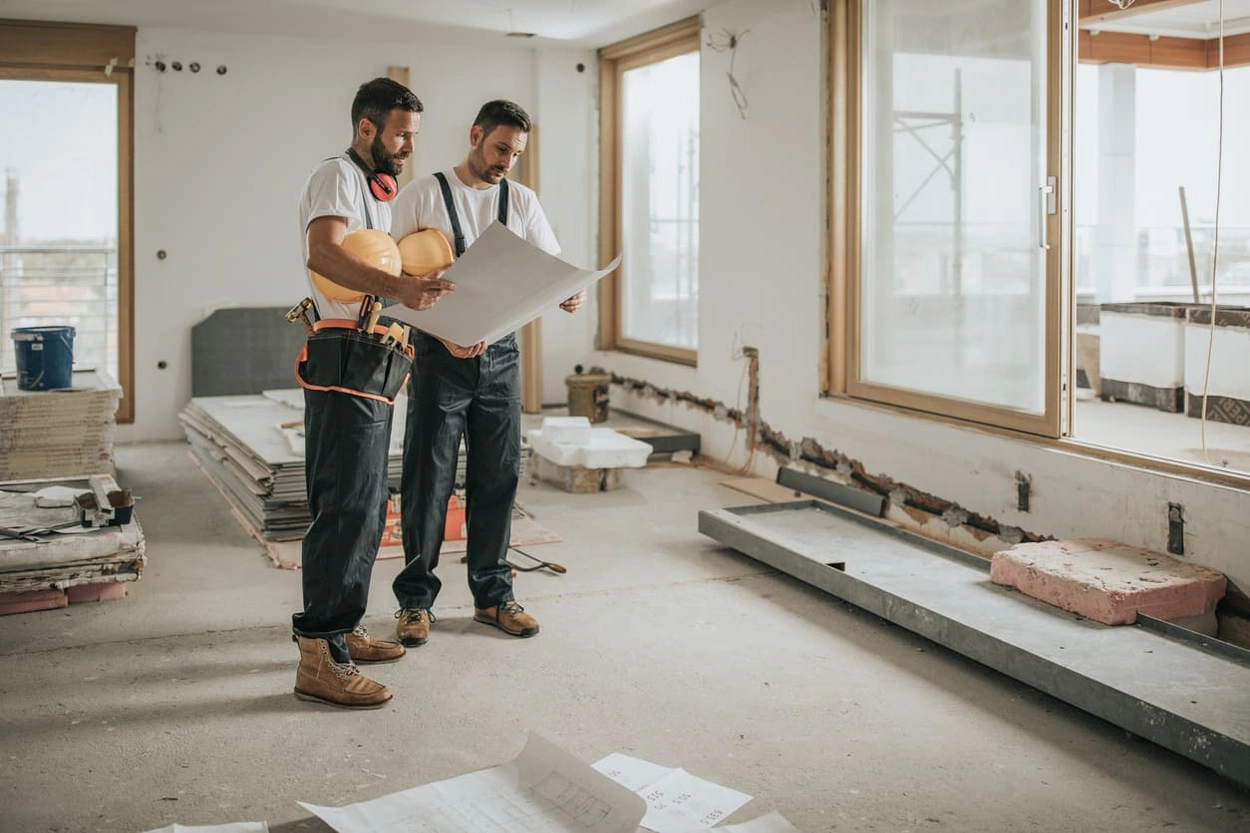
Choosing the best wide format construction printer for your business requires many considerations. While accuracy is key, durability, speed, and printer size will also be pivotal factors in your decision. As a forerunner in producing accurate and efficient printers for the AEC industry, HP offers several wide format printers ideal for AEC needs.
Best Models for CAD and Technical Drawings
HP offers several CAD printers with features that improve efficiency and create accurate output that prints directly from your CAD software. Some of the best models for CAD integration and producing crisp, clear technical drawings include:
- HP DesignJet T1600 Printer: A 36-inch colour CAD printer that produces vibrant, clear prints at a speed of up to 180D/hour, the T1600 has single and dual media roll options and automatic print stacking.
- HP DesignJet T1700 44-in Plotter: A 44-inch colour plotter with print speeds of up to 26 sec/page on A1, 116 A1 prints per hour, the T1700 offers dual role options for easy media switching, easy print navigation with HP Click software, and world-class security.
Key Features to Look For: Print Speed, Media Flexibility, and Connectivity
So, what is a wide format printer’s ideal feature set? A wide format printer with features designed to integrate with AEC drafting software and enhance efficiency offers substantial benefits for AEC teams focused on driving company growth.
Look for these features when comparing wide format printers for use in the AEC industry.
- Print speed: Modern wide format printers should be reasonably fast without compromising quality.
- Connectivity: The best printers for AEC connect wirelessly to the internet and are compatible with numerous devices, operating systems, and software types.
- Versatility: Your printer should be flexible enough to handle various drafting and design tasks and support multiple media sizes.
- Ease of Use: Select a printer with a user-friendly interface and easy navigation.
- Print Quality: Seek a printer with superior colour accuracy, resolution, and precision.
Powering AEC Success With Large-Scale Printing
What is a wide format printer going to do for your business? Wide format printing is crucial for producing large-scale, precise blueprints, schematics, and site plans in the AEC industry. HP's DesignJet wide format printers are designed for professionals seeking to produce technical drawings and renders with precise, accurate line quality and crisp text.
When you're ready to optimise your firm's print quality and efficiency with a high-quality wide format printer, the experts at HP can help. Contact us today to discuss your AEC wide format printing needs.
You Might Also Like

Top 5 Printers for Artists: High-Quality Prints for Fine Art

Preparing Files for Large Format Printing: A Step-by-Step Guide
How to Use Large Format Plotters for Facility Management Floorplans

Common Mistakes & Fixes for Poor-Quality Blueprints

Common Print File Types for Blueprints Explained

Common Printing Mistakes: How to Avoid Costly Errors in Large Format Jobs
Best Printers for Illustration Prints: Top Picks for Artists and Designers

Digital vs. Paper: When to Print Architectural Drawings and When to Share Digitally

Best Practices for Marking Up and Revising Printed Architectural Plans

3 Keys to Print Emergency Maps That Enhance Disaster Response

5 Pro Tips for Mastering Wide Format Printing for AECs

Top 5 Large Photo Printers for Professional Artists and Photographers
The Complete Guide to Large Format Printing for AEC Professionals

Options for Upgrading Your Plotter

3 Best Practices for Large Document Conversion for Print

Understanding As-Built Drawings and Why They Matter

3 Ways Large Format Plotters Streamline Construction Submittals

How AI Enhances Large Format Printing for AEC
How to Optimise Hybrid AEC Printing Workflows With Large Format Printers

Large Format Printing Solutions for Sustainable Urban Planning