Blog
The Role of Large Format Printers in Visualising Smart City Infrastructure
Technical Printing
|20 Feb 2025
The Importance of Visualisation in Smart City Planning
Urban planning has significantly benefited from advancements in technology. Visualisation has always been a major part of the process. With advancements in computer graphics capabilities and printing hardware, visualisation is an easier and more powerful tool than ever before. Planners, architects, and policymakers can use these tools to conceptualise designs or communicate their ideas accurately. Large format printing for infrastructure, in particular, has been a key advancement. These devices allow urban planners to translate digital designs into tangible, high-quality prints that improve the decision-making process and make the public engagement process easier.
How Detailed Prints Enhance Urban Development
Digital screens can make a great visualisation tool. With modern 3D rendering, they can provide a nearly photorealistic view of a design. However, converting three-dimensional space to a two-dimensional screen requires approximations that distort scale and proportions. Detailed large format printing for infrastructure, such as output by a quality plotter like the HP DesignJet series, can capture every element of an urban plan with pinpoint accuracy.
The level of detail these prints allow for ensures that every stakeholder can clearly understand the design and contribute to the planning process. Government officials and community members alike benefit from the accessibility and accuracy of large-scale prints.
The Role of Large Format Printing for Infrastructure Projects
Infrastructure projects require meticulous planning. Projects such as highways, bridges, and public transportation projects contribute to the safety and quality of life for residents. Poor-quality designs can have a profound impact on the citizens of a municipality. Large format printers help engineers and urban designers assess spatial relationships, zoning regulations, and construction feasibility. As the project advances and other disciplines take part in the process, these prints serve as a central reference that keeps everyone on the same page.
Smart City Planning Tools: The Power of Large Format Printing
With many cutting-edge tools at their disposal, large format printing remains a staple in the arsenal of urban planners. Advancements in plotting technology have made the prints more accessible and more accurate. Let's now examine some more specific ways that large format printing complements digital visualisation in the city planning process.
Why High-Quality Prints Matter in City Planning
City planning works under a large number of constraints. Zoning regulations, environmental considerations, and the geography of the area must all be taken into account to provide the best results. The superiority of clarity and accuracy provided by large format prints is essential to making informed decisions in these areas. Additionally, they provide a way to bring detailed visualisation to job sites, where large digital screens may not be practical.
Large Format Printing vs. Digital-Only Visualisation
Digital visualisations are great but come with some downsides. Aside from the issues with accuracy discussed earlier, screens restrict the perspective of the viewer. They must show the scene from a limited viewpoint that fits within the screen. Through large, high-resolution prints, an uninterrupted representation of designs becomes much more practical. This can provide for better spatial analysis. Since they don't rely on electricity or digital devices, these prints are also accessible in all conditions and environments.
Key Applications of Large Format Printers in Smart Cities
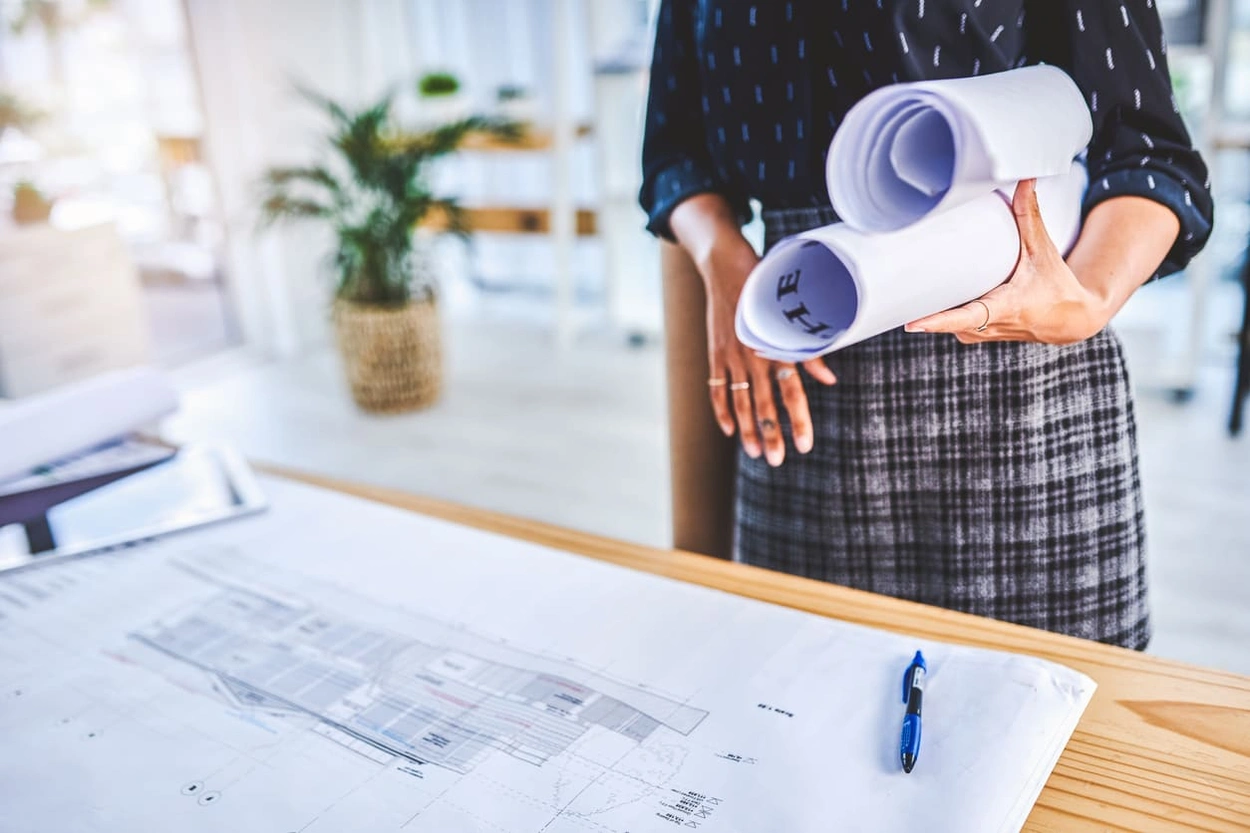
Let's drill down deeper into how large format printing for infrastructure is used in city planning. In this section, we'll explore some key applications of the technology and examine how it helps bring digital concepts to life.
Printing Urban Maps and Zoning Plans
City planning relies heavily on urban maps and zoning plans. These critical documents benefit from large format printers through the accurate and detailed plans they enable. This detail makes it possible to examine and analyse land use patterns, transportation networks, and public spaces with greater attention to detail. Through this analysis, city officials can make more informed decisions regarding land development and urban expansion.
Creating Architectural Blueprints and 3D Renderings
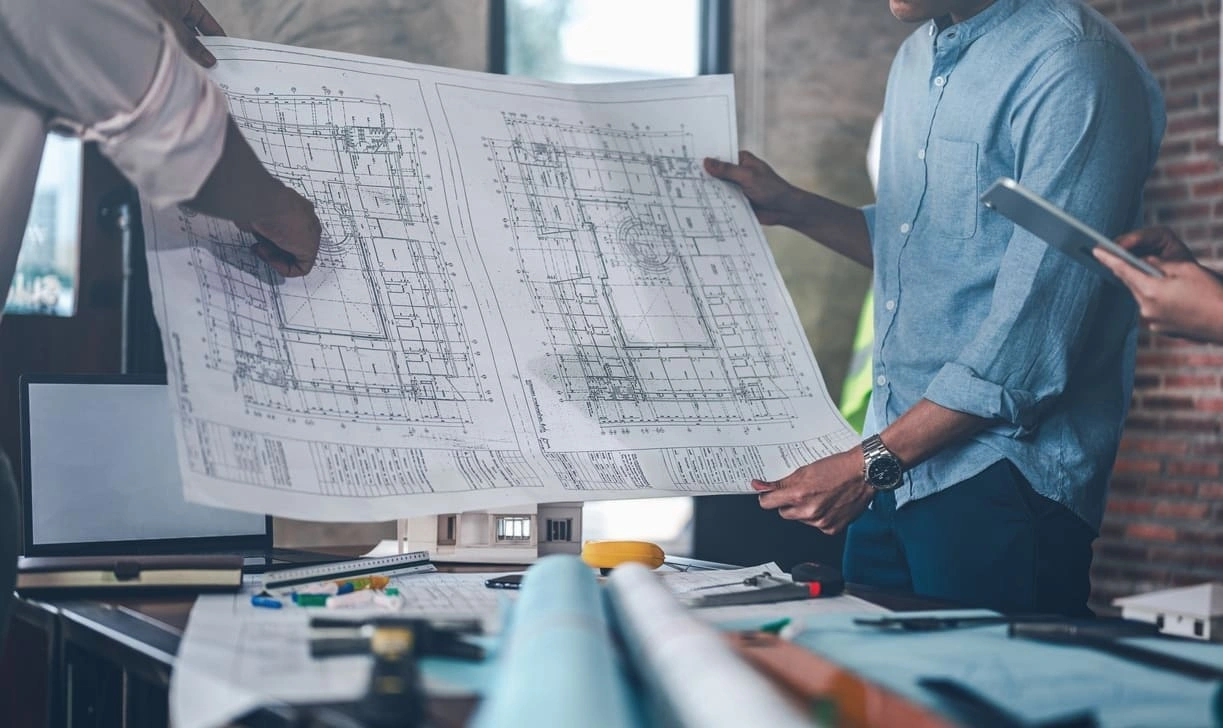
Architectural blueprints are the link between the design and construction phases. The complex designs in use by smart cities require detailed blueprints for quality construction. For some projects, these designs can be printed at full scale, further improving the accuracy of the final product.
3D renderings are valuable tools for visualising final structures. They allow for greater refinement of the final design and improve decision-making. When large screens aren't available or practical, large format prints of these renderings become an invaluable communication tool.
Supporting Public Engagement Through Visual Aids
Urban planning exists to serve the public. This means that public participation is a vital part of the process. Large format printing for infrastructure provides a number of ways to streamline this process. Posters, maps, and renderings all help engage citizens with clear and accessible information about proposed developments. They give the public the information needed to ask important questions and provide meaningful feedback. By enabling more productive feedback, they better align the final results with the needs of the community.
Choosing the Right Large Format Printer for City Planning
Getting the best quality means selecting the right large format printer. There are several factors to consider when choosing a large format printer.
Features to Look for in a Large Format Printer
- Resolution and Print Quality: High-resolution prints ensure that every detail is clear.
- Printing Speed: Fast printing capabilities reduce turnaround time.
- Media Compatibility: The ability to print on various materials increases flexibility.
- Durability and Longevity: Higher-quality printers cost less to maintain.
- Sustainability: The ability to print with minimal environmental impact improves sustainability.
How HP Large Format Printers Improve Efficiency and Accuracy
HP has long been a leader in the printer manufacturing industry. That leadership extends to HP large format printers, which are widely recognised for superior performance. Plotters like the HP DesignJet offer high-resolution output, fast printing speeds, and advanced ink technology for durable and precise prints.
HP plotters also benefit from innovative software integration that allows them to seamlessly print from the most popular and useful digital planning tools. These integrations streamline workflows and improve collaboration among urban planners and the stakeholders they work with.
Power Your City Planning Efforts With HP
As technology improves, urban planners can similarly improve citizens' lives with better city planning printing resources. The ability to print on large media makes modern plotters an important part of that equation. With our HP DesignJet Promo, you can put the power of these high-tech devices to work in your urban planning environment.
You Might Also Like

Top 5 Printers for Artists: High-Quality Prints for Fine Art
What Is a Wide Format Printer?: A Beginner’s Guide to Large-Scale Printing

Preparing Files for Large Format Printing: A Step-by-Step Guide
How to Use Large Format Plotters for Facility Management Floorplans
Common Mistakes & Fixes for Poor-Quality Blueprints

Common Print File Types for Blueprints Explained

Common Printing Mistakes: How to Avoid Costly Errors in Large Format Jobs
Best Printers for Illustration Prints: Top Picks for Artists and Designers

Digital vs. Paper: When to Print Architectural Drawings and When to Share Digitally
Best Practices for Marking Up and Revising Printed Architectural Plans
3 Keys to Print Emergency Maps That Enhance Disaster Response
5 Pro Tips for Mastering Wide Format Printing for AECs

Top 5 Large Photo Printers for Professional Artists and Photographers
The Complete Guide to Large Format Printing for AEC Professionals

Options for Upgrading Your Plotter

3 Best Practices for Large Document Conversion for Print

Understanding As-Built Drawings and Why They Matter

3 Ways Large Format Plotters Streamline Construction Submittals

How AI Enhances Large Format Printing for AEC
How to Optimise Hybrid AEC Printing Workflows With Large Format Printers