Blog
Accelerate the production and installation of vehicle graphics with cutting edge printing solutions

Graphic Arts
|25 nov 2020
The market for car vinyl printing and vehicle wrap printing services is buoyant; the growth in e-commerce and home delivery has driven demand for branded vehicles on the road.<sup>1</sup>
While this presents a big opportunity, today’s customers want personalization, flexibility, sustainable options, and fast turnaround times. For vehicle graphics specialists to take advantage, they need to invest in new technology to speed up delivery, differentiate themselves through outstanding design, and reduce their environmental impact—as well as finding more skilled installers to take on the extra work.
The good news is that car wrap printer and ink technologies are evolving, enabling printers to overcome these challenges, transform into modern digital-first businesses, and build a solid base for future growth. HP Latex is one of these technologies, so what sets it apart from the rest?
HP’s creative approach to printer technology innovation is creating a fast, bright and efficient future in vehicle graphics
For vehicle graphics specialists, time is money. If they can deliver high-quality graphics to clients faster, they can say yes to more jobs. To help save time, prints come out of HP Latex Printers, completely dry, and ready to be laminated and installed immediately, saving the time required to degas prints. HP Latex enables you to confidently take on same-day and quick turnaround jobs with excellent results.
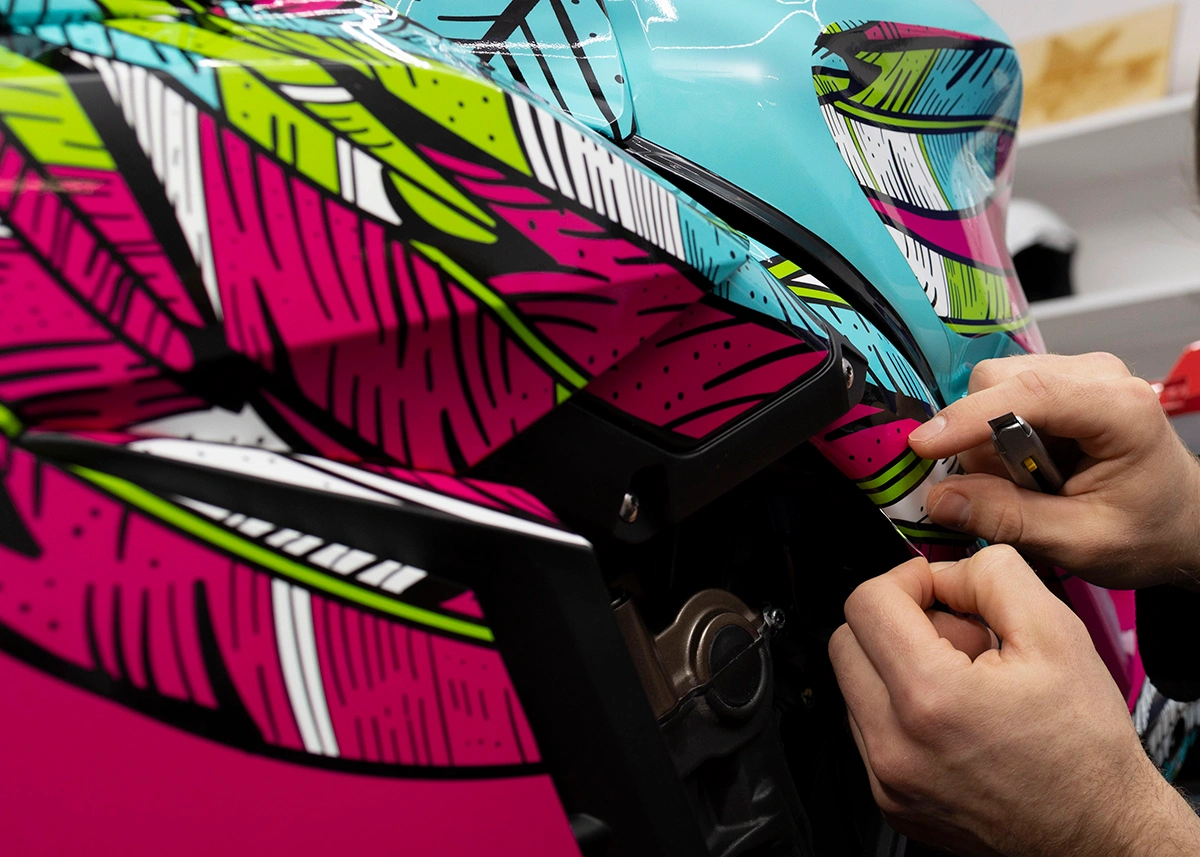
Media waste is another big cost-base for graphics printers; inks cracking during installation is a common problem. HP Latex Inks are highly flexible and easy to work with, allowing you to work with the most difficult surfaces and shapes. And, because they are fully compatible with all major vinyl brands from monomeric, polymeric, and cast, you can guarantee highquality printed vinyl wrap sheets with most materials. When applying a printed vinyl onto a complex shape, like a wing mirror or spoiler, the inks will stretch without cracking or losing saturation–even when printed with white inks. This shows how using a Latex Printer for vehicle wraps can save time and money spent on re-prints.
It’s time to unleash your creative instinct with the whitest white ink<sup>2</sup>
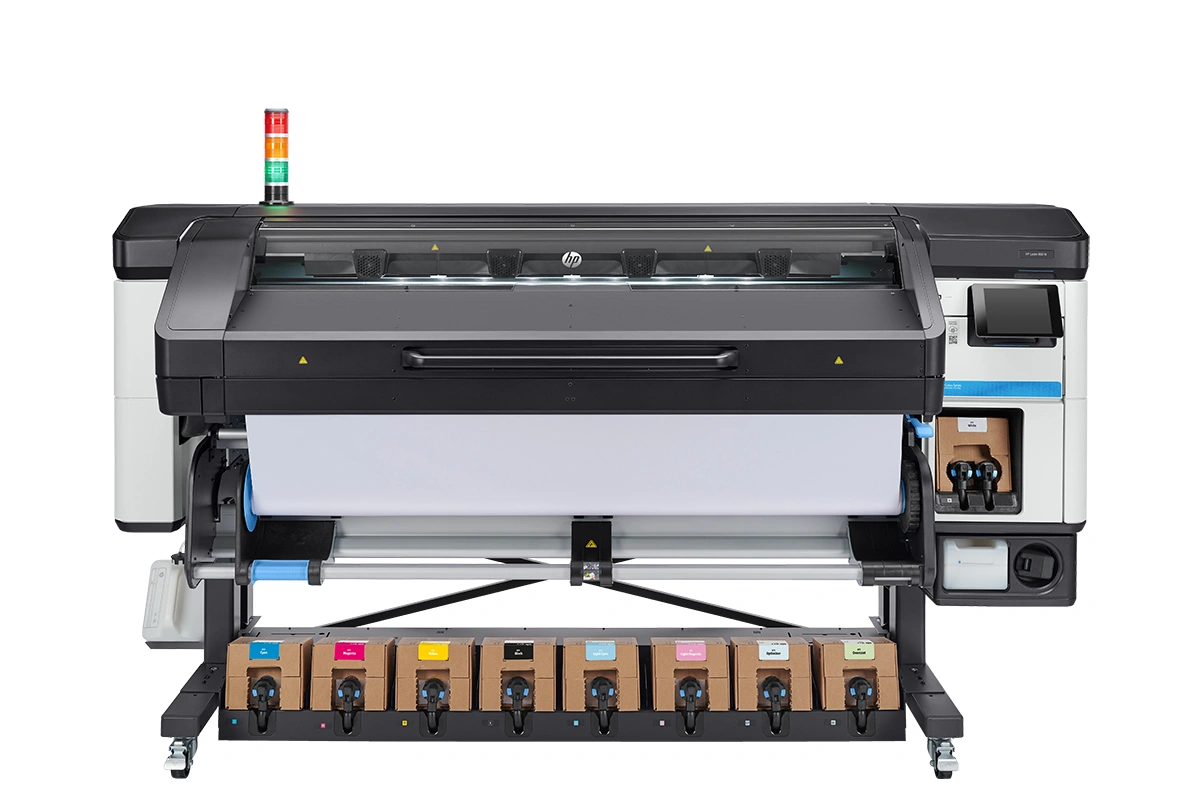
Traditionally, white ink has been difficult to work with, and so it’s largely been avoided in custom car wrap printing. But inks have moved on: HP Latex White Ink is the whitest white<sup>3</sup> ink on the market. It adds the possibility to print vibrant white on colored, metallic, and transparent media, adding incredible effects, with all the flexibility of our other inks— without fading or turning yellow.
HP Latex inks are water-based and designed to avoid the hazards associated with ecosolvent, UV and UV-gel inks.
Working with advanced printing and ink technology—such as HP Latex series—can help you say yes to more (and more challenging) jobs.
Are you ready to step into the future of vehicle graphics? Explore more here!
Footnotes
You Might Also Like

How to Gain Green Certification With Large Format Printing

Why Sustainable Printing Is Key to Malaysia's Environmental Goals

Adapting to Green Building Standards in AEC

Architecture Landscape Plan Guide: Understanding Site Planning, Landscape Architecture, and Urban Planning

Sustainable Printing Methods: 7 Tips for Eco-Friendly Blueprint Printing
Say yes to big opportunities and bigger margins
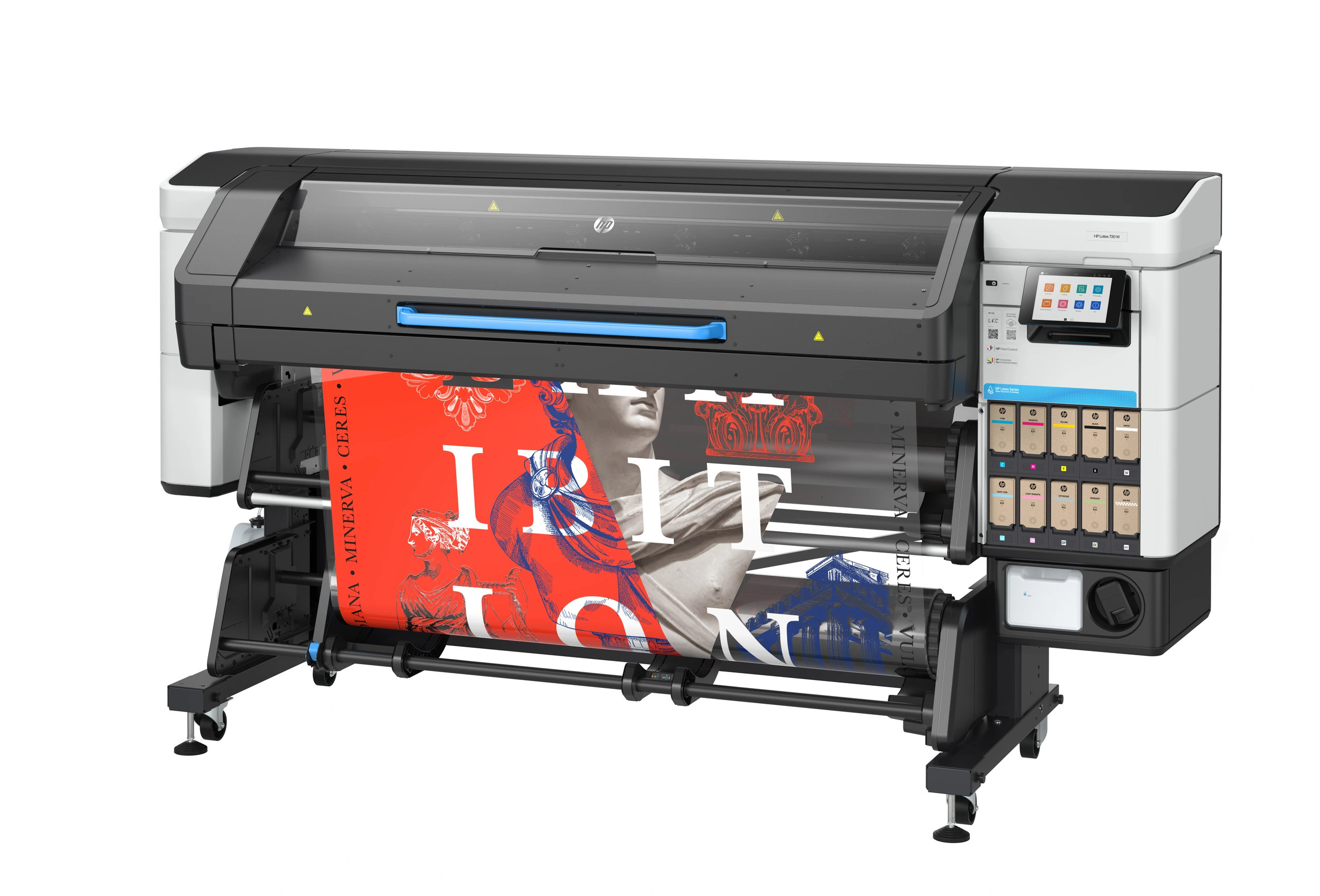
Werbe X Press GmbH & Co. KG relies on the new HP Latex 730W to complete jobs quickly and with high quality

The Key Elements of a Sustainable House Design

Smart Building Automation Systems & How They Reduce Costs

Understanding Cost of Sustainable Construction: Is It Cheaper?

Building Automation Trends: Why Automation Is Crucial for AECs

How to support employee wellbeing in the print industry
What to consider to print sustainably

Green Building Benefits: Importance of Eco-Friendly Construction

How HP PrintOS helped Benson stay agile

HP Latex 800 printers drive diversification at Bordbusters in the Netherlands
Top 5 Ways In Which AECs Are Using Green Building Materials in 2024

HP Latex Print and Cut Plus Solutions spotlight: Level-up your print operations

Sustainability in Architecture: Designing for the Future

Driving a Zero-Carbon Future with Sustainable Construction Materials
Select Your Country/Region and Language
Close Country/Region Selector Dialog
Europe, Middle East and Africa
- Africa
- Afrique
- België
- Belgique
- Česká republika
- Danmark
- Deutschland
- Eesti
- España
- France
- Hrvatska
- Ireland
- Italia
- Latvija
- Lietuva
- Magyarország
- Middle East
- Nederland
- Nigeria
- Norge
- Österreich
- Polska
- Portugal
- România
- Saudi Arabia
- Slovenija
- Slovensko
- South Africa
- Suisse
- Suomi
- Sverige
- Switzerland
- Türkiye
- United Kingdom
- Ελλάδα
- България
- Казахстан
- Србија
- Україна
- ישראל
- الشرق الأوسط
- المملكة العربية السعودية
Country/Region :
Close Country/Region Selector
SelectedUnited Kingdom
popUpSRBeginingLabelString
HP Worldwide
Select Your Country/Region and Language
Click or use the tab key to select your country
Close Country/Region Selector Dialog
- Africa
- Afrique
- América Central
- Argentina
- Asia Pacific
- Australia
- Bangladesh
- België
- Belgique
- Bolivia
- Brasil
- Canada
- Canada - Français
- Caribbean
- Česká republika
- Chile
- Colombia
- Danmark
- Deutschland
- Ecuador
- Eesti
- España
- France
- Hong Kong SAR
- Hrvatska
- India
- Indonesia
- Ireland
- Italia
- Latvija
- Lietuva
- Magyarország
- Malaysia
- México
- Middle East
- Nederland
- New Zealand
- Nigeria
- Norge
- Österreich
- Pakistan
- Paraguay
- Perú
- Philippines
- Polska
- Portugal
- Puerto Rico
- România
- Saudi Arabia
- Singapore
- Slovenija
- Slovensko
- South Africa
- Sri Lanka
- Suisse
- Suomi
- Sverige
- Switzerland
- Türkiye
- United Kingdom
- United States
- Uruguay
- Venezuela
- Việt Nam
- Ελλάδα
- България
- Казахстан
- Србија
- Україна
- ישראל
- الشرق الأوسط
- المملكة العربية السعودية
- ไทย
- 中华人民共和国
- 臺灣 地區
- 日本
- 香港特別行政區
- 한국
- Recalls |
- Product recycling |
- Accessibility |
- Modern Slavery Act Statement |
- HP UK Gender Pay Gap Report |
- Privacy |
- Use of cookies |
- Personal data rights |
- Terms of use |
- Consumer legal guarantee |
- Company details |
- Limited warranty statement |
©2025 HP Development Company, L.P. The information contained herein is subject to change without notice.