Blog
Top 5 Ways In Which AECs Are Using Green Building Materials in 2024
Graphic Arts
|27 jul 2022
The building and construction sector will be an essential part of helping Australia work toward a net-zero emissions economy by 2050. Together, building and construction are responsible for 39% of all carbon emissions in the world. Operations emissions account for 28%.
Furthermore, experts expect new construction to double the world's building stock by 2060. By using green building materials to change the way buildings are designed, built, and used, the transition towards net-zero carbon becomes more achievable.
Among other sustainable architecture strategies, architectural engineering and construction (AEC) professionals will address the goals of designing zero-emissions buildings with green building materials. Homes and other buildings built with green architecture building materials focus on reducing their environmental impact by utilising both efficient and renewable energy and sustainable materials.
Green building trends in 2024 include features that conserve water and improve heating and cooling efficiency.
What Are Materials Used In Green Buildings?
Green building materials are building construction materials that have a low impact on the environment. Using renewable resources or green architecture building materials that improve the efficiency of how a building uses energy or other resources further reduces that impact.
Materials used in green buildings are environmentally responsible because architects and engineers consider the energy impact of the product's entire lifespan. Besides contributing to net-zero carbon building goals, green building materials help building owners save money and conserve natural resources.
Examples of Green Building Systems
Eco-friendly materials used in green buildings aren't restricted to any specific part of a building. There are several different ways to make a building more sustainable. In Australia and New Zealand, 66% of AEC companies surveyed said that sustainability is an integral part of their business strategy. These examples of green building systems, that use green architecture building materials, highlight the trends architects and engineers are using to meet low emissions goals in 2024.
1. Green Building: Radiant Floors
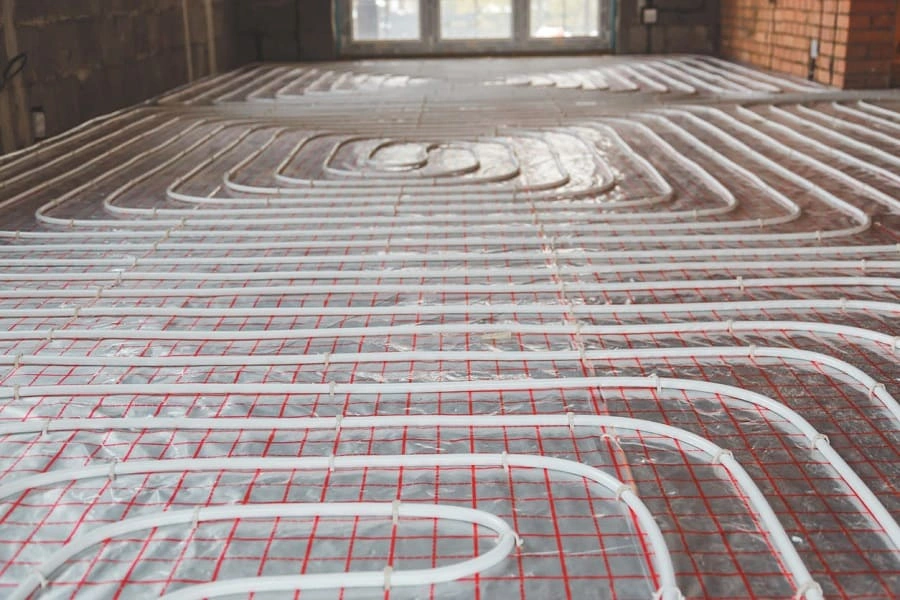
Radiant systems heat the floor and allow the heat from the floor to rise and warm the air. The most common types of radiant floor systems are electric systems and hydronic systems.
-** Electric Radiant Floors: **These systems depend on electric wires under the floors. They are easier and cheaper to install than hydronic systems. But the long-term cost of running the system is more expensive. Electric radiant floors are less expensive to install and run than other heating systems.
- **Hydronic Radiant Floors: **These systems use heating pipes under the floor. A boiler system heats the water, and that heat then disperses through the building. The long-term cost of running a hydronic system is cheaper than an electric system, but the installation is more costly. For this reason, hydronic systems work best with new builds.
These systems require less energy to run than traditional heating sources. Other benefits for building owners include:
- Reduced energy bills
- Improved air quality
- Fewer limits on interior design
2. Green Building: Grey Water Recycling
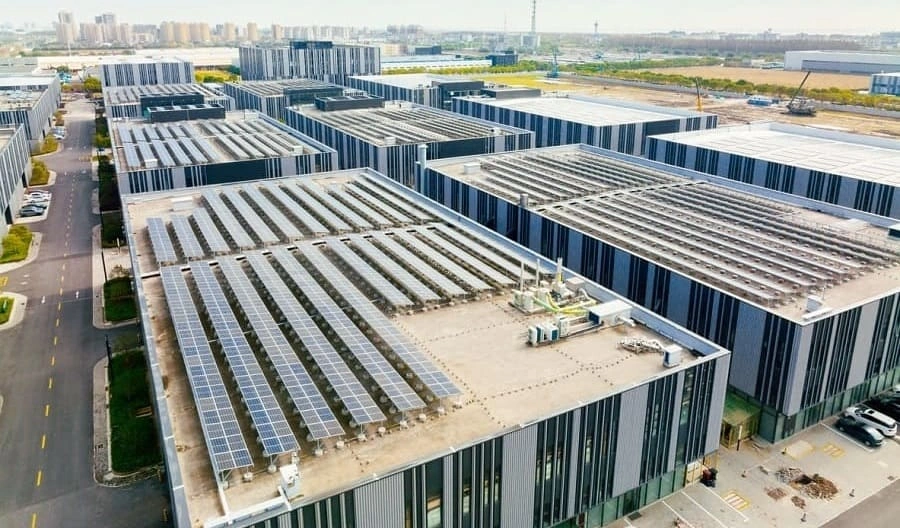
3. Solar Power
4. Geothermal Systems
5. Energy-Efficient Window Systems
Sustainability Begins With Design
With the use of materials used in green buildings along with renewable construction strategies like building information modelling (BIM), buildings will use less energy throughout their lifespan and limit the amount of waste sent to landfills. Sustainable buildings begin with a design that revolves around green building materials and methods.
Drawings and blueprints are an essential part of the design and building process for any type of building. To work toward net-zero goals, AEC firms need highly accurate large format printers with a sustainable design. HP is dedicated to helping AEC professionals do their part to achieve a zero-carbon future by using recycled green architecture building materials in printers and accessories. If you're an AEC professional looking for a large format printer, then contact us today to discuss your printing needs.
Speak to an HP representative
<iframe src="undefined"></iframe>You Might Also Like
How to Gain Green Certification With Large Format Printing
Why Sustainable Printing Is Key to Malaysia's Environmental Goals
Adapting to Green Building Standards in AEC
Architecture Landscape Plan Guide: Understanding Site Planning, Landscape Architecture, and Urban Planning
Sustainable Printing Methods: 7 Tips for Eco-Friendly Blueprint Printing
Say yes to big opportunities and bigger margins
Werbe X Press GmbH & Co. KG relies on the new HP Latex 730W to complete jobs quickly and with high quality
The Key Elements of a Sustainable House Design

Smart Building Automation Systems & How They Reduce Costs
Understanding Cost of Sustainable Construction: Is It Cheaper?

Building Automation Trends: Why Automation Is Crucial for AECs

How to support employee wellbeing in the print industry
What to consider to print sustainably
Green Building Benefits: Importance of Eco-Friendly Construction

How HP PrintOS helped Benson stay agile
HP Latex 800 printers drive diversification at Bordbusters in the Netherlands
HP Latex Print and Cut Plus Solutions spotlight: Level-up your print operations

Sustainability in Architecture: Designing for the Future
Driving a Zero-Carbon Future with Sustainable Construction Materials
From Green Building Construction to Digital Offices: 4 Predictions for Post-Covid Architecture
Select Your Country/Region and Language
Close Country/Region Selector Dialog
Europe, Middle East and Africa
- Africa
- Afrique
- België
- Belgique
- Česká republika
- Danmark
- Deutschland
- Eesti
- España
- France
- Hrvatska
- Ireland
- Italia
- Latvija
- Lietuva
- Magyarország
- Middle East
- Nederland
- Nigeria
- Norge
- Österreich
- Polska
- Portugal
- România
- Saudi Arabia
- Slovenija
- Slovensko
- South Africa
- Suisse
- Suomi
- Sverige
- Switzerland
- Türkiye
- United Kingdom
- Ελλάδα
- България
- Казахстан
- Србија
- Україна
- ישראל
- الشرق الأوسط
- المملكة العربية السعودية
Country/Region :
Close Country/Region Selector
SelectedUnited Kingdom
popUpSRBeginingLabelString
HP Worldwide
Select Your Country/Region and Language
Click or use the tab key to select your country
Close Country/Region Selector Dialog
- Africa
- Afrique
- América Central
- Argentina
- Asia Pacific
- Australia
- Bangladesh
- België
- Belgique
- Bolivia
- Brasil
- Canada
- Canada - Français
- Caribbean
- Česká republika
- Chile
- Colombia
- Danmark
- Deutschland
- Ecuador
- Eesti
- España
- France
- Hong Kong SAR
- Hrvatska
- India
- Indonesia
- Ireland
- Italia
- Latvija
- Lietuva
- Magyarország
- Malaysia
- México
- Middle East
- Nederland
- New Zealand
- Nigeria
- Norge
- Österreich
- Pakistan
- Paraguay
- Perú
- Philippines
- Polska
- Portugal
- Puerto Rico
- România
- Saudi Arabia
- Singapore
- Slovenija
- Slovensko
- South Africa
- Sri Lanka
- Suisse
- Suomi
- Sverige
- Switzerland
- Türkiye
- United Kingdom
- United States
- Uruguay
- Venezuela
- Việt Nam
- Ελλάδα
- България
- Казахстан
- Србија
- Україна
- ישראל
- الشرق الأوسط
- المملكة العربية السعودية
- ไทย
- 中华人民共和国
- 臺灣 地區
- 日本
- 香港特別行政區
- 한국
- Recalls |
- Product recycling |
- Accessibility |
- Modern Slavery Act Statement |
- HP UK Gender Pay Gap Report |
- Privacy |
- Use of cookies |
- Personal data rights |
- Terms of use |
- Consumer legal guarantee |
- Company details |
- Limited warranty statement |
©2025 HP Development Company, L.P. The information contained herein is subject to change without notice.