Blog
Why Sustainable Printing Is Key to Malaysia's Environmental Goals

Graphic Arts
|9 Jan 2025
Continued growth of Malaysia's printing industry demands that printing professionals seek ways to meet consumer demand while aligning with the country's environmental goals. Reducing the ecological impact of industrial practices in the printing industry will require companies to adopt eco-friendly solutions that minimise waste, conserve energy, and reduce their carbon footprints. Businesses that embrace these sustainable printing practices can contribute to a greener future and maintain compliance with Malaysia's vision for a more sustainable economy. Here, we'll explain the importance of sustainable printing, its benefits to companies and the environment, and how HP's innovative solutions can support these efforts.
The Importance of Sustainability in the Printing Industry
Even as digitisation reduces paper usage, printing remains a vital part of business in many industries. However, this demand mustn't come at the cost of the environment. Modern printing systems must be refined to maximise quality and efficiency while minimising waste and reducing carbon emissions.
How the Printing Industry Impacts the Environment
The printing industry impacts the environment through waste production, carbon emissions, and chemicals in some printer inks. Traditional large format printers consume substantial amounts of energy. Disposable ink cartridges and printing errors lead to unnecessary waste. Many inks contain chemicals to produce brighter colours and prolong the life of prints. The chemicals are then introduced to the environment upon disposal.
The Growing Demand for Sustainable Printing Practices
The print industry has long been associated with energy consumption and material waste. While the industry isn't a major contributor to greenhouse gas emissions, the growth of commercial printing and customised packaging leads to increased energy use and more landfill waste. In Malaysia, over 57,000 tons of paper go into landfills, taking up 456,000 meters of landfill space.
As concerns about climate change grow, Malaysian consumers increasingly prefer to interact with eco-friendly businesses, with 60% stating they're willing to pay more for sustainable products. Print businesses also must abide by changing government regulations. Although Malaysia contributes to only 0.8% of global greenhouse gas emissions, the country has set a goal to reach 31% renewable energy capacity by 2025 and 40% by 2035.
How Sustainable Printing Supports Malaysia's Environmental Goals
Malaysia's admirable dedication to sustainability is reflected in its goals to reduce economy-wide carbon intensity by 45% by 2030. Malaysia is also actively supporting the establishment of an interconnected ASEAN energy grid, which will facilitate a sustainable energy network across Southeast Asia. Reducing carbon emissions and developing a sustainable environment requires a commitment from businesses (including print professionals) to adopt sustainable processes.
Sustainable printing minimises chemicals and waste and helps businesses reduce energy consumption.
Reducing Carbon Footprints Through Eco-Friendly Solutions
Businesses can reduce their carbon footprint by using modern printers with energy-saving features. Printers built with recycled materials and those that reduce energy consumption can help companies to reduce their carbon footprint.
Minimising Waste With Recyclable and Reusable Materials
The print industry produces paper, plastic, and hazardous waste. Eco-friendly printing includes the use of recyclable and reusable materials, such as recycled or sustainably sourced paper and recyclable toner and ink cartridges. Implementing sustainable practices to reduce errors can also help printers limit waste.
Contributing to the Malaysian Government's Green Agenda
Malaysia's ambitious sustainability goals include achieving carbon neutrality by 2050. Achieving this goal requires businesses across all industries to adopt eco-friendly practices that will support these goals.
Sustainable Printing Solutions From HP

HP has long been a leader in creating printers that support consumers' and businesses' ecological goals. As technology evolves, HP develops printers with a suite of features that enable printing professionals to efficiently produce high-value products while supporting eco-friendly initiatives.
Energy-Efficient Large Format Printers
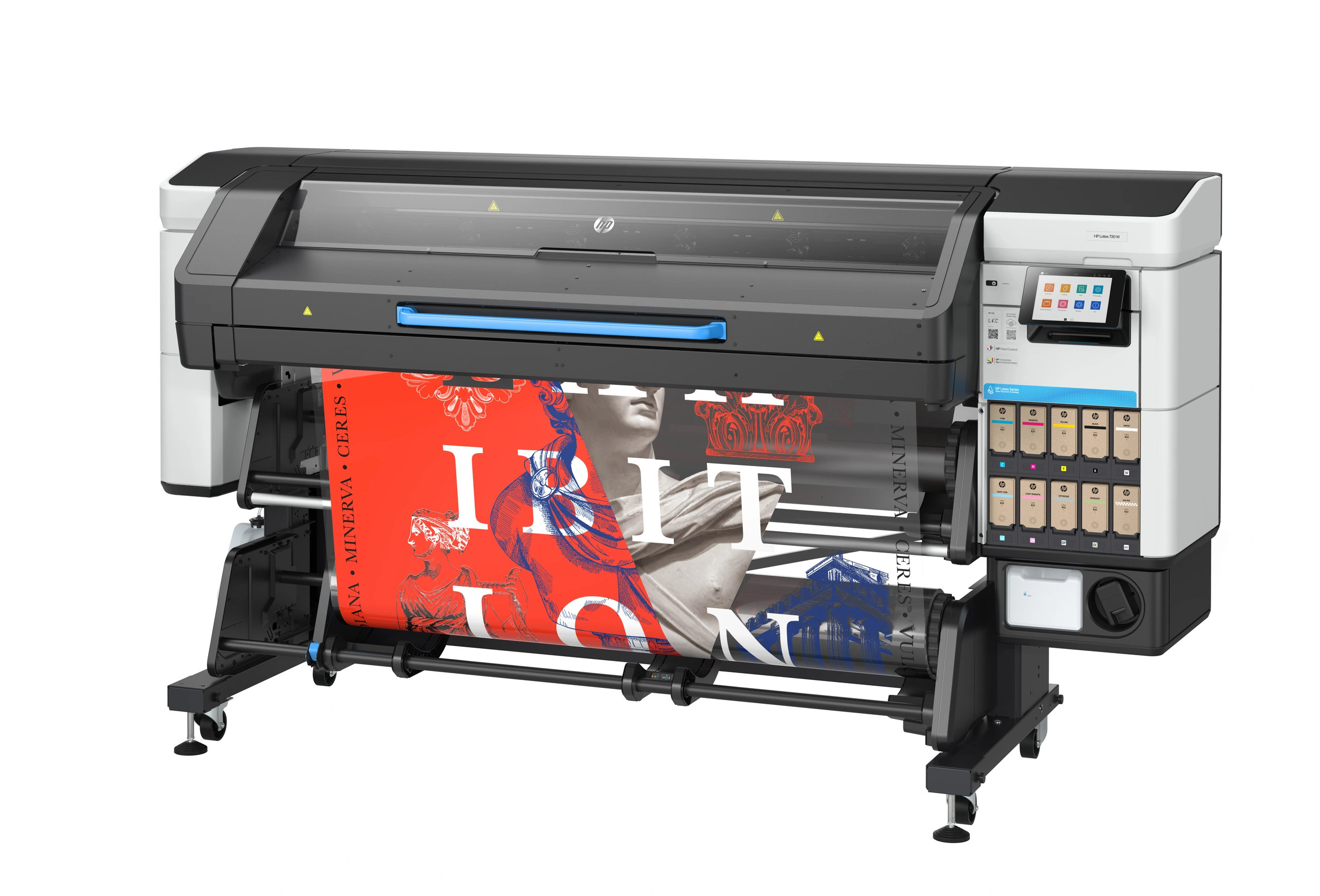
In response to the rising demand for more sustainable large format printing systems, HP developed the HP Latex 700 and HP Latex 800 Printer series. The new printers are ENERGY STAR rated. They also use HP Eco-Carton Ink Cartridges instead of plastic cartridges and produce fully recyclable prints. These changes deliver an 80% reduction in plastic consumption across the device's lifetime and achieve 66% CO2e reduction.
Environmentally Friendly Inks and Materials
HP Latex Inks are designed to avoid hazards associated with other inks without sacrificing performance. The formula is 65% water and does not release Hazardous Air Pollutants (HAPs). As a result, operators can enjoy a safer working environment, and the prints can be used in any environment and disposed of safely.
HP's Recycling Programmes and Circular Economy Initiatives
HP Latex prints are recyclable, non-hazardous, and safe for disposal. Label-less carton-based HP ink cartridges reduce plastic by 80%. HP Planet Partners is a consumer repurposing and recycling program for HP equipment and printing supplies. It enables commercial customers to responsibly dispose of and repurpose end-of-use hardware or extend the life of their existing devices through secure services and solutions offered within Renew Solutions.
Benefits of Adopting Sustainable Printing Practices
Sustainable business practices aren't only good for the environment. They're also good for business. Eco-friendly practices support reusable materials, reduced energy consumption, and more efficient printers. These changes add value because they are cost-effective and have the potential to improve customer satisfaction.
Cost Savings Through Efficient Resource Management
Eco-friendly print processes are designed to reduce energy consumption and waste. As a result, businesses can cut energy costs, reduce spending on materials, and increase profits with energy-efficient processes.
Enhancing Brand Reputation With Eco-Conscious Practices
Modern eco-conscious consumers have more ways than ever before to research the companies they do business with, and they show their support for responsible processes with their wallets. The majority of PSP consumers (85%) demand sustainable products and practices. By aligning your practices with consumer preferences, you can enhance your brand reputation and build a broader customer base.
Driving Sustainability Through Responsible Printing
Modern consumers are increasingly aware of the impact of business practices on the planet. They expect businesses to lead by example with sustainable practices that reduce energy consumption and minimise waste. Meeting consumer expectations and government regulations for sustainable business practices enhances brand image and attracts more customers. Eco-friendly printing practices also help businesses save money by cutting energy costs, reducing material expenses, and improving efficiency.
HP's long-lasting commitment to sustainable printing makes us a leader in producing large format printers with a range of features that help printing professionals meet their environmental goals. Contact us today to discuss your printing needs.
You Might Also Like

How to Gain Green Certification With Large Format Printing

Adapting to Green Building Standards in AEC

Architecture Landscape Plan Guide: Understanding Site Planning, Landscape Architecture, and Urban Planning

Sustainable Printing Methods: 7 Tips for Eco-Friendly Blueprint Printing
Say yes to big opportunities and bigger margins
Werbe X Press GmbH & Co. KG relies on the new HP Latex 730W to complete jobs quickly and with high quality

The Key Elements of a Sustainable House Design

Smart Building Automation Systems & How They Reduce Costs

Understanding Cost of Sustainable Construction: Is It Cheaper?

Building Automation Trends: Why Automation Is Crucial for AECs
What to consider to print sustainably

How to support employee wellbeing in the print industry

Green Building Benefits: Importance of Eco-Friendly Construction

How HP PrintOS helped Benson stay agile

HP Latex 800 printers drive diversification at Bordbusters in the Netherlands
Top 5 Ways In Which AECs Are Using Green Building Materials in 2024

HP Latex Print and Cut Plus Solutions spotlight: Level-up your print operations

Sustainability in Architecture: Designing for the Future

Driving a Zero-Carbon Future with Sustainable Construction Materials

From Green Building Construction to Digital Offices: 4 Predictions for Post-Covid Architecture