Blog
Smart Building Automation Systems & How They Reduce Costs

Graphic Arts
|17 Nov 2022
Smart building automation gives people the ability to control nearly every aspect of a building, including the temperature, HVAC, water pressure, and lighting. In addition to the convenience of using the Internet of Things (IoT) to control smart building automation systems, you can save money by installing and using them. You're likely to see a reduction in overall cost with smart building technology.
A properly functioning smart building with automation enables the entire building to run more efficiently, whether it's a home or a warehouse. Over time, utility costs will decrease; systems will learn precisely when to change temperature settings, dim lights, run sprinklers, and switch on machinery. The right system ultimately functions as a well-oiled machine.
Here we'll explore smart building automation in greater depth. We'll also detail how you can save money with the right building automation system.
What Is Smart Building Automation?
A smart building automation system uses smart technology to automatically control, monitor, and optimise the equipment within a building. In the process, this intelligent building system consolidates a variety of systems, including HVAC and lighting, into a single solution that self-regulates and adjusts according to changing needs.
A complete smart building control system includes various controls that help manage the entire building. A combination of inputs and outputs, along with controllers and other layers, makes it possible to optimise operations throughout the building. It's also possible to integrate third-party applications with these systems for additional functionality.
Today, there are many smart buildings out there that allow for different levels of control. For example, Oakland City Center, located in Oakland, California, uses an advanced Siemens variable air volume (VAV) system. This system gathers data about temperature and humidity. Then it figures out how the system adjusts based on temperature and humidity demands. Artificial intelligence (AI) then analyses the data and continually optimises the building's temperature control settings to maximise comfort while reducing energy costs.
Another example of innovation in smart building automation is the Vodafone Group Global Headquarters in London. Vodafone collaborated with GE to design and integrate a network of multiple sensors that collect data on energy usage, air quality, the usage of space, and noise levels. Employees in the building can then use this data to find the right office space to meet their needs, whether they need a quiet space to work alone or a collaborative environment to work with others. The building is also considerably more efficient because of this centralised look into performance.
Many other buildings, like Oakland City Center and Vodafone's headquarters, use similar systems to regulate temperature, lighting, and much more. They can also create a smart home for homeowners.
What Is the Benefit of a Building Automation System?

Many systems in the building automation system market offer numerous benefits. With the right automation system in place, you'll see advantages such as:
Increased Control
Reduced Costs
In-Depth Insights
Why Do Smart Buildings Use IoT?
The Internet of Things, or IoT, gives smart building technology the ability to help reduce energy use, increase sustainability, and cut down on costs for building owners. Using IoT technology, you can connect building systems to a range of smart IoT devices and sensors using three main layers.
Specifically, the layers in an IoT solution for residential and commercial buildings consist of the following:
- A sensor or hardware layer
- A software control layer
- An application layer
IoT solutions also consist of different components across these layers, including remote monitoring and control, location-based controls, cloud-based data storage systems, applications, and AI and analytics capabilities. Together, IoT enables smart building solutions the ability to function optimally. These systems are consistently secure; they give building owners the level of control they need to get the most from their automation systems.
Some of the areas where IoT has helped the most include sustainability, comfort, safety, security, and facility management and operations. Commercial buildings and smart homes alike will benefit from a complete automation system that uses IoT to:
- Optimise operations
- Provide occupants with a comfortable and healthy environment
- Reduce energy consumption and cost
The advantages of using IoT and smart building automation systems are making these solutions increasingly popular today. In the near future, we will likely see many more buildings all over the world adopt similar solutions.
Reach Out to HP for the Ideal Printing Solution
Smart building automation is critical in helping businesses and homes become more energy efficient, operationally efficient, and sustainable. As a result, more innovations in this technology are undergoing development as industry experts seek to continually improve these systems.
At HP, we specialise in smart printing technology that can complement building automation systems. If you would like to find the perfect printing solution and integrate smart technology from HP, contact us today to discuss your printing needs.
Download our eBook now and discover how innovation is streamlining workflows, producing prints of unmatched quality and increasing IT efficiency like never before.
<iframe src="undefined"></iframe>You Might Also Like

How to Gain Green Certification With Large Format Printing

Why Sustainable Printing Is Key to Malaysia's Environmental Goals

Adapting to Green Building Standards in AEC

Architecture Landscape Plan Guide: Understanding Site Planning, Landscape Architecture, and Urban Planning

Sustainable Printing Methods: 7 Tips for Eco-Friendly Blueprint Printing

Say yes to big opportunities and bigger margins
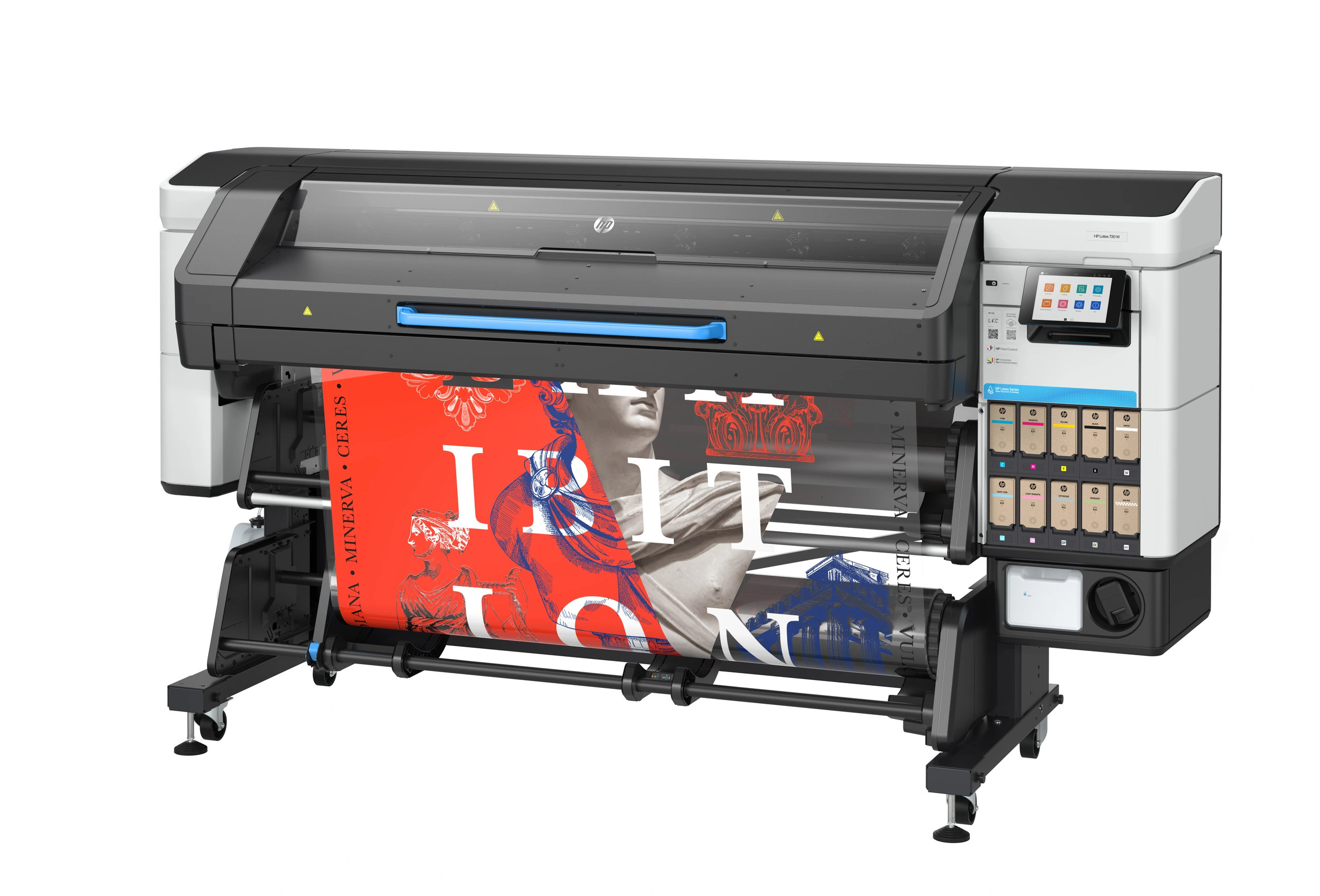
Werbe X Press GmbH & Co. KG relies on the new HP Latex 730W to complete jobs quickly and with high quality

The Key Elements of a Sustainable House Design

Understanding Cost of Sustainable Construction: Is It Cheaper?

Building Automation Trends: Why Automation Is Crucial for AECs

What to consider to print sustainably

How to support employee wellbeing in the print industry

Green Building Benefits: Importance of Eco-Friendly Construction

How HP PrintOS helped Benson stay agile

HP Latex 800 printers drive diversification at Bordbusters in the Netherlands
Top 5 Ways In Which AECs Are Using Green Building Materials in 2024

HP Latex Print and Cut Plus Solutions spotlight: Level-up your print operations

Sustainability in Architecture: Designing for the Future

Driving a Zero-Carbon Future with Sustainable Construction Materials

From Green Building Construction to Digital Offices: 4 Predictions for Post-Covid Architecture
Select Your Country/Region and Language
Close Country/Region Selector Dialog
Europe, Middle East and Africa
- Africa
- Afrique
- België
- Belgique
- Česká republika
- Danmark
- Deutschland
- Eesti
- España
- France
- Hrvatska
- Ireland
- Italia
- Latvija
- Lietuva
- Magyarország
- Middle East
- Nederland
- Nigeria
- Norge
- Österreich
- Polska
- Portugal
- România
- Saudi Arabia
- Slovenija
- Slovensko
- South Africa
- Suisse
- Suomi
- Sverige
- Switzerland
- Türkiye
- United Kingdom
- Ελλάδα
- България
- Казахстан
- Србија
- Україна
- ישראל
- الشرق الأوسط
- المملكة العربية السعودية
Country/Region :
Close Country/Region Selector
SelectedUnited Kingdom
popUpSRBeginingLabelString
HP Worldwide
Select Your Country/Region and Language
Click or use the tab key to select your country
Close Country/Region Selector Dialog
- Africa
- Afrique
- América Central
- Argentina
- Asia Pacific
- Australia
- Bangladesh
- België
- Belgique
- Bolivia
- Brasil
- Canada
- Canada - Français
- Caribbean
- Česká republika
- Chile
- Colombia
- Danmark
- Deutschland
- Ecuador
- Eesti
- España
- France
- Hong Kong SAR
- Hrvatska
- India
- Indonesia
- Ireland
- Italia
- Latvija
- Lietuva
- Magyarország
- Malaysia
- México
- Middle East
- Nederland
- New Zealand
- Nigeria
- Norge
- Österreich
- Pakistan
- Paraguay
- Perú
- Philippines
- Polska
- Portugal
- Puerto Rico
- România
- Saudi Arabia
- Singapore
- Slovenija
- Slovensko
- South Africa
- Sri Lanka
- Suisse
- Suomi
- Sverige
- Switzerland
- Türkiye
- United Kingdom
- United States
- Uruguay
- Venezuela
- Việt Nam
- Ελλάδα
- България
- Казахстан
- Србија
- Україна
- ישראל
- الشرق الأوسط
- المملكة العربية السعودية
- ไทย
- 中华人民共和国
- 臺灣 地區
- 日本
- 香港特別行政區
- 한국
- Recalls |
- Product recycling |
- Accessibility |
- Modern Slavery Act Statement |
- HP UK Gender Pay Gap Report |
- Privacy |
- Use of cookies |
- Personal data rights |
- Terms of use |
- Consumer legal guarantee |
- Company details |
- Limited warranty statement |
©2025 HP Development Company, L.P. The information contained herein is subject to change without notice.