Blog
Adapting to Green Building Standards in AEC

Graphic Arts
|30 Sep 2024
To help the AEC industry meet sustainability goals, several compliance standards and green building standards have been established. They provide a comprehensive framework for creating environmentally responsible and resource-efficient structures.
Key Green Building Compliance Standards
Let's start by taking a look at some of the most influential and widely recognised compliance standards. These provide an excellent starting point for any green building initiative.
LEED (Leadership in Energy and Environmental Design)
BREEAM (Building Research Establishment Environmental Assessment Method)
Green Globes
Living Building Challenge
WELL Building Standard
Essential Strategies for Meeting Green Building Standards
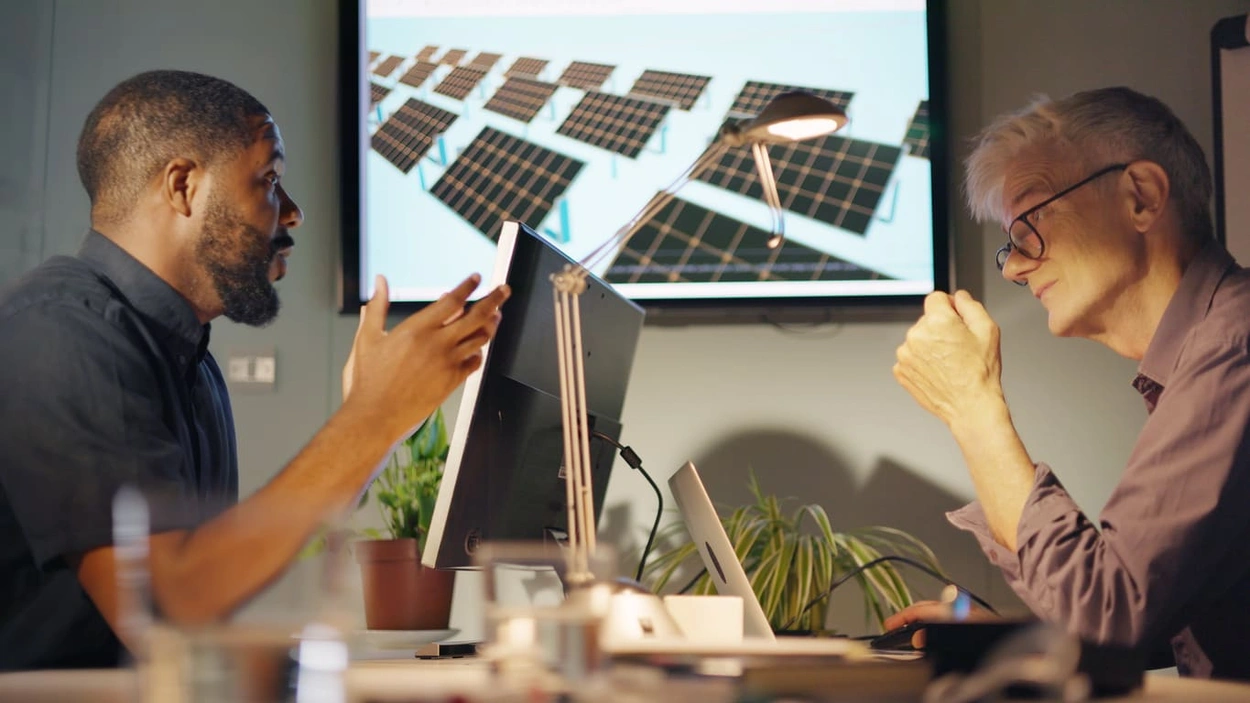
Although the standards differ in their requirements, the core of green building can be broken down into three categories: sustainable design, eco-friendly materials, and energy efficiency.
Integrating Sustainable Design Practices
Choosing Eco-Friendly Materials for Construction
Enhancing Energy Efficiency in Building Projects
The Benefits of Green Building Compliance in AEC
There are many reasons why an AEC professional would want to adhere to green building standards. Below are some of the most important benefits.
Regulatory Compliance and Market Advantages
Long-Term Cost Savings and Environmental Impact
Best Practices for Staying Updated on Green Building Standards
AEC professionals looking to build more environmentally friendly buildings need to keep up with their implementation of the standards and the evolution of the standards themselves.
Compliance
Continuous Education and Training in Sustainable Practices
The Future of Green Building in the AEC Industry
As new technologies become available, green building standards and practices will evolve to adopt them. Solar is making large inroads as a way for buildings to be net-zero or even net-positive. Other trends, such as incorporating natural elements for improved living conditions, are also becoming popular. Through the continuous education tips above, AEC professionals can keep up with these evolving trends.
To learn more about how HP DesignJet printers can support your green building projects with eco-friendly, high-precision printing solutions, contact an HP representative today.
You Might Also Like

How to Gain Green Certification With Large Format Printing

Why Sustainable Printing Is Key to Malaysia's Environmental Goals

Architecture Landscape Plan Guide: Understanding Site Planning, Landscape Architecture, and Urban Planning

Sustainable Printing Methods: 7 Tips for Eco-Friendly Blueprint Printing
Say yes to big opportunities and bigger margins
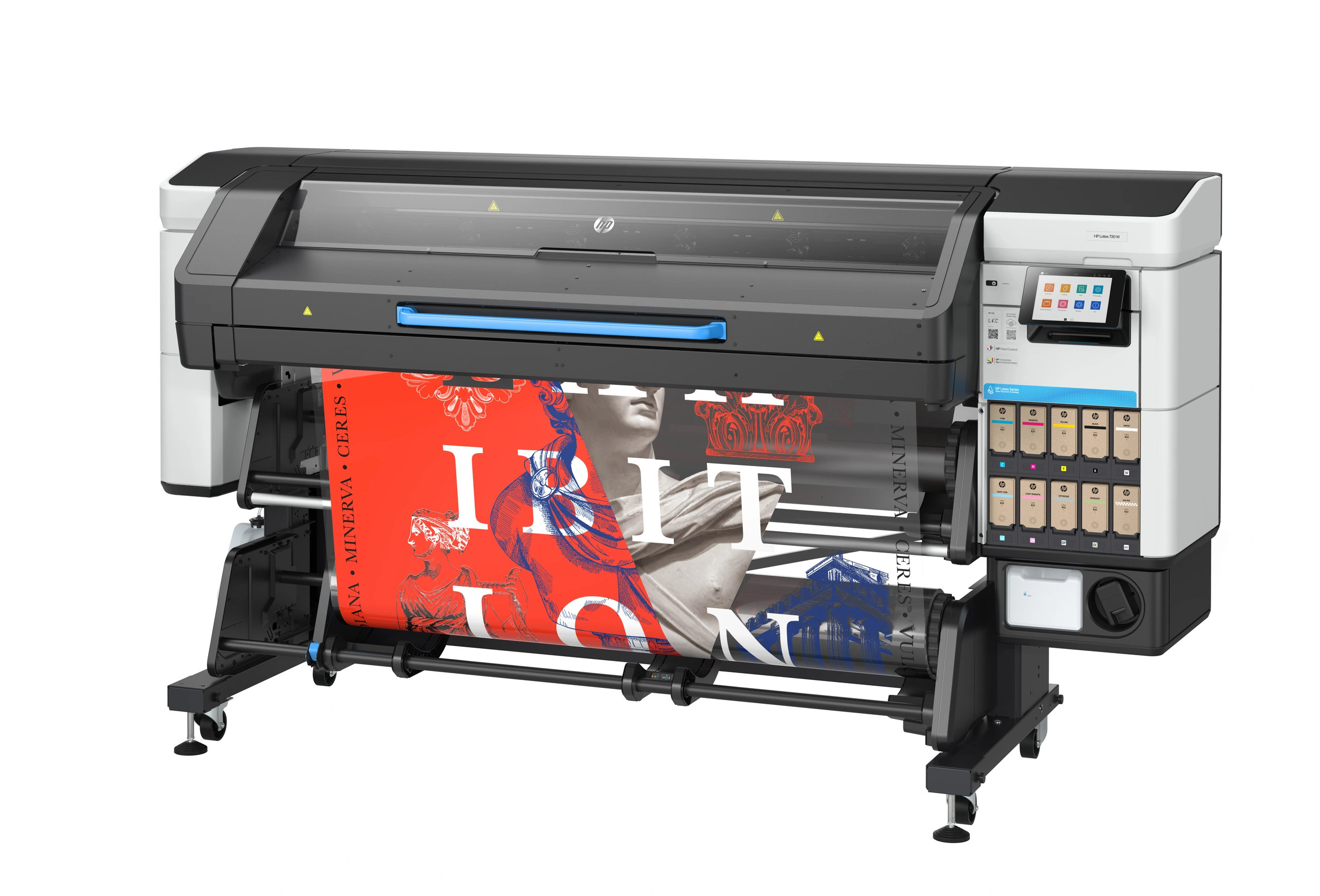
Werbe X Press GmbH & Co. KG relies on the new HP Latex 730W to complete jobs quickly and with high quality

The Key Elements of a Sustainable House Design

Smart Building Automation Systems & How They Reduce Costs

Understanding Cost of Sustainable Construction: Is It Cheaper?

Building Automation Trends: Why Automation Is Crucial for AECs
What to consider to print sustainably

How to support employee wellbeing in the print industry

Green Building Benefits: Importance of Eco-Friendly Construction

How HP PrintOS helped Benson stay agile
HP Latex 800 printers drive diversification at Bordbusters in the Netherlands
Top 5 Ways In Which AECs Are Using Green Building Materials in 2024

HP Latex Print and Cut Plus Solutions spotlight: Level-up your print operations

Sustainability in Architecture: Designing for the Future
Driving a Zero-Carbon Future with Sustainable Construction Materials

From Green Building Construction to Digital Offices: 4 Predictions for Post-Covid Architecture
Select Your Country/Region and Language
Close Country/Region Selector Dialog
Europe, Middle East and Africa
- Africa
- Afrique
- België
- Belgique
- Česká republika
- Danmark
- Deutschland
- Eesti
- España
- France
- Hrvatska
- Ireland
- Italia
- Latvija
- Lietuva
- Magyarország
- Middle East
- Nederland
- Nigeria
- Norge
- Österreich
- Polska
- Portugal
- România
- Saudi Arabia
- Slovenija
- Slovensko
- South Africa
- Suisse
- Suomi
- Sverige
- Switzerland
- Türkiye
- United Kingdom
- Ελλάδα
- България
- Казахстан
- Србија
- Україна
- ישראל
- الشرق الأوسط
- المملكة العربية السعودية
Country/Region :
Close Country/Region Selector
SelectedUnited Kingdom
popUpSRBeginingLabelString
HP Worldwide
Select Your Country/Region and Language
Click or use the tab key to select your country
Close Country/Region Selector Dialog
- Africa
- Afrique
- América Central
- Argentina
- Asia Pacific
- Australia
- Bangladesh
- België
- Belgique
- Bolivia
- Brasil
- Canada
- Canada - Français
- Caribbean
- Česká republika
- Chile
- Colombia
- Danmark
- Deutschland
- Ecuador
- Eesti
- España
- France
- Hong Kong SAR
- Hrvatska
- India
- Indonesia
- Ireland
- Italia
- Latvija
- Lietuva
- Magyarország
- Malaysia
- México
- Middle East
- Nederland
- New Zealand
- Nigeria
- Norge
- Österreich
- Pakistan
- Paraguay
- Perú
- Philippines
- Polska
- Portugal
- Puerto Rico
- România
- Saudi Arabia
- Singapore
- Slovenija
- Slovensko
- South Africa
- Sri Lanka
- Suisse
- Suomi
- Sverige
- Switzerland
- Türkiye
- United Kingdom
- United States
- Uruguay
- Venezuela
- Việt Nam
- Ελλάδα
- България
- Казахстан
- Србија
- Україна
- ישראל
- الشرق الأوسط
- المملكة العربية السعودية
- ไทย
- 中华人民共和国
- 臺灣 地區
- 日本
- 香港特別行政區
- 한국
- Recalls |
- Product recycling |
- Accessibility |
- Modern Slavery Act Statement |
- HP UK Gender Pay Gap Report |
- Privacy |
- Use of cookies |
- Personal data rights |
- Terms of use |
- Consumer legal guarantee |
- Company details |
- Limited warranty statement |
©2025 HP Development Company, L.P. The information contained herein is subject to change without notice.