Blog
Benefits of Creating Architecture Landscape Plans Through Large Format Printing

Technical Printing
|10 may 2023
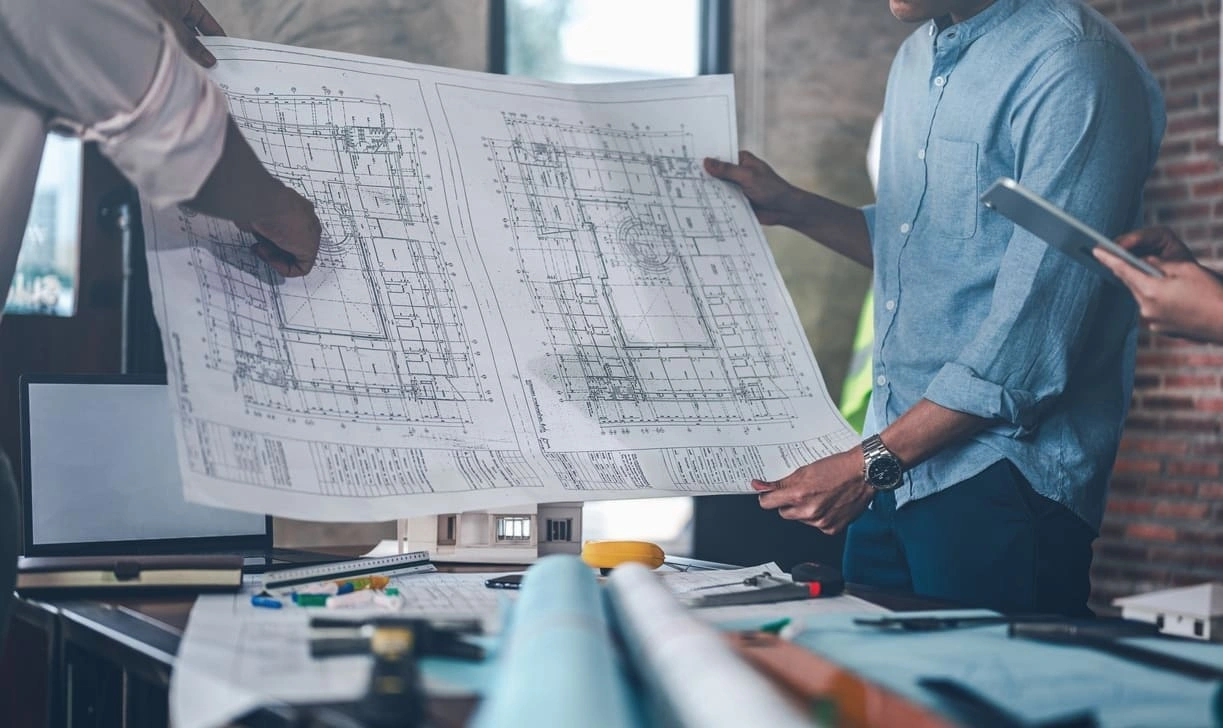
An architecture landscape plan is a recurrent fixture in most architectural projects that involve outdoor spaces. They supply critical information about the design and layout of a site, including details about the placement of buildings, trees, and other vegetation, as well as other hardscaping elements such as walkways, patios, and retaining walls. This means that creating accurate and detailed architectural documents is primarily what makes up the success of any architectural project. To ensure the correctness of these plans, large format printing is a tool that can most certainly help. This article will discuss the different ways in which large format printing benefits architects by delivering faultless landscaping plans that offer clarity and detail in the construction process.
What Are Landscaping Plans?
When designing a landscape surrounding a home or planning a commercial space, it's essential to have a detailed plan to simulate the final product. Architectural plans are detailed landscape plan drawings, maps, or scale renderings. Landscape architectures create them to direct the end result of a landscaping project. A professional architecture landscape plan will detail the location of various elements at scale. It will also include essential details like material choices and measurements.
Why Do Architects Use Landscaping Plan Drawings?
Common Challenges Faced When Printing Landscape Plans
What Are the Benefits of Using a Large Format Printer to Create Architecture Landscape Plans?

Large format architectural printers are designed with modern features that address many of the challenges that arise when printing and using landscape plans. They connect wirelessly to software applications and effortlessly print detailed blueprints and landscape plans in the field, office, or wherever AEC professionals need them. Landscape architects prefer large format printers because they provide these benefits.
Visualizing the Landscape to Replicate in Construction
Producing Larger Documents in Superior Quality
Reducing Landscaping Costs through Print Speed and Fewer Mistakes
Large Format Documents are Easier for Clients to Understand
No Longer Require Multiple Small Prints
Faster Printing Means Faster Production
Reach Out to HP to Discuss Your Large Format Printing Needs
Download our eBook now and discover how innovation is streamlining workflows, producing prints of unmatched quality and increasing IT efficiency like never before.
<iframe src="undefined"></iframe>You Might Also Like

Top 5 Printers for Artists: High-Quality Prints for Fine Art

What Is a Wide Format Printer?: A Beginner’s Guide to Large-Scale Printing

Preparing Files for Large Format Printing: A Step-by-Step Guide

How to Use Large Format Plotters for Facility Management Floorplans

Common Mistakes & Fixes for Poor-Quality Blueprints

Common Print File Types for Blueprints Explained

Common Printing Mistakes: How to Avoid Costly Errors in Large Format Jobs
Best Printers for Illustration Prints: Top Picks for Artists and Designers

Digital vs. Paper: When to Print Architectural Drawings and When to Share Digitally

Best Practices for Marking Up and Revising Printed Architectural Plans

3 Keys to Print Emergency Maps That Enhance Disaster Response

5 Pro Tips for Mastering Wide Format Printing for AECs

Top 5 Large Photo Printers for Professional Artists and Photographers

The Complete Guide to Large Format Printing for AEC Professionals

Options for Upgrading Your Plotter

3 Best Practices for Large Document Conversion for Print

Understanding As-Built Drawings and Why They Matter

3 Ways Large Format Plotters Streamline Construction Submittals

How AI Enhances Large Format Printing for AEC
How to Optimise Hybrid AEC Printing Workflows With Large Format Printers
Select Your Country/Region and Language
Close Country/Region Selector Dialog
Europe, Middle East and Africa
- Africa
- Afrique
- België
- Belgique
- Česká republika
- Danmark
- Deutschland
- Eesti
- España
- France
- Hrvatska
- Ireland
- Italia
- Latvija
- Lietuva
- Magyarország
- Middle East
- Nederland
- Nigeria
- Norge
- Österreich
- Polska
- Portugal
- România
- Saudi Arabia
- Slovenija
- Slovensko
- South Africa
- Suisse
- Suomi
- Sverige
- Switzerland
- Türkiye
- United Kingdom
- Ελλάδα
- България
- Казахстан
- Србија
- Україна
- ישראל
- الشرق الأوسط
- المملكة العربية السعودية
Country/Region :
Close Country/Region Selector
SelectedUnited Kingdom
popUpSRBeginingLabelString
HP Worldwide
Select Your Country/Region and Language
Click or use the tab key to select your country
Close Country/Region Selector Dialog
- Africa
- Afrique
- América Central
- Argentina
- Asia Pacific
- Australia
- Bangladesh
- België
- Belgique
- Bolivia
- Brasil
- Canada
- Canada - Français
- Caribbean
- Česká republika
- Chile
- Colombia
- Danmark
- Deutschland
- Ecuador
- Eesti
- España
- France
- Hong Kong SAR
- Hrvatska
- India
- Indonesia
- Ireland
- Italia
- Latvija
- Lietuva
- Magyarország
- Malaysia
- México
- Middle East
- Nederland
- New Zealand
- Nigeria
- Norge
- Österreich
- Pakistan
- Paraguay
- Perú
- Philippines
- Polska
- Portugal
- Puerto Rico
- România
- Saudi Arabia
- Singapore
- Slovenija
- Slovensko
- South Africa
- Sri Lanka
- Suisse
- Suomi
- Sverige
- Switzerland
- Türkiye
- United Kingdom
- United States
- Uruguay
- Venezuela
- Việt Nam
- Ελλάδα
- България
- Казахстан
- Србија
- Україна
- ישראל
- الشرق الأوسط
- المملكة العربية السعودية
- ไทย
- 中华人民共和国
- 臺灣 地區
- 日本
- 香港特別行政區
- 한국
- Recalls |
- Product recycling |
- Accessibility |
- Modern Slavery Act Statement |
- HP UK Gender Pay Gap Report |
- Privacy |
- Use of cookies |
- Personal data rights |
- Terms of use |
- Consumer legal guarantee |
- Company details |
- Limited warranty statement |
©2025 HP Development Company, L.P. The information contained herein is subject to change without notice.