Blog
Overcoming the Challenges of Printing Construction Documents in Tropical Climates
Technical Printing
|25 Mar 2025
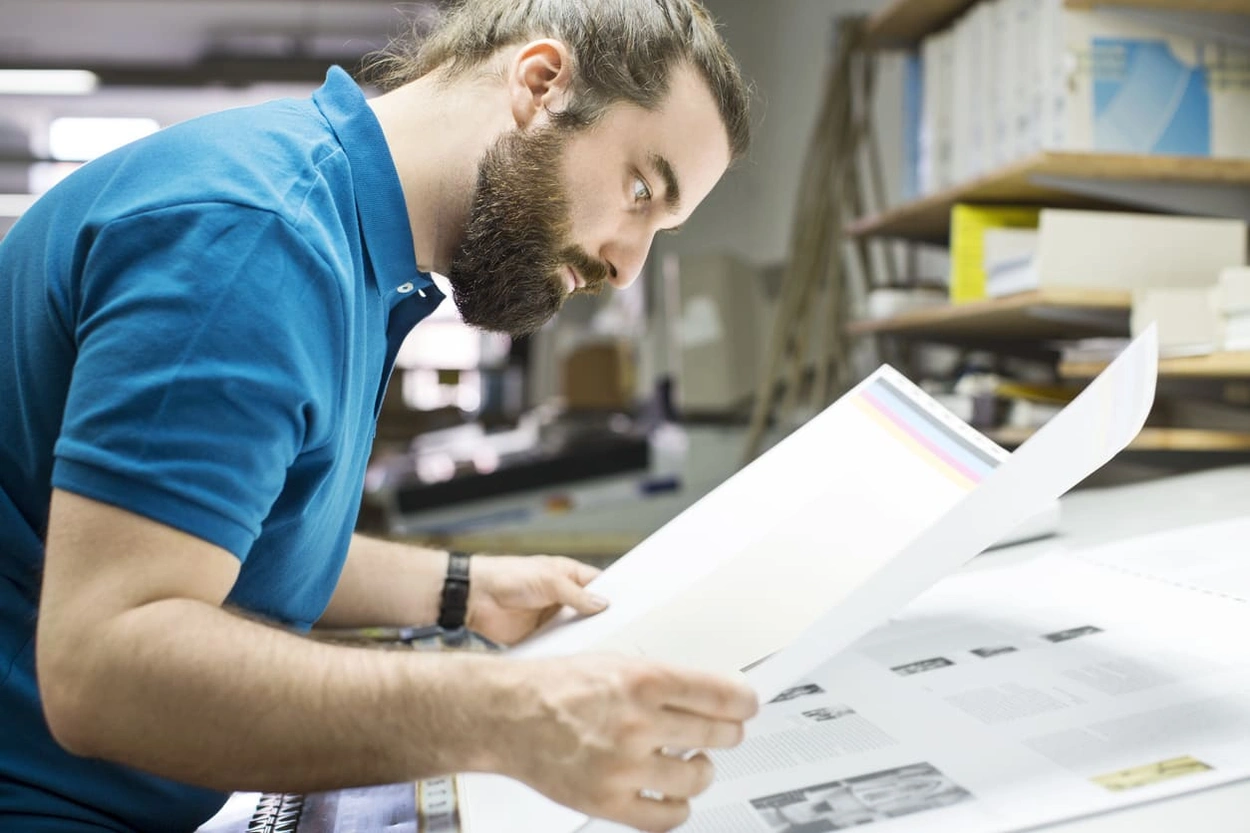
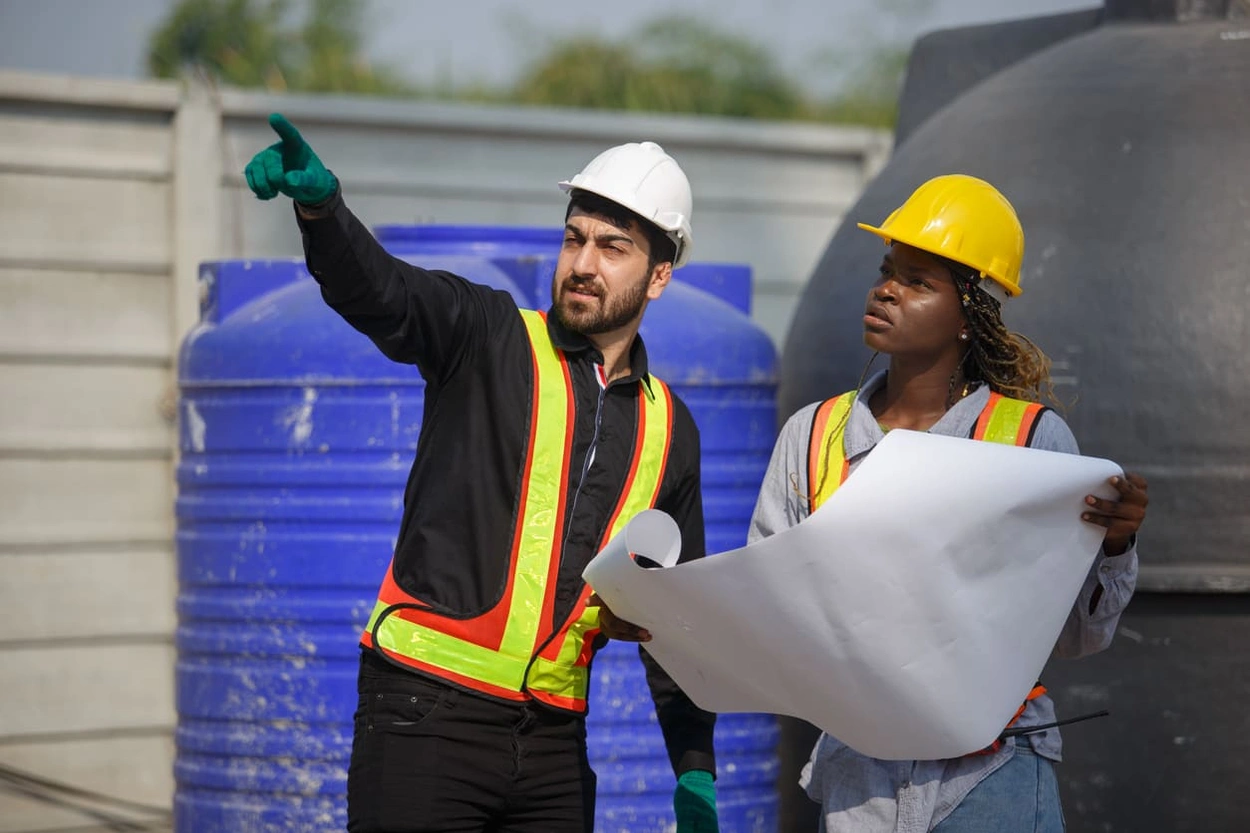
Tropical climates present unique challenges for construction printing projects. So, choosing a printer designed for printing in tropical climates and environments is essential. For example, tropical locations have high temperatures and humidity levels. They also face abrupt changes in weather conditions, all of which could compromise print quality in various ways. Everything from fading and smudging to total print deterioration can result, which is why it's best to use large format printers and print materials that can hold up in harsh conditions.
This article will explore how the right large format printers and materials can overcome the various challenges of printing in tropical climates, whether you need them for blueprints, site plans, technical drawings or other documents in construction printing.
Understanding the Impact of Tropical Climates on Construction Printing
Two of the most problematic elements affecting printing in tropical climates include humidity and sudden temperature changes. Knowing how each of these factors can compromise print integrity and overall quality can help you determine what's needed to overcome these issues.
Common Issues Faced in High-Humidity Environments
In environments with high humidity levels, tropical printing can experience various potential issues, such as:
- Warping or curling of print substrates
- Dampness
- Smudging
- Toner streaking
- Print deterioration
How Temperature Fluctuations Affect Ink and Paper Quality
Temperature changes and extreme heat can easily compromise construction printing in tropical environments.
Specifically, fluctuations in temperature can cause inks to change viscosity. This can lead to uneven colour distribution or inadequate clarity of print details. At the same time, substrates can expand and contract in varying temperatures to cause paper distortions.
Meanwhile, high temperatures can cause inks to dry out and subsequently clog printhead nozzles, resulting in blotches, streaks, or fading.
Best Practices for Printing in Tropical Climates
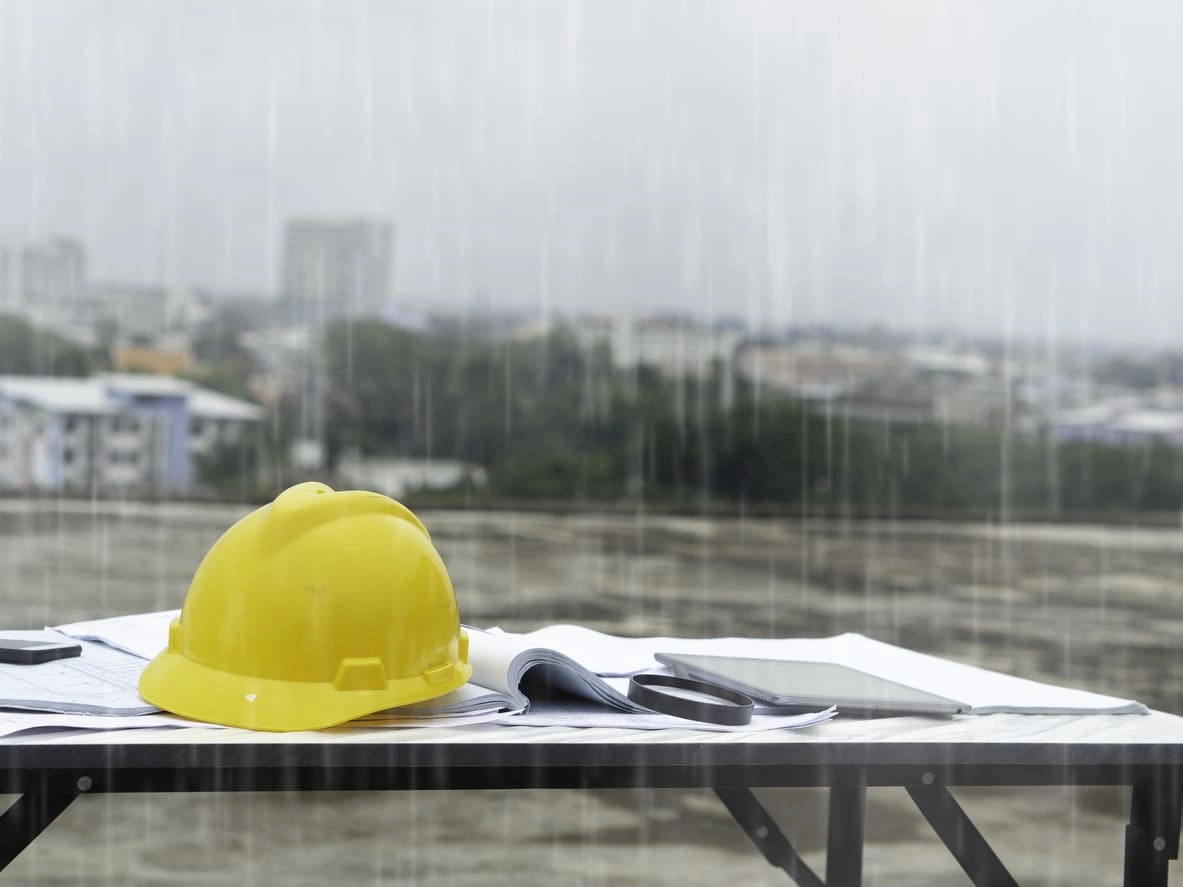
To avoid any of the above issues with tropical printing environments, the following are some critical steps to take that will help you optimise quality and efficiency:
Choosing Moisture-Resistant Printing Materials
One way to mitigate the risk of issues with tropical climates in construction printing is to use print materials that aren't vulnerable to moisture.
For example, you can use moisture-resistant substrates like polypropylene, polycarbonate, and laminated materials. These options won't be susceptible to warping or other humidity-related issues.
Certain types of ink can also resist smudging and streaking, which we'll explore below.
Selecting the Right Large Format Printer for Harsh Conditions
In addition to the right print materials, you should implement a high-quality large format printer that's built for printing in tropical climates.
Highly durable printers will be able to maintain efficient operation regardless of their environment, keeping your prints consistently high-quality and efficient.
Proper Storage and Handling of Construction Documents
Keeping all of your blueprints, site plans, layouts, and other printed construction documents in moisture-free, room-temperature environments will also help preserve them. Designate storage areas that block out tropical elements for all of your freshly produced prints, eliminating the need for potentially costly reprints.
Optimising Printing Workflows for Efficiency in Tropical Environments
There are multiple ways to get the most from your tropical printing processes. Here is some guidance to help you along:
Preventive Maintenance Tips for Large Format Printers
First, you should regularly maintain your large format printer for efficient and cost-effective construction printing in tropical climates.
Some tasks to perform here include:
- Regular cleaning of printheads and other components
- Monitoring ink levels
- Calibrating printers based on print settings
- Keeping the print load area clean
- Frequently running the printer to prevent ink from drying out
Using Weatherproof and Smudge-Resistant Inks
You can also use certain types of inks that are resistant to moisture and high temperatures for tropical printing applications.
Look for inks that offer excellent water and light fastness, along with bleed and smudge resistance.
Digital Documentation as a Backup Solution
To further preserve your prints, always back them up with digital copies. When you rely on physical prints in tropical environments, you could lose a lot of time and money on reprints if they are compromised in any way.
Even stored prints run the risk of destruction in tropical climates due to sudden inclement weather conditions, which could include devastating natural disasters like hurricanes and typhoons.
Why HP Large Format Printers Are Built for Tropical Conditions
At HP, our DesignJet technical plotters are ideal for use in the construction industry, offering numerous technologies and durable designs. These printers offer the following key advantages to ensure your construction printing operations hold up in any environment:
Advanced Technology for Reliable Performance
HP DesignJet printers and plotters use some of the latest innovations in print technology to give our customers a high-performance print solution.
For instance, HP's DesignJet ink and media use highly durable ink technology that offers superior print permanence, light and water fastness, and resistance to both highlighter bleed and smudging.
Additionally, they incorporate various workflow solutions using multiple software and accessories to optimise operational efficiency. They facilitate digital work environments for reliable backups. They also have high-quality designs that require only routine and basic maintenance to get the most from them.
Eco-Friendly and Durable Printing Solutions
Our printers consist of highly durable materials built to last and withstand various conditions, making them ideal for printing in tropical climates.
In addition, they can help you achieve sustainability goals with ENERGY STAR certification for optimal energy efficiency, construction using recycled plastic materials, and recyclable print supplies. Meanwhile, HP Flex Tech inks are water-based solutions that are environmentally safe, setting them apart from potentially toxic inks.
Ensuring High-Quality Printing in Any Climate
If you need printers that can maintain consistently reliable and high-quality construction printing processes in tropical environments, turn to HP for some of the best solutions. We'll provide you with large format printers that can hold up in just about any working environment, even if you're dealing with high moisture levels and extreme temperatures.
Our printers are also highly efficient, helping you meet strict deadlines with every project without hindering quality at any stage. Subsequently, you can save both time and money with the right HP printer.
Get started on finding the perfect printer for tropical climates or any other environment with our DesignJet promotions.
You Might Also Like

Top 5 Printers for Artists: High-Quality Prints for Fine Art

What Is a Wide Format Printer?: A Beginner’s Guide to Large-Scale Printing

Preparing Files for Large Format Printing: A Step-by-Step Guide
How to Use Large Format Plotters for Facility Management Floorplans

Common Mistakes & Fixes for Poor-Quality Blueprints

Common Print File Types for Blueprints Explained

Common Printing Mistakes: How to Avoid Costly Errors in Large Format Jobs
Best Printers for Illustration Prints: Top Picks for Artists and Designers

Digital vs. Paper: When to Print Architectural Drawings and When to Share Digitally

Best Practices for Marking Up and Revising Printed Architectural Plans
3 Keys to Print Emergency Maps That Enhance Disaster Response

5 Pro Tips for Mastering Wide Format Printing for AECs

Top 5 Large Photo Printers for Professional Artists and Photographers
The Complete Guide to Large Format Printing for AEC Professionals

Options for Upgrading Your Plotter

3 Best Practices for Large Document Conversion for Print

Understanding As-Built Drawings and Why They Matter

3 Ways Large Format Plotters Streamline Construction Submittals

How AI Enhances Large Format Printing for AEC
How to Optimise Hybrid AEC Printing Workflows With Large Format Printers
Select Your Country/Region and Language
Close Country/Region Selector Dialog
Europe, Middle East and Africa
- Africa
- Afrique
- België
- Belgique
- Česká republika
- Danmark
- Deutschland
- Eesti
- España
- France
- Hrvatska
- Ireland
- Italia
- Latvija
- Lietuva
- Magyarország
- Middle East
- Nederland
- Nigeria
- Norge
- Österreich
- Polska
- Portugal
- România
- Saudi Arabia
- Slovenija
- Slovensko
- South Africa
- Suisse
- Suomi
- Sverige
- Switzerland
- Türkiye
- United Kingdom
- Ελλάδα
- България
- Казахстан
- Србија
- Україна
- ישראל
- الشرق الأوسط
- المملكة العربية السعودية
Country/Region :
Close Country/Region Selector
SelectedUnited Kingdom
popUpSRBeginingLabelString
HP Worldwide
Select Your Country/Region and Language
Click or use the tab key to select your country
Close Country/Region Selector Dialog
- Africa
- Afrique
- América Central
- Argentina
- Asia Pacific
- Australia
- Bangladesh
- België
- Belgique
- Bolivia
- Brasil
- Canada
- Canada - Français
- Caribbean
- Česká republika
- Chile
- Colombia
- Danmark
- Deutschland
- Ecuador
- Eesti
- España
- France
- Hong Kong SAR
- Hrvatska
- India
- Indonesia
- Ireland
- Italia
- Latvija
- Lietuva
- Magyarország
- Malaysia
- México
- Middle East
- Nederland
- New Zealand
- Nigeria
- Norge
- Österreich
- Pakistan
- Paraguay
- Perú
- Philippines
- Polska
- Portugal
- Puerto Rico
- România
- Saudi Arabia
- Singapore
- Slovenija
- Slovensko
- South Africa
- Sri Lanka
- Suisse
- Suomi
- Sverige
- Switzerland
- Türkiye
- United Kingdom
- United States
- Uruguay
- Venezuela
- Việt Nam
- Ελλάδα
- България
- Казахстан
- Србија
- Україна
- ישראל
- الشرق الأوسط
- المملكة العربية السعودية
- ไทย
- 中华人民共和国
- 臺灣 地區
- 日本
- 香港特別行政區
- 한국
- Recalls |
- Product recycling |
- Accessibility |
- Modern Slavery Act Statement |
- HP UK Gender Pay Gap Report |
- Privacy |
- Use of cookies |
- Personal data rights |
- Terms of use |
- Consumer legal guarantee |
- Company details |
- Limited warranty statement |
©2025 HP Development Company, L.P. The information contained herein is subject to change without notice.