Blog
Unique Real-World Uses of CAD Printers

Technical Printing
|11 Jan 2023
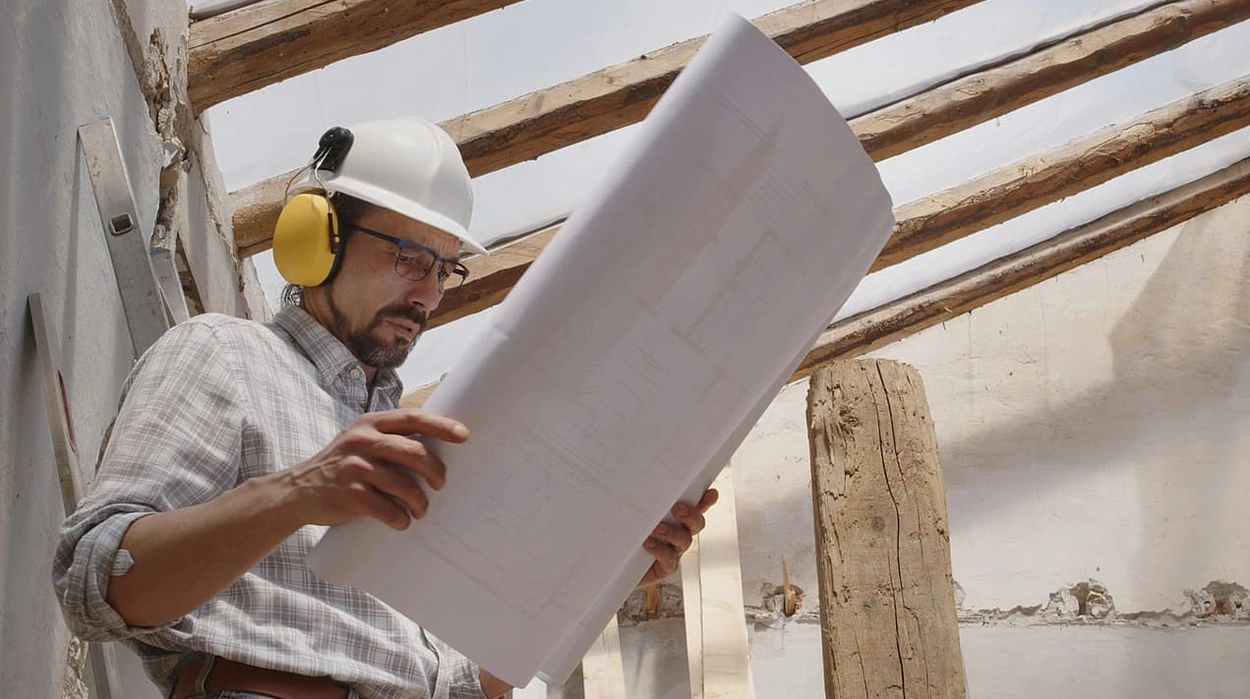
A typical large-format CAD printer serves multiple purposes. On the one hand, most users consider it a tool for printing blueprints. But the truth is that large-format CAD printers have myriad uses, not just blueprint printing. This guide highlights the many ways that people use these printers to advance in the engineering, architecture, and construction (AEC) fields.
What is a CAD printer, and how is it used in the real world? Read further to discover how unique a CAD printer can be.
How Is CAD Used in the Real World?
From concept to creation, CAD tools and software have become a buzz in the industry. They enable professionals from different industries to create, analyse, and improve designs efficiently. Although people see a CAD printer as a specific-use device, it is currently gaining popularity in a broad range of industries in various unique ways to enhance performance, productivity, and collaboration.
What Is a CAD Printer?
What Does a CAD Printer Do?
What Uses Do CAD and CAM Have in the World Today?
What Is CAD, and What Are Its Applications and Benefits?
Applications of CAD Printers in the Real World
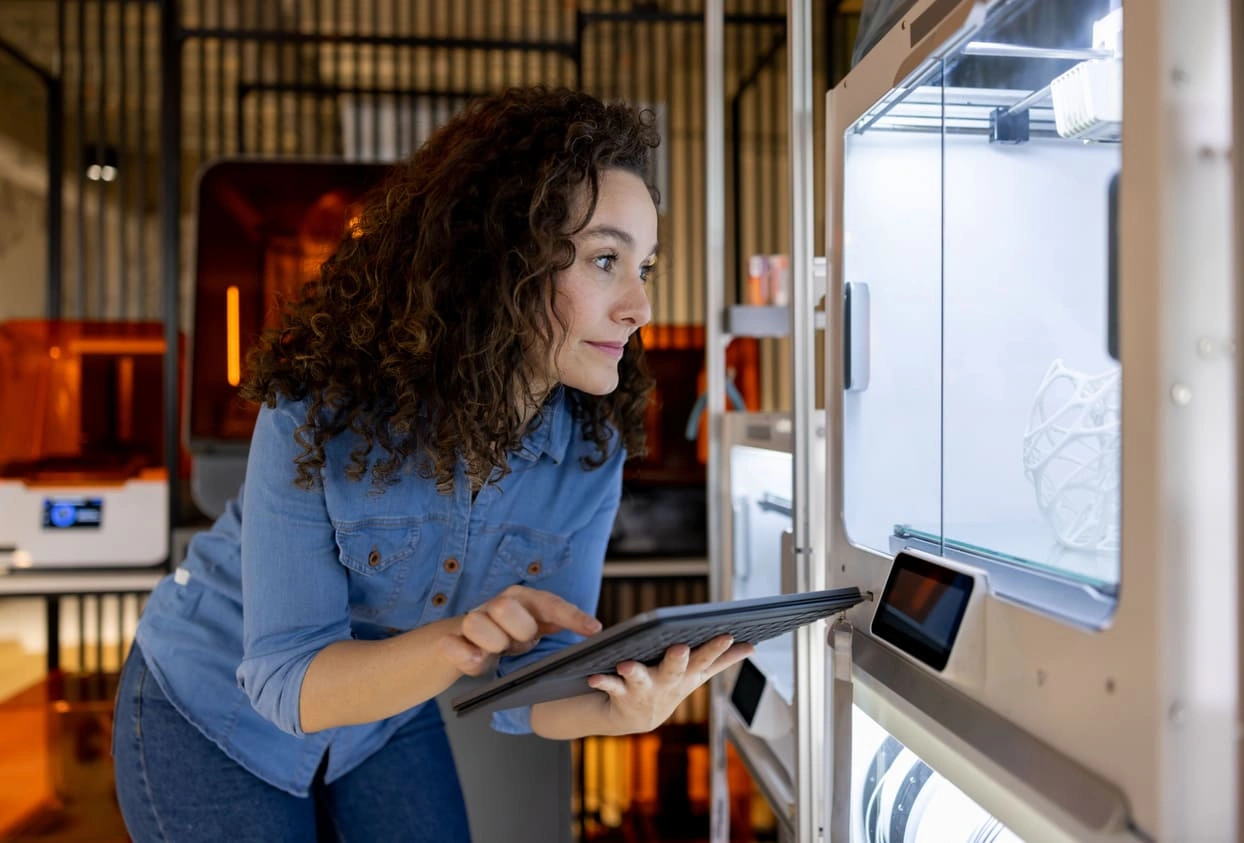
CAD tools and software enable professionals like engineers, designers, and architects to create efficient designs and improve or analyse them. In addition, they can use large-format, multifunction printing solutions to discuss projects, deliver the proper output, and improve workflow.
CAD helps in numerical data modelling, simulation, and design. As such, its applications cut across industries. Typical applications of CAD printers include:
- General 3D printing
- Dental industry
- Mapping
- Fashion
- Architecture
- Building furniture
- Automotive sector
- Interior design
How Is CAD Used in Manufacturing?
How Is CAD Used by Businesses?
What Advantages Does CAD Have Over Technical Sketching?
Unique Ways CAD Is Being Used
Below are some of the unique applications of CAD in different industries:
- Functional Rapid Prototyping: Using CAD, rapid prototyping allows you to create models or parts. This will enable you to test or simulate your medical device design's functionality before moving on to the next step: manufacturing.
- 3D Printing Industry: 3D printing involves creating a three-dimensional real-world object from a digital model. Currently, almost every industry employs CAD for tasks such as creating and preparing drawings for additive manufacturing applications (3D printing), as well as creating representations for goods in development.
3.** 3D Scanners: **CAD and 3D scans are mutually functional. ‘Scan to CAD’ is a process that involves using scan data from a 3D scanner as a design reference to create incredibly accurate CAD models. - **Architectural Projects: **Technical drawings deliver detailed instructions on how to make something. Architectural structure and mechanical engineering designs can be included in technical drawings using CAD. When an architect creates a technical drawing, it is to ensure the exact specification of a building for use with the construction and ongoing development of the project.
- Metal Additive Manufacturing: Be it subtractive or additive manufacturing, the design process of almost every product typically starts in CAD. With additive manufacturing (such as 3D printing), you can create more complex geometry and metal products with fewer parts.
Advantages of CAD over manual drafting include:
- Increased accuracy in designs
- With CAD, you can flexibly organise drawing information.
- CAD allows you to ensure conformity to industry drafting standards.
- Easy drawing modifications
Liaise With a Top-Notch Printing Partner
Having an industry-leading partner is an excellent way to leverage different printing software and tools for high-quality, accurate printing. Contact us for support addressing your printing needs, regardless of the project size.
Download our eBook now and discover how innovation is streamlining workflows, producing prints of unmatched quality and increasing IT efficiency like never before.
<iframe src="undefined"></iframe>You Might Also Like
Everything you need to know about choosing a plotter printer

Best Compact Large Format Printers for Small Business Offices

How to Choose the Best Industrial Plotter for Your AEC Business

Best Budget Plotter Printers for Small Business Print Shops

Which to Pick: Plotter or Laser Printers for Technical Drawings

Main Trends in the Technical Printing Sector in 2024

Top 7 Professional Large Format Printers to Buy in 2024

Get Photo-Quality Prints With a Large-Scale Colour Plotter Printer

The Key Benefits of Large Format Printing for Spatial Data in GIS
Considerations to Help You Get the Right Digital Blueprint Printing Machine for Your AEC Business

10 Creative Uses for Large Format Poster Printers

5 Ways a Large Format Printer Can Streamline Your Business Workflow

Plotters and Their Types: Uncovering Plotter Cost Considerations

Everything You Need to Know About Plotters and Their Applications
Optimising Printer and Plotter Capabilities for Small Businesses

Uses of Plotters for Small Businesses: Affordable Solutions for Big Impact

How to Print a Poster With HP's DesignJet T850 Printer
5 Factors to Consider When Buying an Inkjet Plotter

The Best Plotter Printers for Creating GIS Map Systems

Latest Innovations in Printing Technology: Top 5 Uses of Large Format Printers in the Construction Sector
Select Your Country/Region and Language
Close Country/Region Selector Dialog
Europe, Middle East and Africa
- Africa
- Afrique
- België
- Belgique
- Česká republika
- Danmark
- Deutschland
- Eesti
- España
- France
- Hrvatska
- Ireland
- Italia
- Latvija
- Lietuva
- Magyarország
- Middle East
- Nederland
- Nigeria
- Norge
- Österreich
- Polska
- Portugal
- România
- Saudi Arabia
- Slovenija
- Slovensko
- South Africa
- Suisse
- Suomi
- Sverige
- Switzerland
- Türkiye
- United Kingdom
- Ελλάδα
- България
- Казахстан
- Србија
- Україна
- ישראל
- الشرق الأوسط
- المملكة العربية السعودية
Country/Region :
Close Country/Region Selector
SelectedAustralia
popUpSRBeginingLabelString
HP Worldwide
Select Your Country/Region and Language
Click or use the tab key to select your country
Close Country/Region Selector Dialog
- Africa
- Afrique
- América Central
- Argentina
- Asia Pacific
- Australia
- Bangladesh
- België
- Belgique
- Bolivia
- Brasil
- Canada
- Canada - Français
- Caribbean
- Česká republika
- Chile
- Colombia
- Danmark
- Deutschland
- Ecuador
- Eesti
- España
- France
- Hong Kong SAR
- Hrvatska
- India
- Indonesia
- Ireland
- Italia
- Latvija
- Lietuva
- Magyarország
- Malaysia
- México
- Middle East
- Nederland
- New Zealand
- Nigeria
- Norge
- Österreich
- Pakistan
- Paraguay
- Perú
- Philippines
- Polska
- Portugal
- Puerto Rico
- România
- Saudi Arabia
- Singapore
- Slovenija
- Slovensko
- South Africa
- Sri Lanka
- Suisse
- Suomi
- Sverige
- Switzerland
- Türkiye
- United Kingdom
- United States
- Uruguay
- Venezuela
- Việt Nam
- Ελλάδα
- България
- Казахстан
- Србија
- Україна
- ישראל
- الشرق الأوسط
- المملكة العربية السعودية
- ไทย
- 中华人民共和国
- 臺灣 地區
- 日本
- 香港特別行政區
- 한국
- Recalls |
- Product recycling |
- Accessibility |
- Modern Slavery Act Statement |
- Privacy |
- Terms of use |
- Use of cookies |
- Australia packaging covenant |
©2025 HP Development Company, L.P. The information contained herein is subject to change without notice.