Blog
Filter categoryCategory
BIM Cost Savings: How BIM Can Save AEC Companies Money?

Technical Printing
|10 Nov 2022
There was a time when architects, engineers, and contractors wouldn't know what could go wrong with a project until it was under construction. Today, thanks to building information modelling technology, stakeholders in the AEC industry can rehearse the project long before groundbreaking starts and achieve the best BIM cost savings possible.
BIM technology lets you build a project virtually and in realistic detail, designing the technical and aesthetic aspects down to the fixtures and finishes. With this level of detail and accuracy, you can envision what the project will look like and make accurate cost and time projections.
That's the reason why the best BIM cost savings can be as high as 10% of the contract valueand understanding the cost to implement BIM is crucial to maximise these savings. But how exactly does BIM save money for AECs, and how can your operation benefit from this technology? Let's get into the details.
The Benefits of Using BIM Technology in AEC Projects
Building information modelling (BIM) plays a central role in every part of a project, from planning and design to construction, maintenance, and operation. Everyone involved in the project stands to reap massive benefits from adopting BIM, the best of which is cost savings.
One of the biggest challenges in construction is logistics. Without the right information and foresight, problems with sourcing materials or coordinating multiple subcontractors and personnel are hard to solve.
With BIM, project owners and managers can make informed decisions and predict potential bottlenecks early in the planning and design phase.
Walk Through the Building Before It Ever Stands
**How Does BIM Help With Sustainability? **
How Does BIM Save Money?
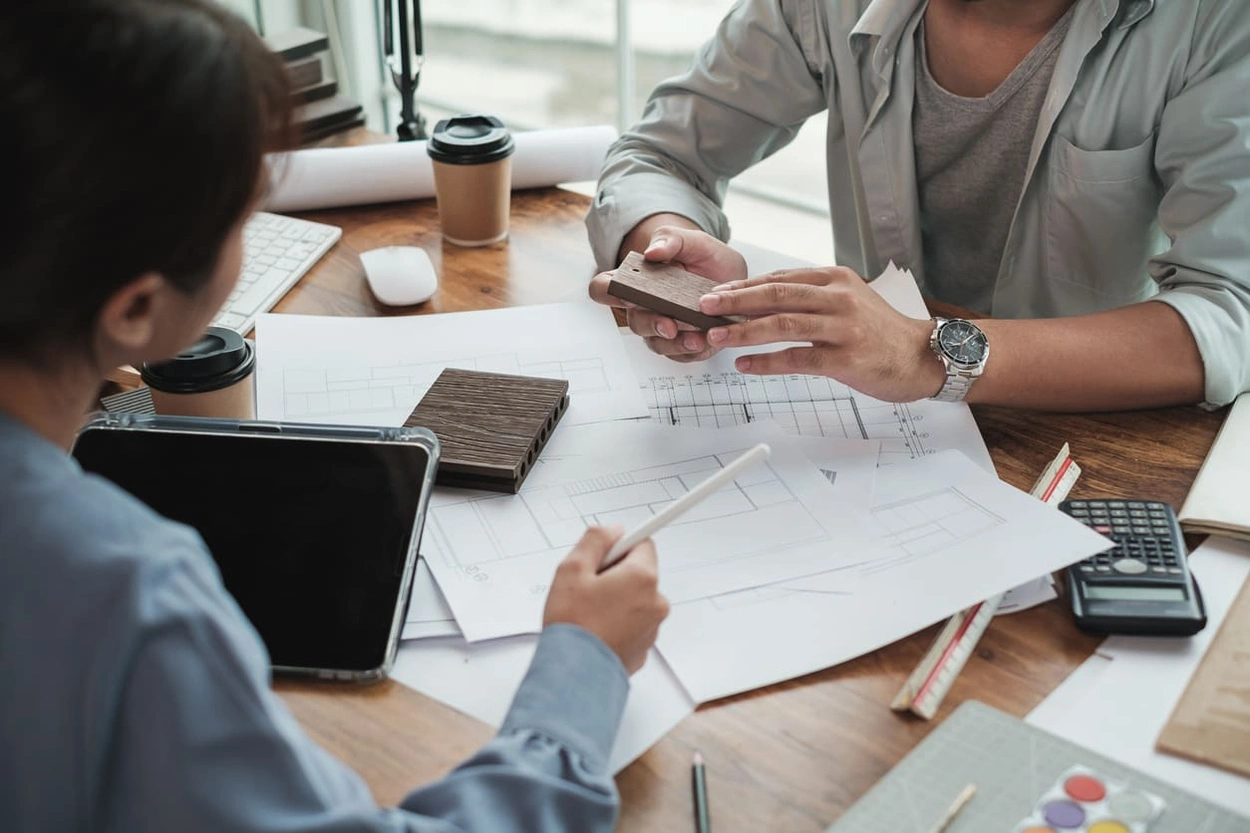
The cost-saving power of building information modelling lies in the quality and accuracy of the information used, making accurate BIM cost estimates essential. A good building model isn't just about the building design but also the data used, such as materials, energy, health and safety, environmental, and cost data.
With the right information, a simple building model transforms into a much more useful tool that helps AECs achieve maximum efficiency and save money in various ways.
<h3>Get the Best BIM Cost Savings via Accurate Estimates</h3> <h3>Detect Clashes Early and Prevents Costly Last-Minute Changes</h3> <h3>Save Time Through Efficient Collaboration</h3> <h3>Improve Safety With Advanced Risk Analysis and Safety Evaluations</h3>How Can BIM Improve Cost Estimation?
BIM has already been saving AECs a lot of money through accurate cost estimation, and we've yet to experience the best BIM cost savings possible. Compared to manual cost estimation practices, BIM has a clear advantage in many costing activities. Benefits include:
- Automated takeoffs generated from the BIM models
- Unified, collaborative cost estimation, allowing data exchange and transparency
- Ability to evaluate and test design options easily
- Faster and more reliable project documentation, saving time and effort for AECs
- Better forecasting to better predict and prepare for variables such as labour
Model-based estimating deals with accuracy factors by eliminating the need for manual takeoffs altogether. Doing takeoffs from drawings introduces chances of creating or propagating inaccuracies, whereas BIM allows you to develop takeoffs, counts, and measurements directly from the model.
That means the information you generate is always consistent with the model; it evolves with any changes you make to the model for the best BIM cost savings and processes possible. BIM also automates quantifying activities, which usually takes 50-80% of the time needed for cost estimation.
With BIM, AECs don't need to pay estimators for quantification, which allows them to focus on more important aspects of the project.
Finally, BIM programs integrate directly with popular estimating programs such as Innovaya or RIB U.S. COST, allowing AECs to directly export the building model and begin estimation at once. You can even export quantity takeoffs to Microsoft Excel for simplified costing workflows.
How to Turn Accurate BIM Models Into Detailed Prints
Building information models are revolutionising collaboration in the AEC industry, but AECs still need drawing printouts. When it's time to convert your advanced BIM model into detailed prints of architectural drawings, manuals, bills of quantities, or other documents, you will need a reliable printer.
HP printers and plotters have been reliable companions to architects, engineers, and contractors through the decades, thanks to our dedication to performance and reliability. If you're ready to discover the world's easiest large format plotters, contact us today to discuss your printing needs.
Download our eBook now and discover how innovation is streamlining workflows, producing prints of unmatched quality and increasing IT efficiency like never before.
<iframe src="undefined"></iframe>You Might Also Like
Everything you need to know about choosing a plotter printer

Best Compact Large Format Printers for Small Business Offices
How to Choose the Best Industrial Plotter for Your AEC Business
Best Budget Plotter Printers for Small Business Print Shops
Which to Pick: Plotter or Laser Printers for Technical Drawings
Main Trends in the Technical Printing Sector in 2024

Top 7 Professional Large Format Printers to Buy in 2024

Get Photo-Quality Prints With a Large-Scale Colour Plotter Printer

The Key Benefits of Large Format Printing for Spatial Data in GIS
Considerations to Help You Get the Right Digital Blueprint Printing Machine for Your AEC Business

10 Creative Uses for Large Format Poster Printers

5 Ways a Large Format Printer Can Streamline Your Business Workflow

Plotters and Their Types: Uncovering Plotter Cost Considerations
Everything You Need to Know About Plotters and Their Applications
Optimising Printer and Plotter Capabilities for Small Businesses

Uses of Plotters for Small Businesses: Affordable Solutions for Big Impact

How to Print a Poster With HP's DesignJet T850 Printer
5 Factors to Consider When Buying an Inkjet Plotter
The Best Plotter Printers for Creating GIS Map Systems
Latest Innovations in Printing Technology: Top 5 Uses of Large Format Printers in the Construction Sector
Select Your Country/Region and Language
Close Country/Region Selector Dialog
Europe, Middle East and Africa
- Africa
- Afrique
- België
- Belgique
- Česká republika
- Danmark
- Deutschland
- Eesti
- España
- France
- Hrvatska
- Ireland
- Italia
- Latvija
- Lietuva
- Magyarország
- Middle East
- Nederland
- Nigeria
- Norge
- Österreich
- Polska
- Portugal
- România
- Saudi Arabia
- Slovenija
- Slovensko
- South Africa
- Suisse
- Suomi
- Sverige
- Switzerland
- Türkiye
- United Kingdom
- Ελλάδα
- България
- Казахстан
- Србија
- Україна
- ישראל
- الشرق الأوسط
- المملكة العربية السعودية
Country/Region :
Close Country/Region Selector
SelectedAustralia
popUpSRBeginingLabelString
HP Worldwide
Select Your Country/Region and Language
Click or use the tab key to select your country
Close Country/Region Selector Dialog
- Africa
- Afrique
- América Central
- Argentina
- Asia Pacific
- Australia
- Bangladesh
- België
- Belgique
- Bolivia
- Brasil
- Canada
- Canada - Français
- Caribbean
- Česká republika
- Chile
- Colombia
- Danmark
- Deutschland
- Ecuador
- Eesti
- España
- France
- Hong Kong SAR
- Hrvatska
- India
- Indonesia
- Ireland
- Italia
- Latvija
- Lietuva
- Magyarország
- Malaysia
- México
- Middle East
- Nederland
- New Zealand
- Nigeria
- Norge
- Österreich
- Pakistan
- Paraguay
- Perú
- Philippines
- Polska
- Portugal
- Puerto Rico
- România
- Saudi Arabia
- Singapore
- Slovenija
- Slovensko
- South Africa
- Sri Lanka
- Suisse
- Suomi
- Sverige
- Switzerland
- Türkiye
- United Kingdom
- United States
- Uruguay
- Venezuela
- Việt Nam
- Ελλάδα
- България
- Казахстан
- Србија
- Україна
- ישראל
- الشرق الأوسط
- المملكة العربية السعودية
- ไทย
- 中华人民共和国
- 臺灣 地區
- 日本
- 香港特別行政區
- 한국
- Recalls |
- Product recycling |
- Accessibility |
- Modern Slavery Act Statement |
- Privacy |
- Terms of use |
- Use of cookies |
- Australia packaging covenant |
©2025 HP Development Company, L.P. The information contained herein is subject to change without notice.