Blog
Filter categoryA1 printing in Malaysia: guide for posters and plans

Graphic Arts
|1 Aug 2024
The versatility and impressive size of A1 prints make A1 printing a popular choice for businesses and professionals. A1 printing is ideal for creating eye-catching posters, detailed architectural blueprints, and professional presentation materials that capture the essence of a brand and convey information effectively. The demand for high-quality A1 prints has grown significantly in Malaysia, driven by the need for large format visuals that deliver impact and clarity.
This comprehensive guide shares everything you need to know about A1 printing in Malaysia. It will help you navigate the A1 printing landscape and make informed decisions that meet your needs and budget.
What Is A1 Printing?
A1 printing is large format printing on paper size 594 x 841 mm or 59.4 x 84.1 cm (23.4 x 33.1 inches). It is popular for marketing, construction, and presentations.
Common Uses of A1 Prints
Architectural Design Renders for Complex Projects
Concept Presentations
Electrical Schematics
Process Flow Diagrams
The Benefits of A1 Printing
A1 prints provide a larger viewing area than other formats, making them ideal for a range of uses where businesses need to share intricate details or make a big impact with clear images and vibrant colours.
Advantages of A1 Printing Over Smaller Formats
Quality and Impact of Large Format Prints
A1 Printing Versatility in Applications
Types of A1 Printing Services in Malaysia

Businesses without a large format printer in-house have two basic ways to purchase A1 prints to meet their needs: local print shops or online services.
Online vs. Local Print Shops
Benefits of Online Printing Services
Advantages of Local Print Shops
Choosing the Right Materials and Finishes
The material you choose for your A1 prints will have an impact on its final appearance.
Paper Types for A1 Prints
Glossy
Matte
Satin
Costs and Budgeting for A1 Printing
By learning about specific cost factors and tips for cutting costs, you can align your A1 printing services with your budget.
Factors Affecting Printing Costs
Material Choice
Print Quality and Resolution
Volume of Prints
A1 Price Printing: Cost-Saving Tips
**Optimising Design Layout **
Choosing Economical Materials
Selecting the Right A1 Printer or Printing Service
Choosing whether to purchase a printer or work with a printing service will depend on your specific needs. Compare key features when shopping for the right A1 printer.
Key Features to Look For in an A1 Printer
Print Speed
Resolution and Print Quality
Connectivity and Compatibility
Preparing Your Files for A1 Printing
Careful preparation will ensure your A1 prints meet your expectations. Consider:
File Formats and Specifications
Recommended File Formats
Resolution Requirements
Design Tips for Large Format Printing
Ensuring Clear and Crisp Images
Managing Colours and Text Scaling
Printing Process and Turnaround Times
Understanding printing workflows can help you ensure you meet your printing deadlines.
Understanding the Printing Workflow
Steps From File Submission to Final Print
Checking for Common Issues
Colour Accuracy
Print Alignment and Resolution
Reach Out to HP With Your Large Format Printing Needs
Large format printers from HP offer a simplified and high-quality experience for all your A3 and A1 paper printing needs. Contact us to schedule a call with one of our HP DesignJet experts and learn how HP large format printers can meet all your printing and business needs.
Explore plotter printers for your needs

HP DesignJet T850 36-in Multifunction Printer + HP Installation Service for DesignJet Series Entry Level (APJ)
A0 Color HP DesignJet Large Format Printer, Perfect for Business Print, copy, scan Dynamic security enabled printer 25 sec/page on A1 Ethernet, Wi-Fi Touchscreen, Automatic document feeder, Front USB flash drive port, Scan to PDF
MYR 18365.00MYR 17480.00Buy Now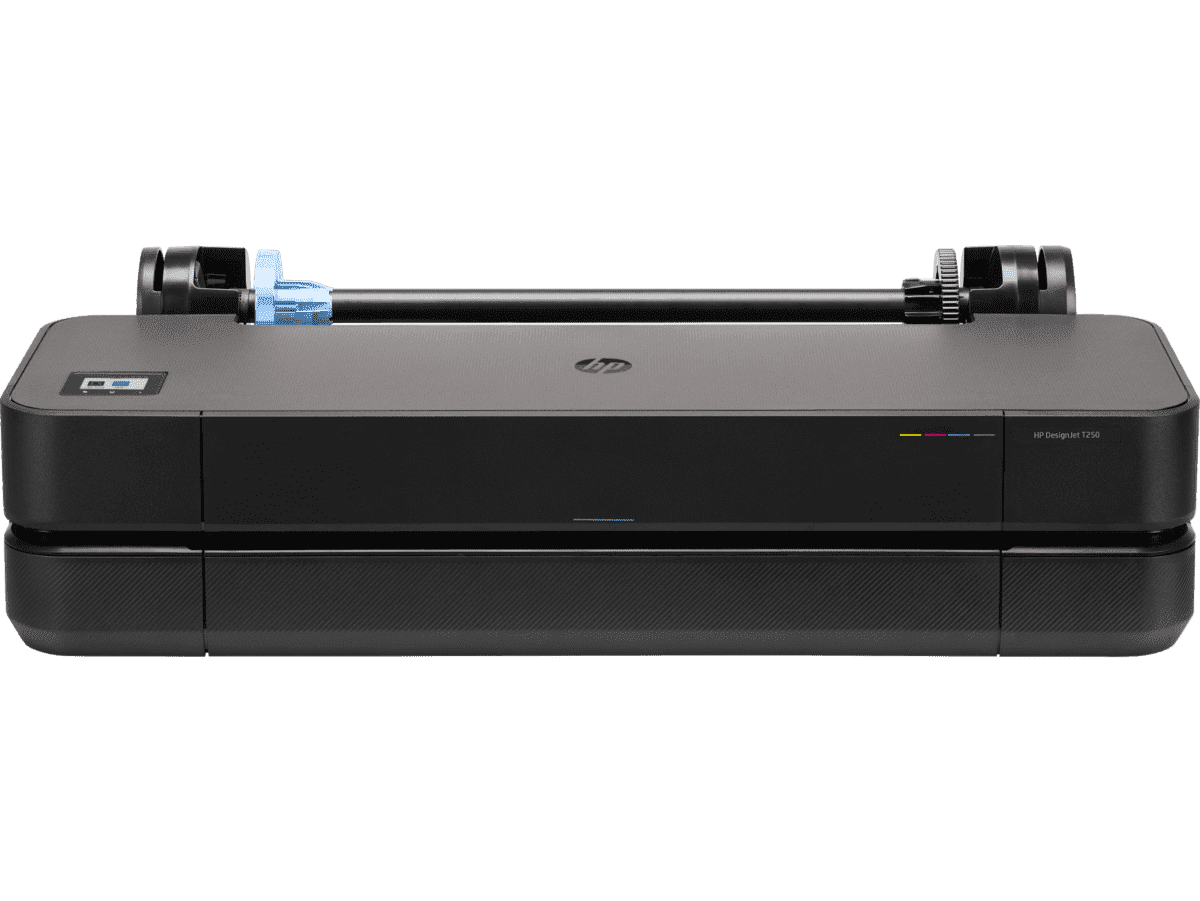
HP DesignJet T250 24-inch Compact Large Format A1 Plotter Printer + HP DesignJet T200/T600 Automatic Sheet Feeder + HP Installation Service for Design
A1 Colour HP DesignJet Large Format Printer, Perfect for Small Offices & Business Print 30 sec/page on A1; 76 A1 prints per hour USB, Ethernet, Wi-Fi Touchscreen; Automatic document feeder; Front USB flash drive port
MYR 5860.00MYR 4980.00Buy Now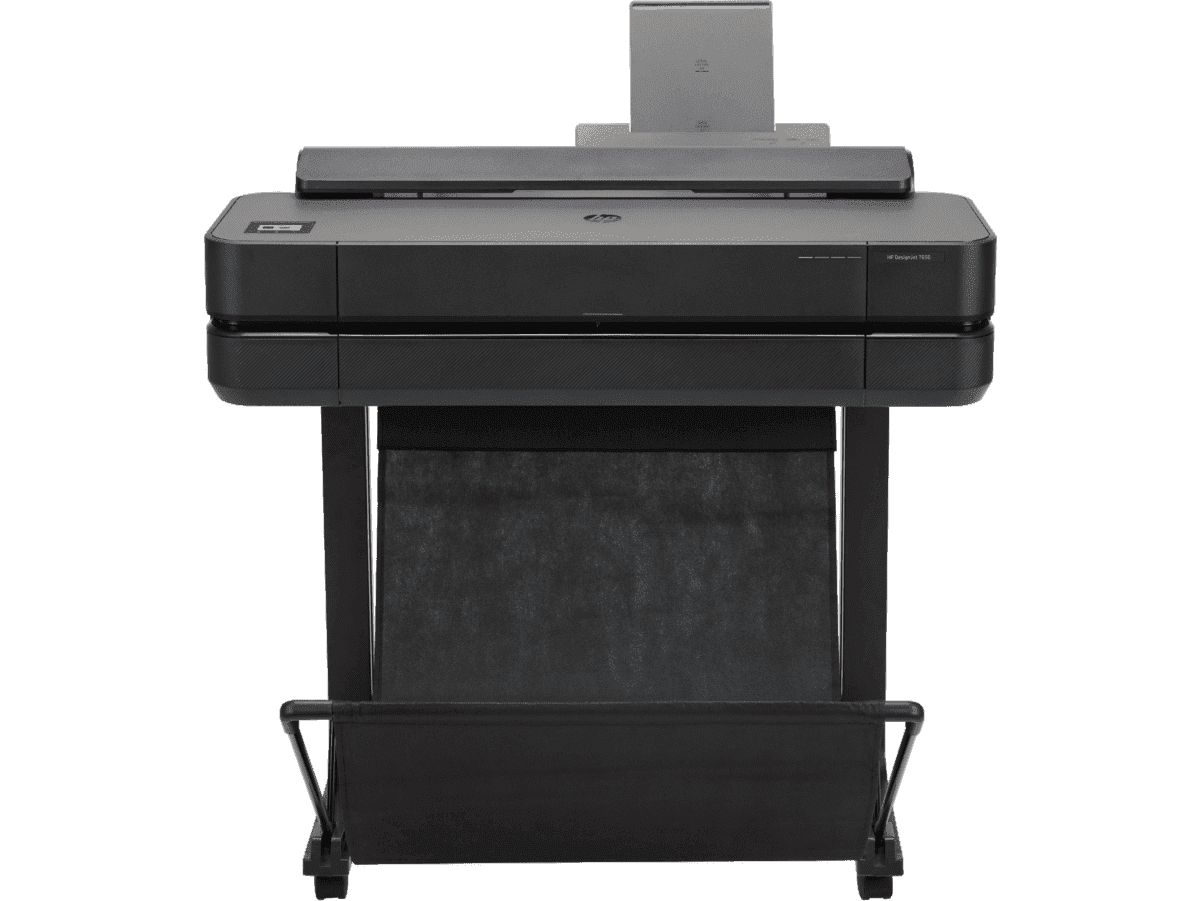
HP DesignJet T650 24-in Printer + HP Installation Service for DesignJet Series Entry Level (APJ)
A1 Colour HP DesignJet Large Format Printer, Perfect for Small Offices, Business & Enterprise Print 26 sec/page on A1; 81 A1 prints per hour Sheet feed, Roll feed, Automatic Sheet Feeder, Media Bin, Automatic Horizontal Cutter USB, Ethernet, Wi-Fi HP Click, HP Smartapp, HP Wolf Essential Security
MYR 8570.00MYR 6880.00Buy Now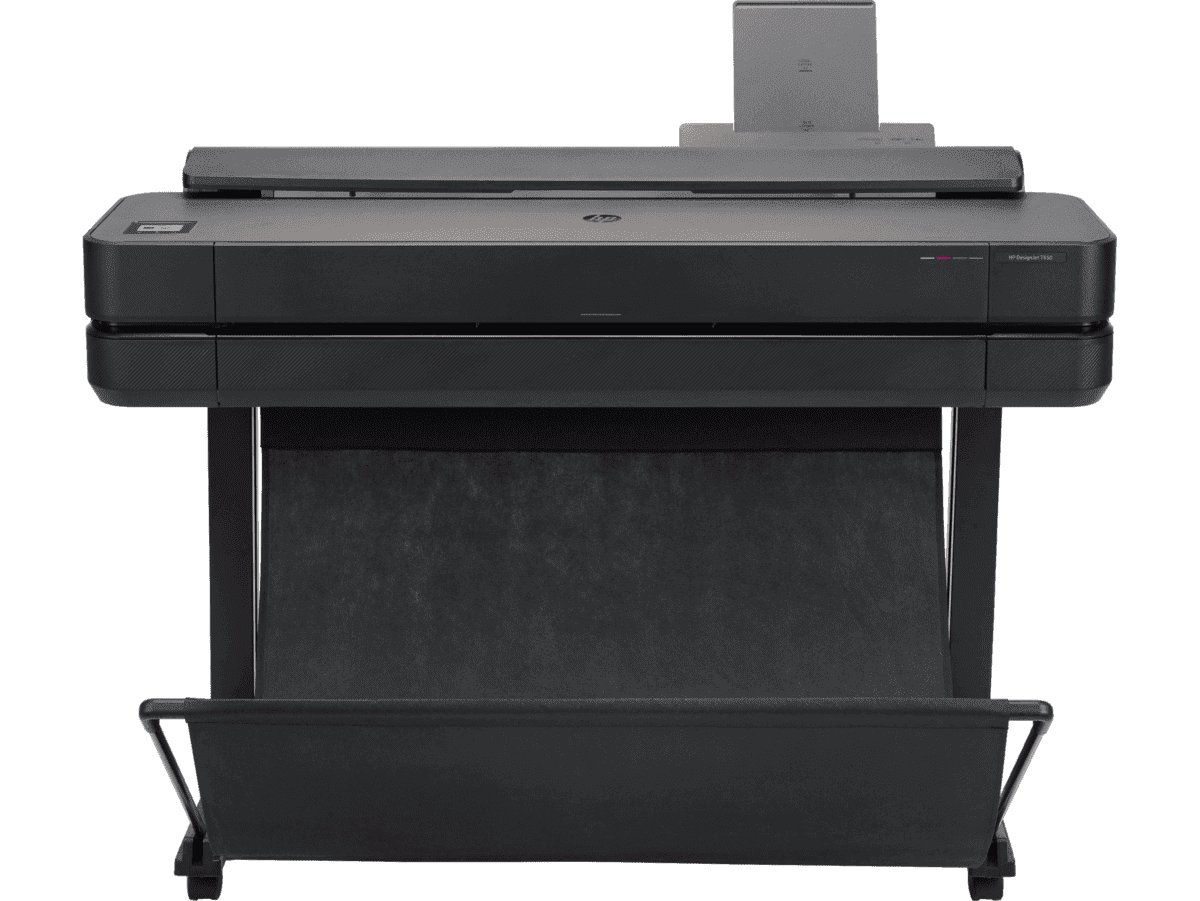
HP DesignJet T650 36-in Printer + HP Installation Service for DesignJet Series Entry Level (APJ)
A0 Colour HP DesignJet Large Format Printer, Perfect for Small Offices, Business & Enterprise Print Sheet feed, Roll feed, Automatic Sheet Feeder, Media Bin, Automatic Horizontal Cutter USB, Ethernet, Wi-Fi HP Click, HP Smartapp
MYR 11640.00MYR 9880.00Buy Now


