Blog
The 10 dos and don’ts of wayfinding floor signage

Graphic Arts
|16 Jun 2021
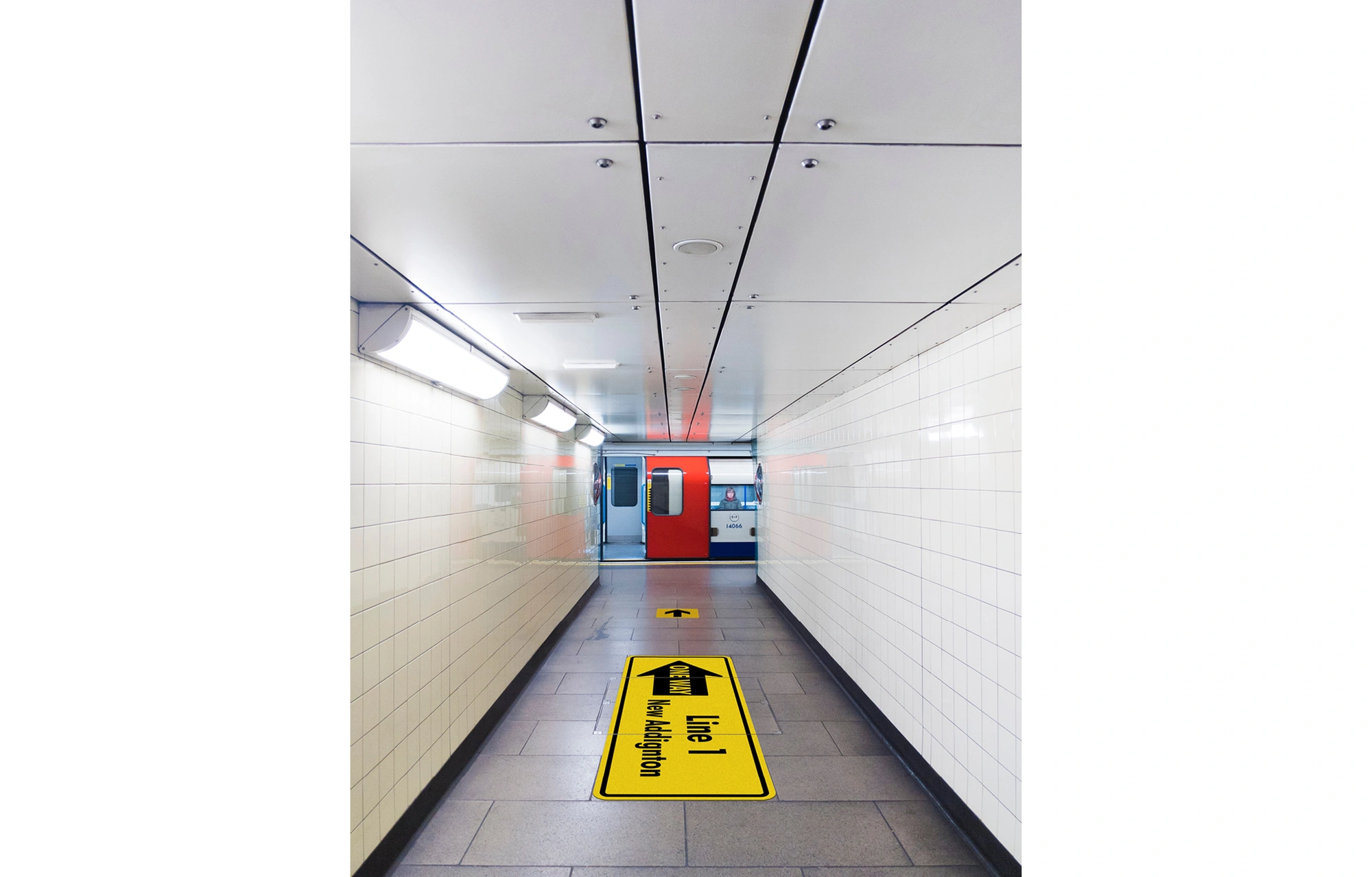
’Wayfinding’ <sup>1</sup> is the practice of solving navigational problems for individuals and crowds in complex spaces. Successful wayfinding systems are the result of targeted data collection and behavioral research, conveyed through durable, clear waypoints.
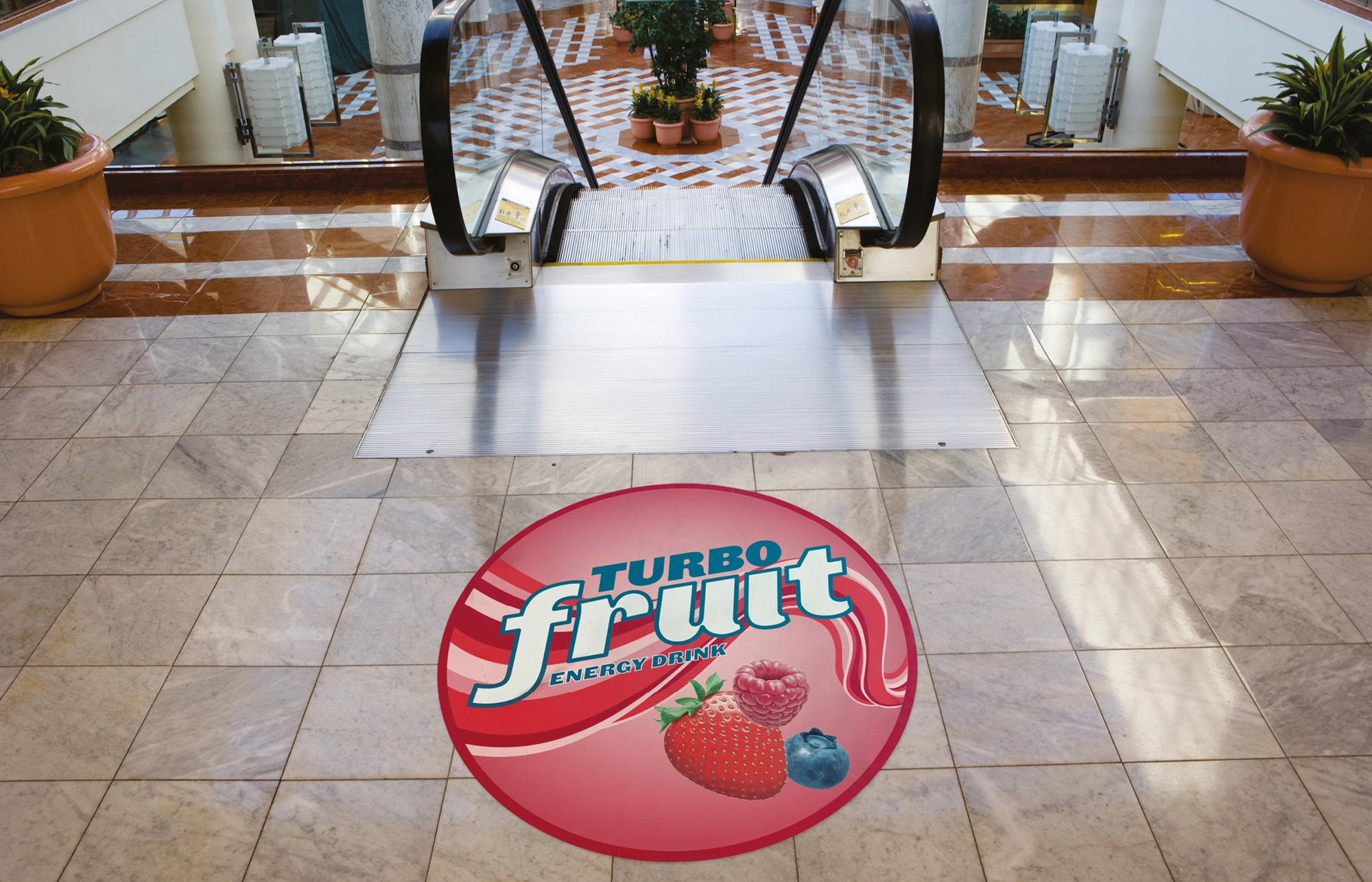
That’s where floor signs come in. Large-format print businesses can help simplify the world around us with clear signage that can be adhered to a range of floor surfaces. Unlike other banners and signs, floor prints don’t need to consider wall placement or height: they can be installed on most existing flooring materials.
We’ve brought together a list of the ten key things you need to know–or avoid–when producing wayfinding floor prints:
Do #1: Put the user’s needs first

Make sure your designs include the key information users need to build a clear mental map of their surroundings. Things that can help the user adjust to the built environmental include:
- Directional arrows
- Consistency in terms of:
- naming for places and amenities
- icons
- visuals and graphics
- colors
- References to key landmarks, such as buildings, open spaces, or prominent features
Do #2: Consider color clarity
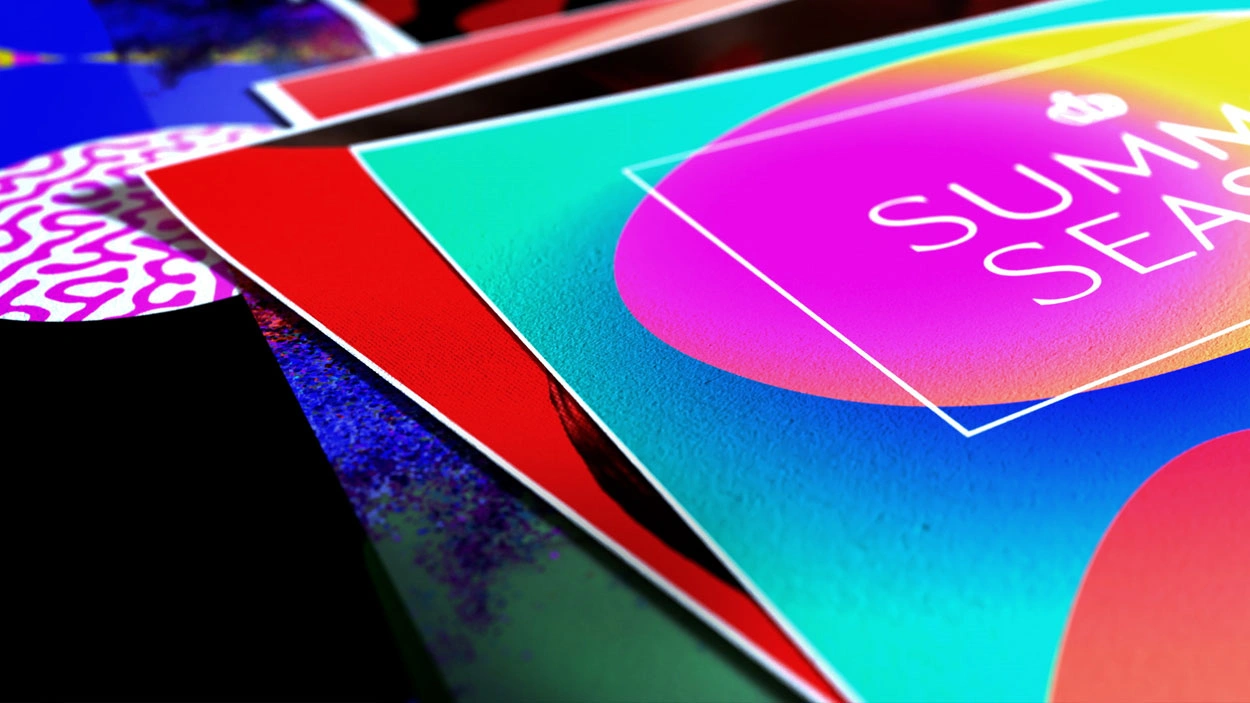
The two elements that matter most are color accuracy and color consistency:
Accuracy means getting the colors ‘right’: i.e., as close to what the designer originally intended. To get accurate colors across your prints, you need to make sure you’re choosing printers and inks that support ICC color profiles: standardized color gamut’s that make sure you’re displaying the same colors as the designer saw on their calibrated screen. HP Latex printers and inks, for example, feature custom ICC profiles for thousands of substrates.
Consistency means getting the same colors–both across the elements of a single print and across all the prints in a run. Calibration is the solution: it should be perfected whenever you install a new printhead or start a run with a new substrate.
Do #3: Choose durable materials

Do #4: Prepare for the right floor type
Do #5: Embrace productivity
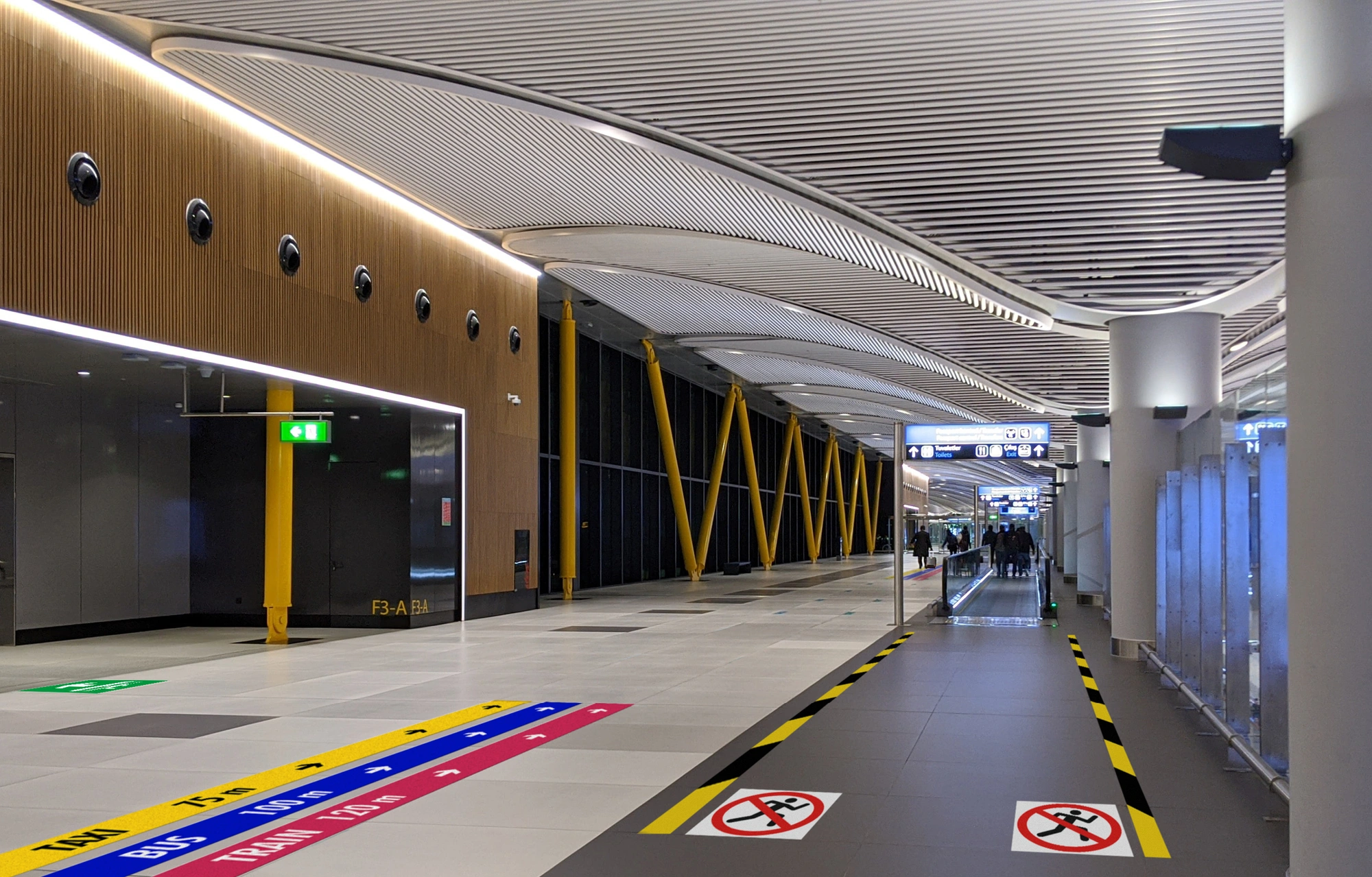
HP Latex prints are instant drying. This supercharges your workflow by giving you prints that are ready to laminate as soon as they leave the output tray.
Don’t #1: Make your designs overly complex
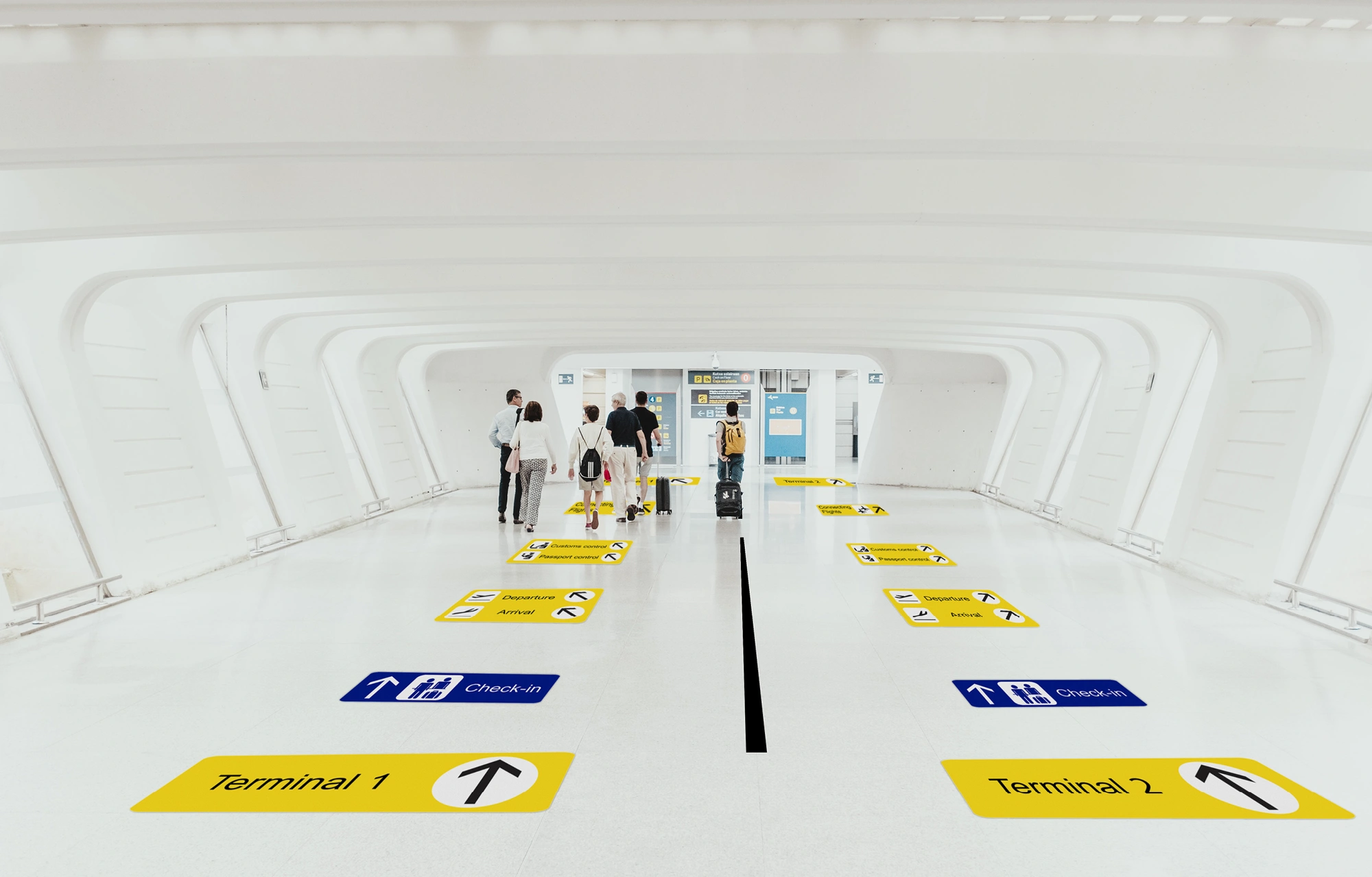
Don’t #2: Use hazardous or unsustainable solutions

In both these instances, you need to select inks with no-hazardous air pollutants (HAPs) to make sure health and safety is a top priority. Water-based inks, such as HP Latex,<sup>5</sup> are odorless<sup>6</sup>–making them perfect for wayfinding applications in more sensitive locations such as hospitals and schools.
Don’t #3: Create unnecessary waste

Sometimes, using vinyl is unavoidable, whether that’s for durability, cost, or practicality. In these instances, it’s more important to make sure you’re cutting down on the number of products you produce by delivering permanent, long-lasting solutions for your clients.
Remember to think long term. One cast vinyl sign can outlast several laminated card solutions, which ultimately makes it the more eco-conscious choice across the lifecycle of the wayfinding system.
Don’t #4: Forget to make your signs anti-slip
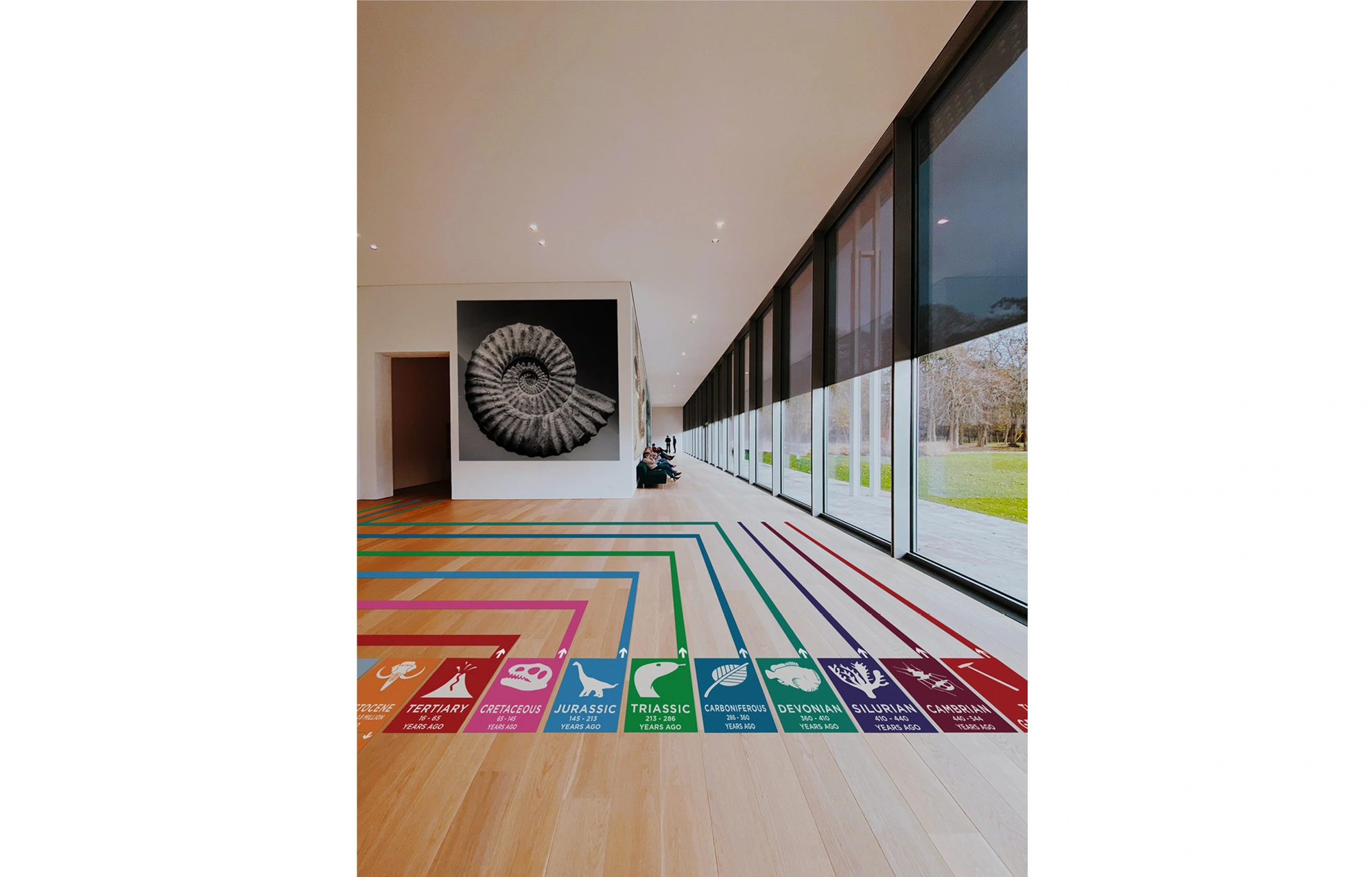
Don’t #5: Overdo it
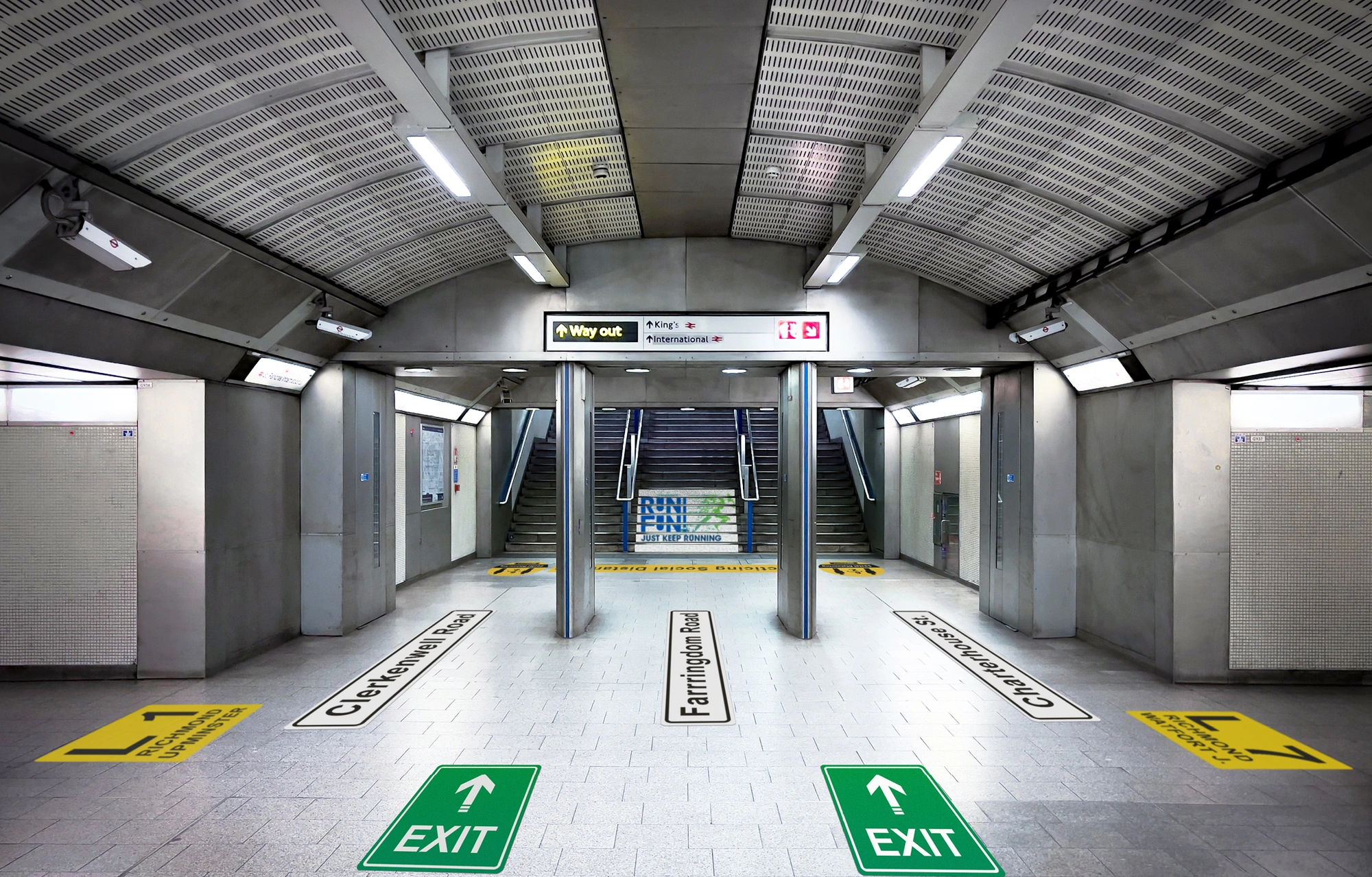
So, there you have it: the 10 dos and don’ts of creating your own effective floor-adhered wayfinding systems. To start thinking about how to create your durable, sustainable, and impactful signs with HP, why not check out here? Discover how HP Latex Inks can deliver powerful and flexible performance for any location.
1.- SEGD, What is Wayfinding?, https://segd.org/what-wayfinding
2.- SEGD, A Framework for Evaluating Wayfinding Systems, https://segd.org/framework-evaluating-wayfindingsystems
3.- SEGD, https://segd.org/
4.- The Velvet Principle, Icons, Pictograms, and Symbols, https://thevelvetprinciple.com/icons-pictograms-andsymbols/
5.- HP, HP Latex Inks, https://www.hp.com/uk-en/printers/large-format/latex-ink-media.html
6.- Based on sensory evaluations conducted by Odournet done according to VDI Guideline 3882 where 832 and 873 inks were characterized as “weak” in odor intensity and “neutral” for hedonic tone. There is a broad set of media with very different odor profiles. Some of the media can affect the odor performance of the final print.
7.- The Health and Safety Executive, Assessing the slip resistance of flooring, https://www.hse.gov.uk/pubns/geis2.pdf
You Might Also Like

Say yes to big opportunities and bigger margins

How to support employee wellbeing in the print industry
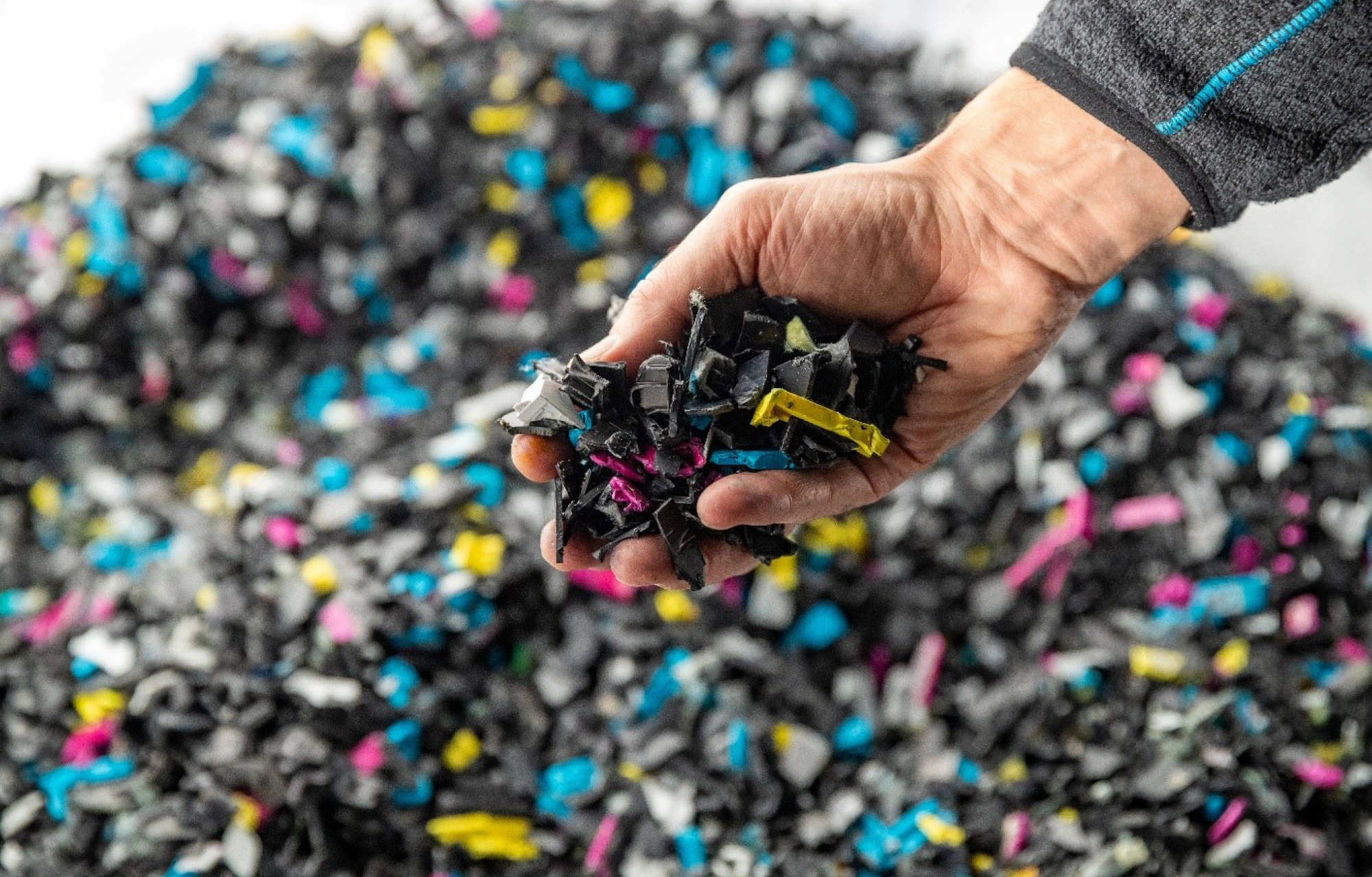
What to consider to print sustainably

How HP PrintOS helped Benson stay agile

HP Latex Print and Cut Plus Solutions spotlight: Level-up your print operations

Why the print industry needs a sustainable edge
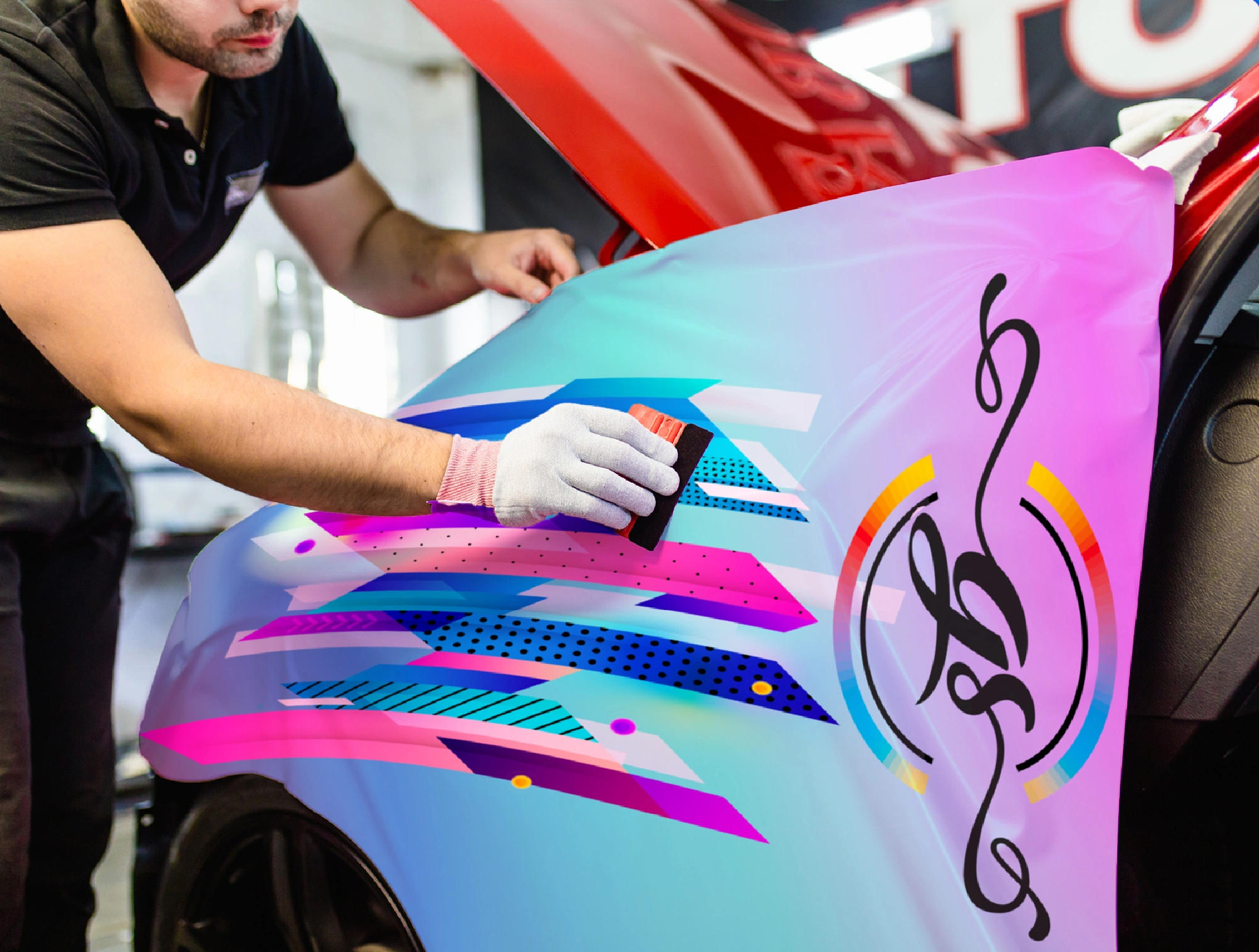
9 Essential Tips for Car Wrapping
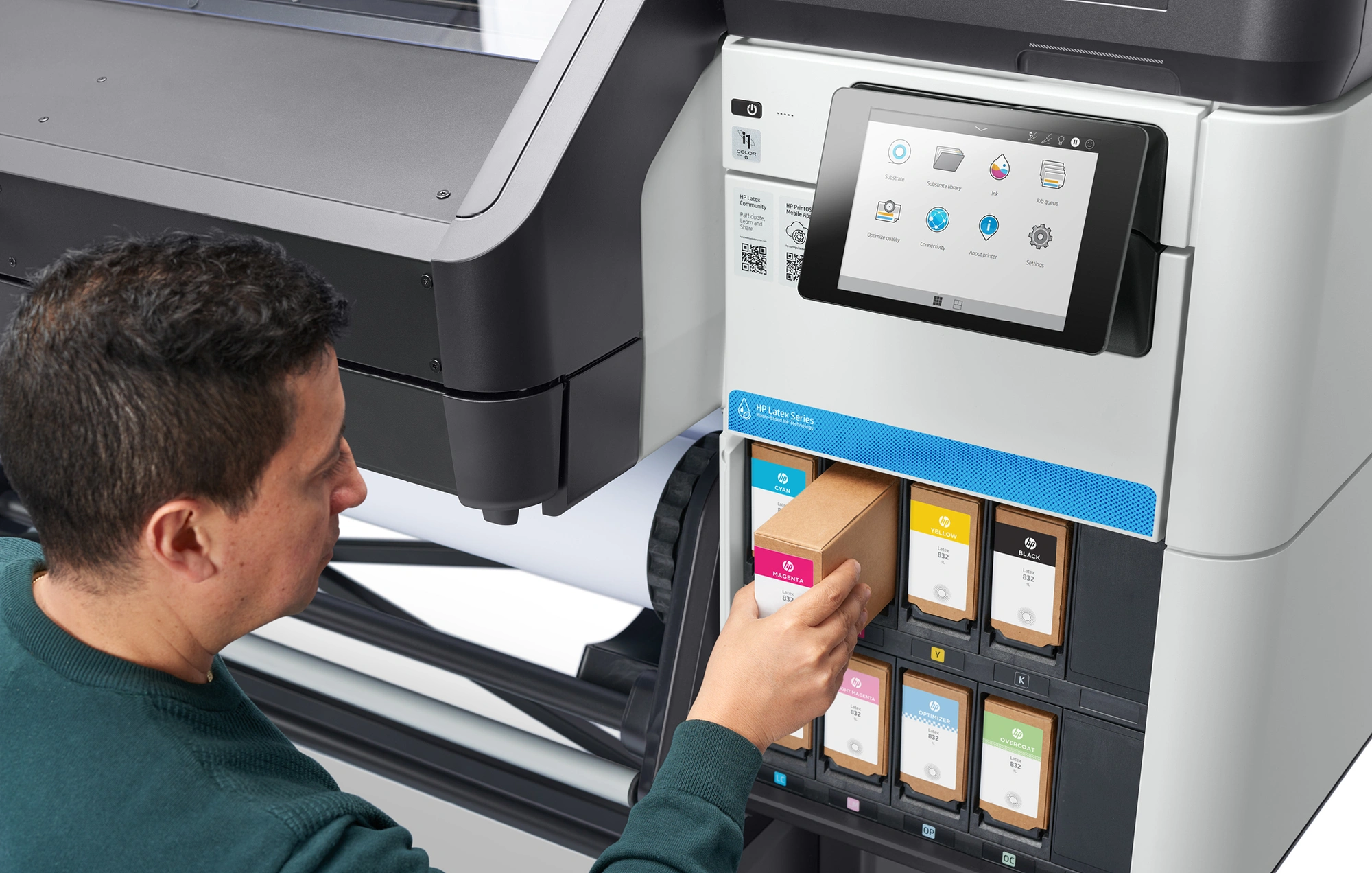
Everything you need to know About HP Latex Inks

The 4 Wide-Format Application Trends You Need to Know

When You’re Choosing A Large-Format Printer, Always Ask About The Ink Cartridges
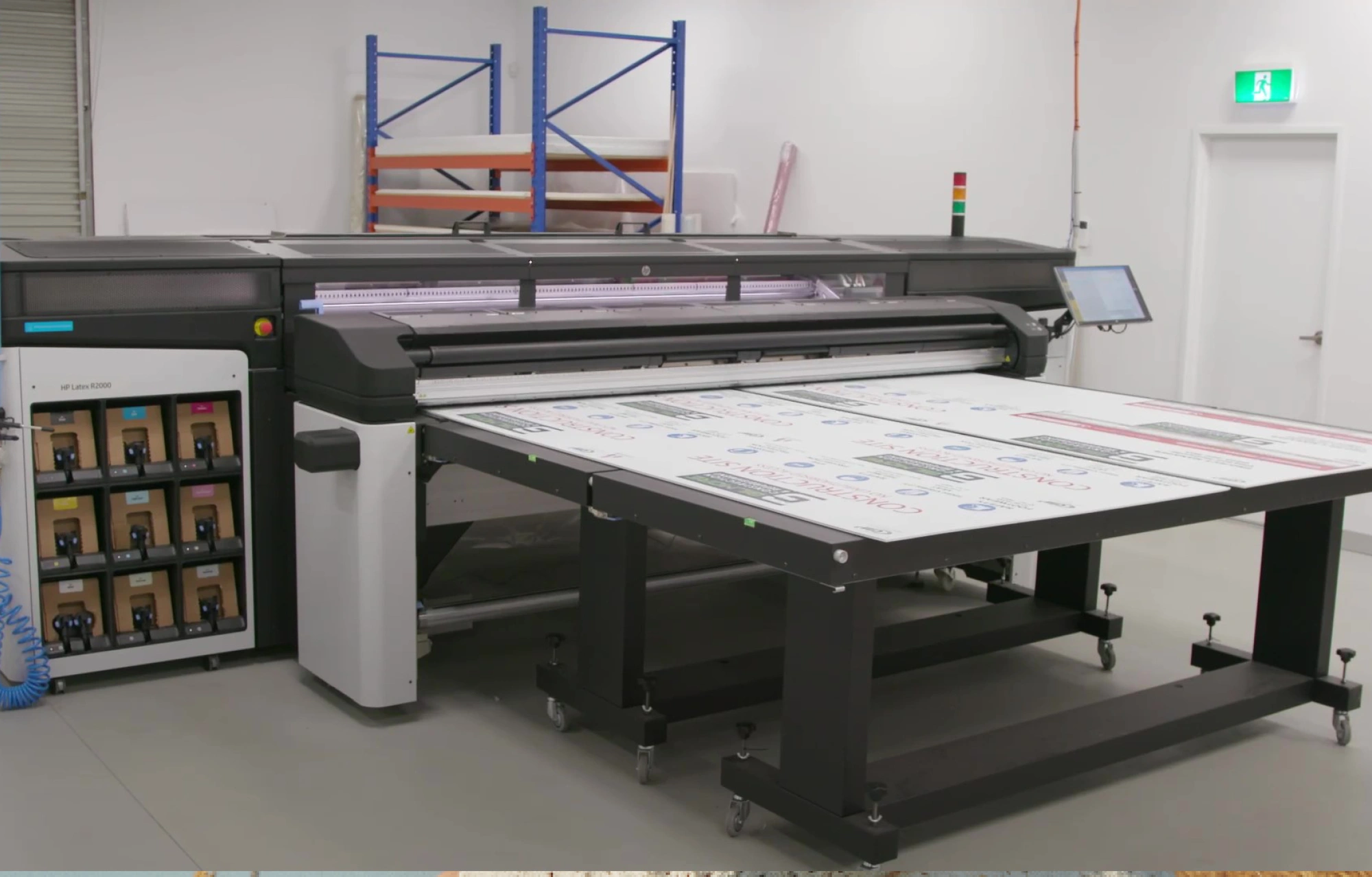
How Big Image Australia added versatility with HP Latex to inspire a new period of growth
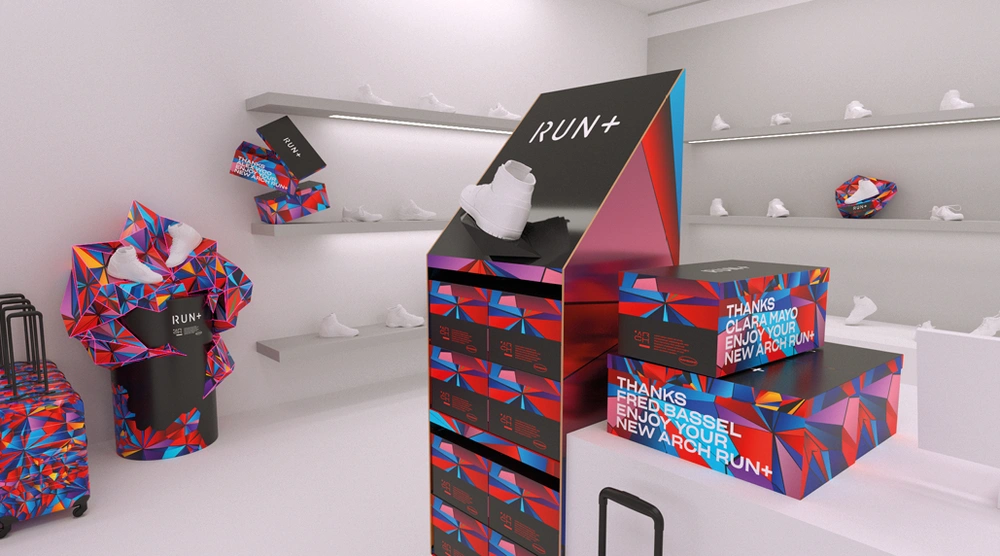
Here’s How You Can Meet The Rising Demand For Customized Packaging
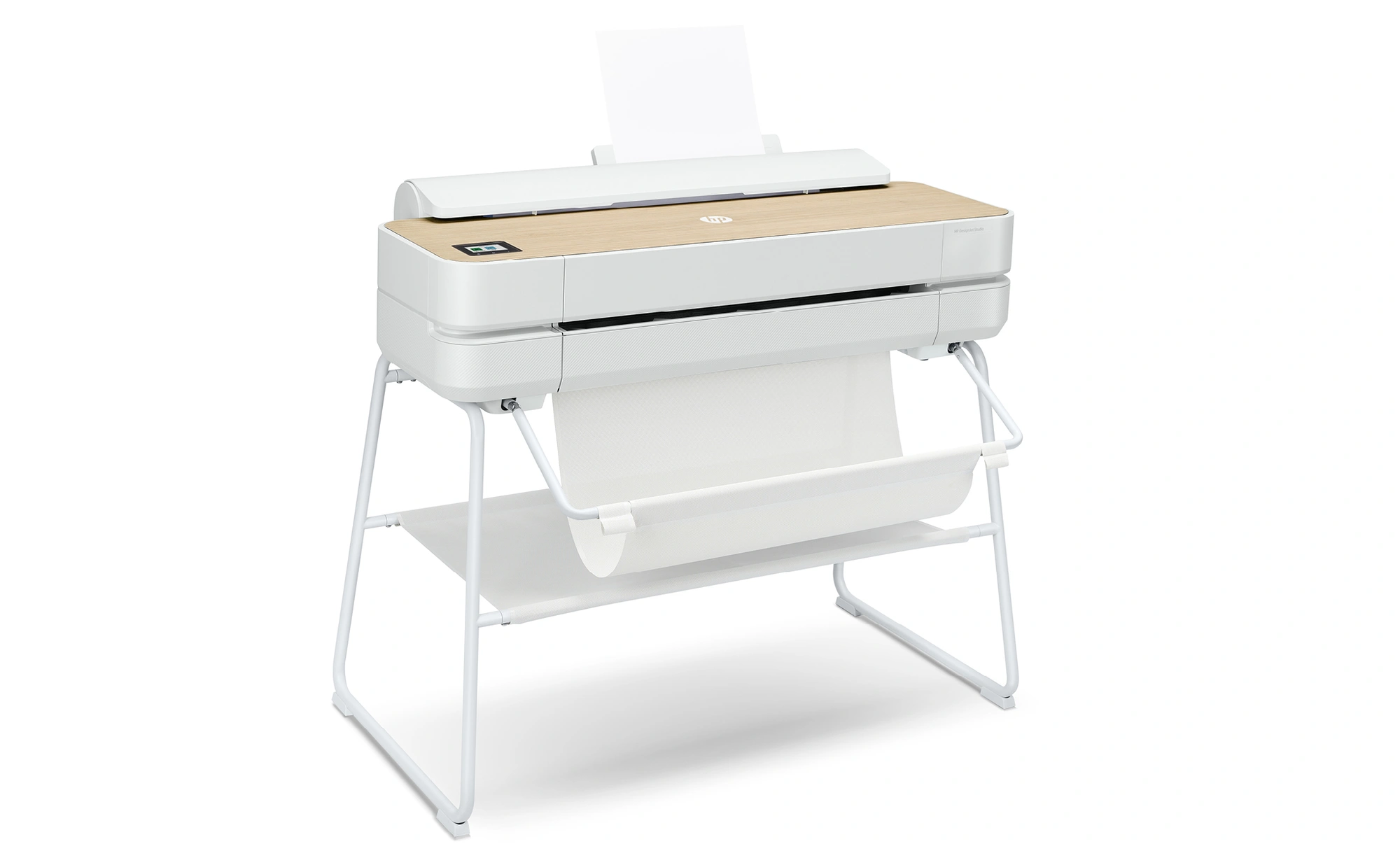
Key features to look for when buying a 24-inch printer plotter

With White Ink, You Can Print Your Way To Higher Margins
Everything you need to know About HP Latex Inks

Keeping up with a fast-moving retail market in vinyl graphics printing
Everything you need to know About HP Latex Inks

“I’m Glad We Chose Sustainable Printing Early On” - How One Print Service Provider Survived Lockdown And Become More Sustainable, With HP Latex Printers
With White Ink, You Can Print Your Way To Higher Margins

Accelerate the production and installation of vehicle graphics with cutting edge printing solutions
Select Your Country/Region and Language
Close Country/Region Selector Dialog
Europe, Middle East and Africa
- Africa
- Afrique
- België
- Belgique
- Česká republika
- Danmark
- Deutschland
- Eesti
- España
- France
- Hrvatska
- Ireland
- Italia
- Latvija
- Lietuva
- Magyarország
- Middle East
- Nederland
- Nigeria
- Norge
- Österreich
- Polska
- Portugal
- România
- Saudi Arabia
- Slovenija
- Slovensko
- South Africa
- Suisse
- Suomi
- Sverige
- Switzerland
- Türkiye
- United Kingdom
- Ελλάδα
- България
- Казахстан
- Србија
- Україна
- ישראל
- الشرق الأوسط
- المملكة العربية السعودية
Country/Region :
Close Country/Region Selector
SelectedMiddle East
popUpSRBeginingLabelString
HP Worldwide
Select Your Country/Region and Language
Click or use the tab key to select your country
Close Country/Region Selector Dialog
- Africa
- Afrique
- América Central
- Argentina
- Asia Pacific
- Australia
- Bangladesh
- België
- Belgique
- Bolivia
- Brasil
- Canada
- Canada - Français
- Caribbean
- Česká republika
- Chile
- Colombia
- Danmark
- Deutschland
- Ecuador
- Eesti
- España
- France
- Hong Kong SAR
- Hrvatska
- India
- Indonesia
- Ireland
- Italia
- Latvija
- Lietuva
- Magyarország
- Malaysia
- México
- Middle East
- Nederland
- New Zealand
- Nigeria
- Norge
- Österreich
- Pakistan
- Paraguay
- Perú
- Philippines
- Polska
- Portugal
- Puerto Rico
- România
- Saudi Arabia
- Singapore
- Slovenija
- Slovensko
- South Africa
- Sri Lanka
- Suisse
- Suomi
- Sverige
- Switzerland
- Türkiye
- United Kingdom
- United States
- Uruguay
- Venezuela
- Việt Nam
- Ελλάδα
- България
- Казахстан
- Србија
- Україна
- ישראל
- الشرق الأوسط
- المملكة العربية السعودية
- ไทย
- 中华人民共和国
- 臺灣 地區
- 日本
- 香港特別行政區
- 한국