Blog
Filter categoryCategory
Understanding Cost of Sustainable Construction: Is It Cheaper?
Graphic Arts
|15 Nov 2022
Sustainability is a global trend that is reshaping Australian construction along with digitisation and higher-quality builds. Green construction is not only good for the environment, but it can also compensate for labour shortages and minimise building waste. Despite common belief, green buildings are only about 2% more expensive to construct. When lifecycle costs are considered, the cost of sustainable construction is less, with an average of 14% to 19% in operational savings. This demonstrates that green building cost savings can be significant over time.
Achieving a positive return on investment requires careful design and engineering to ensure green building costs do not increase spending unnecessarily. Builders must evaluate materials and methods to adopt the most cost-effective green solutions. With technical improvements in design methods and building materials, builders have more choices when it comes to delivering sustainable construction.
Is Green Construction More Expensive?
What qualifies as green construction varies. However, a green building incorporates elements that support the following principles:
- Building methods should result in positive impacts on society and the environment.
- Operations should improve the quality of life and preserve natural resources.
- Building construction should eliminate negative effects on people and the environment.
These principles require builders to consider factors such as existing infrastructure, affordable housing, and sustainable development. So, do green buildings cost more?
Green construction considers community impacts that conventional buildings may not. For example, an existing water management system may be stressed during heavy rains. Constructing an apartment complex or a high-rise office building only adds to the water volumes passing through the system.
But a green building design would look at the surrounding vegetation. It would ensure plants and trees remained to prevent massive runoff during rainy periods. It might incorporate a holding pond into the design to slow the volume of water rushing into the system. These considerations can increase the costs of a specific project because it encompasses elements not typically addressed in a conventional construction project. However, do green buildings cost more when considering long-term benefits and operational savings?
However, a recent study found no correlation between building costs and green construction. A high green certification level did not mean higher construction costs. Green construction can be just as cost-effective as conventional building methods. The upfront cost of sustainable construction can be mitigated through lower operating and maintenance costs.
Why Are Green Buildings More Expensive to Build?
Increased focus on climate change, as evidenced by the renewed commitment to the Paris Agreement goals in 2022, has raised consumer awareness of humanity's environmental impact. As more consumers become ecologically friendly, the demand for green construction will grow.
Market demand for green materials has lowered the cost of sustainable construction items. Governments often provide financial incentives for green buildings. Investors are looking for stronger environmental, social, and governance (ESG) scores for potential investments. These factors should encourage builders to become LEED-certified. While this certification may initially seem like an added green building cost, the long-term savings and benefits make it worthwhile.
What is LEED certification?
The US Green Building Council created a certification program for green building construction. Leadership in Energy and Environmental Design (LEED) is a process that vendors go through to become LEED-certified. It is a rigorous process that can be expensive, but it is a universally accepted designator of certified buildings.
Certification costs may increase the rates a builder uses to calculate costs. But when asked, do green buildings cost more, it's crucial to consider the lifecycle savings that offset these initial expenses. Energy-star appliances, windows, and doors may cost more, depending on the manufacturer. Renewable energy sources such as solar panels can increase the cost per square foot of a building. Although the short-term construction costs may be higher, the long-term operational expenses, such as energy costs, lower the lifecycle costs of sustainable real estate investment.
Is Sustainable Construction More Cost-Effective in the Long Run?
While the upfront cost of sustainable construction can be slightly higher, long-term savings often make it a more cost-effective choice for both developers and building owners. The key difference lies in operational efficiency, green buildings typically consume less energy and water, require less maintenance, and can command higher occupancy rates or resale value due to their environmental credentials. Over time, these advantages compound. Energy-efficient HVAC systems, solar panels, and LED lighting reduce monthly utility bills. Durable, sustainably sourced materials reduce the need for frequent repairs or replacements.
Even something as simple as better insulation can yield significant savings over a building’s lifecycle. In Malaysia, rising utility costs and government incentives for green development such as tax allowances and fast-tracked approvals further improve the financial viability of sustainable projects. Green-certified buildings may also be more attractive to tenants and investors prioritising ESG (environmental, social and governance) performance.
When lifecycle costs are taken into account, sustainable construction is often the smarter financial decision—delivering value well beyond the initial build.
What Are the Disadvantages of Sustainable Construction?
Upfront costs are the primary disadvantage of sustainable development. Materials may make the cost of sustainable construction more, and the return on investment may take years to realise. However, lowering the cost of sustainable construction is central to reducing construction's environmental impact.
Obstacles to a sustainable building include the following:
- Sustainable building materials are often expensive. Innovative applications such as light-generating cement can be incorporated into sustainable architectures, but the material costs of green buildings can be prohibitive.
- Green architecture may dictate how and where a facility is located. This can influence the overall green building cost, but strategic planning can mitigate these expenses. For example, solar panels on a green roof mean positioning the building for maximum exposure to the sun, which could result in reorienting the building.
Finding sustainable materials that reduce energy consumption at a reasonable cost can be extremely challenging. Nonetheless, carefully managing these elements can help control green building costs while achieving sustainability goals. In some instances, achieving the desired level of sustainability becomes cost-prohibitive. Therefore, when evaluating whether green buildings cost more, one must weigh both the upfront costs and the long-term financial benefits.
Why Is Sustainable Construction Important?
The World Green Building Council states that construction accounts for 36% of the world's energy consumption and 39% of global CO2 emissions. As the world's population grows, so does its environmental impact. With a projected population growth of 30% by the end of the century, sustainable construction becomes crucial to the planet's survival.
Sustainable construction is more than building green. It ensures that the construction industry actively participates in a circular economy. A circular economy focuses on reducing, reusing, and recycling building materials. Its goal is to:
- Recycle products and materials
- Regenerate natural systems
- Remove pollution and waste
For the construction industry to deliver on its promise to reduce its carbon footprint, it must implement sustainable construction practices in these key areas.
Recycle
Regenerate
Remove
Download our eBook now and discover how innovation is streamlining workflows, producing prints of unmatched quality and increasing IT efficiency like never before.
<iframe src="undefined"></iframe>You Might Also Like
Say yes to big opportunities and bigger margins
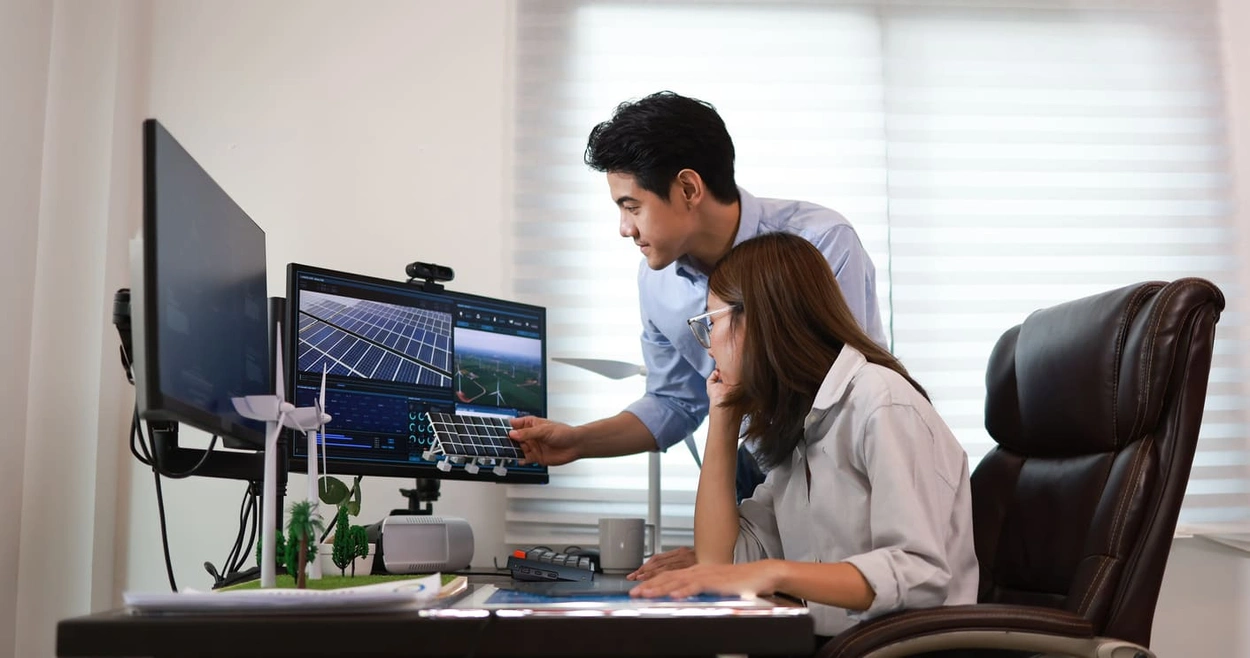
The Key Elements of a Sustainable House Design

Smart Building Automation Systems & How They Reduce Costs

Building Automation Trends: Why Automation Is Crucial for AECs
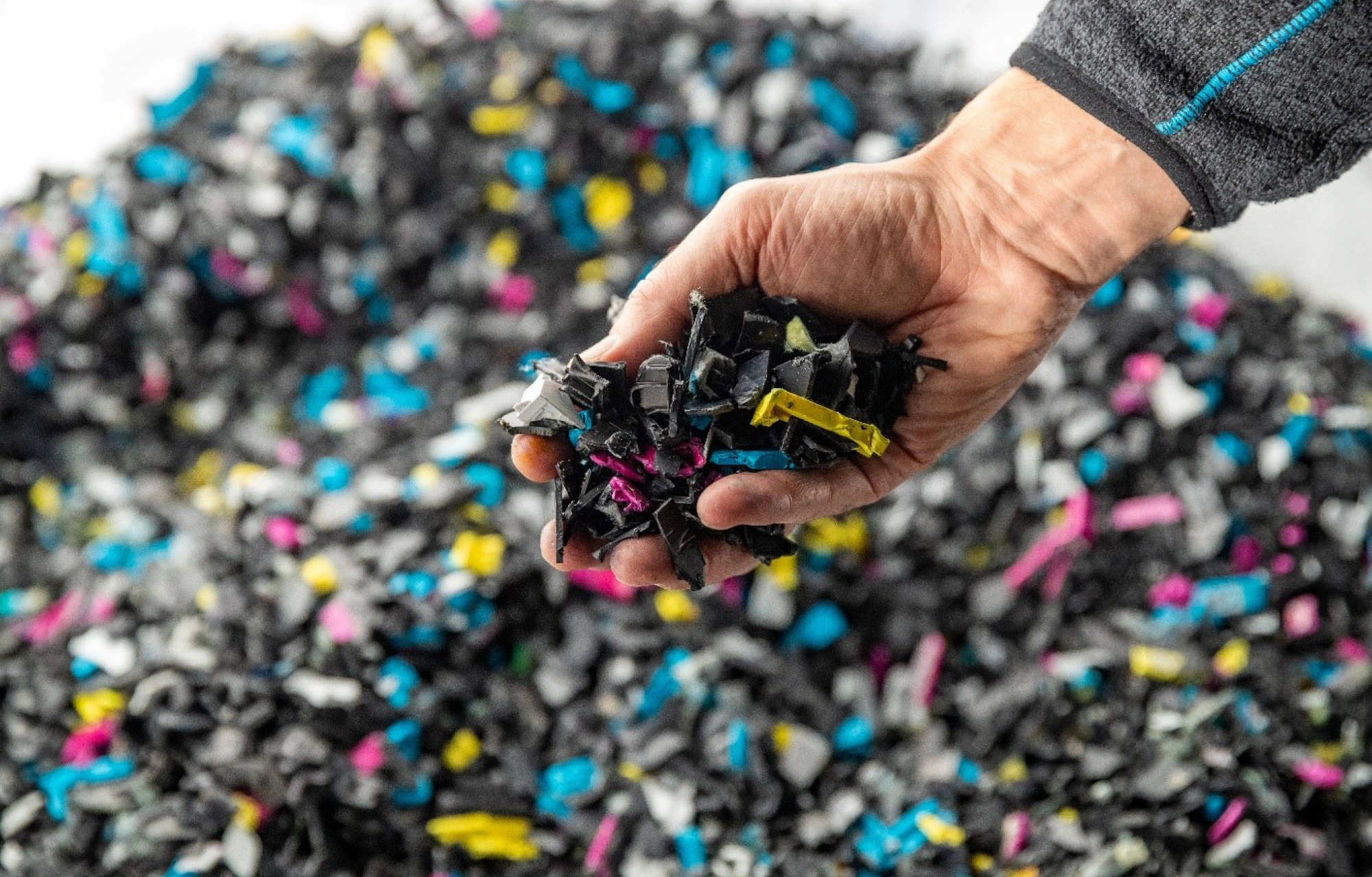
What to consider to print sustainably

How to support employee wellbeing in the print industry
Green Building Benefits: Importance of Eco-Friendly Construction

How HP PrintOS helped Benson stay agile
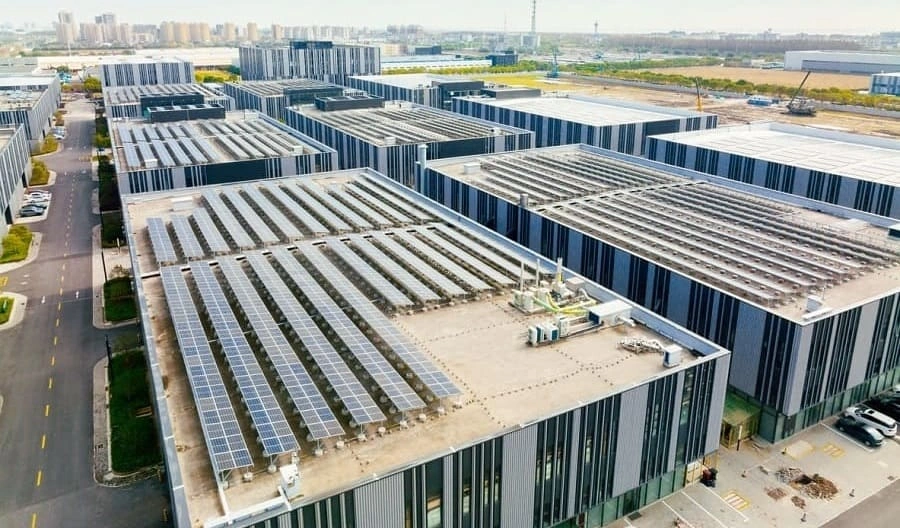
Top 5 Ways In Which AECs Are Using Green Building Materials in 2024
HP Latex Print and Cut Plus Solutions spotlight: Level-up your print operations

Sustainability in Architecture: Designing for the Future
Driving a Zero-Carbon Future with Sustainable Construction Materials
From Green Building Construction to Digital Offices: 4 Predictions for Post-Covid Architecture
5 Ways AECs Can Go Green With Eco-Friendly Office Printing

9 Essential Tips for Car Wrapping

Why the print industry needs a sustainable edge
The 10 dos and don’ts of wayfinding floor signage
Sustainable Construction: The Eco-Conscious Future Of The AEC Sector

Keeping up with a fast-moving retail market in vinyl graphics printing

The 4 Wide-Format Application Trends You Need to Know